
The Truth About Hormonal Acne: What Your Skin Is Trying to Tell You
Hormonal acne is more than just a skin problem — it can be a sign of internal hormonal imbalance, stress, lifestyle habits, or underlying health conditions. Learn the real causes of hormonal acne, common triggers, effective treatments, and natural ways to achieve healthier, clearer skin.
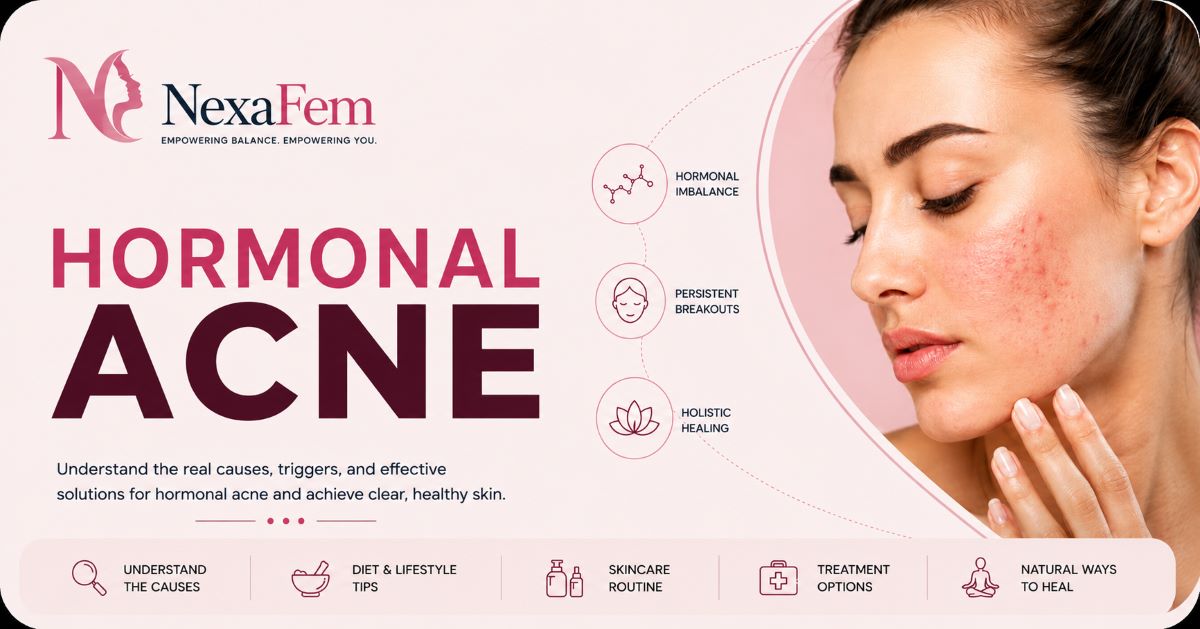
Acne is one of the most common skin concerns, but not all breakouts are the same. If you constantly deal with painful pimples around your chin, jawline, or cheeks — especially during certain times of the month — your skin may be reacting to hormonal changes happening inside your body.
Hormonal acne affects millions of women and adults worldwide. Unlike occasional breakouts caused by oily skin or clogged pores, hormonal acne often signals deeper imbalances related to stress, menstrual cycles, lifestyle habits, or underlying health conditions like PCOS.
Understanding what your skin is trying to tell you is the first step toward healthier, clearer skin. Instead of only treating the surface, it’s important to identify and support the root causes behind hormonal acne.
What Is Hormonal Acne?
Hormonal acne occurs when fluctuations in hormones increase oil production in the skin. Excess oil mixes with dead skin cells and bacteria, clogging pores and causing inflammation.
This type of acne commonly appears on:
Chin
Jawline
Lower cheeks
Neck
Around the mouth
Hormonal acne can affect teenagers during puberty, but it is especially common among adult women in their 20s, 30s, and even 40s.
Common Signs of Hormonal Acne
Your skin often gives clues when hormones are involved.
Breakouts During Your Menstrual Cycle
Many women notice acne flare-ups before or during their period due to hormone fluctuations.
Deep, Painful Pimples
Hormonal acne is usually cystic, inflamed, and painful beneath the skin.
Persistent Jawline Acne
Recurring acne around the lower face is one of the most recognizable signs.
Oily Skin
Hormonal changes can overstimulate oil glands, making skin excessively oily.
Acne That Keeps Returning
Even after using skincare products, hormonal acne may repeatedly return if the internal imbalance remains untreated.
What Causes Hormonal Acne?
Several factors can contribute to hormonal imbalance and acne development.
1. Menstrual Hormone Changes
Hormones naturally fluctuate throughout the menstrual cycle, especially before periods, triggering breakouts.
2. Stress
Stress increases cortisol levels, which can stimulate oil production and worsen inflammation.
3. Polycystic Ovary Syndrome (PCOS)
PCOS is a common hormonal condition associated with acne, irregular periods, and excess androgen hormones.
4. Poor Diet
Highly processed foods, excess sugar, and dairy may contribute to inflammation and hormone imbalance in some people.
5. Lack of Sleep
Poor sleep affects hormone regulation and can increase stress hormones in the body.
6. Pregnancy and Menopause
Major hormonal transitions during pregnancy and menopause can also lead to acne flare-ups.
The Connection Between Hormones and Skin Health
Hormones play a major role in regulating:
Oil production
Skin hydration
Inflammation
Skin cell renewal
When hormones become imbalanced, the skin may respond with:
Acne
Dryness
Sensitivity
Redness
Excess oiliness
Your skin often reflects what is happening internally, which is why hormonal acne requires more than surface-level treatment.
Foods That May Trigger Hormonal Acne
Diet is not always the direct cause of acne, but certain foods may worsen inflammation and hormonal fluctuations.
Foods That May Trigger Breakouts
Sugary snacks
Soft drinks
White bread and refined carbs
Fast food
Excess dairy products
Processed foods
Skin-Friendly Foods
A balanced diet rich in nutrients may help support healthy skin:
Leafy vegetables
Fruits rich in antioxidants
Nuts and seeds
Whole grains
Fatty fish
Green tea
Drinking enough water also helps maintain healthy skin function.
How Stress Impacts Hormonal Acne
Stress affects the body in many ways, including the skin.
When stress levels rise, the body releases more cortisol. High cortisol levels can:
Increase oil production
Trigger inflammation
Slow healing
Worsen acne breakouts
Managing stress through meditation, exercise, proper sleep, and relaxation techniques may help improve skin health over time.
Best Skincare Routine for Hormonal Acne
A gentle and consistent skincare routine can help reduce breakouts and protect the skin barrier.
Morning Routine
Gentle cleanser
Lightweight serum with niacinamide or salicylic acid
Oil-free moisturizer
Sunscreen
Night Routine
Cleanser
Acne treatment or retinoid
Hydrating moisturizer
Important Skincare Tips
Avoid harsh scrubs
Don’t over-cleanse
Never pick acne lesions
Use non-comedogenic products
Wash makeup brushes regularly
Consistency is more important than using too many products at once.
Medical Treatments for Hormonal Acne
Severe hormonal acne may require professional treatment.
Hormonal Therapy
Certain medications help regulate hormones and reduce acne-causing oil production.
Retinoids
Prescription retinoids help unclog pores and improve skin texture.
Chemical Peels
Professional treatments may help reduce acne marks and inflammation.
Dermatologist Consultation
A dermatologist can identify the underlying causes and recommend personalized treatment options.
Natural Ways to Support Hormonal Balance
Small lifestyle changes can positively impact hormones and skin health.
Sleep Well
Aim for 7–9 hours of quality sleep every night.
Exercise Regularly
Physical activity supports hormone regulation and stress reduction.
Reduce Sugar Intake
Lowering processed sugar may help reduce inflammation.
Stay Hydrated
Hydration supports overall skin function and healing.
Support Gut Health
A healthy digestive system may contribute to better hormonal balance.
When Should You Seek Professional Help?
You should consider consulting a healthcare professional if:
Acne becomes painful or cystic
Breakouts leave scars
Acne affects confidence or emotional well-being
Over-the-counter products are not working
You experience irregular periods or other hormonal symptoms
Early treatment can help prevent long-term scarring and skin damage.
Final Thoughts
Hormonal acne is not just about skincare — it’s often a reflection of what’s happening inside your body. Your skin can reveal signs of stress, hormone fluctuations, inflammation, or underlying health conditions.
Instead of fighting your skin aggressively, focus on understanding and supporting your body through balanced nutrition, healthy habits, stress management, and proper skincare.
Clearer skin takes patience, consistency, and a holistic approach. When you start listening to what your skin is trying to tell you, real healing becomes possible.
Frequently Asked Questions
Share this post
Comments (0)
No comments yet. Be the first to comment!