


PCOS Diet Myths That Are Making Symptoms Worse
Many women with PCOS follow strict diet trends believing they’ll improve hormones and symptoms — but some popular food myths may actually do more harm than good. From cutting all carbs to fearing dairy and fruit, misinformation can increase stress, nutrient deficiencies, and hormonal imbalance. Discover the most common PCOS diet myths and learn what truly supports long-term hormonal health naturally.
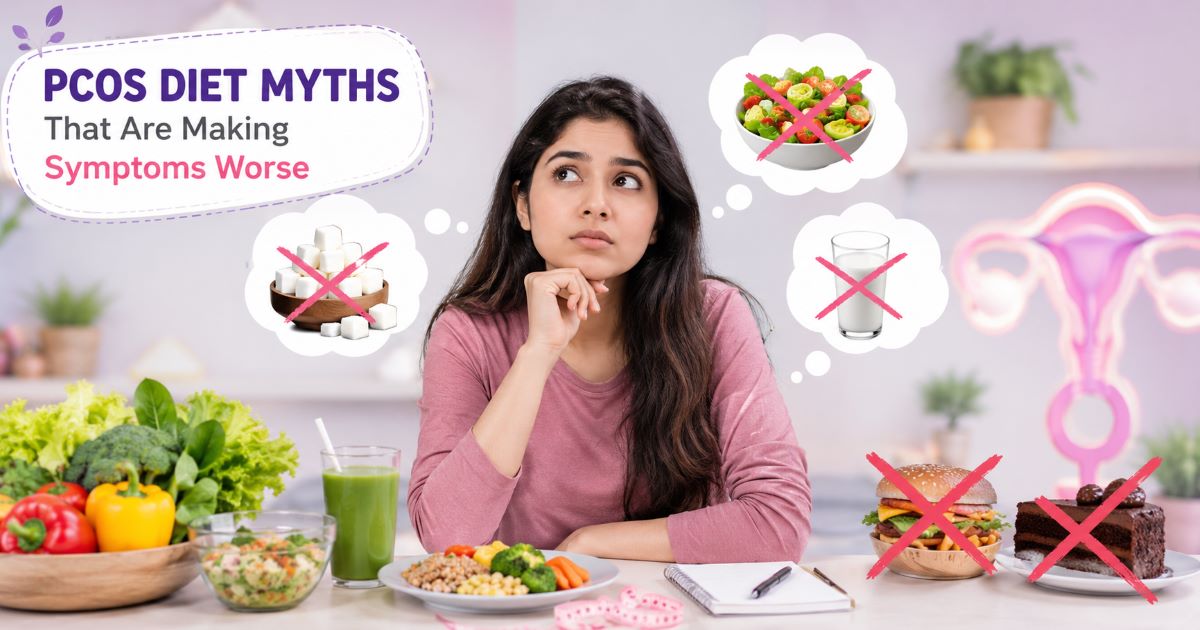
Living with Polycystic Ovary Syndrome (PCOS) can feel confusing — especially when social media, influencers, and even well-meaning advice constantly tell women what they “should” eat. One day, carbs are the enemy, the next day dairy is “toxic,” and suddenly every symptom is blamed on gluten, sugar, or fruit.
The truth? Many popular PCOS diet trends are not only misleading but can actually make symptoms worse by increasing stress, hormone imbalance, nutrient deficiencies, and unhealthy eating patterns.
If you have PCOS, you do not need another extreme diet. You need sustainable, science-backed habits that support your hormones, metabolism, and overall wellbeing.
Let’s break down the most common PCOS diet myths that may be secretly worsening your symptoms.
Understanding PCOS and Nutrition
PCOS is a hormonal and metabolic condition that affects millions of women worldwide. Common symptoms include:
Irregular periods
Weight gain or difficulty losing weight
Acne
Excess facial or body hair
Hair thinning
Fatigue
Mood swings
Insulin resistance
Fertility challenges
One major factor behind many PCOS symptoms is insulin resistance, where the body struggles to use insulin efficiently. This can lead to higher insulin levels, which may increase androgen (male hormone) production and worsen symptoms.
Nutrition plays an important role in managing PCOS — but balance matters far more than restriction.
Myth 1: “You Must Completely Eliminate Carbs”
This is one of the biggest myths surrounding PCOS.
Many women are told to avoid all carbohydrates because of insulin resistance. While reducing highly processed sugars can help, cutting out all carbs is unnecessary and often harmful.
Your body needs carbohydrates for:
Energy
Brain function
Hormone production
Mood stability
Exercise recovery
Completely avoiding carbs can lead to:
Fatigue
Intense cravings
Mood swings
Binge eating
Higher cortisol (stress hormone)
What Actually Helps
Focus on complex, fiber-rich carbohydrates that support stable blood sugar levels:
Oats
Brown rice
Quinoa
Sweet potatoes
Lentils
Beans
Fruits
Vegetables
Pairing carbs with protein and healthy fats can reduce blood sugar spikes and keep you fuller for longer.
Myth 2: “Weight Loss Alone Will Cure PCOS”
Weight management can improve some symptoms, but PCOS is not simply a “weight problem.”
Many women with PCOS are at healthy weights and still struggle with hormonal imbalance. Others find it extremely difficult to lose weight despite dieting intensely.
Obsessing over the scale can increase stress and worsen:
Hormonal imbalance
Cortisol levels
Emotional eating
Body image struggles
What Actually Helps
Instead of focusing only on weight, focus on:
Blood sugar balance
Sleep quality
Stress management
Regular movement
Nutrient-rich meals
Consistency over perfection
Even small lifestyle improvements can positively impact symptoms without extreme weight loss.
Myth 3: “You Should Never Eat Sugar Again”
Many women with PCOS become fearful of sugar. While excessive added sugar may worsen insulin resistance, completely banning sweets often creates guilt, cravings, and unhealthy relationships with food.
Extreme restriction can backfire and lead to:
Overeating
Stress eating
Emotional burnout
Food obsession
What Actually Helps
Aim for moderation instead of perfection:
Limit ultra-processed sugary foods
Choose balanced snacks
Enjoy treats occasionally without guilt
Prioritize fiber and protein throughout the day
A sustainable diet is more effective than a “perfect” diet you cannot maintain.
Myth 4: “Dairy Causes PCOS”
There is no strong evidence that dairy directly causes PCOS.
Some women may personally notice symptoms worsen with certain dairy products, but this does not apply to everyone.
In fact, dairy can provide important nutrients like:
Protein
Calcium
Vitamin D
Probiotics (in yogurt)
Removing dairy unnecessarily may create nutrient deficiencies if not replaced properly.
What Actually Helps
Pay attention to your body.
If dairy seems to trigger bloating, acne, or digestive issues, experiment carefully with reducing certain products rather than eliminating entire food groups automatically.
Myth 5: “You Need Expensive Supplements and Detoxes”
The PCOS wellness industry often promotes expensive powders, teas, detox drinks, and “miracle” supplements promising fast hormonal balance.
Most of these products lack strong scientific evidence.
Some detoxes can even:
Slow metabolism
Increase fatigue
Cause nutrient deficiencies
Trigger stress hormones
What Actually Helps
Simple habits often make the biggest difference:
Eating enough protein
Managing stress
Sleeping well
Staying active
Drinking enough water
Eating fiber-rich foods
Certain supplements may help some women under professional guidance, such as:
Inositol
Vitamin D
Omega-3 fatty acids
Magnesium
But supplements should support your lifestyle — not replace it.
Myth 6: “You Have to Follow an Extremely Strict Diet”
Many women with PCOS feel pressured to eat “perfectly” all the time.
But extreme dieting can increase stress hormones and create an unhealthy cycle of restriction and guilt.
Hormones respond better to consistency than punishment.
What Actually Helps
Build flexible, realistic habits:
Eat regular meals
Include protein in every meal
Don’t skip breakfast if it leaves you exhausted later
Move your body in ways you enjoy
Allow yourself balance
Progress matters more than perfection.
What a PCOS-Friendly Plate Can Look Like
A balanced meal for PCOS often includes:
🥗 Fiber-rich vegetables
🍗 Protein (lentils, tofu, paneer, yogurt, beans, chicken, fish, eggs if preferred)
🥑 Healthy fats (nuts, seeds, olive oil, avocado)
🍚 Complex carbs (brown rice, quinoa, whole grains, sweet potatoes)
This combination supports:
Better blood sugar control
Hormone balance
Longer-lasting energy
Reduced cravings
Lifestyle Habits That Support PCOS
Diet is only one part of managing PCOS. These habits matter too:
Sleep
Poor sleep can worsen insulin resistance and cravings.
Stress Management
High stress may increase cortisol and worsen hormonal imbalance.
Helpful practices include:
Walking
Yoga
Meditation
Journaling
Deep breathing
Spending time outdoors
Strength Training
Building muscle can improve insulin sensitivity and metabolism.
Consistency
Small habits repeated daily are more effective than short-term extreme diets.
When to Seek Professional Help
Every woman’s PCOS experience is different. If symptoms are affecting your daily life, consider speaking with:
A gynecologist
An endocrinologist
A registered dietitian familiar with PCOS
Professional guidance can help you create a personalized and sustainable plan.
Final Thoughts
PCOS management should not feel like punishment.
You do not need to fear food, starve yourself, or follow extreme internet trends to support your hormones. Many popular PCOS diet myths create more stress than healing.
Instead of chasing perfection, focus on nourishing your body consistently with balanced meals, movement, sleep, and self-care.
Small, realistic changes often lead to the most sustainable improvements — not restrictive diets that leave you exhausted and overwhelmed.
Your body deserves support, not punishment.
Frequently Asked Questions
Share this post
Comments (0)
No comments yet. Be the first to comment!