


Understanding PCOS: Early Signs Every Woman Should Know
Discover the early signs of PCOS, including irregular periods, acne, weight gain, and hormonal imbalance. Learn why early awareness and lifestyle changes are important for women’s health and wellness.
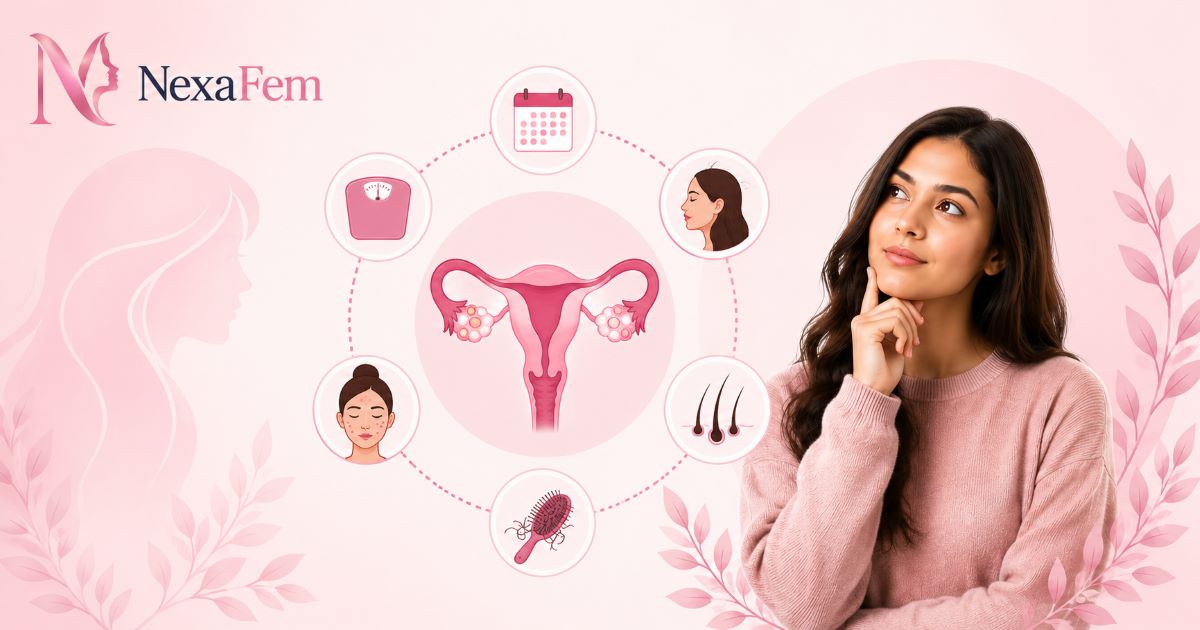
Polycystic Ovary Syndrome (PCOS) is one of the most common hormonal health conditions affecting women today, yet many women remain unaware of its early warning signs. For some, symptoms begin during the teenage years but often go unnoticed or are mistaken for “normal hormonal changes.” Early awareness can make a major difference in managing symptoms and improving long-term health.
Studies suggest that PCOS affects millions of women worldwide, including a significant number of women in India. Despite its growing prevalence, many cases remain undiagnosed for years.
What is PCOS?
PCOS, or Polycystic Ovary Syndrome, is a hormonal imbalance that affects how the ovaries function. It can influence menstrual cycles, fertility, metabolism, skin health, weight, and emotional well-being.
Women with PCOS may experience irregular ovulation, increased androgen (male hormone) levels, and multiple small cysts in the ovaries. However, every woman’s experience with PCOS can look different.
Early Signs of PCOS Every Woman Should Know
1. Irregular Periods
One of the earliest and most common signs of PCOS is irregular menstrual cycles. Periods may come late, stop for months, or become unusually heavy.
If your cycle is frequently unpredictable, it may be your body signaling a hormonal imbalance.
2. Sudden Weight Gain
Many women with PCOS notice weight gain, especially around the abdomen, even without major lifestyle changes. PCOS is often linked with insulin resistance, which can make weight management more difficult.
3. Acne and Oily Skin
Persistent acne after teenage years can sometimes indicate hormonal imbalance rather than simple skin issues. Increased androgen levels can lead to excessive oil production and breakouts.
4. Excess Hair Growth
Unwanted hair growth on the face, chin, chest, or stomach is another common symptom. This condition, known as hirsutism, occurs due to elevated androgen levels.
5. Hair Thinning or Hair Fall
While some women experience excess hair growth, others notice thinning hair or increased hair fall from the scalp.
6. Difficulty Conceiving
PCOS can affect ovulation, making it harder for some women to become pregnant. Early diagnosis and proper lifestyle management may help improve fertility outcomes.
7. Fatigue and Mood Changes
Hormonal imbalance can also impact mental and emotional health. Many women with PCOS report fatigue, anxiety, mood swings, or low confidence related to physical symptoms.
Why Early Detection Matters
Ignoring PCOS symptoms may increase the risk of long-term health complications such as:
Type 2 diabetes
High blood pressure
High cholesterol
Infertility
Sleep issues
Mental health challenges
Early awareness, regular health checkups, and healthy lifestyle habits can help manage symptoms effectively and improve quality of life.
Simple Lifestyle Changes That Can Help
Although there is no single cure for PCOS, many women successfully manage symptoms through lifestyle adjustments:
Regular physical activity
Balanced nutrition
Proper sleep routine
Stress management
Regular health monitoring
Even small daily changes can positively impact hormonal balance and overall wellness.
Breaking the Silence Around Women’s Health
PCOS is more than just irregular periods — it’s a condition that can affect multiple aspects of health. Unfortunately, misinformation and stigma still prevent many women from seeking help early. Conversations around women’s hormonal health are becoming more open, and awareness is helping women better understand their bodies and symptoms.
Final Thoughts
Understanding the early signs of PCOS empowers women to take control of their health before symptoms become more serious. If you notice ongoing irregular periods, unexplained weight changes, acne, or other hormonal symptoms, it may be worth consulting a healthcare professional.
Awareness is the first step toward better hormonal health, confidence, and long-term wellness.
Frequently Asked Questions
Share this post
Comments (0)
No comments yet. Be the first to comment!