


What Every Woman Should Know About Fertility Before Planning a Pregnancy
Fertility is about much more than getting pregnant. Understanding your reproductive health before planning a pregnancy can help you make informed decisions, identify potential concerns early, and improve your chances of a healthy conception journey. Here's what every woman should know about fertility, hormones, lifestyle factors, and reproductive wellness.
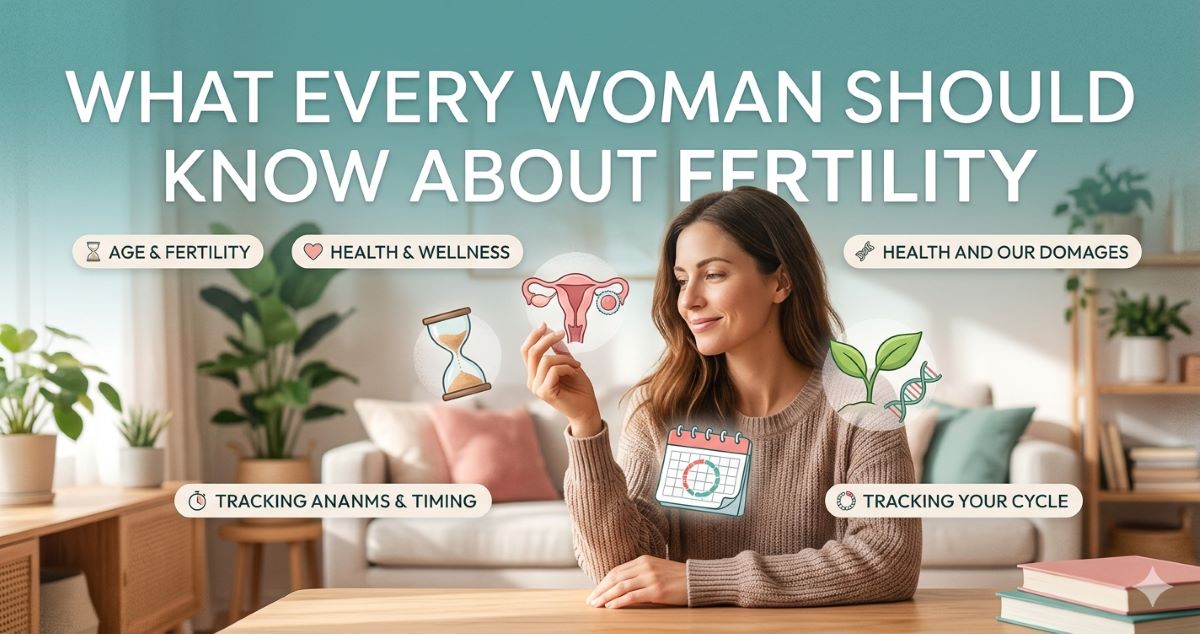
For many women, the decision to start a family is one of life’s most exciting milestones. However, fertility is often misunderstood, with many assuming that pregnancy will happen naturally whenever they are ready. While this is true for some, fertility is influenced by a variety of factors including age, hormonal health, lifestyle habits, medical conditions, and overall well-being.
Understanding your fertility before planning a pregnancy can help you make informed choices, identify potential challenges early, and take proactive steps toward a healthier future. Whether you are planning to conceive soon or considering pregnancy years down the road, learning about your reproductive health is one of the most valuable investments you can make.
Understanding Fertility
Fertility refers to the ability to conceive and carry a pregnancy. It depends on several biological processes working together effectively, including regular ovulation, healthy reproductive organs, balanced hormones, and good overall health.
Many women are surprised to learn that fertility is not solely determined by age. While age plays a significant role, factors such as nutrition, stress levels, sleep quality, chronic health conditions, and reproductive disorders can also impact fertility.
Why Age Matters
Women are born with all the eggs they will ever have. As women age, both the quantity and quality of these eggs gradually decline.
In general:
Fertility is highest during the 20s and early 30s.
Fertility begins to gradually decline after age 30.
The decline becomes more noticeable after age 35.
By the early 40s, natural conception becomes significantly more challenging for many women.
This does not mean pregnancy is impossible later in life, but understanding age-related fertility changes can help women make informed reproductive decisions.
Know Your Menstrual Cycle
Your menstrual cycle offers valuable insights into your reproductive health.
A healthy cycle typically indicates that ovulation is occurring regularly. Tracking your cycle can help you understand:
Cycle length and regularity
Ovulation timing
Changes in symptoms
Hormonal patterns
Irregular periods, missed periods, extremely heavy bleeding, or severe menstrual pain may sometimes indicate underlying conditions that deserve medical attention.
Hormonal Health and Fertility
Hormones play a critical role in reproduction. They regulate ovulation, menstrual cycles, egg development, and pregnancy preparation.
Hormonal imbalances may affect fertility and can sometimes be linked to conditions such as:
Polycystic Ovary Syndrome (PCOS)
Thyroid disorders
Insulin resistance
Elevated stress hormones
Premature ovarian insufficiency
Common signs of hormonal imbalance include irregular periods, unexplained weight changes, acne, excessive hair growth, fatigue, and difficulty conceiving.
Lifestyle Factors That Influence Fertility
Daily habits can have a significant impact on reproductive health.
Nutrition
A balanced diet supports hormone production and reproductive function. Nutrient-rich foods containing iron, folate, protein, healthy fats, and antioxidants are particularly important.
Physical Activity
Regular exercise supports overall health and hormonal balance. However, excessive exercise without adequate nutrition may negatively affect ovulation.
Sleep
Poor sleep can disrupt hormonal regulation. Aim for consistent, high-quality sleep to support reproductive wellness.
Stress Management
Chronic stress may influence hormone levels and menstrual regularity. While stress alone does not usually cause infertility, managing stress can contribute to better overall health and well-being.
Common Fertility Warning Signs
Certain symptoms may indicate that it is time to seek medical advice:
Irregular or absent periods
Severe menstrual pain
Recurrent miscarriages
Diagnosed PCOS
Endometriosis symptoms
Pelvic infections
Thyroid disorders
Difficulty conceiving after trying for several months
Early evaluation can help identify potential concerns and provide access to appropriate support and treatment options.
Consider a Preconception Health Check
A preconception health assessment can provide valuable information about your overall reproductive health before pregnancy.
Healthcare professionals may evaluate:
Menstrual history
Hormone levels
Thyroid function
Nutritional status
Medical history
Lifestyle factors
These assessments can help identify areas for improvement and support a healthier pregnancy journey.
Fertility Is About More Than Pregnancy
Fertility health is an important part of overall women's health. Understanding your cycle, hormones, nutrition, and reproductive wellness can help you make informed decisions at every stage of life.
Rather than waiting until you are ready to conceive, taking a proactive approach to fertility awareness today can help you better understand your body, protect your reproductive health, and feel more confident about future family planning.
Final Thoughts
Planning for pregnancy begins long before conception. By understanding how age, hormones, lifestyle, and reproductive health influence fertility, women can take meaningful steps toward protecting their future fertility and improving their chances of a healthy pregnancy.
Knowledge is empowering. The more you understand your body today, the better prepared you will be for tomorrow's reproductive journey.
Frequently Asked Questions
Share this post
Comments (0)
No comments yet. Be the first to comment!