


Why Women Need a Different Health Strategy at Every Age
Women’s health needs change at every stage of life, from the teenage years to menopause and beyond. Hormones, metabolism, reproductive health, stress, and aging all influence how the body functions over time. Discover why age-specific wellness, hormonal balance, nutrition, mental health, and preventive care matter for long-term well-being and healthy aging.
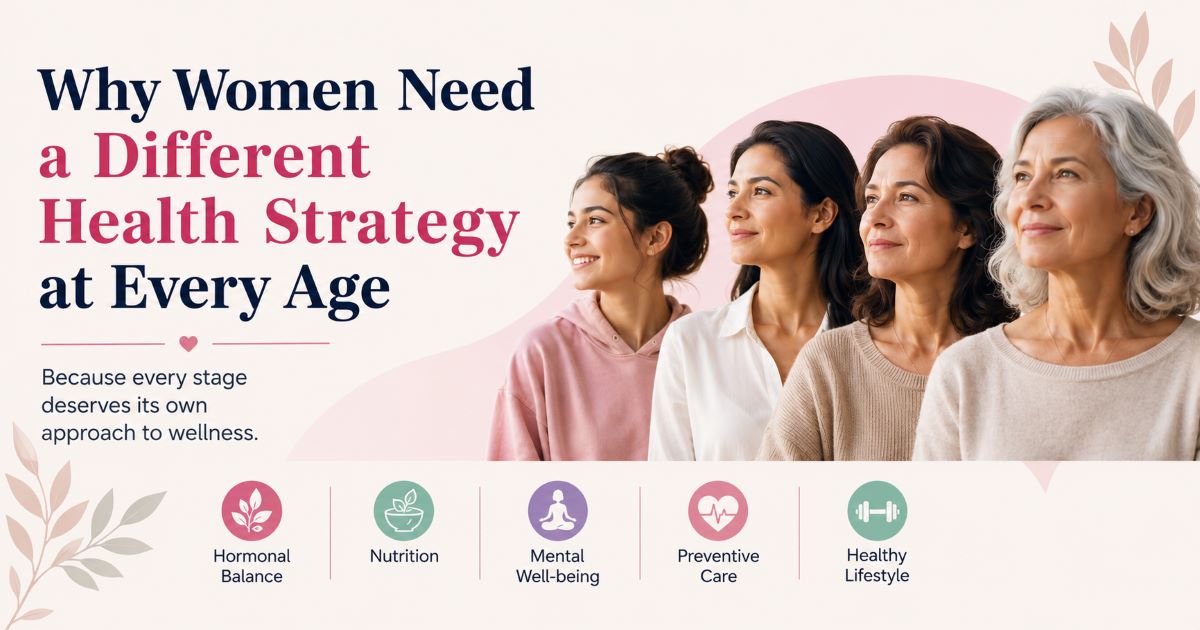
Women’s health is not static. The body changes constantly through different stages of life, influenced by hormones, metabolism, reproductive health, stress levels, lifestyle, and aging.
What works for a woman in her twenties may not support her body in her forties. Similarly, the health concerns of teenage girls are very different from those of women approaching menopause.
Yet many women are given generic health advice that ignores these changes.
Understanding how women’s health needs evolve with age can help create a more supportive, balanced, and realistic approach to long-term wellness.
Women’s Health Changes Throughout Life
From puberty to menopause and beyond, the female body goes through major physical and hormonal transitions.
These shifts can affect:
Energy levels
Metabolism
Mood
Skin health
Fertility
Bone strength
Sleep quality
Heart health
Mental well-being
Because each life stage brings different needs and risks, women benefit from adjusting their health habits over time instead of following the same routine forever.
Teenage Years: Building the Foundation
The teenage years are a critical time for physical growth, hormonal development, and emotional health.
During puberty, hormone levels fluctuate rapidly, which can lead to:
Acne
Irregular periods
Mood swings
Fatigue
Body image concerns
Many teenage girls also experience nutritional deficiencies due to poor eating habits, stress, or heavy menstrual cycles.
Key Health Priorities in the Teenage Years
Balanced Nutrition
Teen girls need enough iron, calcium, protein, and healthy fats to support growth and hormonal development.
Menstrual Health Awareness
Understanding menstrual cycles, painful periods, and hormonal symptoms early can help girls recognize when something may need medical attention.
Mental Health Support
Academic pressure, social expectations, and body image struggles can affect emotional well-being.
Physical Activity
Regular movement supports bone health, confidence, energy, and hormonal balance.
Twenties: Hormonal Health and Lifestyle Balance
The twenties are often associated with busy schedules, career building, irregular routines, and high stress levels.
Many women in this stage experience:
Stress and burnout
Sleep deprivation
Hormonal acne
PCOS symptoms
Digestive issues
Anxiety
This is also a time when reproductive health becomes more important for many women.
Key Health Priorities in Your Twenties
Stress Management
Chronic stress can affect hormones, digestion, sleep, and mental health.
Healthy Sleep Habits
Poor sleep impacts energy, metabolism, skin health, and hormone function.
Preventive Healthcare
Routine health checkups, blood tests, and gynecological care are important even when symptoms seem minor.
Nutrition and Gut Health
A balanced diet supports energy, fertility, skin health, and long-term wellness.
Thirties: Supporting Hormones and Preventing Burnout
In the thirties, women often juggle careers, relationships, parenting responsibilities, and increasing stress.
Hormonal shifts may become more noticeable during this phase.
Common concerns include:
Fatigue
Weight gain
Fertility challenges
Thyroid issues
Brain fog
Increased stress levels
Many women also begin noticing that their metabolism and energy recovery are no longer the same as they were in their twenties.
Key Health Priorities in Your Thirties
Hormonal Balance
Supporting hormones through sleep, nutrition, stress reduction, and exercise becomes increasingly important.
Strength and Muscle Health
Building muscle supports metabolism, bone health, and long-term mobility.
Mental Health Care
Emotional exhaustion and invisible mental load often increase during this stage.
Regular Health Monitoring
Checking thyroid levels, iron, vitamin D, and metabolic health can help identify hidden issues early.
Forties: Navigating Perimenopause
The forties are often a major hormonal transition period.
Many women begin entering perimenopause, the stage before menopause when estrogen and progesterone levels fluctuate significantly.
Symptoms may include:
Brain fog
Mood swings
Weight changes
Poor sleep
Irregular periods
Hot flashes
Anxiety
Fatigue
Unfortunately, many women are unprepared for these changes and may feel confused by symptoms that suddenly appear.
Key Health Priorities in Your Forties
Hormonal Support
Understanding perimenopause can help women manage symptoms more effectively.
Heart Health
Heart disease risk increases as estrogen levels decline.
Bone Health
Bone density naturally begins decreasing with age.
Stress and Recovery
The body may become more sensitive to chronic stress and lack of rest.
Fifties and Beyond: Healthy Aging and Longevity
After menopause, women experience lower estrogen levels, which affect multiple body systems.
This stage often brings changes in:
Bone strength
Muscle mass
Heart health
Joint health
Cognitive function
However, healthy aging is possible with the right lifestyle support.
Key Health Priorities After Fifty
Bone and Joint Support
Calcium, vitamin D, strength training, and mobility exercises become essential.
Brain Health
Mental stimulation, social connection, sleep, and nutrition support cognitive function.
Heart Health
Maintaining healthy blood pressure, cholesterol, and physical activity levels becomes increasingly important.
Emotional Well-Being
Many women begin prioritizing self-care, emotional balance, and quality of life during this stage.
Why Generic Health Advice Often Fails Women
Many women are told to:
“Just exercise more”
“Eat less”
“Stress less”
“Get more sleep”
While these suggestions may help, they often ignore the complex hormonal, emotional, and physical realities women experience at different ages.
Women’s health is influenced by:
Hormonal cycles
Pregnancy and postpartum changes
Perimenopause and menopause
Emotional labor
Nutritional needs
Sleep disruptions
Chronic stress
A personalized and age-aware approach is far more effective than one-size-fits-all advice.
The Importance of Listening to Your Body
One of the most important things women can do is stop ignoring persistent symptoms.
Fatigue, painful periods, brain fog, mood changes, digestive issues, and sleep problems are often dismissed as “normal,” but they can signal deeper imbalances that deserve attention.
Every stage of life requires different kinds of support — and women deserve healthcare conversations that recognize those changing needs.
Final Thoughts
Women need different health strategies at every age because the female body is constantly evolving.
From hormonal shifts and reproductive health to metabolism, mental well-being, and aging, each stage of life brings unique challenges and opportunities for better health.
Instead of following the same health advice forever, women benefit most from understanding what their body needs in each phase of life.
Supporting women’s health means recognising that wellness is not one-size-fits-all — and that every age deserves its own approach to care, balance, and well-being.
References
National Institute on Aging (NIA) – Healthy Aging
Disclaimer
This content is for informational and educational purposes only and is not intended as medical advice, diagnosis, or treatment. Women’s health needs vary based on age, medical history, lifestyle, and individual conditions. Always consult a qualified healthcare professional for personalized medical guidance or persistent symptoms.
Frequently Asked Questions
Share this post
Comments (0)
No comments yet. Be the first to comment!