


Women’s Health Awareness: Empowering Women Through Knowledge & Preventive Care
Women’s health awareness plays a vital role in empowering women to prioritize their physical, mental, and emotional well-being. From preventive healthcare and hormonal balance to mental wellness and lifestyle management, awareness helps women make informed health decisions and lead healthier lives.
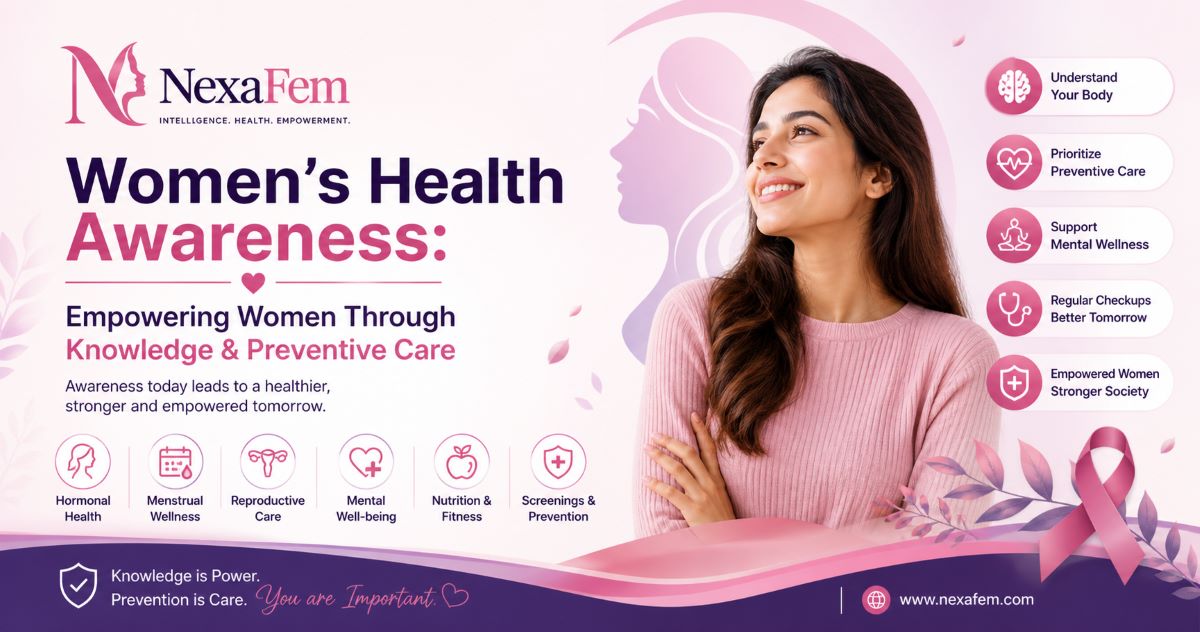
Women’s health awareness is essential for creating a healthier, stronger, and more informed society. Across every stage of life, women experience unique physical, emotional, and hormonal changes that require proper care, attention, and awareness. However, many women still ignore early symptoms, delay medical consultations, or lack access to reliable healthcare information.
Raising awareness about women’s health encourages early diagnosis, preventive care, healthier lifestyles, and open conversations about topics that are often overlooked. It empowers women to prioritize their well-being and make informed healthcare decisions with confidence.
Why Women’s Health Awareness Matters
Women often balance multiple responsibilities including careers, education, family, and caregiving. In the process, personal health is frequently neglected. Lack of awareness can lead to untreated conditions and long-term health complications.
Health awareness helps women:
Understand their bodies better
Recognize symptoms at an early stage
Seek timely medical care
Improve mental and physical wellness
Build healthier lifestyle habits
Reduce health risks through preventive care
Awareness is the first step toward prevention, empowerment, and long-term wellness.
Understanding Common Women’s Health Challenges
1. Hormonal and Menstrual Health
Hormonal balance affects nearly every aspect of a woman’s health, including mood, energy levels, metabolism, sleep, skin health, and reproductive wellness.
Conditions such as:
PCOS (Polycystic Ovary Syndrome)
Endometriosis
Thyroid disorders
Irregular menstrual cycles
Hormonal imbalances
are becoming increasingly common among women of all ages.
Unfortunately, many women normalize symptoms like severe cramps, fatigue, irregular periods, or mood swings without realizing they may indicate underlying health issues. Increasing awareness about menstrual and hormonal health helps women seek proper care at the right time.
2. Mental Health and Emotional Well-Being
Mental health is an important part of overall wellness but is often overlooked in women’s healthcare discussions. Stress, anxiety, depression, emotional burnout, and hormonal fluctuations can significantly affect mental and emotional health.
Modern lifestyles, workplace pressure, social expectations, and personal responsibilities contribute to rising mental health concerns among women.
Promoting awareness encourages:
Open conversations about emotional health
Reduced stigma around mental healthcare
Better stress management practices
Access to emotional and professional support
Increased self-care and mindfulness
A healthy mind is just as important as a healthy body.
3. Breast and Cervical Health Awareness
Breast cancer and cervical cancer remain among the most common health concerns affecting women globally. Early detection through regular screenings and self-examinations can greatly improve treatment success rates.
Women should prioritize:
Breast self-examinations
Routine gynecological checkups
Mammograms when recommended
HPV awareness and cervical screenings
Preventive screenings play a crucial role in protecting long-term health and saving lives.
4. Nutrition, Fitness, and Lifestyle
A balanced lifestyle is one of the strongest foundations for women’s wellness. Proper nutrition, regular physical activity, hydration, sleep, and stress management all contribute to better hormonal balance and overall health.
Healthy lifestyle habits include:
Eating nutrient-rich foods
Staying physically active
Drinking enough water
Maintaining healthy sleep schedules
Practicing stress management and self-care
Small lifestyle improvements can create long-term positive health outcomes.
The Importance of Preventive Healthcare
Preventive healthcare focuses on maintaining wellness before serious health conditions develop. Regular health checkups, screenings, vaccinations, and early interventions help reduce health risks and improve quality of life.
Preventive care benefits include:
Early diagnosis of diseases
Reduced long-term health complications
Better treatment outcomes
Lower healthcare risks
Improved overall wellness
Shifting from reactive healthcare to proactive wellness management is essential for building healthier communities.
Breaking the Stigma Around Women’s Health
In many societies, discussions around menstruation, reproductive health, fertility, menopause, and mental health are still considered taboo. Because of this stigma, many women hesitate to discuss symptoms openly or seek medical guidance.
Creating awareness helps normalize conversations around women’s health and encourages women to seek support without fear or embarrassment.
Education, healthcare accessibility, and supportive communities are key to eliminating stigma and promoting health equality.
The Role of Technology in Women’s Healthcare
Technology is transforming the future of women’s healthcare by making wellness solutions more personalized, accessible, and data-driven.
Modern digital health platforms help women:
Track menstrual and hormonal health
Monitor wellness patterns
Access personalized health insights
Receive preventive care reminders
Connect with healthcare professionals more efficiently
Innovative healthcare platforms like NexaFem are empowering women with smarter tools and reliable health information to support their wellness journey.
Building a Healthier Future for Women
Women’s health awareness is not just a healthcare issue—it is a social responsibility. Families, workplaces, educational institutions, healthcare providers, and communities all play a role in supporting women’s wellness.
By promoting awareness, education, preventive healthcare, and open communication, society can empower women to live healthier, more confident, and balanced lives.
When women prioritize their health, entire communities benefit from stronger families, healthier lifestyles, and improved well-being.
Conclusion
Women’s health awareness is about empowering women through knowledge, support, and access to better healthcare solutions. From physical wellness and hormonal balance to emotional well-being and preventive care, awareness enables women to take control of their health with confidence.
As awareness continues to grow, women are becoming more informed, proactive, and engaged in their healthcare journey. Through education, technology, preventive care, and supportive communities, we can create a future where every woman has the opportunity to live a healthier and more empowered life.
Share this post
Comments (0)
No comments yet. Be the first to comment!