
Can Stress Delay Your Period? The Science Explained
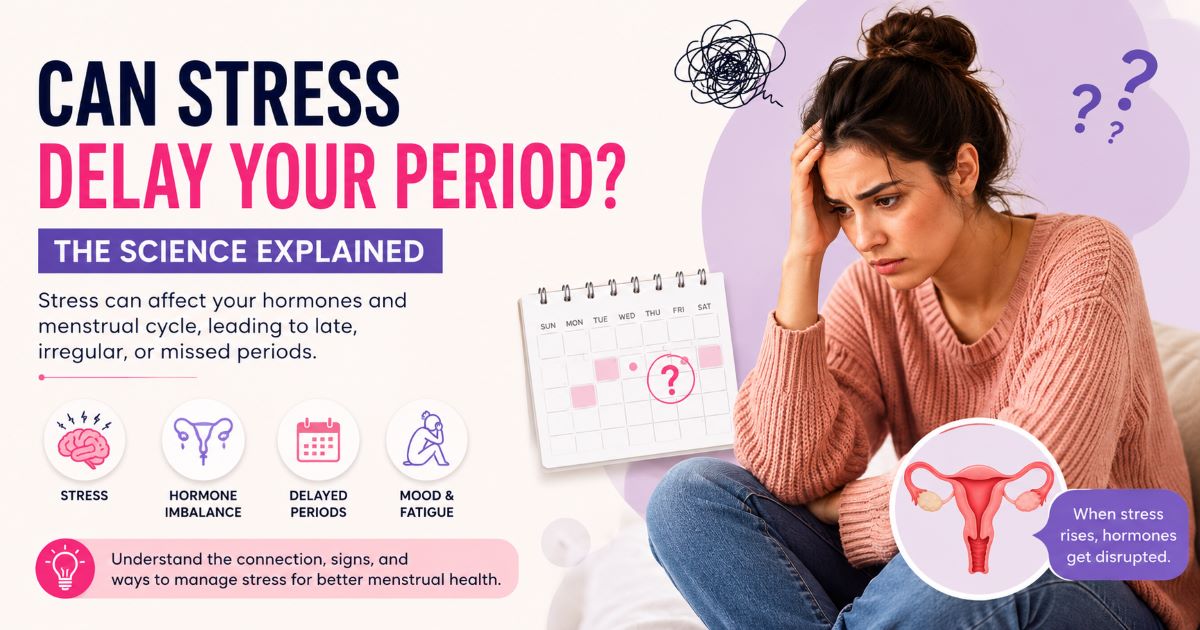
Feeling stressed and noticing your period is late? You're not imagining it. Stress can affect the hormones that regulate your menstrual cycle, sometimes causing delayed, irregular, or even missed periods. Understanding the connection between stress and your cycle can help you manage both your reproductive health and overall well-being.
A late period can be frustrating and worrying, especially if your cycle is usually regular. While pregnancy is often the first thing that comes to mind, it's not the only possible cause. One factor many people overlook is stress.
Whether it's work deadlines, exams, relationship challenges, financial concerns, or major life changes, stress can have a significant impact on your body—including your menstrual cycle.
The good news? In many cases, stress-related period changes are temporary and improve once stress levels decrease.
How Your Menstrual Cycle Works
Your menstrual cycle is controlled by a delicate balance of hormones. The brain and reproductive organs work together through a system known as the hypothalamic-pituitary-ovarian (HPO) axis.
Each month, this system regulates:
Hormone production
Ovulation
The buildup of the uterine lining
Menstruation
When everything is functioning normally, your period arrives on a predictable schedule. However, physical or emotional stress can disrupt this process.
The Science Behind Stress and Delayed Periods
When you're stressed, your body releases hormones such as cortisol and adrenaline. These hormones are part of your body's natural "fight-or-flight" response.
While this response is helpful in short-term situations, ongoing stress can interfere with the hypothalamus—the area of the brain responsible for regulating reproductive hormones.
As cortisol levels rise, the signals that control ovulation may become disrupted. This can result in:
Delayed ovulation
A longer menstrual cycle
Irregular periods
Missed periods in some cases
Simply put, when your body perceives stress as a priority, reproductive functions may temporarily take a back seat.
Common Types of Stress That Can Affect Your Period
Stress doesn't always come from one obvious source. Several situations can impact your cycle, including:
Emotional Stress
Anxiety
Relationship difficulties
Family conflicts
Grief or loss
Physical Stress
Illness or infection
Lack of sleep
Overtraining or excessive exercise
Rapid weight changes
Lifestyle Stress
Work pressure
Academic deadlines
Financial concerns
Moving to a new city
Major life transitions
Signs That Stress May Be Affecting Your Cycle
If stress is influencing your menstrual cycle, you may also notice:
Trouble sleeping
Mood swings
Fatigue
Difficulty concentrating
Increased anxiety
Changes in appetite
Frequent headaches
These symptoms often appear alongside delayed or irregular periods.
How Long Can Stress Delay a Period?
There's no single answer because every body responds differently.
Mild stress may delay a period by a few days.
Moderate to severe stress can delay it for several weeks.
Chronic stress may contribute to ongoing menstrual irregularities.
Once stress levels decrease and hormone balance is restored, periods often return to their normal pattern.
Other Reasons Your Period Might Be Late
Although stress is a common cause, it's important to consider other possibilities, such as:
Pregnancy
Polycystic Ovary Syndrome (PCOS)
Thyroid disorders
Hormonal birth control changes
Significant weight loss or gain
Perimenopause
Certain medications
If your periods are consistently irregular or absent, a healthcare provider can help identify the underlying cause.
Simple Ways to Manage Stress
Reducing stress may help support hormonal balance and menstrual health.
Prioritize Sleep
Aim for 7–9 hours of quality sleep each night.
Stay Active
Moderate activities such as walking, yoga, or cycling can help reduce stress hormones.
Practice Mindfulness
Meditation, deep breathing, and relaxation exercises can improve stress management.
Eat a Balanced Diet
A nutrient-rich diet supports both hormone health and overall wellness.
Make Time for Yourself
Taking regular breaks and engaging in activities you enjoy can help lower stress levels.
When Should You See a Doctor?
Consider speaking with a healthcare professional if:
Your period is more than three months late.
You frequently miss periods.
You experience severe pain or unusual symptoms.
You think you may be pregnant.
Menstrual changes are affecting your quality of life.
Professional guidance can help rule out underlying medical conditions and provide appropriate treatment if needed.
Final Thoughts
Yes, stress can delay your period. When stress levels rise, the hormones that regulate your menstrual cycle can become disrupted, leading to delayed or irregular periods. While occasional changes are usually nothing to worry about, persistent cycle irregularities should be evaluated by a healthcare professional.
Taking steps to manage stress not only supports menstrual health but can also improve your overall physical and emotional well-being.
Medical Disclaimer
This article is for informational and educational purposes only and should not be considered medical advice, diagnosis, or treatment. Always consult a qualified healthcare professional regarding any concerns about your menstrual cycle, reproductive health, or overall health. Never ignore professional medical advice or delay seeking treatment because of information you have read online.
References & Resources
Frequently Asked Questions
Share this post
Comments (0)
No comments yet. Be the first to comment!