
Early Signs of Perimenopause Explained: Symptoms, Causes & What to Expect
Learn the early signs of perimenopause, common symptoms, causes, diagnosis, and lifestyle strategies to support hormonal health.

Have you noticed changes in your menstrual cycle, sleep patterns, mood, or energy levels and wondered if something hormonal might be happening?
Many women are surprised to learn that menopause doesn't begin suddenly. Instead, the body gradually transitions through a stage known as perimenopause. During this time, hormone levels fluctuate, often causing symptoms that can feel confusing, unpredictable, and sometimes frustrating.
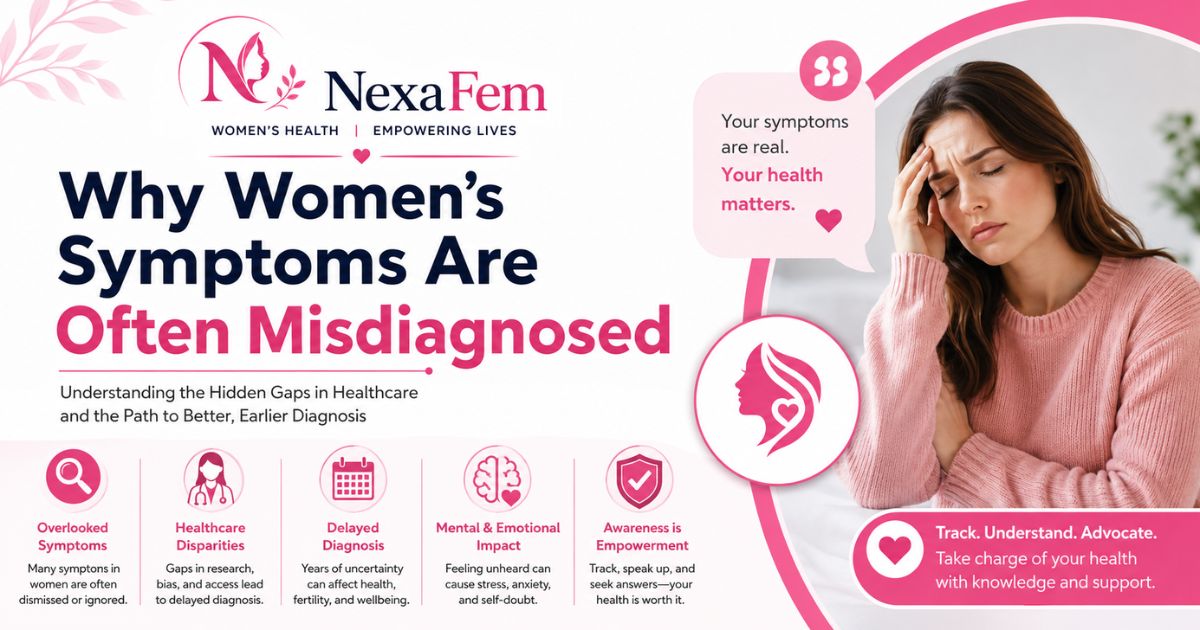
The challenge is that many perimenopause symptoms are often mistaken for stress, aging, burnout, or other health conditions. As a result, women may spend years wondering why they no longer feel like themselves.
Understanding the early perimenopause symptoms can help you recognize changes sooner, seek appropriate support, and take proactive steps to protect your long-term health.
At NexaFem, we believe that hormonal intelligence starts with awareness. The earlier women understand their bodies, the better equipped they are to make informed health decisions.
Quick Summary (TL;DR)
Perimenopause is the transitional phase before menopause, often beginning in a woman's 40s, though it can start earlier.
Common signs of perimenopause in women include irregular periods, mood changes, sleep disturbances, hot flashes, and changes in energy levels.
Hormonal fluctuations involving estrogen and progesterone drive most symptoms.
Lifestyle changes, preventive healthcare, and medical guidance can help manage symptoms effectively.
Persistent or severe symptoms should be evaluated by a healthcare professional.
What Is Perimenopause?
Perimenopause is the natural transition leading up to menopause. During this stage, the ovaries gradually produce less estrogen and progesterone.
Menopause is officially diagnosed after 12 consecutive months without a menstrual period. Perimenopause occurs before this milestone and can last several years.
According to guidance from the NHS and ACOG, perimenopause commonly begins in the mid-to-late 40s but may start earlier in some women.
How Long Does Perimenopause Last?
Most women experience perimenopause for approximately 4 to 8 years, although the duration varies significantly from person to person.
Some women notice only mild symptoms, while others experience more substantial hormonal changes.
What Are the First Signs of Perimenopause?
One of the most common questions women ask is:
What are the first signs of perimenopause?
The earliest symptoms often involve changes in menstrual patterns. However, symptoms can affect many aspects of physical and emotional health.
Common first signs of perimenopause include:
Irregular menstrual cycles
Changes in period flow
Mood fluctuations
Sleep disturbances
Increased fatigue
Hot flashes
Night sweats
Reduced concentration
Breast tenderness
Changes in libido
These symptoms may come and go as hormone levels fluctuate.
Common Perimenopause Symptoms
Irregular Periods
Changes in menstrual cycles are often the earliest and most noticeable symptom.
You may experience:
Longer cycles
Shorter cycles
Heavier bleeding
Lighter bleeding
Missed periods
Irregular ovulation is typically responsible for these changes.
Hot Flashes and Night Sweats
Declining estrogen levels can affect the body's temperature regulation system.
Women may experience:
Sudden warmth in the face, neck, or chest
Sweating episodes
Chills after a hot flash
Nighttime sweating that disrupts sleep
Sleep Problems
Many women report difficulty sleeping during perimenopause.
This may include:
Trouble falling asleep
Frequent waking
Early morning awakening
Reduced sleep quality
Hormonal changes, anxiety, and night sweats can all contribute.
Mood Changes
Fluctuating hormones can influence emotional well-being.
Women may notice:
Irritability
Increased anxiety
Mood swings
Lower stress tolerance
Feelings of sadness
The connection between hormonal health and emotional wellness is often underestimated.
Brain Fog and Difficulty Concentrating
Many women describe experiencing:
Forgetfulness
Difficulty focusing
Reduced mental clarity
Trouble multitasking
These symptoms are common and often improve with appropriate support.
Fatigue and Low Energy
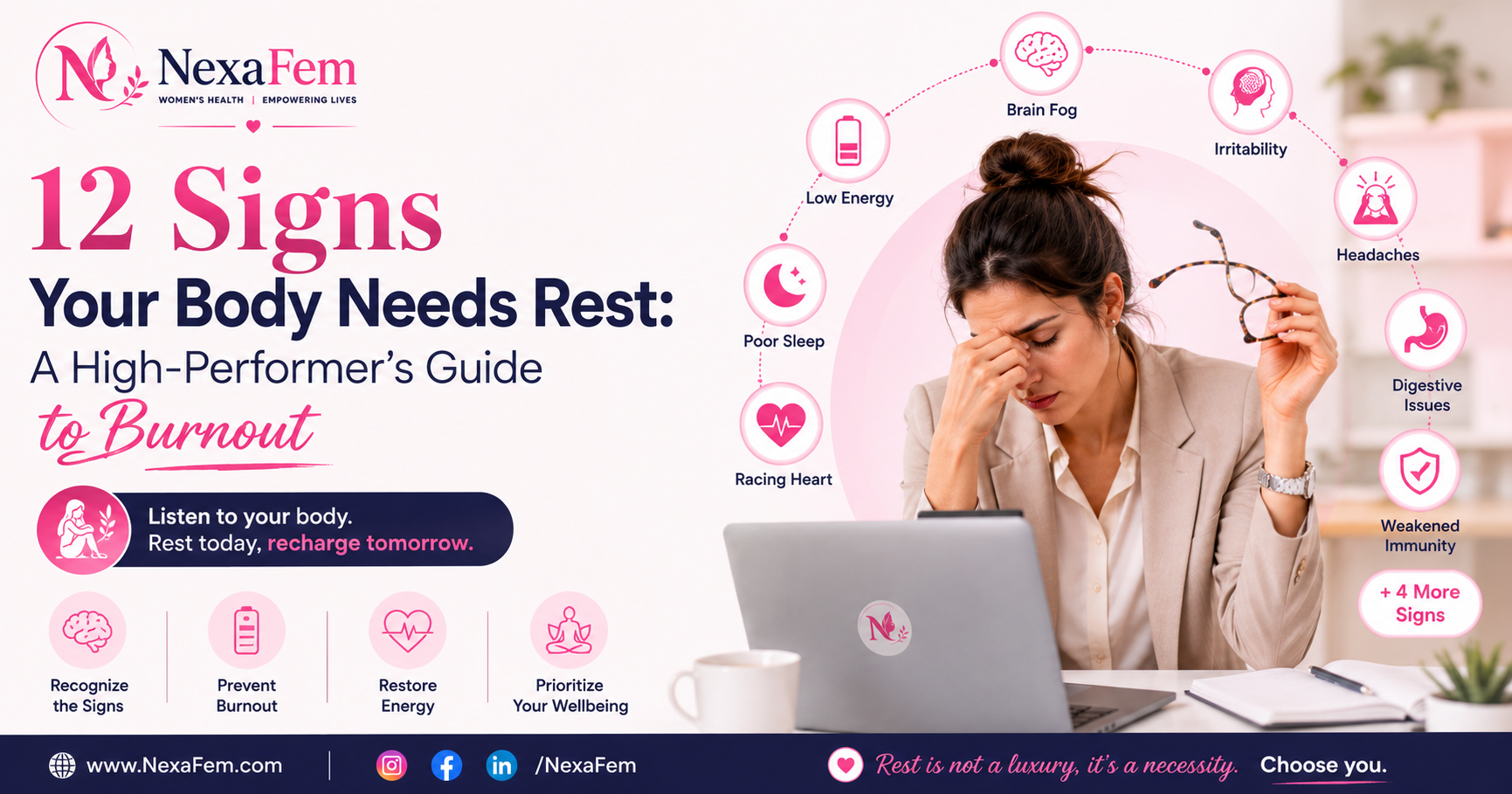
Hormonal fluctuations and poor sleep frequently contribute to fatigue.
Women may feel:
Less energetic
Mentally exhausted
Less motivated than usual
Vaginal and Urinary Changes
Lower estrogen levels may affect vaginal and urinary health.
Symptoms may include:
Vaginal dryness
Discomfort during intimacy
Increased urinary urgency
More frequent urinary tract infections
Changes in Libido
Some women experience decreased sexual desire, while others notice little change.
Contributing factors may include:
Hormonal shifts
Fatigue
Stress
Sleep disruption
Why Do Perimenopause Symptoms Occur?
Perimenopause symptoms occur primarily because estrogen and progesterone levels fluctuate unpredictably.
These hormones influence:
Menstrual cycles
Brain function
Sleep regulation
Mood
Bone health
Cardiovascular health
Metabolism
Reproductive health
As hormone levels change, multiple body systems may be affected simultaneously.
Risk Factors for Earlier Perimenopause
Certain factors may increase the likelihood of experiencing symptoms earlier.
These include:
Family history
Smoking
Certain autoimmune conditions
Previous ovarian surgery
Cancer treatments affecting the ovaries
The CDC and other health organizations emphasize that lifestyle factors can influence overall reproductive health and symptom severity.
How Is Perimenopause Diagnosed?
There is no single test that definitively diagnoses perimenopause.
Healthcare providers typically consider:
Age
Menstrual history
Symptoms
Medical history
In some cases, blood tests may be ordered to evaluate hormone levels or rule out other conditions such as thyroid disorders.
Women tracking symptoms through a hormone symptom tracker or menstrual health tracker may find it easier to identify patterns and discuss concerns with their healthcare provider.
Mental Health and Emotional Well-Being During Perimenopause
Perimenopause can affect emotional health as much as physical health.
Many women report:
Increased anxiety
Reduced confidence
Feeling overwhelmed
Emotional sensitivity
Hormonal fluctuations can influence neurotransmitters involved in mood regulation.
If symptoms begin affecting daily life, relationships, or work performance, professional support can be valuable.
Mental wellness is an essential component of preventive women's healthcare.
Lifestyle Support for Perimenopause
Although perimenopause cannot be prevented entirely, healthy lifestyle habits may help support overall well-being.
Prioritize Sleep
Aim for consistent sleep schedules and good sleep hygiene.
Helpful habits include:
Limiting caffeine late in the day
Reducing screen exposure before bedtime
Maintaining a cool sleeping environment
Stay Physically Active
Regular exercise may support:
Mood
Bone health
Heart health
Weight management
Sleep quality
Both aerobic exercise and strength training offer benefits.
Manage Stress
Chronic stress can worsen symptom perception and overall well-being.
Helpful approaches include:
Mindfulness
Meditation
Yoga
Deep breathing exercises
Counseling when needed
Support Hormonal Health Through Nutrition
A balanced diet may help support overall health during perimenopause.
Focus on:
Fruits and vegetables
Whole grains
Lean protein
Healthy fats
Calcium-rich foods
Vitamin D sources
Women interested in optimizing their diet may benefit from learning about foods that support hormonal balance and nutrition for healthy aging in women.
Treatment Options
Treatment depends on symptom severity and individual health factors.
Options may include:
Hormone Therapy
Hormone therapy may help relieve moderate to severe symptoms in some women.
Benefits and risks should be discussed with a qualified healthcare professional.
Guidance from organizations such as ACOG and NICE supports individualized decision-making.
Non-Hormonal Treatments
Some women may benefit from:
Lifestyle interventions
Cognitive behavioral therapy
Prescription medications for specific symptoms
Treatment plans should always be personalized.
Common Mistakes Women Make
Many women unintentionally delay support by:
Assuming symptoms are "just stress"
Ignoring persistent changes
Self-diagnosing without medical evaluation
Believing they are too young for perimenopause
Waiting until symptoms become severe
Early awareness often leads to better outcomes and improved quality of life.
When Should You See a Doctor?
Consider speaking with a healthcare professional if:
Symptoms interfere with daily life
Sleep disruption becomes significant
Mood changes feel overwhelming
Menstrual changes become concerning
You experience persistent pelvic pain
Early evaluation can help identify underlying causes and appropriate management options.
Red Flag Symptoms
While many changes are normal during perimenopause, some symptoms require prompt medical attention.
Seek medical evaluation if you experience:
Very heavy bleeding
Bleeding between periods
Bleeding after sexual intercourse
Severe pelvic pain
Unexplained weight loss
New breast changes
These symptoms may have causes unrelated to perimenopause and should not be ignored.
Can Perimenopause Start in Your 30s?
Yes, although less common.
Some women experience early perimenopause symptoms in their late 30s.
If symptoms occur at a younger age, medical evaluation is important to rule out other hormonal or reproductive health conditions.
Final Thoughts
The transition into perimenopause is a natural stage of life, but that does not mean women should struggle through it without support.
Recognizing the signs of perimenopause in women can help you better understand your body, seek guidance when needed, and make informed decisions about your health.
The most important message is this: your symptoms are real, your experiences matter, and early awareness can make a meaningful difference.
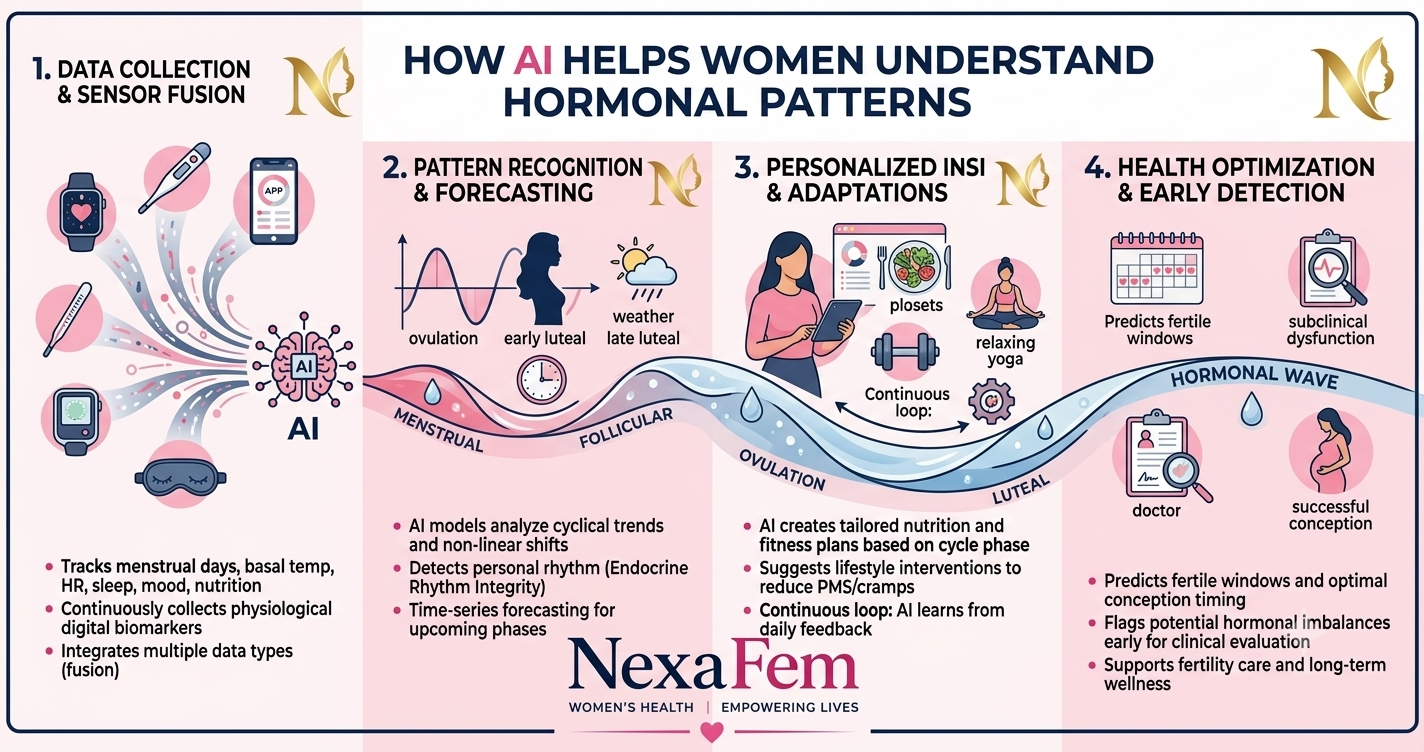
As women's healthcare continues to evolve, tools that support hormonal intelligence, symptom tracking, personalized wellness insights, and preventive health monitoring may help women navigate this transition with greater confidence and clarity.
At NexaFem, we believe that empowering women with knowledge is one of the most powerful forms of preventive healthcare.
Sources & References
National Health Service (NHS) – Menopause and Perimenopause
https://www.nhs.uk/conditions/menopause/
American College of Obstetricians and Gynecologists (ACOG) – The Menopause Years
https://www.acog.org/womens-health
National Institute for Health and Care Excellence (NICE) – Menopause Guidance
https://www.nice.org.uk/guidance
Centers for Disease Control and Prevention (CDC) – Women's Health and Menopause Resources
https://www.cdc.gov/women
World Health Organization (WHO) – Women's Health Resources
https://www.who.int/health-topics/womens-health
Disclaimer
This article is intended for informational and educational purposes only and should not be considered medical advice. The information provided does not replace professional medical evaluation, diagnosis, or treatment. Always consult a qualified healthcare professional, gynecologist, or licensed medical practitioner regarding any symptoms, health concerns, or treatment decisions related to perimenopause or other medical conditions.
Frequently Asked Questions
Share this post
Comments (0)
No comments yet. Be the first to comment!