
Ayurveda for Fertility: Natural Ways to Support Reproductive Health
Explore Ayurveda for fertility, including nutrition, lifestyle, yoga, herbs, safety and evidence-informed ways to support reproductive health.
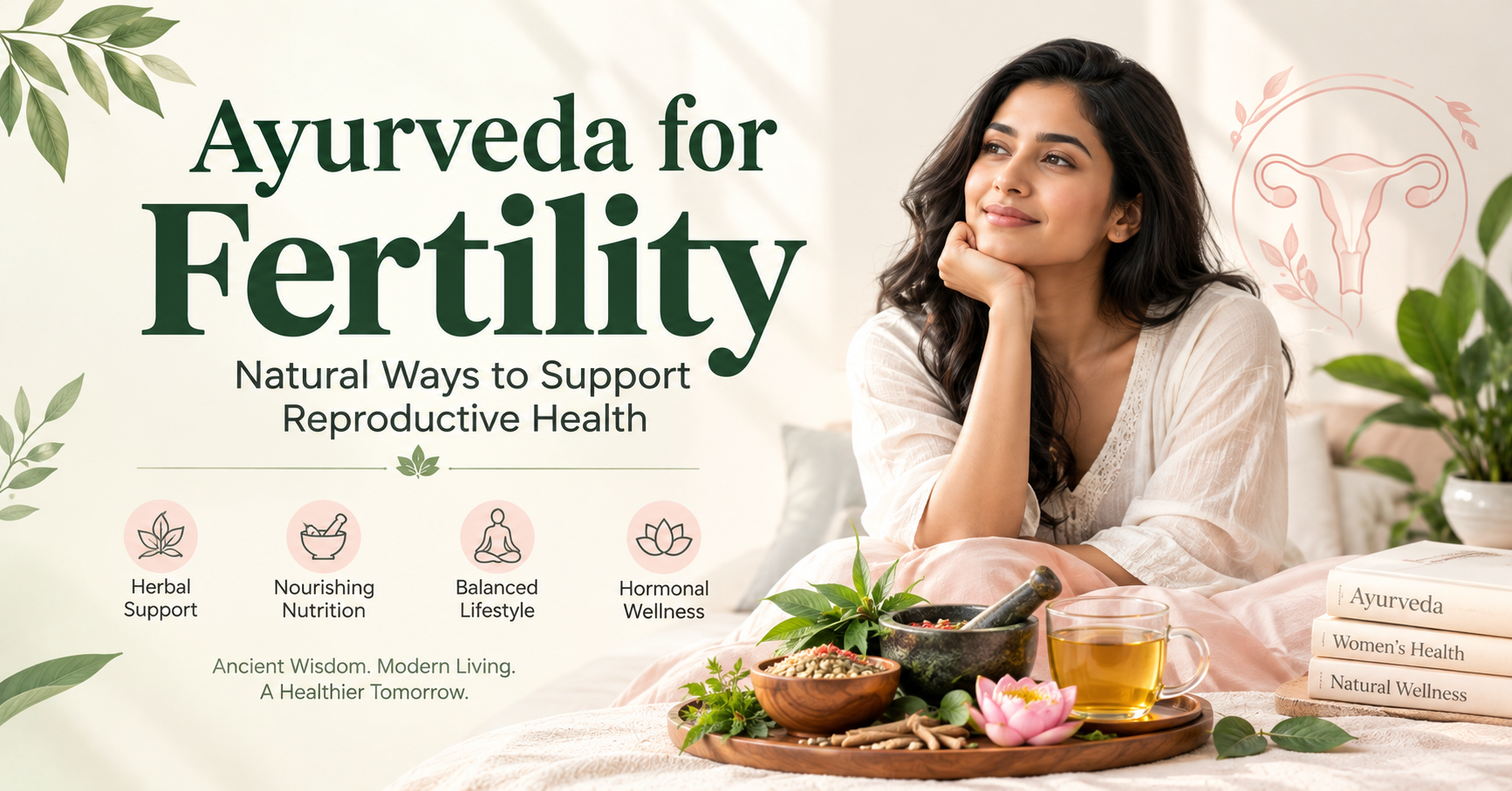
Ayurveda for Fertility: Natural Ways to Support Reproductive Health
Trying to conceive can bring a mixture of hope, excitement and uncertainty. When pregnancy does not happen as quickly as expected, many women naturally begin looking for ways to support their fertility through food, lifestyle, yoga, Ayurveda and traditional wellness practices.
Ayurveda offers a holistic perspective that looks beyond a single symptom. Traditional approaches place importance on nutrition, digestion, daily routines, mental well-being and overall balance. These principles can complement many healthy preconception habits.
But there is an important distinction between supporting reproductive health and treating infertility.
There is currently not enough high-quality clinical evidence to say that Ayurvedic medicines, herbs or therapies reliably increase a woman's chance of becoming pregnant. A 2024 systematic review of Ayurvedic interventions for infertility found only 14 studies involving 248 participants, with several being case reports, and concluded that larger, better-standardized research is needed to establish effectiveness and safety.
That does not mean every Ayurvedic practice is without value. Nutrition, movement, sleep, stress management and mindful daily routines can all be part of a healthy lifestyle.
The safest approach is to use Ayurveda as a complementary wellness framework, while keeping evidence-based fertility care at the centre.
Quick Summary
Ayurveda for fertility focuses on overall reproductive wellness through nutrition, lifestyle, daily routine, stress management and individualized care.
Some Ayurvedic herbs and therapies have been studied for fertility, but clinical evidence remains limited and inconsistent.
A healthy diet, adequate folate, regular physical activity, good sleep and avoidance of tobacco and alcohol are important parts of preconception health.
PCOS, endometriosis, ovulation problems, tubal conditions, age and male-factor infertility can affect conception and may require medical evaluation.
Ayurveda should complement—not replace—appropriate medical fertility evaluation and treatment.
What Does Ayurveda for Fertility Mean?
Ayurveda for fertility refers to using traditional Ayurvedic principles to support overall reproductive wellness through diet, lifestyle, daily routines, stress management and individualized care.
Traditional Ayurveda does not view reproductive health as being determined by one food or herb. Its broader framework considers digestion, nutrition, physical and mental well-being and the individual's overall state of health.
For a modern reader, some of these principles can overlap with established preconception health practices.
However, Ayurvedic concepts and modern reproductive medicine use different frameworks. Traditional concepts should therefore not automatically be interpreted as medically proven explanations for infertility.
Understanding Fertility from a Modern Medical Perspective
Fertility is influenced by many factors.
In women, fertility can be affected by:
Ovulation
Age
Ovarian function
Fallopian tube health
Uterine conditions
Endometriosis
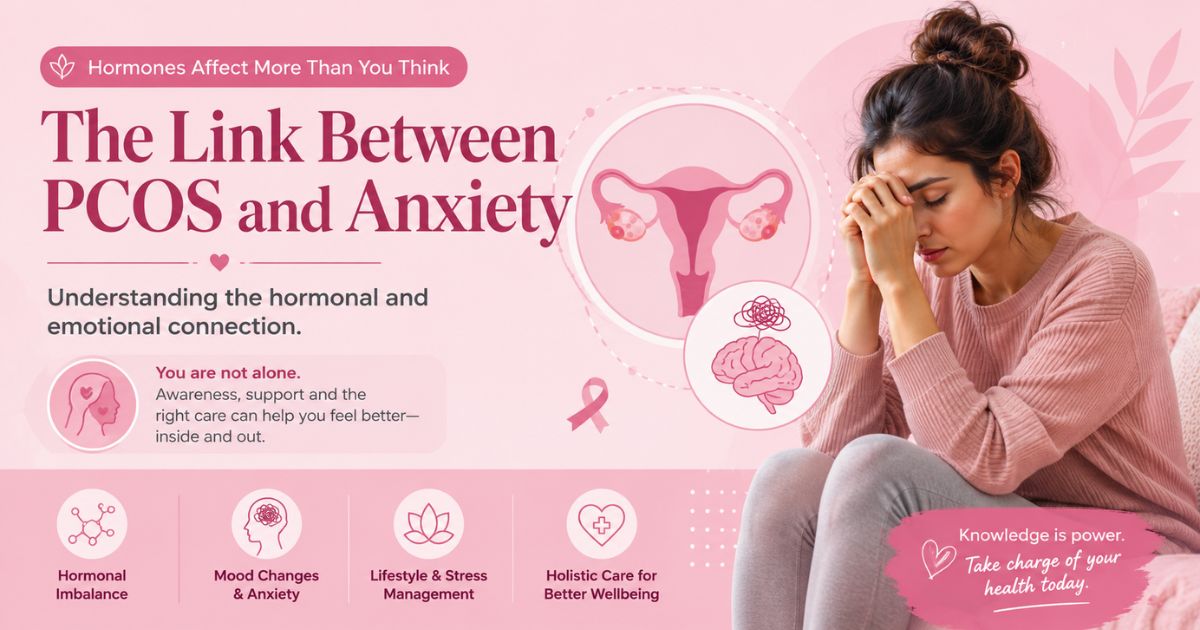
PCOS
Certain hormonal or endocrine conditions
Previous pelvic infections or surgery
Lifestyle and environmental factors
Male factors can also contribute substantially to difficulty conceiving.
WHO describes infertility as a disease of the reproductive system characterized by failure to achieve pregnancy after 12 months or more of regular unprotected sexual intercourse. It can result from female factors, male factors, a combination of both or unexplained causes.
This is important because fertility should not automatically be treated as solely a woman's responsibility.
The Ayurvedic Perspective on Reproductive Wellness
Traditional Ayurvedic perspective
Ayurveda traditionally approaches reproductive health through a broader understanding of physical balance, nourishment, digestion, lifestyle and mental well-being.
Traditional Ayurvedic texts discuss reproductive health in the context of overall health and preparation for conception. Contemporary Ayurvedic fertility care may therefore include dietary recommendations, lifestyle routines, yoga, meditation and individualized herbal preparations.
These practices can vary considerably depending on the practitioner and the individual's health.
What modern evidence says
Scientific research on complete Ayurvedic fertility protocols remains limited.
The 2024 systematic review mentioned earlier found potentially promising findings but also highlighted small sample sizes, limited standardized protocols and the need for more rigorous studies.
Therefore, claims that a particular Ayurvedic protocol can reliably restore fertility or guarantee pregnancy are not supported by sufficient evidence.
Practical takeaway
You can explore Ayurvedic lifestyle principles while maintaining realistic expectations and continuing appropriate medical care.
Nutrition: A Foundation for Fertility Wellness
One of the most useful ways to support reproductive health is to focus on overall nutritional quality rather than searching for one “fertility food.”
A balanced diet can include:
Vegetables and fruits
Whole grains
Lentils, beans and other pulses
Nuts and seeds
Adequate protein
Healthy fats
Dairy or suitable alternatives
Iron-rich foods
Folate-rich foods
Adequate fluids
Indian foods can easily fit into a fertility-supportive eating pattern. Dal, beans, vegetables, leafy greens, fruits, whole grains, nuts, seeds and curd or other suitable protein sources can all contribute valuable nutrients.
Folic acid is especially important
If you could become pregnant, evidence-based preconception care should include adequate folic acid.
The CDC recommends 400 micrograms of folic acid daily for women capable of becoming pregnant. Adequate folic acid before and during early pregnancy helps reduce the risk of neural tube defects.
This is an excellent example of how traditional wellness and modern preventive healthcare can coexist: Ayurveda may inform aspects of diet and lifestyle, while proven medical recommendations remain essential.
Ayurvedic Herbs and Fertility: What Should Women Know?
Herbs are often one of the first things women search for when looking into Ayurveda for fertility.
Commonly discussed Ayurvedic herbs include ingredients such as:
Ashwagandha
Shatavari
Guduchi
Lodhra
Turmeric
Certain classical Ayurvedic formulations
However, these should not be treated as interchangeable or automatically safe.
Traditional Ayurvedic perspective
Several herbs have long histories of use within Ayurvedic traditions for different aspects of women's health and general wellness.
Some Ayurvedic practitioners may use individualized formulations based on a person's constitution, symptoms and health history.
What modern evidence says
Evidence for herbal fertility treatments in women is still limited.
A major challenge is that research often involves small studies, different preparations and different doses. A result involving one standardized extract cannot necessarily be applied to every traditional preparation containing the same plant.
There is also limited evidence about long-term safety for many herbal products during preconception and pregnancy.
Practical takeaway
Do not start a multi-herb fertility formulation simply because it is labelled “natural.”
If you are trying to conceive, undergoing IVF, taking prescription medicines or could already be pregnant, discuss herbal products with your doctor and a qualified Ayurveda practitioner.
What About Shatavari for Fertility?
Shatavari is one of the Ayurvedic herbs frequently discussed in relation to women's reproductive wellness.
Traditional Ayurvedic perspective
Shatavari has a long history in Ayurvedic traditions and is traditionally associated with women's health and reproductive wellness.
What modern evidence says
Research into Shatavari and women's health is ongoing, but there is not enough high-quality evidence to conclude that Shatavari reliably improves fertility or pregnancy rates.
The quality, preparation and concentration of herbal products can also vary.
Practical takeaway
Shatavari should not be promoted as a guaranteed fertility-enhancing herb. If you are considering it while trying to conceive, seek individualized professional guidance.
Ayurveda for Fertility and PCOS
PCOS is a common condition associated with hormonal and metabolic changes and can affect ovulation.
For some women with PCOS, difficulty conceiving is related to irregular or absent ovulation.
Lifestyle management can be an important part of PCOS care. Healthy nutrition, physical activity, sleep and appropriate medical treatment may help address some aspects of the condition.
Ayurvedic approaches may also emphasize individualized diet and lifestyle practices.
But Ayurveda should not be presented as a cure for PCOS.
If irregular periods, excess androgen symptoms or difficulty conceiving suggest PCOS, proper medical evaluation is important. Addressing the underlying cause of irregular ovulation can be much more useful than simply adding herbal supplements.
Supporting Menstrual Health Before Pregnancy
Your menstrual cycle can provide useful information about reproductive health.
A predictable cycle does not guarantee fertility, but very irregular or absent periods may indicate that ovulation is not occurring regularly.
Possible reasons include:
PCOS
Thyroid disorders
Significant changes in body weight
Excessive exercise
Certain medications
Other endocrine conditions
Ayurvedic lifestyle practices such as regular meals, adequate rest, yoga and stress-management techniques may support general well-being.
But persistent menstrual irregularities deserve medical assessment rather than being attributed only to “hormonal imbalance.”
Sleep and Fertility Wellness
Sleep is sometimes overlooked when people focus on fertility diets and supplements.
Consistent, restorative sleep supports general physical and emotional health.
Try to build a routine around:
Consistent sleep and waking times
A relaxing evening routine
Limiting excessive late-night screen use
Regular daytime movement
A comfortable sleep environment
If you regularly struggle with insomnia, severe daytime sleepiness or another sleep problem, discuss it with a healthcare professional.
Stress Management, Yoga and Meditation
Trying to conceive can be emotionally demanding.
Stress should not be used to blame a woman for infertility. At the same time, practices that support emotional well-being can make the fertility journey more manageable.
Yoga, breathing exercises and meditation may be useful for relaxation and overall well-being. NCCIH notes that practices such as yoga and meditation are generally considered safe for healthy people when performed appropriately.
A simple approach
You might consider:
Gentle yoga
Slow breathing exercises
Meditation
Walking
Mindfulness
Time with supportive family or friends
These practices should be viewed as wellness tools, not guaranteed methods for increasing conception.
Dinacharya and Fertility
Dinacharya refers to daily routine in Ayurveda.
For women preparing for pregnancy, the modern practical interpretation can be simple: create consistent habits that support your overall health.
A sustainable routine might include:
Waking and sleeping at relatively consistent times.
Eating balanced meals regularly.
Staying physically active.
Taking time for relaxation.
Maintaining personal hygiene.
Attending recommended health appointments.
Taking evidence-based preconception nutrients when appropriate.
The goal is not perfection.
A healthy routine should make your life more sustainable, not create another source of pressure.
Ritucharya and Fertility
Ritucharya refers to seasonal lifestyle and dietary practices in Ayurveda.
Seasonal eating can encourage dietary variety and connection with locally available foods.
However, there is not enough clinical evidence to say that following a specific Ritucharya routine directly improves fertility.
You can use seasonal Ayurvedic principles as a culturally meaningful wellness practice while continuing to follow evidence-based nutritional and reproductive health recommendations.
Physical Activity and Reproductive Health
Regular physical activity is part of healthy living before pregnancy.
Walking, strength training, yoga, swimming and other suitable activities can support cardiovascular and metabolic health.
However, extremely intense exercise combined with inadequate nutrition can affect menstrual function in some women.
The appropriate level of activity depends on your health, nutritional status and existing exercise routine.
If you have irregular periods, unexplained weight changes or other concerns, speak with a healthcare professional rather than attempting to correct the problem through exercise alone.
Lifestyle Habits That Matter More Than a Single Herb
When preparing for pregnancy, several established health behaviours deserve more attention than any individual Ayurvedic supplement.
Avoid tobacco
Smoking is associated with reproductive problems and can make it more difficult to become pregnant. WHO also identifies tobacco use among factors associated with infertility.
Avoid alcohol when trying to conceive
The safest approach is to avoid alcohol when planning pregnancy and during pregnancy. CDC preconception guidance recommends stopping alcohol, smoking and certain drugs when preparing for pregnancy.
Review medications
Some medicines can affect pregnancy planning or pregnancy itself.
Do not stop prescribed medication on your own. Instead, discuss your medication list with your healthcare professional before conception.
Manage existing health conditions
Conditions such as diabetes, thyroid disorders, hypertension and PCOS may require appropriate management before pregnancy.
Preconception care provides an opportunity to review these conditions and optimize health.
Natural Does Not Automatically Mean Safe
This principle is particularly important when discussing Ayurveda.
Some Ayurvedic preparations may contain metals or minerals, and contamination or incorrect preparation can create safety concerns. NCCIH specifically warns that some Ayurvedic products have contained potentially toxic amounts of lead, mercury or arsenic.
This does not mean that every Ayurvedic product is unsafe.
It means that product quality, ingredients, preparation and professional guidance matter.
Be especially cautious about products marketed with claims such as:
“Guaranteed fertility”
“Permanent hormonal balance”
“100% natural infertility cure”
“Works without IVF”
“No medical treatment required”
These claims should be treated as warning signs.
Ayurveda During Fertility Treatment
Some women use Ayurveda while undergoing fertility treatment such as ovulation-induction therapy or IVF.
If you are receiving fertility treatment, tell your fertility specialist about every herb, supplement and traditional preparation you are taking.
This is important because supplements may interact with medicines or affect treatment decisions.
Ayurveda can potentially be incorporated as a complementary wellness approach, but coordination between healthcare professionals is important.
Do not stop fertility medicines or alter treatment schedules because of advice from an unqualified source.
When Should You See a Fertility Specialist?
Knowing when to seek help can prevent months or years of unnecessary uncertainty.
ACOG recommends an infertility evaluation after:
12 months of trying to conceive if you are under 35.
6 months of trying if you are over 35.
Women over 40 should discuss evaluation with an ob-gyn promptly.
Earlier evaluation may be appropriate if you have known or suspected conditions associated with infertility, such as irregular or absent periods, endometriosis, uterine or tubal disease or known male-factor fertility concerns.
Fertility evaluation should also involve the male partner when appropriate. Infertility can affect either partner or both.
Seeking help does not mean you have failed to conceive “naturally.” It means you are getting information that can help you make informed decisions.
Common Myths About Ayurveda and Fertility
Myth 1: Ayurveda can guarantee pregnancy.
Fact: No Ayurvedic herb or treatment has been proven to guarantee pregnancy.
Myth 2: Herbal fertility medicines are always safer than prescription medicines.
Fact: Herbal products can have side effects, interactions and quality-control concerns. “Natural” does not automatically mean safe.
Myth 3: PCOS can always be reversed naturally.
Fact: PCOS is a complex condition. Lifestyle changes can be helpful for many women, but treatment should be individualized.
Myth 4: Stress is the main reason women cannot conceive.
Fact: Infertility has many possible causes. Blaming yourself for stress is neither medically appropriate nor emotionally helpful.
Myth 5: You should try Ayurveda first and see a doctor later.
Fact: If you have fertility risk factors or have been trying for the recommended period, medical evaluation should not be delayed.
A Balanced Ayurveda-Informed Fertility Routine
For a woman interested in Ayurveda while preparing for pregnancy, a reasonable framework is:
Morning:
Begin with a consistent routine, hydration and a nutritious breakfast if appropriate for your eating pattern.Daytime:
Eat balanced meals, stay physically active and include vegetables, fruits, whole grains, pulses, nuts and seeds.Evening:
Create time for relaxation, gentle movement or meditation.Night:
Prioritize consistent, restorative sleep.Throughout the process:
Take evidence-based preconception nutrients, review medications, avoid tobacco and alcohol, and seek professional fertility care when appropriate.This approach is less about finding a “magic fertility herb” and more about creating a strong foundation for reproductive health.
Ayurveda offers a culturally meaningful and holistic approach to wellness that may complement healthy fertility habits.
Nutrition, daily routines, yoga, meditation, physical activity and stress management can all have a place in a woman's overall preconception lifestyle.
However, evidence for Ayurvedic medicines and fertility-specific treatments remains limited. Current research does not justify presenting Ayurveda as a guaranteed treatment for infertility.
If you are trying to conceive, focus on the fundamentals: balanced nutrition, adequate folic acid, healthy lifestyle habits, management of existing conditions and timely fertility evaluation.
Most importantly, remember that fertility is not a measure of your worth, and difficulty conceiving is not something you should blame yourself for.
A responsible approach combines traditional wisdom, modern evidence and individualized professional care.
Sources & References
World Health Organization — Infertility
WHO overview of infertility, causes, risk factors and fertility care. WHO: InfertilityWorld Health Organization — Guideline for the Prevention, Diagnosis and Treatment of Infertility
Global evidence-based guidance published in 2025. WHO Infertility GuidelineAmerican College of Obstetricians and Gynecologists — Evaluating Infertility
Guidance on when and how infertility evaluation should be considered. ACOG: Evaluating InfertilityAmerican Society for Reproductive Medicine — Fertility Evaluation of Infertile Women
Evidence-based recommendations for fertility evaluation and relevant risk factors. ASRM: Fertility EvaluationCDC — About Folic Acid
Current recommendation for 400 micrograms of folic acid daily for women capable of becoming pregnant. CDC: About Folic AcidCDC — Planning for Pregnancy
Evidence-based preconception guidance covering folic acid, tobacco, alcohol and other health considerations. CDC: Planning for PregnancyNCCIH — Ayurvedic Medicine: In Depth
Information about Ayurveda, evidence limitations and safety concerns surrounding some Ayurvedic preparations. NCCIH: Ayurvedic MedicinePubMed — Effectiveness of Ayurveda Intervention in the Management of Infertility: A Systematic Review
2024 systematic review evaluating the available evidence on Ayurvedic interventions for infertility. PubMed: Ayurveda and Infertility Systematic ReviewHealth Disclaimer
This article is intended for informational and educational purposes only. It is not a substitute for professional medical advice, diagnosis or treatment.
Ayurvedic practices and traditional concepts described here should not be interpreted as guaranteed treatments for infertility or reproductive health conditions. Scientific evidence for many Ayurvedic fertility interventions remains limited.
Do not stop, replace or modify prescribed medication, fertility treatment or medical care based on this article.
If you are trying to conceive, pregnant, breastfeeding, taking medication, undergoing fertility treatment or managing a chronic health condition, consult a qualified healthcare professional before starting herbal medicines or supplements.
For individualized Ayurvedic guidance, consult a qualified Ayurveda practitioner with appropriate experience in women's reproductive health and ensure that Ayurvedic care is appropriately coordinated with your medical treatment.
Frequently Asked Questions
Share this post
Comments (0)
No comments yet. Be the first to comment!