
The Gender Gap in Medical Research Explained: Why Women’s Health Has Been Overlooked
Learn how the gender gap in medical research affects women's health, diagnosis, treatment, and preventive care.
For generations, many women have experienced a frustrating reality: symptoms dismissed as stress, conditions diagnosed years later than expected, and treatments that do not always work as effectively as they should.
If you've ever wondered why some women's health concerns seem misunderstood, the answer often lies in a long-standing issue known as the gender gap in medical research.
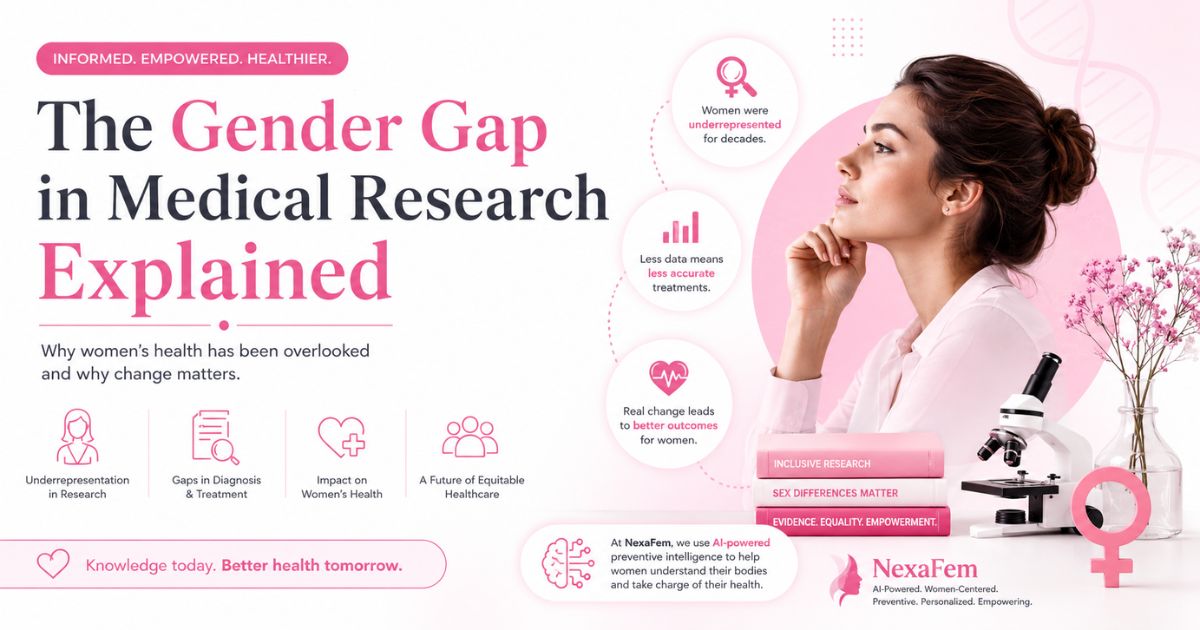
Historically, medical research has relied heavily on male participants, leading to gaps in our understanding of how diseases, medications, and treatments affect women differently. Although significant progress has been made, the effects of this imbalance still influence healthcare today.
Understanding this issue is not about assigning blame. It is about creating awareness, encouraging informed healthcare decisions, and supporting a future where women's health receives the attention it deserves.
At NexaFem, we believe that preventive healthcare begins with knowledge. The more women understand their bodies, symptoms, and health risks, the better equipped they are to advocate for themselves and seek timely care.
Quick Summary (TL;DR)
The gender gap in medical research refers to the historical underrepresentation of women in scientific and clinical studies.
This gap has contributed to delays in diagnosis, treatment differences, and ongoing women's healthcare inequalities.
Biological and hormonal factors can significantly influence disease symptoms, medication responses, and health outcomes.
Greater inclusion of women in research is helping improve healthcare quality and personalization.
Preventive healthcare, symptom tracking, and early intervention remain essential tools for women navigating healthcare systems.
What Is the Gender Gap in Medical Research?
The gender gap in medical research describes the unequal representation of women in medical studies and clinical trials throughout much of modern healthcare history.
For decades, many research studies primarily enrolled men. Researchers often assumed that findings from male participants could be applied equally to women.
However, we now know that this assumption is not always accurate.
Women and men can differ in:
Hormone levels
Metabolism
Immune system responses
Cardiovascular function
Pain perception
Medication processing
These biological differences can influence how diseases develop, how symptoms appear, and how treatments work.
According to guidance from organizations such as the World Health Organization (WHO), sex and gender are important determinants of health outcomes and should be considered throughout healthcare research and policy development. World Health Organization (WHO)
Why Were Women Historically Excluded From Clinical Trials?
One of the major reasons behind the underrepresentation of women in clinical trials was concern about potential pregnancy-related risks.
Following medication-related birth defect tragedies in the mid-20th century, researchers became increasingly cautious about including women of reproductive age in studies.
While intended as a protective measure, this approach created unintended consequences.
Researchers often lacked data about:
How medications affected women
Appropriate dosing for female patients
Hormonal influences on treatment outcomes
Long-term health risks unique to women
As a result, many healthcare decisions were based on evidence gathered primarily from male participants.
Over the past several decades, organizations such as the U.S. Food and Drug Administration (FDA), the National Institutes of Health (NIH), and international health bodies have implemented policies encouraging greater female participation in clinical research.
How Does This Affect Women's Health Today?
Delayed Diagnosis
Many health conditions can present differently in women compared with men.
For example, women experiencing heart disease may report:
Fatigue
Nausea
Shortness of breath
Back pain
Jaw pain
Instead of the classic chest pain commonly associated with heart attacks.
The U.S. Centers for Disease Control and Prevention (CDC) emphasizes that heart attack symptoms can differ significantly among women, making awareness especially important. CDC Heart Disease Information
Medication Differences
Research has shown that women may process medications differently due to:
Body composition
Hormonal fluctuations
Liver enzyme activity
Kidney function differences
Without adequate representation in clinical trials, these variations may not be fully understood before medications reach the broader population.
Chronic Pain Conditions
Conditions such as:
Endometriosis
Fibromyalgia
Migraine
Chronic fatigue syndromes
have historically faced diagnostic delays and under-recognition.
Many women report spending years seeking answers before receiving an accurate diagnosis.
Mental Health Impact
Experiencing unexplained symptoms or repeated dismissal can affect emotional well-being.
Women facing prolonged diagnostic journeys may experience:
Anxiety
Frustration
Self-doubt
Healthcare avoidance
Emotional exhaustion
This highlights the importance of validating women's experiences while pursuing evidence-based medical care.
What Are Sex Differences in Medicine?
Direct Answer
Sex differences in medicine refer to biological differences between males and females that influence disease risk, symptoms, treatment responses, and health outcomes.
These differences can affect nearly every area of healthcare.
Examples of Sex Differences in Medicine
Cardiovascular Disease
Women may develop different heart disease symptoms than men.
Autoimmune Disorders
Many autoimmune conditions occur more frequently in women.
Examples include:
Lupus
Rheumatoid arthritis
Multiple sclerosis
Mental Health
Hormonal fluctuations may influence:
Mood disorders
Premenstrual symptoms
Perimenopausal mental health changes
Drug Responses
Some medications may have different effectiveness or side-effect profiles in women.
Recognizing these differences helps healthcare providers deliver more personalized and effective care.
What Are Women's Healthcare Inequalities?
Women's healthcare inequalities refer to systematic differences that affect healthcare access, diagnosis, treatment, and outcomes.
These inequalities can result from multiple factors, including:
Research gaps
Social biases
Economic barriers
Healthcare access challenges
Cultural influences
Examples of Women's Healthcare Inequalities
Longer Diagnostic Delays
Conditions such as endometriosis often take years to diagnose.
Pain Dismissal
Research suggests women's pain reports may sometimes be underestimated or attributed to psychological causes more often than men's.
Reproductive Health Gaps
Historically, some areas of reproductive and hormonal health have received less research funding than other medical conditions.
Perimenopause and Menopause Awareness
Many women report difficulty finding accurate information and evidence-based support during hormonal transitions.
Understanding these disparities helps women advocate for appropriate evaluations and timely care.
How Does the Gender Gap Affect Hormonal Health?
Hormones influence nearly every major body system.
When research does not adequately account for hormonal fluctuations, important insights may be missed.
This can affect understanding of:
Menstrual cycles
PCOS
Fertility
Pregnancy
Perimenopause
Menopause
Modern women's health research increasingly recognizes the importance of hormonal intelligence and personalized healthcare approaches.
This is one reason why symptom tracking tools, menstrual health education, and personalized health assessments are becoming valuable components of preventive healthcare.
People Also Ask: Why Is Women's Pain Often Dismissed?
There is no single explanation.
Several factors may contribute:
Historical research bias
Gender stereotypes
Differences in symptom presentation
Limited awareness of certain female-specific conditions
Healthcare systems worldwide are increasingly recognizing these challenges and working toward more equitable care.
Women should feel empowered to seek second opinions when symptoms remain unexplained or persistent.
Risk Factors for Experiencing Diagnostic Delays
Certain situations may increase the likelihood of delayed diagnosis.
These include:
Rare conditions
Chronic pain disorders
Hormonal disorders
Autoimmune diseases
Conditions with non-specific symptoms
Keeping detailed symptom records can help improve healthcare discussions.
Using a menstrual symptom tracker or hormonal health assessment tool may help identify patterns worth discussing with a healthcare professional.
Diagnosis: How Are Research Gaps Being Addressed?
Healthcare systems and research institutions have made substantial progress.
Current efforts include:
Increasing female participation in clinical trials
Analyzing results by sex
Improving women's health funding
Expanding reproductive health research
Supporting personalized medicine approaches
Organizations such as the National Institute for Health and Care Excellence (NICE) and the American College of Obstetricians and Gynecologists (ACOG) continue promoting evidence-based care tailored to women's health needs. NICE Guidelines | ACOG Clinical Guidance
Treatment and Support: What Can Women Do Today?
While systemic improvements continue, women can take proactive steps to support their health.
Lifestyle Support
Focus on:
Regular physical activity
Adequate sleep
Stress management
Balanced nutrition
Preventive screenings
Nutrition Considerations
A nutrient-rich diet may support:
Hormonal health
Heart health
Bone strength
Energy levels
Key nutrients often discussed in women's health include:
Iron
Calcium
Vitamin D
Protein
Omega-3 fatty acids
Discuss supplementation with a healthcare professional when appropriate.
Preventive Healthcare Matters
Preventive care remains one of the most effective ways to improve long-term health outcomes.
Examples include:
Routine gynecological visits
Cervical cancer screening awareness
Breast health monitoring
Cardiovascular risk assessment
Hormonal health evaluations
Women who understand their health patterns are often better positioned to recognize meaningful changes early.
Common Mistakes Women Make
Many women unintentionally delay care by:
Ignoring persistent symptoms
Assuming symptoms are "normal"
Self-diagnosing exclusively through social media
Skipping preventive check-ups
Accepting ongoing symptoms without seeking answers
Trusting your experiences while seeking evidence-based medical evaluation is important.
Lifestyle Tips for Becoming a Better Health Advocate
Keep a symptom journal.
Track menstrual cycle changes.
Prepare questions before appointments.
Ask for clarification when needed.
Seek second opinions when concerns remain unresolved.
Stay informed using reputable health sources.
Small actions can lead to more informed healthcare decisions over time.
When to See a Doctor
Schedule a medical evaluation if you experience:
Persistent pain
Significant menstrual changes
Unexplained fatigue
Abnormal bleeding
New hormonal symptoms
Sudden changes in mental health
Ongoing symptoms affecting daily life
Early evaluation may help identify underlying conditions and improve treatment outcomes.
Red Flag Symptoms
Seek urgent medical attention for:
Chest pain
Difficulty breathing
Sudden weakness
Severe headache
Loss of consciousness
Heavy uncontrolled bleeding
Signs of stroke
Emergency symptoms should never be ignored.
Final Thoughts
The story of the gender gap in medical research is not simply about past mistakes. It is about recognizing how healthcare can become more inclusive, accurate, and responsive to women's needs.
The growing focus on sex differences in medicine, increased representation in research, and efforts to reduce women's healthcare inequalities are encouraging signs of progress.
As healthcare evolves, preventive approaches become increasingly valuable. Understanding symptom patterns, tracking hormonal changes, and seeking early medical guidance can help women take a more active role in their well-being.
At NexaFem, we envision a future where AI-powered preventive intelligence helps women better understand their bodies, identify health trends earlier, and make informed decisions with confidence. When technology, research, and compassionate healthcare work together, women gain more than information—they gain empowerment.
Sources & References
World Health Organization (WHO): https://www.who.int
Centers for Disease Control and Prevention (CDC) Heart Disease Information: https://www.cdc.gov/heart-disease/about/index.html
National Institute for Health and Care Excellence (NICE): https://www.nice.org.uk
American College of Obstetricians and Gynecologists (ACOG): https://www.acog.org
Medical Disclaimer
This article is provided for informational and educational purposes only and should not be considered medical advice, diagnosis, or treatment. Health information is constantly evolving, and individual circumstances vary. Always consult a qualified healthcare professional, physician, gynecologist, or other licensed medical provider regarding any symptoms, medical concerns, diagnosis, treatment decisions, or healthcare questions. If you are experiencing severe or emergency symptoms, seek immediate medical attention.
Frequently Asked Questions
Share this post
Comments (0)
No comments yet. Be the first to comment!