
Endometriosis Symptoms That Are Commonly Ignored: Early Signs Every Woman Should Know
Learn the commonly ignored endometriosis symptoms, early warning signs, diagnosis options, treatment approaches, and when to seek medical care.
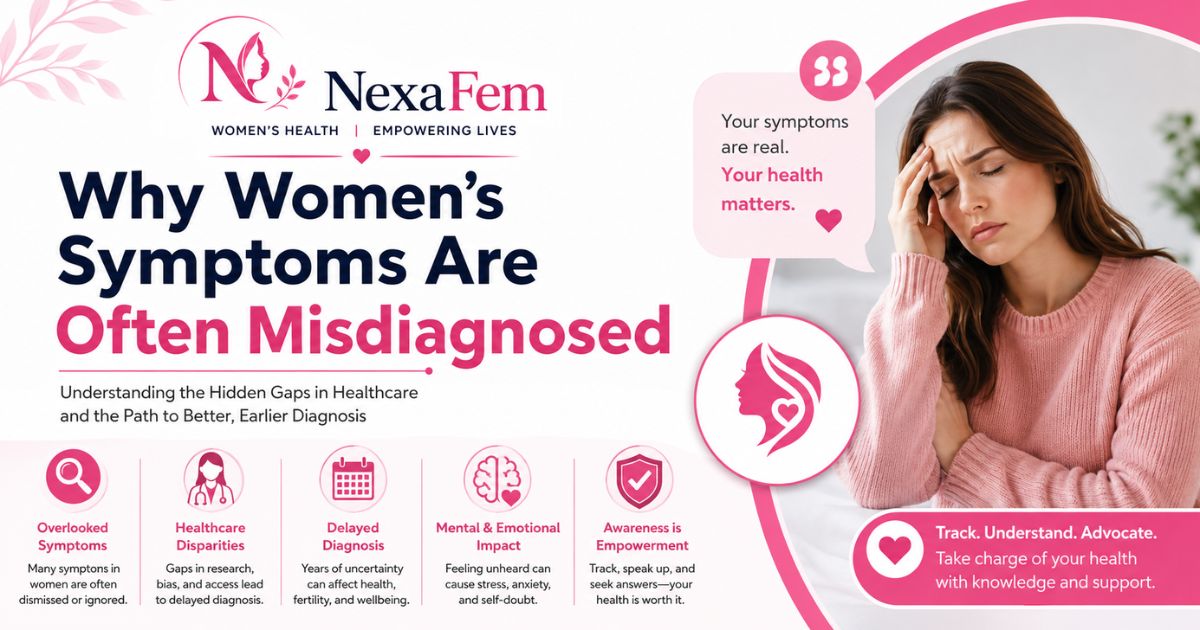
Many women are told that painful periods are simply part of being a woman. Others spend years explaining their symptoms to family members, friends, or healthcare professionals without receiving clear answers.
But what if those symptoms are trying to tell you something important?
Endometriosis is a chronic condition that affects millions of women worldwide, yet it is often overlooked or diagnosed years after symptoms first appear. Some of the earliest warning signs can seem unrelated, mild, or easy to dismiss. As a result, many women continue living with unnecessary pain, fatigue, digestive issues, or fertility concerns without realizing that endometriosis may be involved.
Understanding the commonly ignored symptoms of endometriosis can support earlier conversations with healthcare professionals, more informed health decisions, and better long-term wellbeing.
At NexaFem, we believe that symptom awareness is a critical part of preventive women's healthcare. The earlier patterns are recognized, the sooner women can access appropriate evaluation and support.
Quick Summary (TL;DR)
Endometriosis occurs when tissue similar to the uterine lining grows outside the uterus.
Severe period pain is common, but many women also experience digestive symptoms, fatigue, pelvic pain, and fertility challenges.
Symptoms can begin during adolescence and may worsen over time.
Early recognition may help reduce delays in diagnosis and treatment.
Persistent symptoms should be discussed with a qualified healthcare professional.
What Is Endometriosis?
Endometriosis is a condition in which tissue similar to the endometrium (the lining of the uterus) grows outside the uterus. These growths may develop on the ovaries, fallopian tubes, pelvic lining, bladder, bowel, and other nearby structures.
Like the uterine lining, this tissue responds to hormonal changes during the menstrual cycle. However, because it is located outside the uterus, it can contribute to inflammation, scarring, adhesions, and chronic pain.
Endometriosis can affect women during their reproductive years and, in some cases, symptoms may continue into perimenopause.
What Are the Most Commonly Ignored Endometriosis Symptoms?
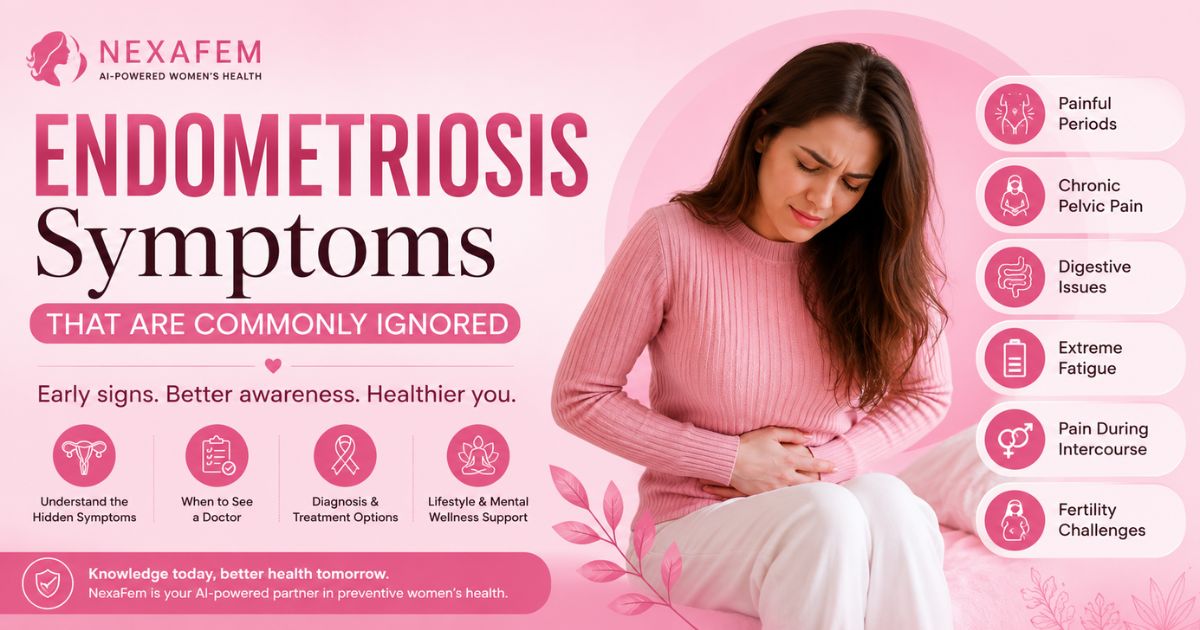
Many women associate endometriosis only with painful periods. While period pain is a common symptom, several other signs are frequently overlooked.
1. Painful Periods That Disrupt Daily Life
One of the most recognizable endometriosis symptoms is severe menstrual pain.
Warning signs include:
Pain that begins before bleeding starts
Pain that continues after the period ends
Pain severe enough to miss school, work, or social activities
Limited relief from over-the-counter pain medications
While mild menstrual discomfort can be normal, debilitating pain should not be ignored.
2. Chronic Pelvic Pain in Women
Pelvic pain that occurs throughout the month—not only during menstruation—may be another important sign.
Women may describe:
Deep pelvic aching
Pressure sensations
Lower abdominal discomfort
Persistent pelvic tenderness
Chronic pelvic pain in women can have multiple causes, but endometriosis is one of the most significant conditions healthcare providers evaluate.
3. Pain During or After Sexual Intercourse
Pain during intimacy is frequently underreported.
Some women experience:
Deep pelvic pain during intercourse
Cramping afterward
Lingering pelvic discomfort
Because this symptom can feel difficult to discuss, many women delay seeking medical advice.
4. Digestive Symptoms That Mimic Other Conditions
Endometriosis can sometimes affect the bowel or create symptoms that resemble gastrointestinal disorders.
Common examples include:
Bloating
Constipation
Diarrhea
Nausea
Abdominal pain
Many women assume these symptoms are related to food sensitivities, stress, or irritable bowel syndrome when endometriosis may be contributing.
5. Extreme Fatigue
Persistent fatigue is one of the most commonly overlooked symptoms.
Women may feel:
Constant exhaustion
Low energy despite adequate sleep
Difficulty concentrating
Reduced productivity
Chronic inflammation and ongoing pain may contribute to fatigue levels.
6. Painful Bowel Movements or Urination
Pain that worsens during menstruation when using the bathroom can sometimes indicate endometriosis involvement near the bladder or bowel.
Symptoms may include:
Pain during bowel movements
Pain while urinating
Pelvic pressure
Menstrual-related worsening of symptoms
7. Lower Back and Leg Pain
Many women never connect musculoskeletal pain to endometriosis.
Symptoms may include:
Lower back pain
Hip pain
Sciatic-type discomfort
Pain radiating into the legs
These symptoms often become more noticeable around menstruation.
8. Difficulty Becoming Pregnant
For some women, fertility challenges become the first clue that endometriosis is present.
Endometriosis may affect fertility through inflammation, scarring, adhesions, and changes within the reproductive environment.
Not every woman with endometriosis experiences infertility, but the condition is commonly associated with fertility concerns.
Why Is Endometriosis Often Diagnosed Late?
One of the biggest challenges is that symptoms vary significantly between women.
Some women have severe pain, while others have minimal symptoms despite extensive disease.
Common reasons for delayed diagnosis include:
Assuming severe period pain is normal
Symptoms overlapping with digestive disorders
Embarrassment discussing pelvic symptoms
Lack of awareness about endometriosis
Symptoms beginning during adolescence and becoming normalized
This is why improving menstrual intelligence and symptom tracking can play an important role in earlier recognition.
What Causes Endometriosis?
Researchers continue studying the exact cause of endometriosis.
Several theories include:
Retrograde menstruation
Immune system dysfunction
Genetic predisposition
Hormonal influences
Cellular transformation processes
Endometriosis is a complex condition, and no single theory fully explains every case.
Risk Factors for Endometriosis
Certain factors may increase risk, including:
Family history of endometriosis
Early onset of menstruation
Short menstrual cycles
Heavy menstrual bleeding
Delayed pregnancy
Certain reproductive tract abnormalities
Having risk factors does not guarantee someone will develop endometriosis, but awareness can support earlier evaluation.
Endometriosis Diagnosis Symptoms: What Doctors Look For
When evaluating possible endometriosis diagnosis symptoms, healthcare professionals consider:
Medical History
Questions may focus on:
Menstrual patterns
Pain severity
Fertility concerns
Family history
Digestive symptoms
Physical Examination
A pelvic examination may identify tenderness, cysts, or abnormalities.
Imaging Tests
Depending on symptoms, providers may recommend:
Pelvic ultrasound
MRI scans in selected cases
Laparoscopy
Laparoscopy remains the most definitive method for confirming endometriosis and evaluating disease extent.
How Does Endometriosis Affect Hormonal Health?
Endometriosis is closely linked to hormonal activity, particularly estrogen.
Hormonal fluctuations may influence:
Inflammation levels
Pain severity
Menstrual symptoms
Disease progression
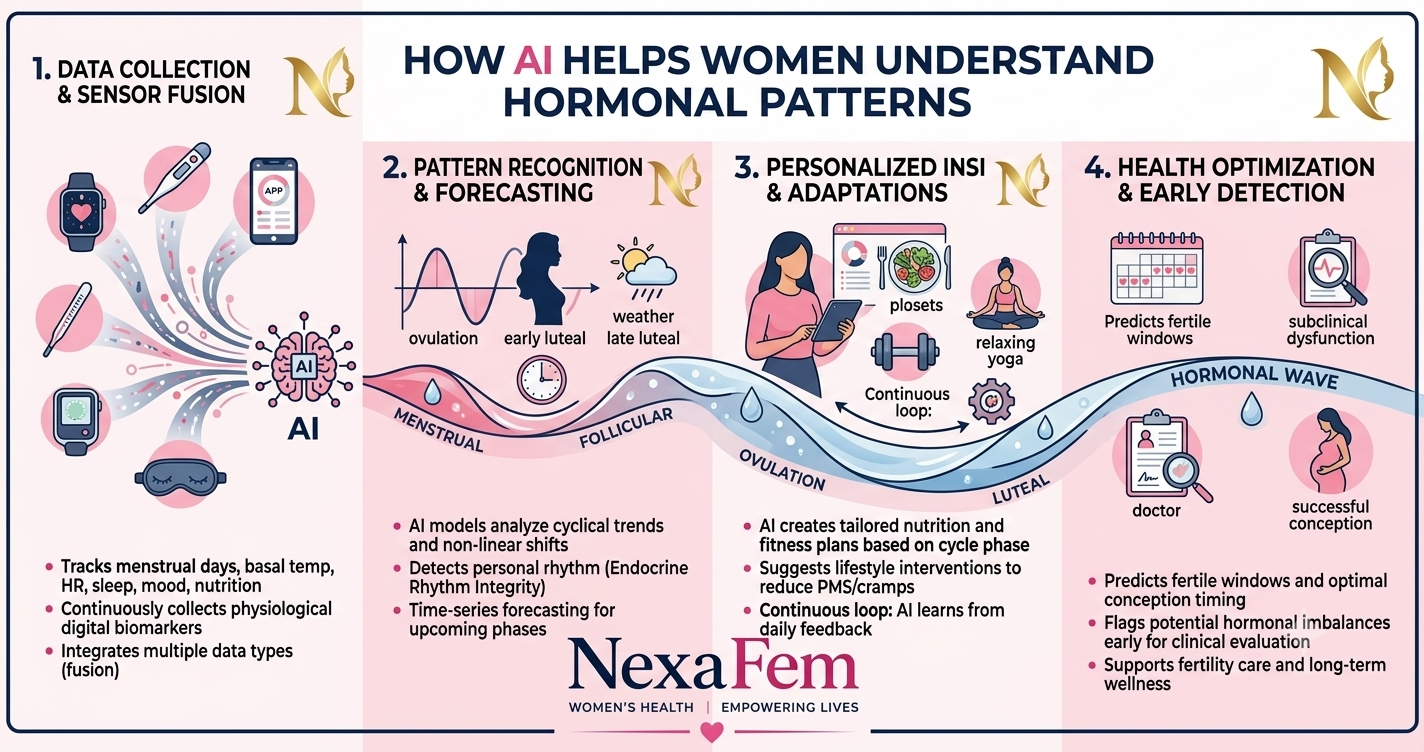
This connection highlights the importance of understanding hormonal patterns and symptom changes across the menstrual cycle.
Women interested in deeper hormonal awareness may benefit from educational resources about hormone balance and menstrual cycle tracking.
The Mental and Emotional Impact of Endometriosis
Living with chronic symptoms can affect far more than physical health.
Women may experience:
Anxiety
Frustration
Social isolation
Relationship challenges
Reduced quality of life
Emotional exhaustion
Persistent pain and uncertainty can be emotionally draining.
Seeking support from healthcare professionals, counselors, support groups, or trusted loved ones can be valuable components of comprehensive care.
Treatment Options for Endometriosis
Treatment depends on symptoms, age, reproductive goals, and disease severity.
Pain Management
Healthcare professionals may recommend:
Nonsteroidal anti-inflammatory medications
Pain management strategies
Physical therapy approaches
Hormonal Therapies
Certain hormonal treatments may help reduce symptoms and suppress disease activity.
Surgical Treatment
In selected cases, surgery may be considered to remove endometriosis lesions and improve symptoms.
Fertility-Focused Care
Women trying to conceive may benefit from specialized reproductive health evaluation and fertility planning.
No single treatment works for everyone. Care plans should always be individualized.
Lifestyle Support for Endometriosis
Lifestyle changes cannot cure endometriosis, but they may help support overall wellbeing.
Nutrition Considerations
A balanced eating pattern may support overall health.
Focus on:
Fruits and vegetables
Whole grains
Lean proteins
Healthy fats
Omega-3-rich foods
Limiting highly processed foods may also support general wellness.
Women interested in reproductive health may also explore educational resources on fertility-supportive nutrition.
Physical Activity
Regular movement may help support:
Circulation
Mood
Energy levels
Overall wellbeing
Activities can include walking, yoga, stretching, swimming, or strength training.
Stress Management
Stress does not cause endometriosis, but chronic stress can affect symptom perception and quality of life.
Helpful strategies include:
Mindfulness practices
Breathing exercises
Adequate sleep
Counseling support
Relaxation techniques
Common Mistakes Women Make
Many women unintentionally delay care by:
Assuming severe pain is normal
Ignoring recurring symptoms
Self-diagnosing digestive problems
Waiting years before seeking evaluation
Accepting symptoms that significantly affect daily life
Persistent symptoms deserve professional attention.
Red Flag Symptoms
Seek medical evaluation if you experience:
Severe menstrual pain
Chronic pelvic pain
Pain during intercourse
Heavy bleeding
Significant digestive symptoms linked to menstruation
Fertility difficulties
Symptoms that interfere with work, school, or daily activities
When Should You See a Doctor?
You should consider speaking with a healthcare professional if:
Period pain prevents normal activities
Pelvic pain lasts beyond menstruation
Symptoms are becoming more severe
You are trying to conceive without success
Fatigue or pain is affecting quality of life
Early assessment may help identify underlying causes and support more effective management.
Final Thoughts
Endometriosis symptoms are often misunderstood, minimized, or normalized for years before women receive answers.
Painful periods, chronic pelvic pain, digestive issues, fatigue, painful intercourse, and fertility challenges should never be dismissed as something women simply have to tolerate.
Awareness is one of the most powerful tools in preventive healthcare. By recognizing symptoms early, tracking patterns, and seeking timely medical evaluation, women can advocate for their health and access appropriate support sooner.
At NexaFem, we believe the future of women's health lies in combining medical knowledge, symptom awareness, hormonal intelligence, and AI-powered preventive insights. The more women understand their bodies, the better equipped they are to make informed decisions about their wellbeing.
Sources & References
World Health Organization (WHO) – Endometriosis
NHS – Endometriosis Overview
American College of Obstetricians and Gynecologists (ACOG) – Endometriosis FAQs
NICE Guidelines – Endometriosis: Diagnosis and Management
Centers for Disease Control and Prevention (CDC) – Women's Reproductive Health
Disclaimer
This article is intended for informational and educational purposes only and should not be considered medical advice, diagnosis, or treatment. Health information is not one-size-fits-all. If you have symptoms of endometriosis or other health concerns, consult a qualified healthcare professional for personalized medical evaluation and guidance.
Frequently Asked Questions
Share this post
Comments (0)
No comments yet. Be the first to comment!