
Health Tests for Women Over 30: Essential Screenings for Early Detection and Long-Term Wellness
Discover the most important health tests for women over 30, including preventive screenings, hormone checks, and early disease detection strategies.
Turning 30 often brings new priorities. Careers become busier, family responsibilities may grow, and personal health can unintentionally move down the list. Yet this decade is one of the most important times to focus on prevention.
Many health conditions that affect women—including cervical cancer, breast disease, thyroid disorders, diabetes, cardiovascular disease, and hormonal imbalances—can develop silently before symptoms appear. The good news is that routine screenings and wellness checks can help identify potential concerns early, when treatment is often most effective.
Preventive healthcare is not about expecting something to be wrong. It is about giving yourself the best chance to stay healthy, informed, and empowered.
Understanding which Health Tests for Women Over 30 are most important can help you take a proactive approach to your well-being and support long-term health at every stage of life.
Quick Summary (TL;DR)
Women over 30 should prioritize regular preventive health screenings even if they feel healthy.
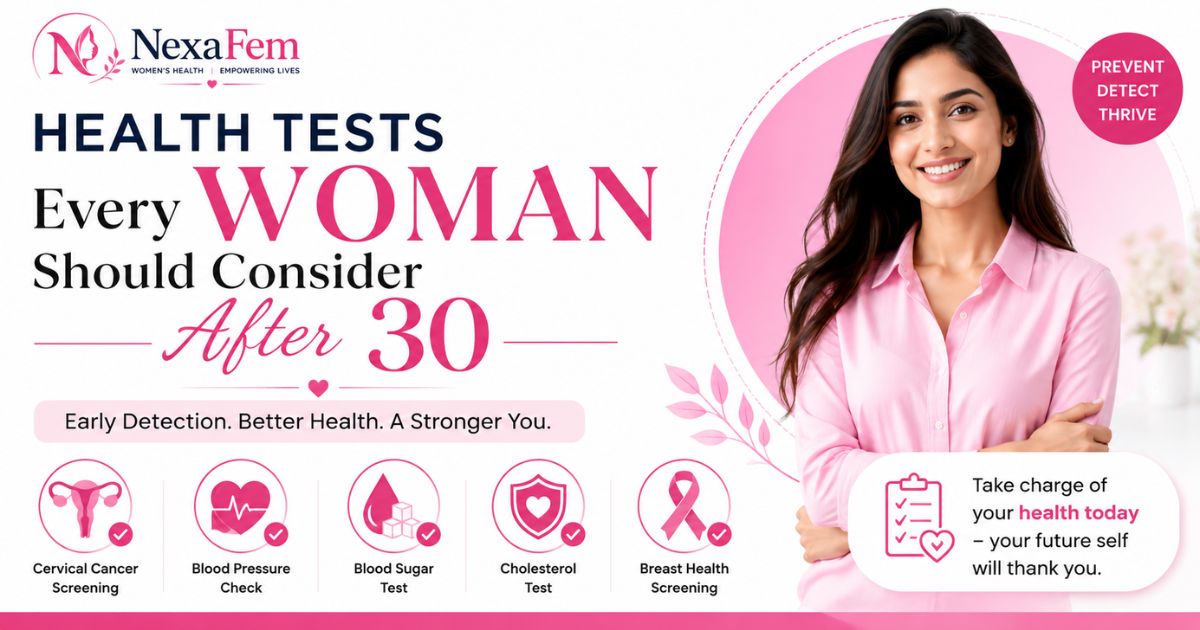
Cervical cancer screening, blood pressure checks, cholesterol testing, diabetes screening, and breast health assessments are among the most important tests.
Hormonal and thyroid evaluations may be helpful if symptoms such as irregular periods, fatigue, or fertility concerns occur.
Early Disease Detection in Women can improve treatment outcomes and support long-term wellness.
Preventive healthcare should be personalized based on age, family history, lifestyle, and individual risk factors.
Why Preventive Health Screening Matters After 30
Many chronic diseases begin developing years before symptoms become noticeable. According to guidance from organizations such as the WHO, CDC, NHS, ACOG, and NICE, regular preventive screenings are among the most effective ways to reduce health risks and improve long-term outcomes.
Women's bodies also experience gradual hormonal changes throughout their 30s and 40s. These shifts can influence reproductive health, metabolism, cardiovascular health, mental wellness, and bone strength.
Routine Women's Wellness Screenings help establish a health baseline and detect changes before they become more serious.
What Health Tests Should Women Over 30 Get?
1. Cervical Cancer Screening (Pap Smear and HPV Testing)
One of the most important preventive tests for women is cervical cancer screening.
Persistent infection with certain types of human papillomavirus (HPV) is the primary cause of most cervical cancers. Screening can identify abnormal cells before cancer develops.
According to recommendations from organizations such as the CDC and ACOG, screening schedules vary depending on age, previous results, and individual risk factors.
Why it matters
Detects precancerous changes early
Helps prevent cervical cancer
Often identifies abnormalities before symptoms occur
Risk factors
HPV infection
Smoking
Weakened immune system
Family history of cervical cancer
For detailed guidance, visit the CDC's cervical cancer screening information:
CDC Cervical Cancer Screening Guidelines
2. Blood Pressure Screening
High blood pressure is often called a "silent condition" because symptoms may not appear until complications develop.
Regular monitoring helps identify cardiovascular risks early.
Why it matters
Untreated hypertension increases the risk of:
Heart disease
Stroke
Kidney disease
Pregnancy complications
The WHO recognizes hypertension as a major global health risk factor.
3. Cholesterol Testing
Heart disease remains one of the leading causes of death among women worldwide.
A cholesterol test evaluates:
Total cholesterol
LDL ("bad") cholesterol
HDL ("good") cholesterol
Triglycerides
Who may need earlier testing?
Family history of heart disease
Obesity
Diabetes
Smoking
High blood pressure
Monitoring cardiovascular health is a key component of Women's Preventive Healthcare.
4. Blood Sugar and Diabetes Screening
Type 2 diabetes often develops gradually and may go unnoticed for years.
Screening typically includes:
Fasting blood glucose
HbA1c testing
Symptoms that may warrant testing
Increased thirst
Frequent urination
Fatigue
Blurred vision
Unexplained weight changes
Early detection can significantly reduce complications affecting the eyes, kidneys, nerves, and heart.
Learn more from:
CDC Diabetes Screening and Prevention
5. Breast Health Screening
Breast awareness remains important throughout adulthood.
Women should become familiar with the normal appearance and feel of their breasts and report any unusual changes to a healthcare provider.
Warning signs
New lump
Skin dimpling
Nipple discharge
Breast swelling
Persistent pain
Mammogram recommendations vary depending on age, risk factors, and local guidelines.
Women with a strong family history may require earlier screening.
Hormonal Health Tests Women Should Consider
Hormones influence nearly every aspect of women's health.
Thyroid Function Testing
Thyroid disorders are significantly more common in women than men.
Common symptoms
Fatigue
Weight changes
Hair loss
Anxiety
Depression
Irregular periods
A simple blood test can assess thyroid hormone levels.
Many women researching symptoms such as unexplained fatigue may also benefit from reading about hormonal imbalance symptoms in women and understanding how thyroid health affects menstrual cycles.
PCOS Evaluation
Women experiencing:
Irregular periods
Excess facial hair
Acne
Weight gain
Fertility challenges
may benefit from evaluation for Polycystic Ovary Syndrome (PCOS).
Diagnosis typically includes:
Medical history
Hormonal testing
Ultrasound evaluation
Women interested in deeper education may find value in resources explaining early signs of PCOS and long-term metabolic health.
Fertility and Reproductive Health Assessment
For women planning pregnancy later in life, reproductive health conversations become increasingly important.
Potential assessments may include:
Ovarian reserve testing
Hormone evaluation
Reproductive history review
These tests are not necessary for everyone but can be valuable when fertility concerns arise.
Mental Health Screening Matters Too
Physical health and mental wellness are closely connected.
Women often balance multiple responsibilities, which can increase stress, anxiety, and burnout.
Mental health screening may help identify:
Anxiety disorders
Depression
Chronic stress
Sleep-related concerns
Signs to watch for
Persistent sadness
Difficulty concentrating
Changes in appetite
Sleep disturbances
Loss of motivation
The NHS emphasizes the importance of seeking support when emotional symptoms begin affecting daily life.
Bone Health and Vitamin Deficiency Screening
While osteoporosis is more commonly associated with older age, bone health begins much earlier.
Women with certain risk factors may benefit from assessment of:
Vitamin D levels
Calcium intake
Bone health status
Risk factors
Family history
Smoking
Low body weight
Limited physical activity
Certain medications
Building strong bones in your 30s and 40s supports healthier aging later in life.
What Are the Benefits of Early Disease Detection in Women?
Direct Answer
Early Disease Detection in Women helps identify health conditions before symptoms become severe, allowing earlier treatment, better outcomes, and reduced risk of complications.
Benefits include:
Improved treatment success
Better quality of life
Reduced healthcare costs
Lower risk of advanced disease
Greater peace of mind
This is why routine screening remains a cornerstone of modern preventive medicine.
Red Flag Symptoms That Should Never Be Ignored
Seek medical evaluation promptly if you experience:
Unexplained weight loss
Persistent fatigue
Abnormal vaginal bleeding
Breast lumps
Chest pain
Severe headaches
Shortness of breath
Persistent pelvic pain
Blood in urine or stool
Sudden changes in vision
These symptoms do not always indicate serious illness but should be assessed by a healthcare professional.
Common Mistakes Women Make With Preventive Healthcare
Many women delay screenings because they:
Feel healthy
Are too busy
Fear receiving bad news
Assume symptoms are "normal"
Ignore subtle changes in their bodies
Preventive care works best before symptoms become severe.
Regular checkups can help identify concerns early and support informed healthcare decisions.
Lifestyle Tips to Support Women's Health After 30
Health screenings are only one piece of the wellness puzzle.
Daily habits matter too.
Nutrition
Focus on:
Fruits and vegetables
Lean proteins
Whole grains
Healthy fats
Adequate calcium and vitamin D
Physical Activity
Aim for regular movement through:
Walking
Strength training
Cycling
Yoga
Swimming
Sleep
Most adults benefit from 7–9 hours of quality sleep each night.
Stress Management
Consider:
Mindfulness
Journaling
Therapy
Meditation
Social connection
Combining preventive screenings with healthy lifestyle choices creates a stronger foundation for long-term wellness.
How AI Is Transforming Women's Preventive Healthcare
Modern healthcare is increasingly moving toward personalization.
AI-powered health platforms can help women:
Track symptoms over time
Monitor menstrual patterns
Identify potential health trends
Improve health awareness
Support informed conversations with healthcare professionals
As preventive healthcare evolves, personalized health intelligence may help women better understand their bodies and seek care earlier when concerns arise.
This aligns with NexaFem's mission of empowering women through hormonal intelligence, menstrual intelligence, symptom awareness, and proactive wellness support.
Tools such as a Symptom Intelligence Tracker and Hormonal Health Assessment Tool can help women organize health information and recognize patterns that may warrant medical attention.
When to See a Doctor
Schedule a healthcare visit if you:
Have not had routine preventive screenings in several years
Experience new or worsening symptoms
Notice menstrual changes
Have fertility concerns
Have a strong family history of chronic disease
Are planning pregnancy
Feel concerned about any aspect of your health
You do not need to wait until symptoms become severe to seek guidance.
Final Thoughts
Your 30s are not simply a milestone birthday—they are an opportunity to invest in your future health.
The most important Health Tests for Women Over 30 are not about searching for illness. They are about gaining knowledge, confidence, and control over your well-being.
Routine screenings, healthy lifestyle habits, attention to mental wellness, and awareness of hormonal changes can all contribute to healthier years ahead.
The earlier a potential concern is identified, the more options you often have. Preventive healthcare empowers women to make informed choices, prioritize wellness, and build a stronger foundation for every stage of life.
By combining medical guidance with modern health intelligence, women can move beyond reactive care and embrace a more personalized, proactive approach to wellness.
Sources & References
Centers for Disease Control and Prevention (CDC) – Cervical Cancer Screening
Centers for Disease Control and Prevention (CDC) – Diabetes Information and Prevention
American College of Obstetricians and Gynecologists (ACOG) – Women's Health Topics
National Institute for Health and Care Excellence (NICE) – Health Guidance
Medical Disclaimer
This article is provided for informational and educational purposes only and should not be considered medical advice, diagnosis, or treatment. Health information is constantly evolving, and individual circumstances vary. Always consult a qualified healthcare professional, gynecologist, endocrinologist, or licensed medical practitioner regarding any symptoms, health concerns, screening decisions, or treatment options. Never disregard professional medical advice or delay seeking medical care because of information you have read in this article.
Frequently Asked Questions
Share this post
Comments (0)
No comments yet. Be the first to comment!