
Why Women’s Symptoms Are Often Misdiagnosed: Understanding the Hidden Gaps in Healthcare
Learn why women’s symptoms are often misdiagnosed, the impact of healthcare disparities, and how early symptom tracking can improve diagnosis.
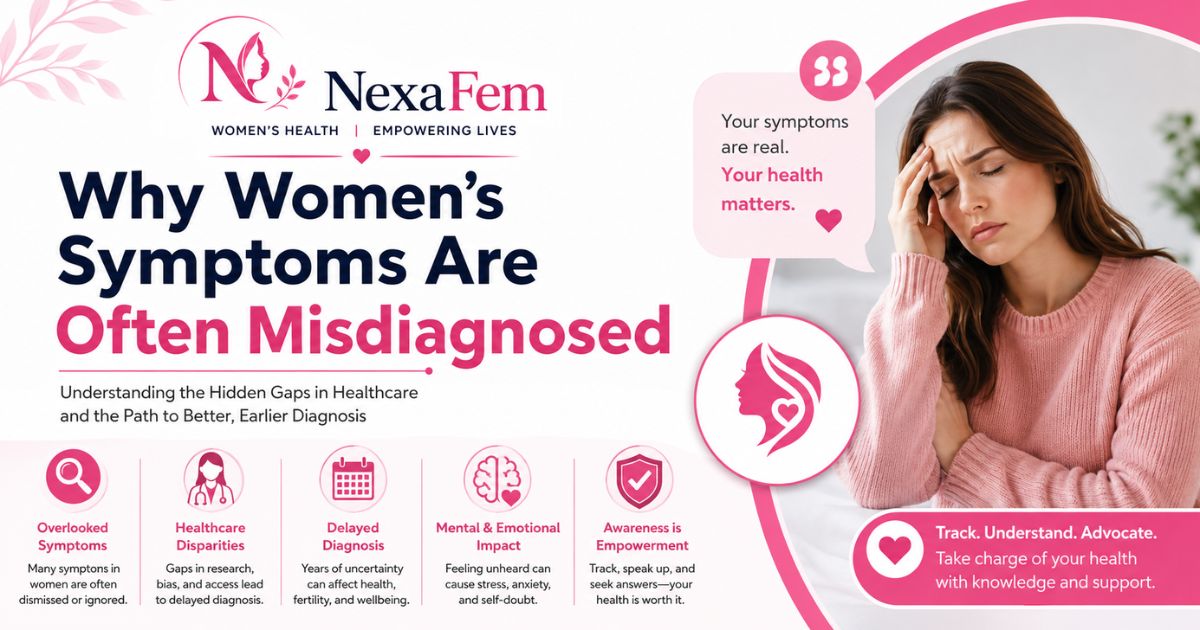
Many women have experienced a frustrating healthcare moment: knowing something feels wrong, seeking medical help, and being told that their symptoms are stress-related, hormonal, anxiety-driven, or simply “normal.”
Weeks, months, or even years later, they may finally receive a diagnosis that explains what they were experiencing all along.
This experience is more common than many people realize.
Understanding why women's symptoms are often misdiagnosed is an important step toward improving health outcomes, reducing delays in care, and empowering women to advocate for their wellbeing. While healthcare has made tremendous advances, significant gaps still exist in how symptoms are recognized, evaluated, and diagnosed in women.
The good news is that increased awareness, better research, preventive healthcare strategies, and AI-powered symptom intelligence tools are helping women identify concerns earlier and communicate more effectively with healthcare professionals.
Quick Summary (TL;DR)
Women frequently experience delayed diagnosis because many diseases have historically been studied primarily in men.
Hormonal fluctuations can complicate symptom patterns and sometimes contribute to overlooked symptoms in women.
Conditions such as heart disease, autoimmune disorders, endometriosis, PCOS, ADHD, and certain mental health conditions are commonly underdiagnosed or misdiagnosed.
Women's healthcare disparities can affect access to timely testing, specialist referrals, and appropriate treatment.
Symptom tracking, preventive screenings, and personalized health monitoring can support earlier diagnosis and better outcomes.
What Does Misdiagnosis Mean?
A misdiagnosis occurs when:
A condition is diagnosed incorrectly.
A diagnosis is delayed.
Symptoms are attributed to another condition.
Serious symptoms are dismissed or overlooked.
In many cases, the issue is not negligence. Rather, it reflects the complexity of human biology, gaps in medical research, time limitations during appointments, and unconscious biases that can influence clinical decision-making.
For women, these factors can sometimes combine to create significant diagnostic delays.
Why Women's Symptoms Are Often Misdiagnosed
Historical Gaps in Medical Research
One of the most significant reasons for diagnostic disparities is that women were underrepresented in medical research for decades.
Historically, many clinical studies primarily enrolled men, leading researchers to develop disease models based largely on male symptom presentations.
As a result, healthcare providers may be more familiar with "classic" symptoms that do not always reflect how diseases appear in women.
For example, according to guidance from the CDC, women experiencing heart attacks may report symptoms such as:
Fatigue
Nausea
Shortness of breath
Back pain
Jaw pain
rather than the severe chest pain often highlighted in traditional medical education.
This difference can contribute to delayed recognition and treatment.
Women's Symptoms Are Often More Complex
Many health conditions interact with:
Menstrual cycles
Pregnancy
Perimenopause
Menopause
Hormonal fluctuations
These biological factors can influence:
Pain perception
Mood
Energy levels
Sleep quality
Digestive symptoms
Because symptoms may change throughout the month, identifying patterns can be challenging.
This is one reason why symptom awareness and menstrual intelligence are becoming increasingly important components of preventive healthcare.
Women who track symptoms alongside cycle phases often notice patterns that may otherwise be missed during a brief medical appointment.
Symptoms Are Sometimes Attributed to Stress or Anxiety
Mental health deserves serious attention, but sometimes physical symptoms may be prematurely attributed to psychological causes.
Examples include:
Chronic fatigue
Dizziness
Palpitations
Pelvic pain
Digestive problems
Autoimmune symptoms
Stress can certainly worsen symptoms. However, it should not automatically rule out underlying medical causes.
A thorough evaluation should consider both physical and emotional health factors.
Which Conditions Are Commonly Misdiagnosed in Women?
Heart Disease
Heart disease remains a leading cause of death among women worldwide.
Women often experience different warning signs than men, including:
Extreme fatigue
Nausea
Lightheadedness
Upper back pain
Shortness of breath
Because these symptoms may appear less dramatic, diagnosis can sometimes be delayed.
The American Heart Association emphasizes that recognizing atypical symptoms is critical for early intervention.
Mini Summary
Heart disease does not always look the same in women and men.
Endometriosis
According to the NHS, endometriosis affects millions of women and can cause:
Severe menstrual pain
Pelvic pain
Pain during intercourse
Fertility challenges
Digestive symptoms
Many women experience years of symptoms before receiving a diagnosis.
Because painful periods are often normalized, warning signs may be overlooked.
Autoimmune Diseases
Women account for the majority of autoimmune disease cases.
Examples include:
Lupus
Rheumatoid arthritis
Hashimoto's thyroiditis
Multiple sclerosis
Early symptoms may include:
Fatigue
Joint pain
Brain fog
Muscle aches
These symptoms can mimic many other conditions, contributing to delayed diagnosis.
PCOS
Polycystic Ovary Syndrome (PCOS) is one of the most common hormonal disorders among women.
Symptoms may include:
Irregular periods
Acne
Weight changes
Hair thinning
Excess facial hair
Fertility concerns
Many women spend years searching for answers before receiving an accurate diagnosis.
Women interested in hormonal health may also benefit from learning about early signs of PCOS and long-term metabolic risks.
ADHD in Women
Attention-deficit/hyperactivity disorder often presents differently in girls and women.
Instead of hyperactivity, symptoms may include:
Mental overwhelm
Difficulty organizing tasks
Emotional dysregulation
Chronic forgetfulness
Many women are diagnosed later in life after years of being misunderstood.
Understanding Women's Healthcare Disparities
What Are Women's Healthcare Disparities?
Women's healthcare disparities refer to differences in diagnosis, treatment, outcomes, and access to care that disproportionately affect women.
Contributing factors may include:
Research gaps
Societal expectations
Bias in symptom interpretation
Limited specialist access
Cultural barriers
Financial obstacles
The World Health Organization (WHO) recognizes the importance of gender-responsive healthcare systems to improve outcomes for women worldwide.
Overlooked Symptoms in Women That Should Not Be Ignored
Certain symptoms are frequently dismissed as normal stress, aging, or hormonal changes.
Consider discussing persistent symptoms with a healthcare professional if you experience:
Unexplained fatigue
Ongoing pelvic pain
Frequent headaches
Heavy menstrual bleeding
Sudden weight changes
Chronic digestive issues
Persistent bloating
New breast changes
Shortness of breath
Recurrent dizziness
Tracking symptom frequency, severity, and timing can help provide valuable clinical information.
How Hormones Influence Diagnosis
Hormones affect nearly every body system.
Changes in estrogen and progesterone can influence:
Mood
Sleep
Energy
Pain sensitivity
Metabolism
Cognitive function
This overlap sometimes makes diagnosis more complex.
For example:
Symptom
Possible Hormonal Cause
Other Conditions to Consider
Fatigue
PMS, perimenopause
Thyroid disease, anemia
Anxiety
Hormonal fluctuations
Heart rhythm disorders
Brain fog
Menopause
Autoimmune disease
Weight gain
PCOS
Metabolic disorders
This is why comprehensive evaluation is important rather than assuming hormones are always the sole explanation.
The Mental Wellness Impact of Delayed Diagnosis
Living with unexplained symptoms can affect emotional wellbeing.
Women experiencing delayed diagnosis often report:
Frustration
Self-doubt
Anxiety
Stress
Medical burnout
Reduced quality of life
Feeling unheard can be emotionally exhausting.
Acknowledging these experiences is important because mental and physical health are deeply connected.
Supportive healthcare relationships can improve both outcomes and confidence.
How Women Can Reduce the Risk of Delayed Diagnosis
Keep a Symptom Journal
Track:
Symptoms
Menstrual cycles
Sleep
Energy levels
Nutrition
Medications
Stress levels
Patterns often become clearer over time.
Digital symptom tracking and AI-powered symptom insights may help identify trends worth discussing with a healthcare provider.
Prioritize Preventive Healthcare
Regular preventive care remains one of the most effective ways to identify health concerns early.
This includes:
Routine health screenings
Cervical cancer screening
Breast health evaluations
Blood pressure monitoring
Cholesterol testing
Diabetes screening
The American College of Obstetricians and Gynecologists (ACOG) recommends regular preventive visits throughout a woman's life.
Ask Questions During Appointments
Helpful questions include:
What conditions are being considered?
Are there alternative explanations?
Should additional tests be performed?
When should symptoms be reassessed?
Would a specialist referral help?
Being engaged in your healthcare can improve communication and shared decision-making.
Lifestyle Tips That Support Better Health Awareness
Healthy lifestyle habits cannot prevent every condition, but they can improve overall health monitoring and symptom recognition.
Focus on:
Consistent sleep
Regular movement
Balanced nutrition
Stress management
Hydration
Preventive screenings
Women interested in preventive wellness may also benefit from exploring nutrition strategies for hormone balance, understanding perimenopause symptoms, and learning how menstrual cycle tracking supports overall health.
Common Mistakes Women Make
Some common mistakes include:
Ignoring symptoms for months or years
Assuming symptoms are normal because family members experience them
Relying solely on internet searches
Not tracking symptom patterns
Avoiding preventive health visits
Stopping investigations after one inconclusive appointment
Seeking appropriate medical evaluation early can improve outcomes.
When to See a Doctor
Schedule an appointment if symptoms:
Persist for several weeks
Interfere with daily life
Continue worsening
Recur frequently
Cause significant concern
Early evaluation often leads to earlier treatment and greater peace of mind.
Red Flag Symptoms
Seek urgent medical attention if you experience:
Chest pain
Sudden shortness of breath
Severe weakness
Fainting
Sudden vision changes
Severe abdominal pain
Heavy uncontrolled bleeding
Signs of stroke
These symptoms require immediate medical assessment.
Can AI Help Reduce Diagnostic Delays for Women?
Emerging technologies are helping women become more proactive about their health.
AI-powered preventive health platforms can support:
Symptom tracking
Cycle tracking
Pattern recognition
Health education
Personalized wellness insights
While AI cannot replace medical diagnosis, it can help women recognize trends earlier and prepare for more productive healthcare conversations.
This aligns with NexaFem's vision of providing women with personalized hormonal intelligence, menstrual intelligence, preventive healthcare guidance, and symptom awareness tools that support informed decision-making.
Future innovations may help bridge some of the diagnostic gaps that contribute to delayed diagnosis in women today.
Final Thoughts
Understanding why women's symptoms are often misdiagnosed is not about assigning blame—it is about recognizing opportunities for improvement.
Women's bodies are complex, dynamic, and influenced by unique biological and hormonal factors. Yet too many women continue to experience delayed diagnosis, overlooked symptoms, and healthcare disparities that affect their quality of life.
The most powerful approach combines awareness, preventive healthcare, symptom tracking, evidence-based medicine, and open communication with healthcare professionals.
When women are equipped with better health information and personalized insights, they are more likely to recognize warning signs early, seek appropriate care, and advocate confidently for their wellbeing.
As preventive health technologies continue to evolve, the future of women's healthcare is moving toward greater personalization, earlier intervention, and smarter symptom intelligence—helping more women feel heard, understood, and supported.
Sources & References
World Health Organization (WHO): https://www.who.int/news-room/fact-sheets/detail/women-s-health
NHS – Endometriosis: https://www.nhs.uk/conditions/endometriosis/
CDC – Women and Heart Disease: https://www.cdc.gov/heart-disease/about/women-and-heart-disease.html
American Heart Association – Women and Heart Disease: https://www.heart.org/en/health-topics/heart-attack/women-and-heart-disease
American College of Obstetricians and Gynecologists (ACOG): https://www.acog.org/womens-health
Medical Disclaimer
This article is provided for informational and educational purposes only and is not intended to serve as medical advice, diagnosis, or treatment. Health information can vary based on individual circumstances. Always consult a qualified healthcare professional, physician, gynecologist, or other licensed medical provider regarding any symptoms, medical concerns, diagnosis, treatment decisions, or preventive healthcare needs. Never ignore professional medical advice or delay seeking care because of information you have read in this article.
Frequently Asked Questions
Share this post
Comments (0)
No comments yet. Be the first to comment!