
First Period Guide: What Every Girl Should Know About Menstruation, Symptoms & Self-Care
Learn what to expect during your first period, early signs, menstrual hygiene tips, and puberty changes in this complete first period guide.
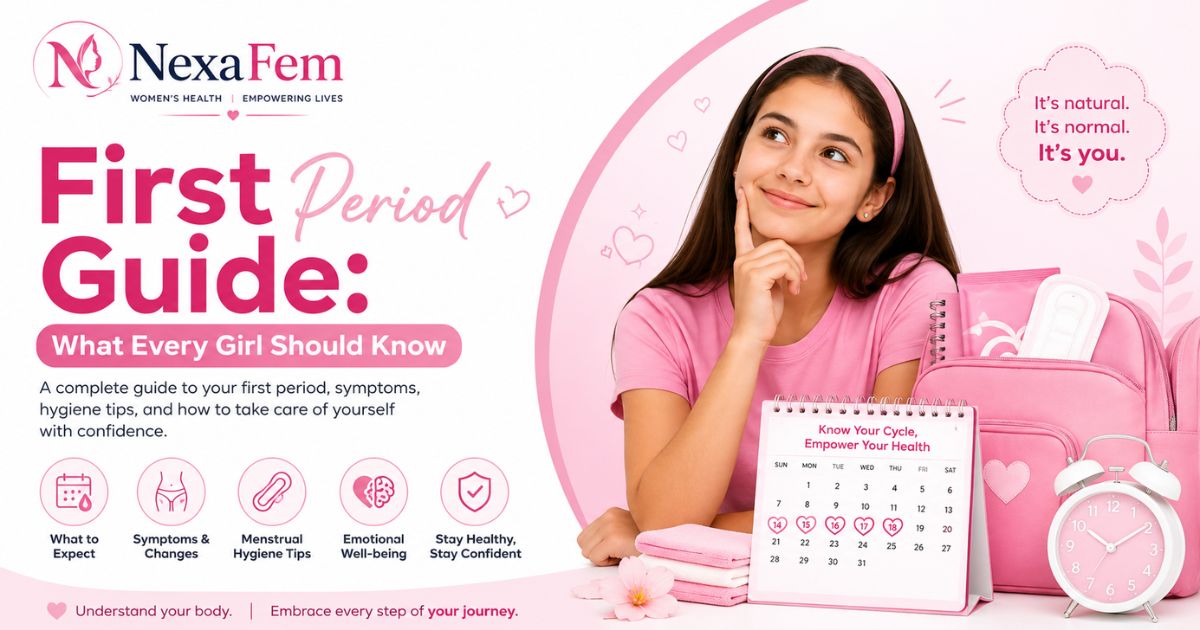
Getting your first period is one of the biggest milestones of puberty. It can feel exciting, confusing, emotional, or even a little scary—and all of those feelings are completely normal.
Many girls wonder questions like, "Will it hurt?", "How much bleeding is normal?", or "How do I know my first period is coming?" The truth is that every girl's experience is unique, but understanding what's happening in your body can make the experience much less overwhelming.
Your first period, also called menarche, is a sign that your body is growing and developing as part of puberty. It does not necessarily mean you are emotionally or physically ready for adulthood or pregnancy. Instead, it marks the beginning of your reproductive years and reflects the amazing hormonal changes taking place inside your body.
This First Period Guide explains everything you need to know—from the early signs of menstruation and what to expect on your first day to menstrual hygiene tips, emotional well-being, and when to seek medical advice. At NexaFem, we believe that understanding your body is the first step toward lifelong menstrual intelligence and preventive women's healthcare.
According to the World Health Organization (WHO) and NHS, access to accurate menstrual health education helps improve confidence, hygiene practices, and overall well-being during puberty.
Quick Summary (TL;DR)
Your first period usually begins between ages 9 and 15, with the average age around 12 years.
Early signs include breast development, vaginal discharge, growth spurts, and pubic hair.
Irregular periods are common during the first few years as hormones continue to mature.
Good menstrual hygiene and emotional support make the transition much easier.
Seek medical advice if your period has not started by age 15 or if you experience unusually heavy bleeding or severe pain.
What Is a First Period?
Your first period, medically known as menarche, is the first time your uterus sheds its lining through the vagina as menstrual blood. It signals that your reproductive system has started functioning as part of normal puberty.
Every month, hormones prepare the uterus for a possible pregnancy. If pregnancy does not occur, the uterine lining is shed, resulting in a menstrual period.
For most girls, the first period happens about two to three years after breast development begins, although timing varies widely and is influenced by genetics, nutrition, body weight, overall health, and environmental factors.
A first period is usually lighter than later periods and may appear:
Bright red
Dark brown
Pinkish
Rust-colored
All of these colors can be normal during the early menstrual cycles.
What Happens During Puberty and Menstruation?
Puberty and menstruation are driven by hormonal changes involving the brain, ovaries, and uterus.
The brain begins producing hormones that stimulate the ovaries to release estrogen and progesterone. These hormones help your body develop adult reproductive functions while also causing many physical and emotional changes.
During puberty, you may notice:
Breast development
Growth spurts
Wider hips
Pubic and underarm hair
Increased sweating
Acne
Vaginal discharge
Emotional changes
These changes happen gradually over several years and prepare the body for regular menstrual cycles.
According to the American College of Obstetricians and Gynecologists (ACOG), menstrual cycles during adolescence often remain irregular for the first few years because ovulation may not occur consistently while hormone levels are still maturing.
How Do You Know Your First Period Is Coming?
One of the most common questions girls ask is:
What are the signs that my first period is about to start?
There isn't one exact sign, but several changes often appear in the months leading up to your first period.
Breast Development
Breast buds are usually the earliest visible sign of puberty. Most girls get their first period about 2–3 years after breast development begins.
Vaginal Discharge
A clear or whitish discharge often appears several months before the first period. This discharge is completely normal and helps keep the vagina healthy.
Growth Spurts
Many girls experience rapid height increases before their first menstrual cycle.
Pubic and Underarm Hair
Hair growth is another normal sign that puberty is progressing.
Mild Cramps
Some girls notice occasional lower abdominal discomfort shortly before their first period.
Emotional Changes
Hormonal fluctuations may cause:
Mood swings
Irritability
Increased sensitivity
Feeling emotional more easily
These emotional changes are a normal part of puberty and usually become easier to understand over time.
What Should You Expect During Your First Period?
Every girl's first period is different. Some experience only light spotting, while others have a flow similar to later menstrual cycles.
Your First Period May Last
2–7 days
Start lightly and become slightly heavier
End with brown spotting
Your Flow May Be
Light
Moderate
Spotty
Intermittent
Because hormone levels are still developing, your next period may not arrive exactly one month later. It's common for menstrual cycles to be irregular during the first two to three years.
The National Health Service (NHS) explains that irregular menstrual cycles are expected during early adolescence and usually become more regular as hormonal balance develops.
Is It Normal to Feel Nervous About Your First Period?
Absolutely.
Many girls worry about leaking through their clothes, experiencing pain, or not knowing what to do. Others may feel embarrassed discussing menstruation.
Remember:
Your period is not something to be ashamed of. It is a natural, healthy biological process experienced by millions of girls and women around the world.
Talking openly with a trusted parent, caregiver, older sibling, school nurse, teacher, or healthcare provider can make your first period much less stressful.
Learning about your menstrual cycle early also helps build confidence and supports lifelong reproductive health awareness.
Common First Period Symptoms
Every girl experiences her first period differently. Some notice only a few mild symptoms, while others may have more noticeable physical or emotional changes. In most cases, these symptoms are temporary and improve as your body adjusts to its new hormonal rhythm.
Common first period symptoms include:
Mild to moderate lower abdominal cramps
Light to moderate vaginal bleeding
Breast tenderness
Bloating
Lower back discomfort
Acne or oily skin
Headaches
Fatigue
Mood swings
Food cravings
Many girls experience only a few of these symptoms, while others may have none at all. Your menstrual experience is unique, and comparing yourself to others isn't helpful.
Why Do Period Cramps Happen?
During menstruation, the uterus contracts to help shed its lining. These contractions are caused by natural chemicals called prostaglandins. Mild cramps are common, especially during the first few years of menstruation.
If cramps become severe enough to interfere with school, work, or daily activities, it's important to speak with a healthcare professional, as conditions such as endometriosis or other menstrual disorders may need evaluation.
What Causes Your First Period?
Your first period doesn't begin suddenly—it is the result of years of hormonal development.
As puberty progresses, the brain communicates with the ovaries through hormones. The ovaries begin producing estrogen and progesterone, which help mature the reproductive organs and regulate the menstrual cycle.
Each month:
An egg begins to mature in the ovaries.
The uterine lining thickens in preparation for a possible pregnancy.
If pregnancy does not occur, hormone levels fall.
The uterine lining is shed through the vagina as menstrual blood.
During the first few years after menarche, ovulation may not occur every month. This is why irregular periods are very common in adolescents. According to the American College of Obstetricians and Gynecologists (ACOG), it can take several years for menstrual cycles to become more predictable.
Menstrual Hygiene Tips
Practicing good menstrual hygiene helps prevent irritation, supports comfort, and promotes overall reproductive health.
Choose the Right Menstrual Product
There are several safe options available, including:
Sanitary pads
Tampons
Menstrual cups
Period underwear
If you're experiencing your first period, many healthcare professionals recommend starting with sanitary pads because they are simple to use and easy to change.
Change Products Regularly
Changing menstrual products on time helps reduce odor and lowers the risk of irritation or infection.
General recommendations include:
Pads: every 3–4 hours or sooner if soaked
Tampons: every 4–8 hours (never leave in longer than 8 hours)
Menstrual cups: follow the manufacturer's instructions, usually every 8–12 hours
The Centers for Disease Control and Prevention (CDC) advises proper tampon use to reduce the risk of Toxic Shock Syndrome (TSS), a rare but serious condition.
Keep the Genital Area Clean
Wash the external genital area gently with warm water during bathing. Avoid scented soaps, perfumes, vaginal washes, or douches, as these can disrupt the natural balance of healthy bacteria.
Wash Your Hands
Always wash your hands before and after changing a pad, tampon, or menstrual cup to maintain good hygiene.
Dispose of Products Properly
Wrap used pads or tampons before placing them in a waste bin. Do not flush pads, tampons, or wipes down the toilet, as they can cause plumbing problems.
Preparing for Your First Period
Being prepared can help you feel more confident when your first period arrives—whether you're at home, school, or out with friends.
A simple first period kit may include:
2–3 sanitary pads
A spare pair of underwear
Unscented wipes (for external use only)
A small pouch for carrying supplies
A resealable bag for used products if a disposal bin isn't available
Many girls also find it helpful to keep a period kit in their school bag, backpack, or locker.
If you're unsure how to use a menstrual product, don't hesitate to ask a trusted adult or healthcare professional. Learning these skills is part of growing up, and there's no need to feel embarrassed.
To better understand your menstrual cycle over time, consider using a Period Tracker. Recording your cycle can help you recognize patterns, predict future periods, and notice any changes worth discussing with a healthcare provider.
Nutrition for Healthy Periods
Your body needs balanced nutrition during puberty to support healthy growth and regular menstrual cycles.
Focus on eating:
Iron-rich foods such as lean meats, beans, spinach, and lentils
Calcium-rich foods including milk, yogurt, cheese, and fortified alternatives
Whole grains for sustained energy
Fresh fruits and vegetables for vitamins and antioxidants
Healthy fats from nuts, seeds, and fish
Protein from eggs, legumes, poultry, tofu, or dairy
Staying well-hydrated is equally important. Drinking enough water may help reduce bloating and improve overall well-being during your period.
If your periods become heavy, maintaining adequate iron intake is especially important to reduce the risk of iron deficiency. You may also enjoy our related article on The Importance of Iron & Calcium for Young Women, which explains how these nutrients support menstrual health and overall development.
Lifestyle Support During Your Period
Simple daily habits can make your period more comfortable.
Try to:
Get 8–10 hours of sleep each night.
Stay physically active with gentle exercises such as walking, stretching, or yoga.
Drink plenty of water throughout the day.
Eat regular, balanced meals.
Manage stress through deep breathing, journaling, or mindfulness practices.
Physical activity is safe during menstruation and may even help reduce cramps and improve mood for many girls.
A healthy lifestyle during adolescence supports not only menstrual health but also long-term hormonal balance.
Mental and Emotional Well-Being
Your first period isn't just a physical milestone—it can also bring a wide range of emotions.
Some girls feel excited, while others may feel anxious, embarrassed, confused, or even overwhelmed. These feelings are completely normal.
Hormonal changes during puberty can affect mood, making you feel more emotional than usual. Talking openly with someone you trust can make a significant difference.
Remember:
Your period is a sign that your body is developing normally. It is not something to hide or feel ashamed about.
Building confidence starts with understanding your body. Tracking your symptoms, learning about your cycle, and asking questions when you're unsure are important steps toward lifelong menstrual health.
At NexaFem, we believe that combining trusted health education with intelligent digital tools empowers women to make informed decisions. An AI-powered Period Tracker and BMI Calculator can help you monitor changes over time, recognize patterns, and support conversations with your healthcare provider as you grow.
When to See a Doctor
Most first periods are completely normal and don't require medical treatment. However, it's important to know when symptoms may need professional evaluation.
Speak with a healthcare provider if:
You haven't had your first period by age 15, or within three years of breast development.
Your periods are consistently very heavy, requiring you to change a pad every 1–2 hours.
Your period lasts longer than 7 days on a regular basis.
Severe cramps prevent you from attending school, work, or daily activities.
You have persistent pelvic pain even when you're not on your period.
Your periods remain very irregular several years after they begin.
You experience dizziness, fainting, or symptoms of anemia during your period.
According to the American College of Obstetricians and Gynecologists (ACOG) and the National Health Service (NHS), while irregular cycles are common in early adolescence, persistent or severe symptoms should be assessed by a healthcare professional.
Red Flag Symptoms
Starting your period is a learning experience, and it's normal to make mistakes along the way. Understanding what to avoid can help you feel more confident and comfortable.
Some common mistakes include:
Waiting too long to change a pad or tampon.
Feeling embarrassed to ask questions.
Believing that irregular periods always mean something is wrong.
Using scented feminine hygiene products that may irritate sensitive skin.
Skipping meals during your period.
Drinking too little water.
Thinking exercise should always be avoided during menstruation.
Ignoring severe pain or unusually heavy bleeding.
Remember, your menstrual cycle is an important indicator of your overall health. Paying attention to changes can help you recognize when it's time to seek medical advice.
Common Mistakes Girls Make
Starting your period is a learning experience, and it's normal to make mistakes along the way. Understanding what to avoid can help you feel more confident and comfortable.
Some common mistakes include:
Waiting too long to change a pad or tampon.
Feeling embarrassed to ask questions.
Believing that irregular periods always mean something is wrong.
Using scented feminine hygiene products that may irritate sensitive skin.
Skipping meals during your period.
Drinking too little water.
Thinking exercise should always be avoided during menstruation.
Ignoring severe pain or unusually heavy bleeding.
Remember, your menstrual cycle is an important indicator of your overall health. Paying attention to changes can help you recognize when it's time to seek medical advice.
Lifestyle Tips for a Healthy Menstrual Cycle
Healthy daily habits support both your menstrual cycle and your overall well-being.
Try to:
Eat a balanced diet rich in iron, calcium, protein, fruits, and vegetables.
Stay physically active most days of the week.
Drink enough water throughout the day.
Get adequate sleep every night.
Learn healthy ways to manage stress.
Track your menstrual cycle using a Period Tracker to understand your body's patterns.
Monitor your overall health with a BMI Calculator as part of a balanced wellness routine.
Small, consistent habits can make a meaningful difference in your menstrual health over time.
Final Thoughts
Your first period marks the beginning of an important new chapter in your health journey. While it may bring questions and uncertainty, it is also a sign that your body is growing and developing as it should.
Every menstrual cycle teaches you something about your body. Learning to recognize normal patterns, understanding hormonal changes, practicing good menstrual hygiene, and seeking medical advice when needed are all part of building lifelong menstrual intelligence.
At NexaFem, we believe that informed women make empowered health decisions. By combining trusted medical knowledge with AI-powered wellness tools, we aim to help every woman better understand her body, identify changes early, and take proactive steps toward long-term health and well-being.
Whether you're experiencing your first period, supporting a daughter through puberty, or simply learning more about menstrual health, remember that knowledge is one of the most powerful forms of self-care.
Disclaimer
This article is intended for informational and educational purposes only. It should not be considered medical advice, diagnosis, or treatment. Every individual is different, and menstrual health concerns can have many causes. If you have severe symptoms, ongoing menstrual problems, or concerns about your reproductive health, consult a qualified healthcare professional or gynecologist for personalized medical guidance.
Frequently Asked Questions
Share this post
Comments (0)
No comments yet. Be the first to comment!