
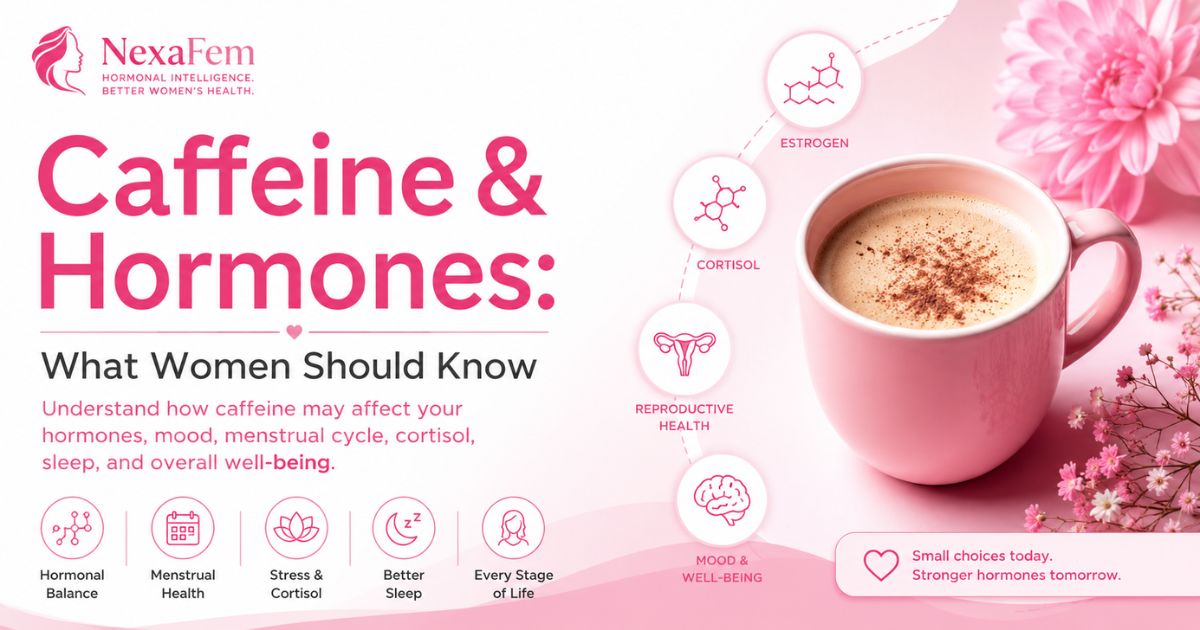
Caffeine & Hormones: What Women Should Know About Estrogen, Cortisol, and Your Menstrual Cycle
Learn how caffeine may affect estrogen, cortisol, menstrual cycles, sleep, and hormonal balance in women at every life stage.
Many women rely on caffeine to get through busy mornings, demanding workdays, and sleepless nights. Whether it's coffee, tea, energy drinks, or pre-workout supplements, caffeine has become a daily ritual for millions.
But if you've ever wondered why your anxiety feels worse after coffee before your period, why your sleep becomes more disrupted during perimenopause, or whether caffeine affects your hormones at all, you're not alone.
The relationship between caffeine and hormones is more complex than many people realize.
Hormones influence how your body responds to caffeine, and caffeine can influence certain hormonal processes in return. While moderate caffeine intake is generally considered safe for most healthy adults, understanding how it interacts with estrogen, cortisol, sleep, stress, and the menstrual cycle can help women make more informed choices about their health.
At NexaFem, we believe hormonal intelligence starts with understanding how everyday habits affect your body. Small insights can support better long-term wellness and preventive healthcare.
Quick Summary (TL;DR)
Caffeine primarily affects the nervous system and may influence stress hormones such as cortisol.
Hormonal fluctuations throughout the menstrual cycle can change how caffeine affects energy, sleep, and mood.
Research suggests caffeine may influence estrogen levels in some women, although effects vary significantly between individuals.
Excess caffeine may worsen anxiety, sleep disturbances, PMS symptoms, and hormonal stress responses.
Most healthy adults can safely consume moderate amounts of caffeine, but individual tolerance matters.
What Is Caffeine?
Caffeine is a natural stimulant found in coffee, tea, cacao, energy drinks, and some medications.
It works by blocking adenosine, a chemical that promotes sleepiness. As a result, caffeine increases alertness, concentration, and temporary energy levels.
Because caffeine affects the brain, nervous system, adrenal response, sleep quality, and metabolism, it can indirectly influence hormonal health.
According to the NHS and other major health organizations, moderate caffeine consumption is generally safe for most adults when consumed responsibly.
How Are Hormones Connected to Caffeine?
Hormones act as chemical messengers that regulate:
Menstrual cycles
Reproductive health
Stress responses
Sleep
Mood
Metabolism
Energy levels
Because caffeine affects several of these systems, women may notice hormonal-related changes after consuming caffeine.
The most commonly discussed connections involve:
Estrogen
Cortisol
Insulin
Melatonin
Adrenal hormones
The effects vary depending on age, genetics, lifestyle, sleep quality, and overall health.
Does Caffeine Affect Estrogen?
The Short Answer
Yes, caffeine may influence estrogen levels in some women, but the effects are usually modest and vary between individuals.
Research has found that caffeine metabolism differs among women based on genetics, ethnicity, liver function, and hormone levels.
Some studies have suggested that caffeine consumption may slightly alter circulating estrogen levels. However, findings are mixed, and experts do not currently consider moderate caffeine intake a major cause of hormonal imbalance in healthy women.
Why Estrogen Matters
Estrogen helps regulate:
Menstrual cycles
Bone health
Reproductive health
Brain function
Cardiovascular health
Because estrogen naturally fluctuates throughout life, some women become more sensitive to caffeine during certain hormonal stages.
Women may notice stronger caffeine effects during:
The late luteal phase
PMS
Perimenopause
Menopause transition
Caffeine and the Menstrual Cycle
Can Caffeine Affect Your Period?
Caffeine does not directly stop or regulate periods. However, it may influence symptoms associated with the menstrual cycle.
Some women report increased:
Breast tenderness
Anxiety
Irritability
Sleep disturbances
Heart palpitations
particularly during the days leading up to menstruation.
Why Symptoms May Feel Stronger Before Your Period
During the luteal phase, hormone fluctuations can increase sensitivity to:
Stress
Poor sleep
Blood sugar fluctuations
Nervous system stimulation
Because caffeine stimulates the central nervous system, it may amplify these symptoms in sensitive individuals.
Signs You May Be More Sensitive to Caffeine During Your Cycle
Increased jitteriness
Difficulty sleeping
Heightened anxiety
Worsening PMS symptoms
Racing heartbeat
Mood swings
If you notice these patterns, tracking caffeine intake alongside your menstrual symptoms can be helpful. A menstrual symptom tracker or hormone health assessment tool may help identify recurring trends.
Caffeine and Cortisol Levels
What Is Cortisol?
Cortisol is often called the body's primary stress hormone.
Produced by the adrenal glands, cortisol helps regulate:
Stress responses
Blood pressure
Blood sugar
Inflammation
Energy production
The body naturally experiences cortisol peaks in the morning and lower levels at night.
How Caffeine Influences Cortisol
Research suggests caffeine can temporarily increase cortisol production, especially in people who do not consume caffeine regularly.
This effect is generally short-lived but may be more noticeable when:
Consuming caffeine on an empty stomach
Experiencing chronic stress
Sleeping poorly
Consuming large amounts of caffeine
For women already dealing with high stress, burnout, or hormonal transitions, excessive caffeine may contribute to feeling more wired, anxious, or exhausted later in the day.
Can Caffeine Cause Hormonal Imbalance?
Current evidence does not support the idea that moderate caffeine alone causes hormonal disorders.
However, excessive caffeine combined with:
Chronic stress
Sleep deprivation
Poor nutrition
Underlying hormonal conditions
may worsen symptoms that women often associate with hormonal imbalance.
Caffeine, Sleep, and Hormonal Health
One of the most important hormonal effects of caffeine may actually occur through sleep.
Sleep influences numerous hormones, including:
Cortisol
Estrogen
Progesterone
Growth hormone
Insulin
Poor sleep can contribute to:
Mood changes
Fatigue
Weight changes
Increased stress responses
Menstrual irregularities
If caffeine consumption interferes with sleep quality, hormonal wellness may be indirectly affected.
The CDC highlights sleep as a critical pillar of overall health and well-being.
Caffeine and Perimenopause
Perimenopause is a time of significant hormonal change.
Many women notice that caffeine affects them differently than it did in their twenties.
Common experiences include:
Increased anxiety
Hot flashes
Sleep disruption
Palpitations
Heightened sensitivity to stimulants
Because estrogen levels fluctuate unpredictably during perimenopause, caffeine tolerance may change over time.
Women experiencing these symptoms may benefit from reducing afternoon caffeine intake and monitoring symptom patterns.
For a deeper understanding of hormonal changes, exploring content about early signs of perimenopause can provide additional context.
Can Caffeine Affect Fertility?
Current evidence suggests moderate caffeine intake is unlikely to significantly impact fertility in most healthy women.
However, organizations such as ACOG recommend limiting caffeine intake during pregnancy and when trying to conceive.
Women planning pregnancy should discuss individualized caffeine recommendations with their healthcare provider.
Risk Factors for Caffeine Sensitivity
Some women are naturally more sensitive to caffeine.
Risk factors include:
Anxiety disorders
Panic attacks
Sleep disorders
Perimenopause
High stress levels
Certain medications
Genetic differences in caffeine metabolism
Sensitivity does not necessarily mean caffeine is harmful. It simply means lower amounts may produce stronger effects.
How Is Caffeine-Related Hormonal Sensitivity Identified?
There is no specific test for caffeine-related hormonal sensitivity.
Healthcare providers typically assess:
Symptom history
Menstrual patterns
Sleep quality
Stress levels
Medication use
Dietary habits
In some cases, hormone testing may be recommended if symptoms suggest an underlying endocrine condition.
Lifestyle Tips for Better Hormonal Balance
Rather than eliminating caffeine entirely, many women benefit from creating healthier caffeine habits.
Consider:
Avoiding caffeine late in the day
Eating before consuming coffee
Prioritizing quality sleep
Managing stress levels
Staying hydrated
Monitoring menstrual symptoms
Limiting highly caffeinated energy drinks
Women seeking personalized insights may benefit from a hormone symptom tracker or personalized wellness assessment that helps identify patterns between lifestyle habits and hormonal changes.
Common Mistakes Women Make
Many women unknowingly make caffeine-related choices that may worsen symptoms.
Common mistakes include:
Using caffeine to compensate for chronic sleep deprivation
Drinking coffee on an empty stomach
Ignoring anxiety symptoms
Consuming excessive energy drinks
Assuming caffeine affects everyone the same way
Overlooking menstrual cycle-related sensitivity
Understanding your body's unique responses is often more valuable than following strict wellness trends.
Mental Wellness and Caffeine
Mental health and hormonal health are closely connected.
For some women, moderate caffeine improves:
Focus
Productivity
Alertness
For others, it may worsen:
Anxiety
Restlessness
Irritability
Panic symptoms
Women experiencing persistent mood changes should consider reviewing caffeine intake as one part of a broader mental wellness strategy.
Learning about the connection between stress, hormones, and women's mental health can offer additional support.
When to See a Doctor
Speak with a healthcare professional if you experience:
Severe menstrual changes
Persistent insomnia
Ongoing anxiety
Significant fatigue
Irregular periods
New hormonal symptoms
Symptoms affecting daily life
Hormonal symptoms can have many causes, and professional evaluation may help identify underlying conditions.
Red Flag Symptoms
Seek medical attention promptly if you experience:
Chest pain
Severe palpitations
Fainting
Shortness of breath
Sudden severe anxiety episodes
Significant unexplained menstrual changes
These symptoms require proper medical assessment and should not be attributed to caffeine alone.
Final Thoughts
Caffeine is neither a hormonal villain nor a miracle health booster.
For most women, moderate caffeine consumption can be part of a healthy lifestyle. However, hormonal fluctuations throughout the menstrual cycle, reproductive years, and perimenopause can influence how caffeine feels and functions in the body.
Paying attention to patterns between caffeine, sleep, mood, stress, and menstrual symptoms can provide valuable insight into your overall well-being.
At NexaFem, we believe preventive women's healthcare begins with awareness. Understanding how everyday habits interact with your hormones empowers you to make informed choices, recognize changes early, and build a healthier relationship with your body over time.
Sources & References
World Health Organization (WHO): https://www.who.int
National Health Service (NHS): https://www.nhs.uk
American College of Obstetricians and Gynecologists (ACOG): https://www.acog.org
Centers for Disease Control and Prevention (CDC): https://www.cdc.gov
National Institute for Health and Care Excellence (NICE): https://www.nice.org.uk
Disclaimer
This article is provided for informational and educational purposes only and is not intended to replace professional medical advice, diagnosis, or treatment. Health information should always be interpreted in the context of an individual's unique medical history and circumstances. If you have concerns about hormonal health, menstrual symptoms, fertility, menopause, or any other medical condition, please consult a qualified healthcare professional or licensed physician for personalized guidance and appropriate care.
Frequently Asked Questions
Share this post
Comments (0)
No comments yet. Be the first to comment!