
Why Preventive Health Screenings Matter for Women: A Complete Guide to Early Detection and Long-Term Wellness
Learn why preventive health screenings for women are essential for early disease detection, hormonal health, and lifelong wellness.
Many women are experts at caring for others but often postpone caring for themselves.
Life gets busy. Work deadlines, family responsibilities, social commitments, and everyday stress can make healthcare feel like something that can wait. Yet many serious health conditions—including cervical cancer, breast cancer, diabetes, hypertension, and osteoporosis—often develop quietly, without obvious symptoms in their early stages.
This is where preventive health screenings for women become so important.
Preventive screenings help identify health concerns before they become serious problems. They provide opportunities for early intervention, better treatment outcomes, and greater peace of mind. Most importantly, they empower women to make informed decisions about their health long before symptoms interfere with their quality of life.
In today's healthcare landscape, preventive care is increasingly becoming personalized. Combined with digital health tools, symptom tracking, and AI-powered health insights, women can gain a deeper understanding of their bodies and health risks than ever before.
Quick Summary (TL;DR)
Preventive health screenings for women help detect diseases before symptoms appear.
Early disease detection in women can significantly improve treatment outcomes.
Recommended screenings vary by age, family history, lifestyle, and health risks.
Regular screenings support hormonal health, reproductive wellness, heart health, and mental well-being.
Preventive care works best when combined with healthy lifestyle habits and ongoing health awareness.
What Are Preventive Health Screenings?
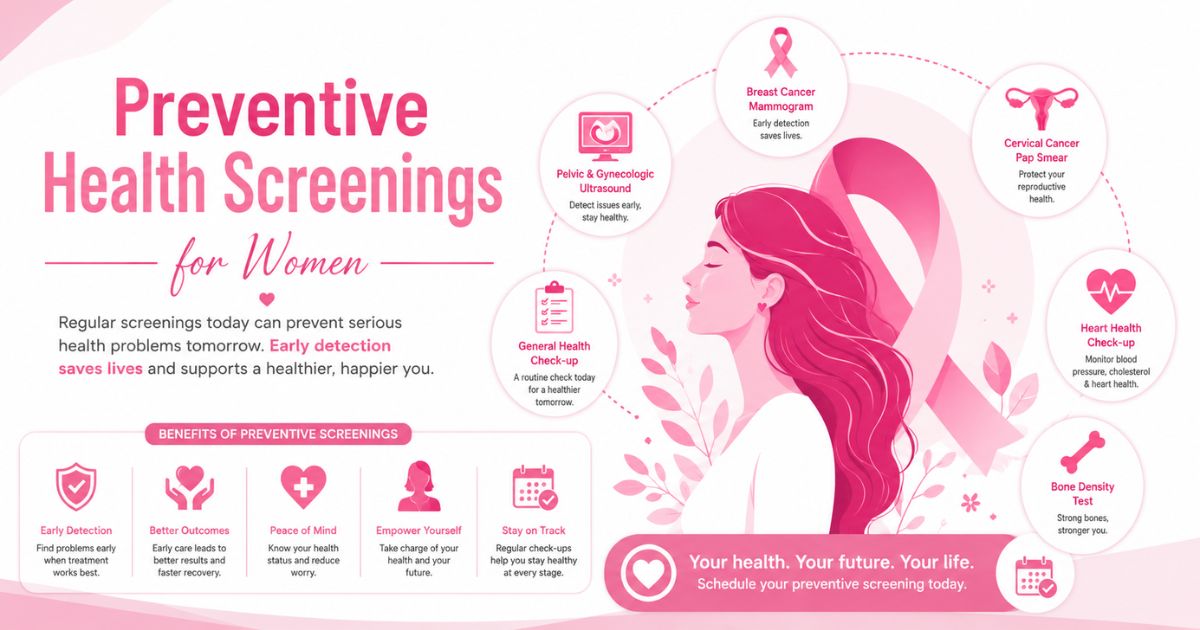
Preventive health screenings are medical tests, examinations, or assessments designed to identify potential health conditions before symptoms develop.
The goal is not to diagnose illness after it occurs. The goal is to find risk factors or early signs of disease when intervention is often most effective.
Examples include:
Blood pressure checks
Cholesterol testing
Cervical cancer screening
Breast cancer screening
Diabetes screening
Bone density assessments
Mental health evaluations
Reproductive health examinations
According to the World Health Organization (WHO), prevention and early detection remain among the most effective strategies for reducing disease burden and improving long-term health outcomes.
Why Are Preventive Health Screenings Important for Women?
Early Disease Detection Saves Lives
Many serious conditions begin silently.
High blood pressure may not cause symptoms for years. Early-stage cervical cancer often develops without noticeable warning signs. Type 2 diabetes may progress gradually before diagnosis.
Regular screenings can identify:
Cancer precursors
Cardiovascular disease risks
Metabolic disorders
Hormonal imbalances
Bone health concerns
Mental health conditions
The earlier a condition is identified, the more treatment options are typically available.
Women's Health Needs Change Throughout Life
A woman's healthcare needs evolve through:
Adolescence
Reproductive years
Pregnancy
Perimenopause
Menopause
Healthy aging
Each stage comes with unique screening recommendations.
For example, cervical cancer screening becomes important during reproductive years, while bone density testing becomes increasingly relevant after menopause.
Prevention Supports Overall Wellness
Preventive care for women's health extends beyond disease detection.
Screenings can reveal:
Nutrient deficiencies
Hormonal changes
Cardiovascular risks
Mental health concerns
Lifestyle-related health issues
This broader understanding allows women to take proactive steps toward wellness.
Common Women's Wellness Screenings by Age
Ages 18–24
Women in this age group should focus on:
Annual wellness visits
Blood pressure screening
Sexual and reproductive health assessments
Mental health screening
STI testing when appropriate
HPV vaccination discussions
This stage is also ideal for developing menstrual health awareness and understanding what constitutes a healthy cycle.
Ages 25–34
Recommended screenings often include:
Cervical cancer screening
Blood pressure monitoring
Cholesterol testing when indicated
Mental health assessments
Diabetes risk evaluation
Reproductive and fertility discussions
Women experiencing irregular cycles may benefit from learning more about hormonal imbalance symptoms and PCOS risk factors.
Ages 35–45
Health priorities begin to shift toward long-term disease prevention.
Screenings may include:
Breast health assessments
Cholesterol testing
Diabetes screening
Thyroid evaluation when symptoms exist
Cardiovascular risk assessment
Reproductive hormone evaluation
This is also an important time to understand how stress and hormonal health can affect long-term wellness.
Perimenopause and Menopause
Women approaching menopause should discuss:
Bone density testing
Breast cancer screening
Cardiovascular health screening
Diabetes monitoring
Menopause symptom assessment
Hormonal health evaluations
The NHS emphasizes that preventive care remains important throughout midlife and beyond, particularly because cardiovascular and bone health risks increase with age.
What Conditions Can Preventive Screenings Detect?
Cardiovascular Disease
Heart disease remains a leading health concern for women.
Screenings may identify:
High blood pressure
High cholesterol
Metabolic syndrome
Diabetes risk factors
Early detection allows lifestyle changes and medical interventions before serious complications develop.
Cervical Cancer
Routine cervical screening helps identify abnormal cell changes before they progress into cancer.
Organizations including the NHS and ACOG continue to recommend cervical screening as a critical preventive health measure.
Breast Cancer
Breast screening recommendations vary based on age and individual risk factors.
Early detection often improves treatment success and outcomes.
Type 2 Diabetes
Blood glucose testing can detect:
Prediabetes
Insulin resistance
Type 2 diabetes
Women with PCOS may have an increased risk of insulin resistance, making preventive monitoring particularly valuable.
Osteoporosis
Bone loss can occur gradually and without symptoms.
Bone density testing helps identify osteoporosis risk before fractures occur.
Mental Health Conditions
Mental wellness is an essential component of preventive care.
Screenings can help identify:
Anxiety
Depression
Chronic stress
Burnout
Mental health deserves the same proactive attention as physical health.
Risk Factors That May Require Earlier Screening
Some women may need earlier or more frequent screenings.
Risk factors include:
Family history of cancer
Family history of heart disease
Obesity
Smoking
Diabetes
PCOS
Autoimmune conditions
High blood pressure
Previous abnormal screening results
Your healthcare provider can recommend a personalized screening schedule based on your individual risk profile.
How Hormonal Health Influences Preventive Care
Hormones influence nearly every system in the body.
Changes in estrogen, progesterone, insulin, cortisol, and thyroid hormones can affect:
Menstrual cycles
Fertility
Metabolism
Mood
Sleep
Bone health
Cardiovascular health
Symptoms such as irregular periods, unexplained weight changes, fatigue, acne, hair thinning, or mood fluctuations should not be ignored.
Tracking these symptoms through a hormone health tracker or menstrual intelligence platform can help identify patterns worth discussing with a healthcare professional.
Nutrition and Lifestyle Support Preventive Health
Screenings are only one part of preventive healthcare.
Healthy habits can significantly reduce disease risk.
Nutrition Priorities
Focus on:
Fruits and vegetables
Whole grains
Lean proteins
Healthy fats
Calcium-rich foods
Vitamin D sources
Adequate hydration
Physical Activity
The CDC recommends regular physical activity to support cardiovascular, metabolic, and mental health.
Aim for:
Aerobic exercise
Strength training
Flexibility work
Daily movement
Sleep and Stress Management
Chronic stress and poor sleep can affect:
Hormonal balance
Immune function
Blood pressure
Mental health
Practices such as mindfulness, relaxation techniques, and consistent sleep routines can support long-term wellness.
Common Mistakes Women Make About Preventive Care
Many women unintentionally delay care because they believe:
"I feel healthy, so I don't need screenings."
"I'm too young to have health problems."
"No symptoms means nothing is wrong."
"I'll schedule it later."
Unfortunately, many preventable conditions develop before symptoms appear.
Preventive screenings are most effective when completed consistently rather than reactively.
Red Flag Symptoms That Should Never Be Ignored
Seek medical attention if you experience:
Unexplained vaginal bleeding
Breast lumps or changes
Persistent pelvic pain
Sudden weight loss
Severe fatigue
Chest pain
Shortness of breath
New neurological symptoms
Persistent digestive changes
These symptoms do not necessarily indicate serious illness but should always be evaluated promptly.
When to See a Doctor
Schedule a healthcare visit if:
You're due for routine screenings.
You have a family history of chronic disease.
You notice new or unusual symptoms.
Your menstrual cycle changes significantly.
You are entering perimenopause.
You have concerns about fertility, hormones, or mental health.
Preventive care works best when concerns are addressed early.
How AI Is Transforming Preventive Women's Healthcare
Modern healthcare is moving beyond one-size-fits-all recommendations.
AI-powered women's health platforms can help women:
Track symptoms
Monitor cycle patterns
Identify health trends
Improve screening awareness
Support healthcare conversations
At NexaFem, the vision is simple: empower women with preventive intelligence, personalized insights, and better health awareness before small concerns become larger problems.
Technology cannot replace medical professionals, but it can help women become more informed, proactive participants in their healthcare journey.
Final Thoughts
Women's health is not only about treating illness—it is about protecting wellness before problems arise.
Preventive health screenings for women offer one of the most powerful tools for early disease detection, healthier aging, and informed decision-making. Whether you're navigating your twenties, planning a pregnancy, managing PCOS, approaching menopause, or simply prioritizing your well-being, preventive care creates opportunities to act early, stay informed, and feel more confident about your health.
Every screening is more than a medical appointment. It is an investment in your future health, resilience, and quality of life.
The earlier you understand your body, the more empowered you become to care for it.
Sources & References
World Health Organization (WHO)
https://www.who.int
National Health Service (NHS)
https://www.nhs.uk
American College of Obstetricians and Gynecologists (ACOG)
https://www.acog.org
Centers for Disease Control and Prevention (CDC)
https://www.cdc.gov
National Institute for Health and Care Excellence (NICE)
https://www.nice.org.uk
Frequently Asked Questions
Share this post
Comments (0)
No comments yet. Be the first to comment!