

Telehealth & the Future of Women’s Wellness: A New Era of Personalized Care
Discover how telehealth for women is transforming preventive care, hormonal health, fertility, menopause, and wellness support.
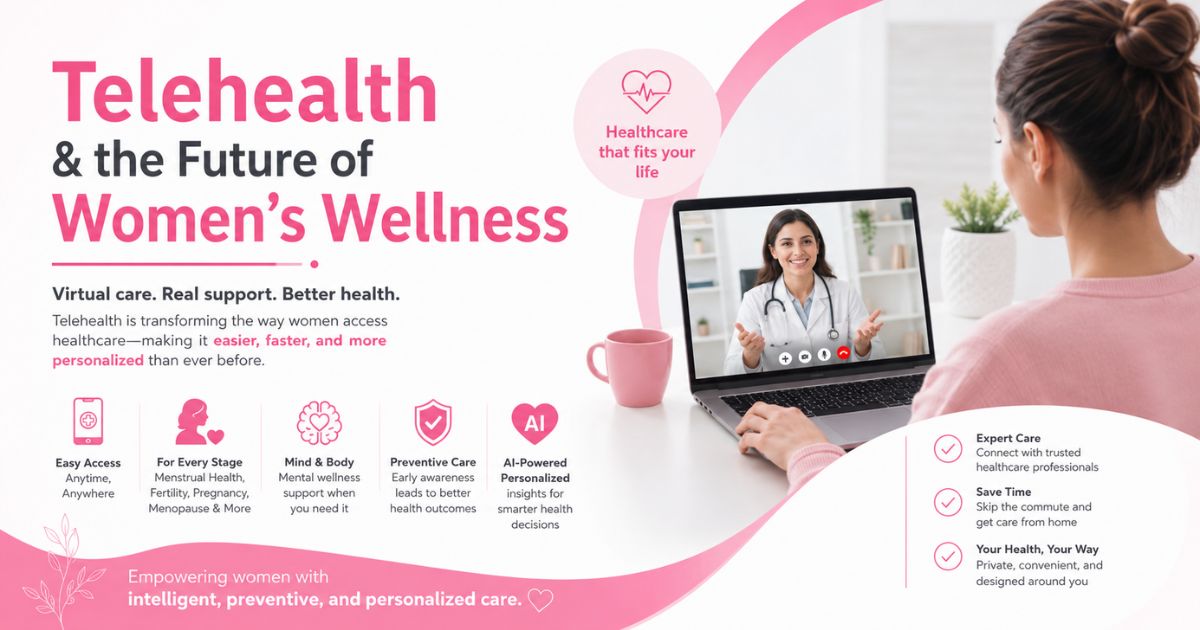
For many women, healthcare doesn't fit neatly into a schedule.
Between work responsibilities, caregiving, family commitments, education, and everyday life, finding time for medical appointments can feel overwhelming. Sometimes symptoms get ignored—not because they aren't important, but because accessing care feels difficult.
A woman experiencing irregular periods may delay speaking to a healthcare provider. Someone struggling with menopause symptoms might assume it's simply something she has to tolerate. Another may postpone preventive screenings because of time constraints or lack of local specialists.
This is where telehealth is changing the future of women's wellness.
Today, digital healthcare technologies are making it easier than ever for women to access professional medical guidance, preventive care, mental health support, and ongoing wellness monitoring from home. More importantly, telehealth is helping shift healthcare from reactive treatment toward proactive and preventive care.
As artificial intelligence, remote monitoring, and personalized health technologies continue to evolve, women are entering a new era of healthcare that is more accessible, connected, and personalized than ever before.
Quick Summary (TL;DR)
Telehealth for women allows access to healthcare services remotely through video, phone, messaging, and digital platforms.
Virtual care can support menstrual health, PCOS, fertility, pregnancy, menopause, mental wellness, and preventive healthcare.
Telehealth improves access, convenience, and continuity of care for women in different life stages.
AI-powered health tools are helping women track symptoms, identify patterns, and support early intervention.
Telehealth complements—not replaces—necessary in-person examinations and emergency care.
What Is Telehealth for Women?
Telehealth for women refers to the delivery of healthcare services through digital communication technologies such as:
Video consultations
Telephone appointments
Secure messaging platforms
Mobile health applications
Remote patient monitoring tools
According to the World Health Organization (WHO), digital health technologies can improve healthcare accessibility, strengthen health systems, and support patient-centered care. World Health Organization Digital Health Resources
Telehealth is increasingly becoming part of modern women's healthcare because many health concerns require ongoing communication, symptom tracking, education, and follow-up rather than immediate physical procedures.
Why Is Telehealth Becoming So Important for Women's Health?
Women's health often involves long-term health journeys rather than one-time appointments.
Conditions such as:
PCOS
Endometriosis
Menstrual disorders
Fertility challenges
Pregnancy care
Perimenopause
Menopause
Mental health concerns
typically require continuous monitoring and personalized guidance.
Traditional healthcare systems can sometimes make ongoing care difficult due to scheduling limitations, travel requirements, or specialist shortages.
Virtual women's healthcare helps bridge these gaps by making healthcare more accessible and consistent.
Key Benefits of Telehealth for Women
Improved Access to Specialists
Women living in rural or underserved areas may gain access to gynecologists, endocrinologists, fertility specialists, mental health professionals, and menopause experts without extensive travel.
Greater Convenience
Appointments can often be completed from home, reducing time away from work, childcare responsibilities, or education.
Better Follow-Up Care
Many chronic women's health conditions require regular check-ins. Telehealth makes follow-up appointments easier and more sustainable.
Increased Preventive Care Engagement
Women who find it difficult to attend in-person visits may be more likely to seek healthcare advice when virtual options are available.
How Telehealth Supports Different Stages of Women's Health
Menstrual Health and Cycle Tracking
Many women experience symptoms that are often dismissed or normalized.
Examples include:
Painful periods
Heavy bleeding
Irregular cycles
Severe PMS symptoms
Telehealth appointments can help women discuss symptoms earlier and receive appropriate evaluations.
Combined with digital tools such as a menstrual intelligence tracker, women can identify patterns that help healthcare providers make more informed decisions.
This supports earlier investigation of conditions such as PCOS, endometriosis, and hormonal imbalances.
PCOS and Hormonal Health Management
PCOS affects millions of women worldwide and often requires long-term management.
Telehealth can support:
Symptom monitoring
Lifestyle counseling
Medication follow-up
Weight management guidance
Nutrition education
Mental health support
Women using symptom awareness tools and hormonal health assessments may be able to recognize concerning trends earlier and seek professional advice sooner.
Fertility and Reproductive Health
Telehealth has become increasingly valuable in fertility care.
Virtual consultations can support:
Preconception counseling
Fertility evaluations
Ovulation education
Lifestyle optimization
Follow-up discussions
Treatment planning
The American College of Obstetricians and Gynecologists recognizes telehealth as a useful tool for improving access to reproductive healthcare services. ACOG Telehealth Guidance
Pregnancy and Postpartum Support
Many routine discussions during pregnancy can occur virtually.
Telehealth may assist with:
Prenatal education
Nutrition counseling
Mental health screening
Breastfeeding support
Postpartum recovery discussions
However, important prenatal examinations and tests still require in-person care.
Perimenopause and Menopause Care
Many women enter perimenopause without understanding the changes occurring in their bodies.
Common symptoms include:
Hot flashes
Sleep disturbances
Mood changes
Brain fog
Irregular cycles
Fatigue
Telehealth offers convenient access to menopause-informed healthcare providers who can discuss symptom management and treatment options.
The NHS emphasizes that menopause symptoms can significantly affect quality of life and should be discussed with a healthcare professional when they become disruptive. NHS Menopause Overview
How AI Is Shaping the Future of Women's Wellness
The next generation of telehealth goes beyond virtual appointments.
Artificial intelligence is creating opportunities for more personalized preventive healthcare.
AI-powered platforms may help women:
Track symptoms
Monitor menstrual patterns
Identify health trends
Receive educational guidance
Improve health awareness
Support healthcare conversations
At NexaFem, this vision aligns closely with preventive healthcare—helping women understand their bodies before symptoms become serious enough to disrupt daily life.
Rather than replacing healthcare professionals, AI can act as a supportive tool that encourages earlier awareness and informed decision-making.
Can Telehealth Help Detect Health Problems Earlier?
In many cases, yes.
Early symptom recognition is one of the greatest advantages of connected healthcare.
When women regularly monitor symptoms, they may identify changes such as:
Cycle irregularities
Unexpected weight changes
Mood fluctuations
Persistent fatigue
Sleep disturbances
New pelvic pain
Earlier recognition often leads to earlier conversations with healthcare providers.
According to the Centers for Disease Control and Prevention (CDC), preventive healthcare and regular health monitoring play an important role in improving long-term health outcomes. CDC Preventive Health Resources
What Conditions Can Be Managed Through Online Women's Health Services?
Many healthcare needs can be partially supported through telehealth.
Examples include:
PCOS
Menstrual disorders
PMS and PMDD
Fertility counseling
Menopause symptom management
Mental health support
Nutritional counseling
Preventive healthcare consultations
Sexual health education
Chronic disease follow-up
However, telehealth cannot replace all forms of care.
When Is In-Person Care Still Necessary?
Certain situations require physical examinations, laboratory testing, imaging studies, or emergency treatment.
Examples include:
Severe abdominal pain
Heavy uncontrolled bleeding
Breast lumps
Pregnancy complications
Suspected infections
Abnormal screening results
Emergency symptoms
Telehealth works best when integrated into a comprehensive healthcare system.
Mental Wellness and Telehealth
Women's health and mental health are deeply connected.
Hormonal changes can influence:
Anxiety
Mood changes
Sleep quality
Stress levels
Emotional well-being
Telehealth has significantly expanded access to mental health professionals, making support more accessible for women who may otherwise delay seeking care.
This is especially valuable during:
Postpartum recovery
Fertility treatment journeys
Perimenopause
Chronic health condition management
Risk Factors That Make Telehealth Especially Valuable
Women may particularly benefit from remote healthcare for women if they:
Live in rural areas
Have limited transportation
Manage chronic conditions
Have demanding work schedules
Care for children or aging family members
Need frequent specialist follow-up
Common Mistakes Women Make
Many women unintentionally delay care by:
Ignoring recurring symptoms
Self-diagnosing through social media
Waiting until symptoms become severe
Assuming symptoms are "normal"
Skipping preventive screenings
Not tracking symptom patterns
Early awareness often leads to better healthcare conversations and more personalized care plans.
Lifestyle Tips to Maximize Telehealth Benefits
To get the most from telehealth:
Keep a symptom journal.
Track menstrual cycles regularly.
Record medications and supplements.
Prepare questions before appointments.
Monitor sleep and stress levels.
Stay up to date with recommended screenings.
Using a personalized symptom tracker and women's wellness risk assessment tool can help create more productive discussions with healthcare providers.
Red Flag Symptoms That Need Prompt Medical Attention
Seek immediate medical care if you experience:
Severe chest pain
Difficulty breathing
Sudden severe pelvic pain
Heavy uncontrolled bleeding
Loss of consciousness
Signs of stroke
Severe pregnancy complications
Telehealth should never delay emergency treatment.
When to See a Doctor
Schedule a healthcare consultation if you notice:
Persistent fatigue
Irregular menstrual cycles
Ongoing pelvic pain
New menopause symptoms
Fertility concerns
Mood changes affecting daily life
Unexplained weight changes
Persistent sleep disturbances
Early evaluation often helps identify underlying causes and appropriate treatment options.
Final Thoughts
The future of women's healthcare is becoming more connected, personalized, and preventive.
Telehealth is helping women access care when and where they need it, while emerging technologies such as AI are creating new opportunities for early awareness and proactive wellness management.
The most powerful future isn't one where technology replaces healthcare professionals. It's one where technology helps women understand their bodies better, recognize symptoms earlier, and engage more confidently in their healthcare journeys.
As telehealth continues to evolve, women will have greater opportunities to take control of their health through education, symptom awareness, preventive care, and personalized support.
For organizations like NexaFem, this represents an exciting shift toward a future where every woman has access to intelligent, supportive, and preventive healthcare tools designed around her unique needs.
Sources & References
World Health Organization (WHO)
https://www.who.int/health-topics/digital-health
National Health Service (NHS)
https://www.nhs.uk/conditions/menopause/
American College of Obstetricians and Gynecologists (ACOG)
https://www.acog.org/clinical-information/physician-faqs/telehealth
Centers for Disease Control and Prevention (CDC)
https://www.cdc.gov/prevention/index.html
Disclaimer
This article is intended for informational and educational purposes only and should not be considered medical advice, diagnosis, or treatment. Health information is constantly evolving, and individual circumstances vary. Always consult a qualified healthcare professional, gynecologist, or licensed medical provider regarding any symptoms, medical conditions, treatment decisions, or health concerns. If you are experiencing a medical emergency, seek immediate medical attention.
Frequently Asked Questions
Share this post
Comments (0)
No comments yet. Be the first to comment!