
The Ultimate Guide to Preventive Healthcare for Women
Master your hormonal, menstrual, and reproductive health with this step-by-step beginner's guide to preventive healthcare and digital wellness for women.

According to a sweeping Deloitte Women @ Work report, over 40% of working women regularly work through severe pain related to their menstrual cycles, endometriosis, or menopause. Yet, historically, the medical system has treated these systemic issues as an afterthought, leading to delayed diagnoses and silent suffering. That narrative is finally changing. By integrating a comprehensive women health platform into your daily routine, you can step away from reactive treatments and embrace preventive healthcare for women as a foundational pillar of your personal and professional longevity. Whether you are navigating the complexities of your reproductive years, stepping into executive leadership, or balancing motherhood, understanding your unique biological baseline is the ultimate competitive advantage.
The Paradigm Shift in Female Health Awareness
For decades, women's healthcare was compartmentalized into episodic visits—a yearly exam or an emergency consultation when something went wrong. Today, the landscape is shifting toward continuous, data-driven wellness. Tech giants like Apple have transformed the Apple Watch into a sophisticated tool for period tracking and cycle health, while companies like Google and Meta are rapidly expanding reproductive health benefits to retain top female talent.
This shift from reactive to proactive care means utilizing digital women healthcare tools to monitor biomarkers, track subtle symptoms, and flag irregularities before they compound into chronic issues. According to a Gartner report on healthcare innovations, the adoption of AI-driven digital health solutions is projected to reduce the misdiagnosis of chronic female conditions by up to 30% by 2026. This beginner's guide will break down exactly how you can implement these preventive strategies into your own life, step-by-step.
Step 1: Mapping Your Cycle Health Beyond the Calendar
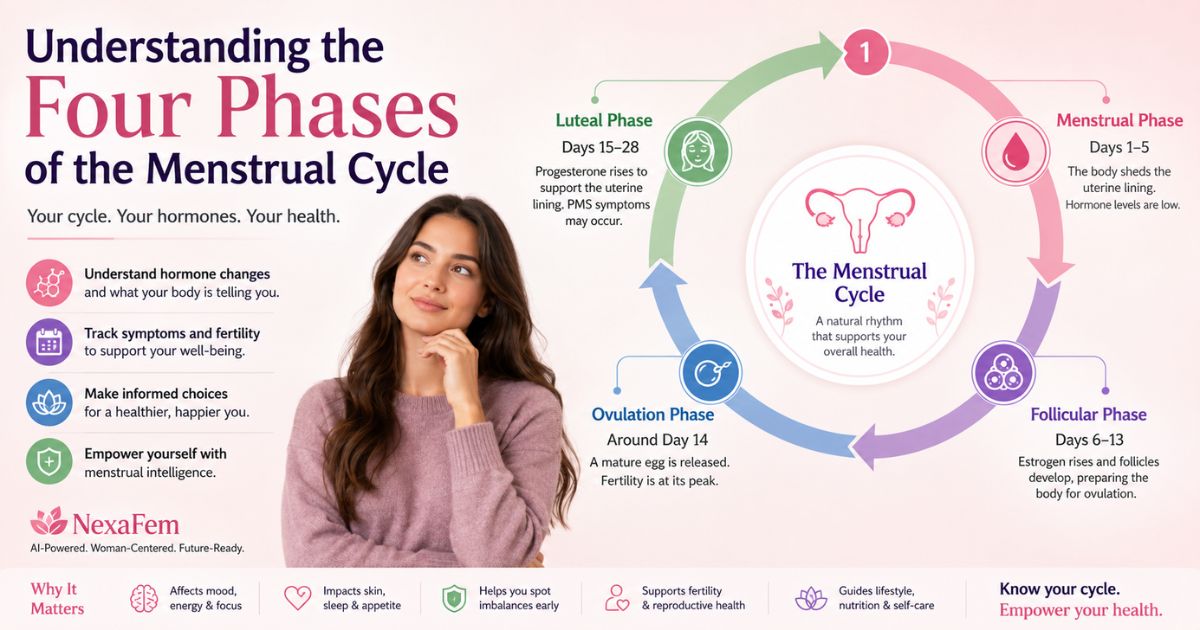
The foundation of preventive care starts with your menstrual cycle. A true women wellness approach recognizes the menstrual cycle as a vital sign—just like your blood pressure or heart rate. Many women only track their cycles to know when their period will start, but a proactive approach requires understanding the four distinct phases: menstrual, follicular, ovulatory, and luteal.
Optimizing Fitness and Nutrition
Your hormone levels fluctuate dramatically throughout the month, impacting your energy, metabolism, and mood. By mapping your cycle, you can tailor your women fitness and nutrition to match your biology.
- Menstrual Phase: Focus on restorative activities like yoga and walking. Increase iron-rich foods and healthy fats to support your body's energy depletion.
- Follicular Phase: Estrogen rises, bringing a surge of energy. This is the optimal time for high-intensity interval training (HIIT) and complex problem-solving at work.
- Ovulatory Phase: Peak estrogen and testosterone levels make this the perfect window for strength training, networking, and high-stakes presentations.
- Luteal Phase: Progesterone dominates, often slowing digestion and increasing fatigue. Pivot to steady-state cardio and complex carbohydrates to stabilize blood sugar.
Step 2: Identifying and Managing PCOS Symptoms
Polycystic Ovary Syndrome (PCOS) affects up to 1 in 10 women of childbearing age, yet it remains vastly underdiagnosed. Early detection is critical to preventing long-term complications like insulin resistance, type 2 diabetes, and cardiovascular issues. Preventive care means recognizing early PCOS symptoms rather than dismissing them as "normal" hormonal fluctuations.
Data-Driven Symptom Tracking
If you suspect you have PCOS, begin tracking specific biomarkers using a reliable women healthcare app. Look for patterns rather than isolated incidents. Key metrics to document include:
- Irregular or skipped menstrual cycles extending beyond 35 days.
- Sudden, unexplained weight gain, particularly around the abdomen.
- Signs of hyperandrogenism, such as adult cystic acne or excessive facial hair.
- Severe energy crashes after carbohydrate-heavy meals, indicating potential insulin resistance.
"Preventive care is no longer just about annual check-ups; it is about continuous, data-driven daily alignment with your biology to ensure long-term vitality."
Step 3: Advocating for Endometriosis Support
Endometriosis is a systemic inflammatory disease where tissue similar to the lining of the uterus grows outside the uterus. Astonishingly, it takes an average of seven to ten years for a woman to receive an accurate diagnosis. This delay often results in years of severe pain, diminished mental health, and compromised fertility health. Securing proper endometriosis support requires becoming your own most fiercely armed advocate.
Building a Medical Dossier
Doctors rely heavily on patient-reported data. To accelerate your path to a diagnosis, treat your symptom tracking like an executive report. Document the exact severity, duration, and type of pain you experience. Note whether the pain correlates with ovulation, menstruation, or specific dietary triggers. When you present a physician with three months of meticulously logged data from your reproductive health app, you transition from a patient with a subjective complaint to an informed individual with actionable clinical data.
Step 4: Balancing Hormone Health and Mental Wellness
The mind-body connection in women's health cannot be overstated. A significant portion of women mental wellness issues—including anxiety, brain fog, and depressive episodes—can be traced back to an underlying hormonal imbalance. The interplay between cortisol (the stress hormone), estrogen, and progesterone dictates much of our cognitive function and emotional resilience.
Proactive Hormone Management
High-stress environments, common in modern corporate cultures, keep cortisol levels chronically elevated. This "cortisol steal" can disrupt the production of progesterone, leading to estrogen dominance. The resulting imbalance manifests as severe PMS, mood swings, and disrupted sleep. Preventive steps include scheduling regular comprehensive thyroid panels (TSH, Free T3, Free T4) and utilizing stress-reduction techniques scientifically proven to lower cortisol, such as mindfulness, proper sleep hygiene, and targeted supplementation.
Step 5: Future-Proofing Fertility and Menopause Support
Whether you plan to have children or not, your fertility health is a direct reflection of your overall systemic wellness. Similarly, preparation for menopause should begin years before your final period. Perimenopause can start in a woman's late 30s or early 40s, bringing a host of unpredictable symptoms.
Leveraging AI Healthcare for Women
The future of proactive menopause support and fertility preservation lies in technology. Today's most advanced women health solutions utilize predictive algorithms to analyze your historical cycle data, basal body temperature, and luteinizing hormone levels. AI healthcare for women can flag the early signs of declining ovarian reserve or the onset of perimenopause long before traditional symptoms appear. By embracing these digital tools, you can explore options like egg freezing, hormone replacement therapy (HRT), or targeted nutritional interventions with ample time to make empowered decisions.
Key Takeaways
- Proactive over Reactive: Shift from treating symptoms to utilizing a women health platform for baseline tracking and preventive care.
- Cycle Syncing: Adapt your women fitness and nutrition routines to the four phases of your menstrual cycle to optimize energy and productivity.
- Data is Power: Meticulously track PCOS symptoms and potential endometriosis pain to accelerate accurate medical diagnoses.
- Hormonal Harmony: Recognize the direct link between a hormonal imbalance and your overall women mental wellness.
- Embrace Technology: Utilize AI healthcare for women and digital apps to future-proof your fertility and navigate perimenopause seamlessly.
Final Thoughts
Taking control of your biology is one of the most empowering professional and personal investments you can make. The days of accepting pain, fatigue, and confusion as a "normal" part of womanhood are over. By leveraging data, technology, and a proactive mindset, you can transform your approach to well-being. Start your journey today with NexaFem's comprehensive suite of tools, and step into a future where your health strategy is just as sophisticated, predictive, and resilient as you are.
Frequently Asked Questions
Share this post
Comments (0)
No comments yet. Be the first to comment!