
Understanding High Blood Pressure in Women: Symptoms, Risks & Prevention
High blood pressure in women is often called a “silent killer” because it may develop without noticeable symptoms while increasing the risk of heart disease, stroke, kidney problems, and pregnancy complications. Hormonal changes, stress, lifestyle habits, and family history can all contribute to hypertension in women. Understanding the warning signs, risk factors, and preventive measures can help women protect their heart health and live a healthier life.
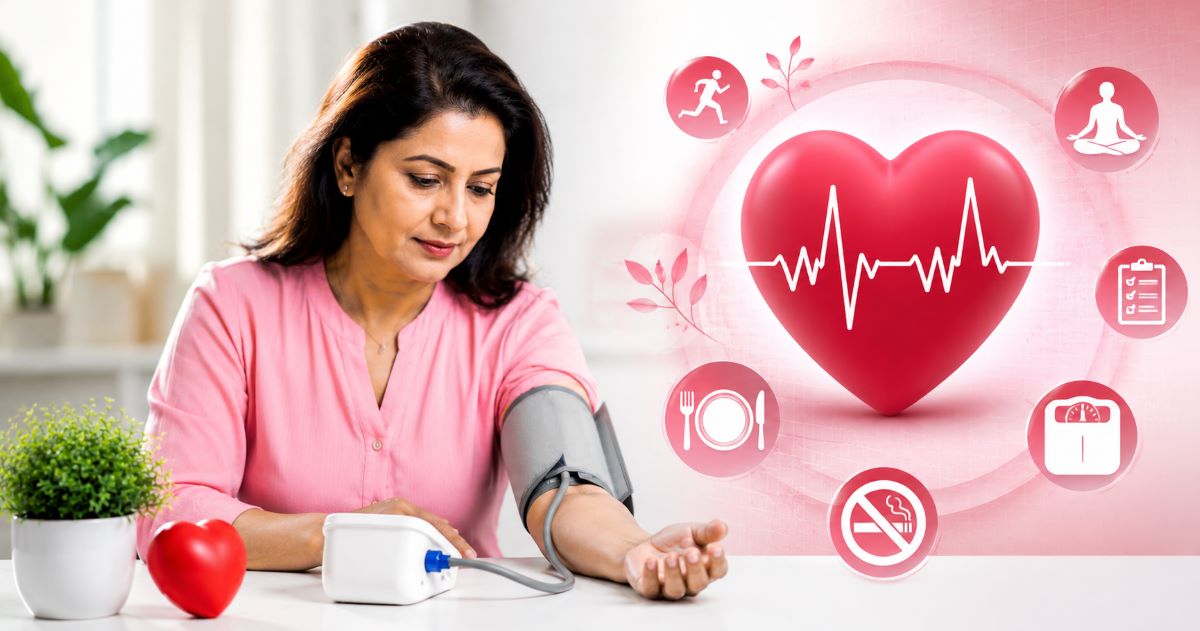
High blood pressure, or hypertension, is a growing health concern among women of all ages. Often known as the “silent killer,” it can quietly damage the heart, brain, kidneys, and blood vessels without showing clear symptoms. Hormonal changes, stress, unhealthy lifestyle habits, pregnancy complications, and menopause can all increase a woman’s risk of developing hypertension. Early awareness and preventive care are essential to maintaining long-term health and wellness.
What is High Blood Pressure?
Blood pressure measures the force of blood pushing against artery walls. When this pressure remains consistently high, the heart has to work harder to pump blood throughout the body. Over time, uncontrolled hypertension can lead to serious medical complications such as heart disease, stroke, kidney failure, and vision loss.
A healthy blood pressure level is generally considered around 120/80 mmHg, while readings above 140/90 mmHg may indicate hypertension.
Why Women Are at Higher Risk
Women experience unique hormonal and physiological changes that can directly affect blood pressure levels. Certain life stages and health conditions make women more vulnerable to hypertension, including:
Pregnancy-related complications
Menopause and hormonal imbalance
Polycystic Ovary Syndrome (PCOS)
Stress and anxiety disorders
Birth control pills or hormone therapy
Obesity and lack of physical activity
Family history of hypertension
Women above the age of 40 are especially encouraged to monitor their blood pressure regularly.
Common Symptoms of High Blood Pressure in Women
In many cases, hypertension develops silently without noticeable symptoms. However, some women may experience warning signs such as:
Persistent headaches
Dizziness or lightheadedness
Blurred vision
Chest discomfort or palpitations
Fatigue and weakness
Shortness of breath
Nosebleeds in severe cases
Ignoring these symptoms can increase the risk of severe complications.
Health Risks Associated with Hypertension
Untreated high blood pressure can seriously affect multiple organs in the body. Potential complications include:
Heart Disease
High blood pressure strains the heart and increases the risk of heart attack, heart failure, and blocked arteries.
Stroke
Hypertension can damage blood vessels in the brain, leading to stroke or reduced brain function.
Kidney Damage
The kidneys rely on healthy blood vessels to filter waste. High pressure can weaken these vessels over time.
Pregnancy Complications
Women with hypertension during pregnancy may face complications such as preeclampsia, premature delivery, or low birth weight.
Vision Problems
High blood pressure can damage the tiny blood vessels in the eyes, affecting vision.
Effective Ways to Prevent High Blood Pressure
Follow a Heart-Healthy Diet
Include fresh fruits, vegetables, whole grains, lean proteins, and low-fat dairy products in your daily meals. Reduce salt, processed foods, and sugary beverages.
Exercise Regularly
Physical activity helps maintain healthy blood circulation and weight. Walking, yoga, swimming, and cycling are excellent options.
Maintain a Healthy Weight
Excess body weight increases pressure on the heart and arteries. Losing even a small amount of weight can improve blood pressure levels.
Reduce Stress
Stress management techniques such as meditation, deep breathing, and proper sleep can help control hypertension naturally.
Avoid Smoking and Excess Alcohol
Smoking damages blood vessels, while excessive alcohol intake can raise blood pressure significantly.
Get Regular Health Checkups
Routine monitoring allows early diagnosis and timely treatment before complications develop.
Final Thoughts
High blood pressure in women is a serious but manageable condition. By understanding the symptoms, identifying personal risk factors, and adopting healthier lifestyle habits, women can significantly reduce the risk of heart disease and other complications. Early prevention, regular monitoring, and proper medical guidance are the foundation of a healthier and longer life.
Frequently Asked Questions
Share this post
Comments (0)
No comments yet. Be the first to comment!