
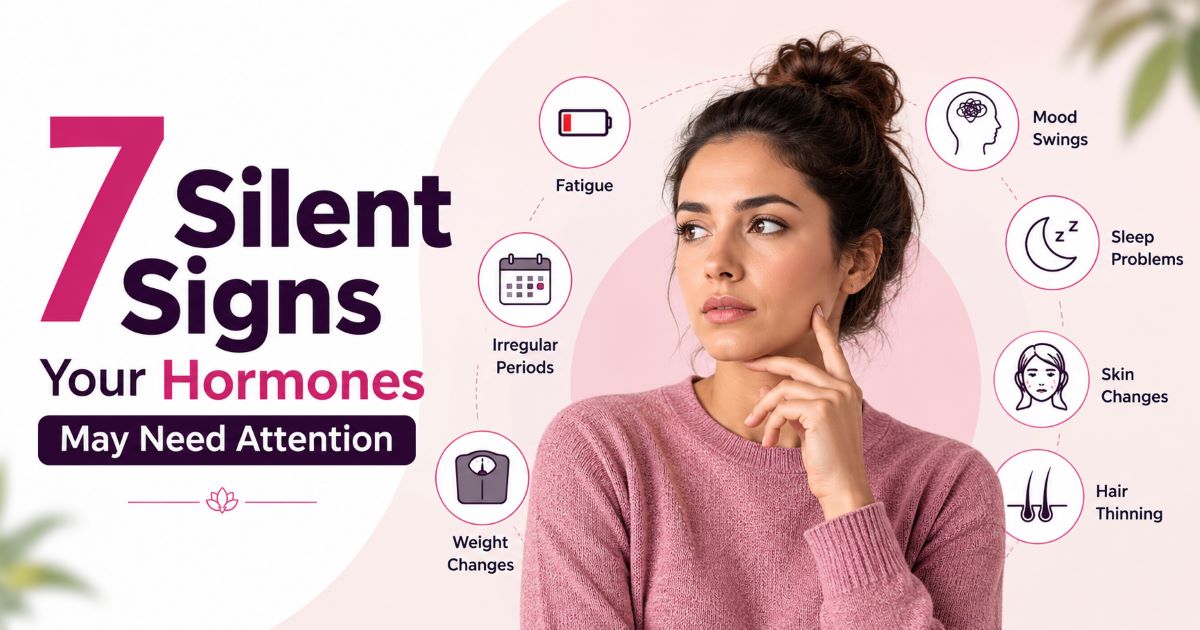
7 Silent Signs Your Hormones May Need Attention
Hormones influence nearly every aspect of a woman's health—from energy levels and mood to metabolism, sleep, and reproductive health. When hormones become imbalanced, the signs are often subtle and easy to overlook. Understanding these early warning signals can help you take proactive steps toward better health and well-being.
Hormones act as chemical messengers that regulate many important functions in the body, including mood, metabolism, sleep, menstrual cycles, and fertility. Even small hormonal fluctuations can affect how you feel physically and emotionally.
While hormonal changes are a natural part of life, persistent symptoms may indicate that your hormones need attention. Here are seven common signs women should never ignore.
1. Unexplained Fatigue
Feeling tired after a busy day is normal. However, constant exhaustion that doesn't improve with rest may be linked to hormonal imbalances.
Hormones such as thyroid hormones, cortisol, and estrogen play important roles in energy production. When these hormones are out of balance, you may feel drained even after getting enough sleep.
Common signs include:
Low energy throughout the day
Difficulty concentrating
Feeling exhausted after minor activities
Lack of motivation
2. Irregular Menstrual Cycles
Your menstrual cycle is one of the clearest indicators of hormonal health.
Periods that become irregular, unusually heavy, very light, or frequently missed may signal changes in hormone levels.
Possible causes include:
Polycystic Ovary Syndrome (PCOS)
Thyroid disorders
Stress-related hormonal changes
Perimenopause
Tracking your cycle can help identify patterns that may require medical attention.
3. Sudden Weight Changes
Unexpected weight gain or difficulty losing weight despite maintaining healthy habits may be related to hormonal fluctuations.
Hormones influence:
Metabolism
Appetite
Fat storage
Blood sugar regulation
Conditions involving thyroid hormones, insulin resistance, or cortisol imbalance can contribute to noticeable weight changes.
4. Persistent Mood Swings
Hormones significantly influence emotional well-being.
Fluctuations in estrogen and progesterone may affect brain chemicals responsible for mood regulation, leading to:
Irritability
Anxiety
Increased emotional sensitivity
Feelings of sadness
If mood changes become frequent or interfere with daily life, it may be worth discussing them with a healthcare professional.
5. Sleep Problems
Difficulty falling asleep, waking up frequently during the night, or poor sleep quality can sometimes be linked to hormonal changes.
Hormones involved in sleep regulation include:
Melatonin
Cortisol
Progesterone
Hormonal imbalances may disrupt the body's natural sleep-wake cycle, leaving you feeling tired and unrefreshed.
6. Skin Changes and Acne
Occasional breakouts are common, but persistent acne or sudden skin changes can sometimes indicate hormonal shifts.
Hormonal acne often appears:
Along the jawline
Chin area
Lower cheeks
Changes in androgen levels may increase oil production and contribute to recurring breakouts.
7. Hair Thinning or Excess Hair Growth
Hair health can be closely connected to hormone levels.
Hormonal imbalances may cause:
Increased hair shedding
Thinning hair
Slower hair growth
Excess facial or body hair
These symptoms are often associated with conditions such as PCOS or thyroid disorders.
How to Support Hormonal Health
While some hormonal changes are unavoidable, healthy lifestyle habits can support hormonal balance:
Eat a nutrient-rich diet
Exercise regularly
Prioritize quality sleep
Manage stress effectively
Stay hydrated
Schedule regular health check-ups
Small daily habits can make a meaningful difference in overall well-being.
When Should You Seek Medical Advice?
Consider speaking with a healthcare professional if you experience:
Persistent fatigue
Irregular periods
Significant weight changes
Severe mood swings
Ongoing sleep problems
Excessive hair loss
Symptoms that interfere with daily life
Early evaluation can help identify underlying causes and support appropriate treatment.
Final Thoughts
Hormonal imbalances don't always announce themselves with obvious symptoms. Often, the body sends subtle signals long before more noticeable problems develop. Paying attention to changes in your energy, mood, menstrual cycle, sleep, skin, and hair can help you better understand your health and seek support when needed.
The more aware you are of these silent signs, the easier it becomes to take proactive steps toward maintaining hormonal balance and overall wellness.
Frequently Asked Questions
Share this post
Comments (0)
No comments yet. Be the first to comment!