
7 Silent Symptoms Your Hormones May Be Out of Balance
Discover 7 silent symptoms of hormone imbalance in women, learn their possible causes, and explore practical ways to support better hormonal health.
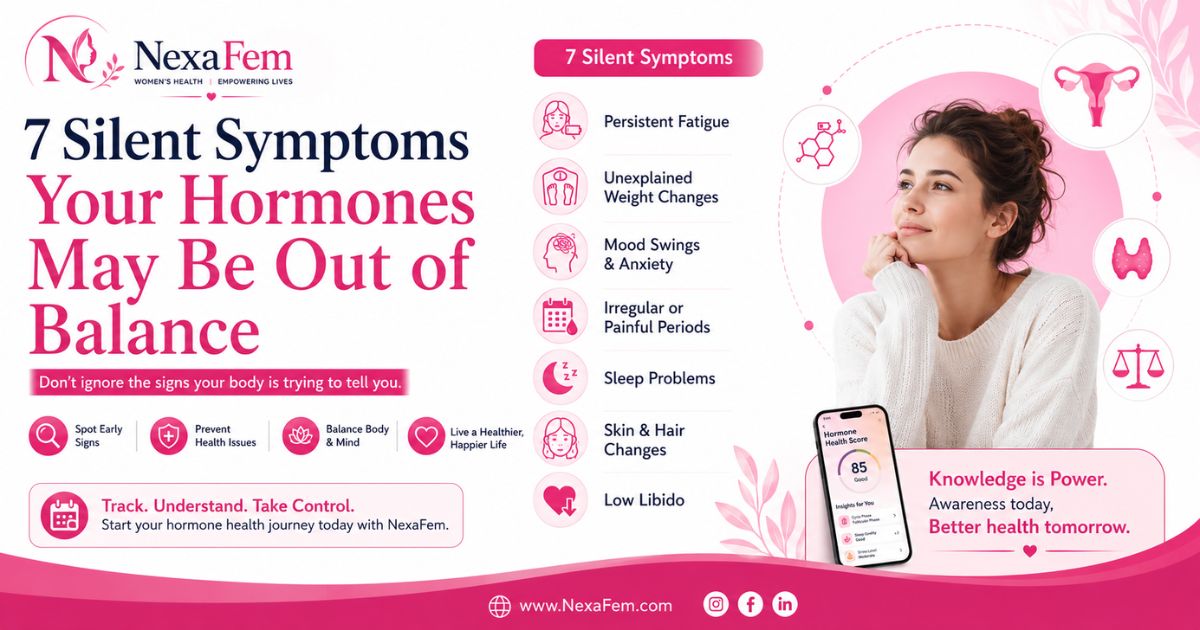
Hormones influence nearly every aspect of a woman's health—from energy levels and mood to menstrual cycles, sleep, metabolism, fertility, and emotional well-being. Because they work quietly behind the scenes, hormonal changes often develop gradually. Many women attribute persistent fatigue, mood swings, weight changes, or irregular periods to stress, a demanding schedule, or simply getting older.
In reality, these subtle changes may be hormone imbalance symptoms that deserve attention.
The encouraging news is that hormonal imbalances often become easier to manage when they are recognized early. Understanding your body's signals can help you seek appropriate medical advice, adopt healthier lifestyle habits, and prevent small concerns from becoming more significant health problems.
At NexaFem, we believe preventive healthcare begins with awareness. Learning to recognize hormonal patterns is an important step toward making informed decisions about your health, whether you're in your twenties, planning a pregnancy, navigating perimenopause, or simply wanting to feel your best.
Quick Summary (TL;DR)
If you only have a minute, here's what you need to know:
Hormonal imbalances often begin with subtle symptoms rather than obvious illness.
Persistent fatigue, mood changes, sleep disturbances, and menstrual irregularities are common early warning signs.
Many different hormones—including estrogen, progesterone, thyroid hormones, insulin, and cortisol—work together, so symptoms often overlap.
Healthy nutrition, quality sleep, regular physical activity, stress management, and timely medical evaluation all play an important role in supporting hormone health.
Persistent or worsening symptoms should always be evaluated by a qualified healthcare professional.
What Is a Hormone Imbalance?
Hormones are chemical messengers produced by glands within the endocrine system. They travel through the bloodstream and help regulate many essential functions, including:
Menstrual cycles
Ovulation
Fertility
Pregnancy
Metabolism
Blood sugar regulation
Sleep
Mood
Stress response
Bone health
Heart health
A hormone imbalance occurs when one or more hormones are consistently higher or lower than the body needs. Even relatively small changes can affect multiple body systems because hormones work together rather than independently.
According to guidance from organizations such as the NHS, the American College of Obstetricians and Gynecologists (ACOG), and the World Health Organization (WHO), hormonal changes are a normal part of life during puberty, pregnancy, postpartum recovery, and menopause. However, ongoing symptoms outside of expected life stages may indicate an underlying health condition that deserves medical assessment.
Why Hormonal Balance Matters
Hormonal balance isn't about achieving "perfect" hormone levels. Instead, it means your endocrine system is functioning in a way that supports your body's changing needs.
Healthy hormone regulation contributes to:
Consistent energy
Stable mood
Better sleep
Healthy menstrual cycles
Reproductive health
Cognitive function
Healthy weight regulation
Strong bones
Cardiovascular health
When hormones become disrupted, symptoms often appear gradually, making them easy to overlook until they begin affecting daily life.
1. Persistent Fatigue That Doesn't Improve With Rest
One of the most overlooked hormonal health symptoms is ongoing fatigue.
Everyone feels tired occasionally. However, if you consistently wake up exhausted despite getting enough sleep, hormones may be contributing to the problem.
Several hormones influence energy production, including:
Thyroid hormones
Cortisol
Estrogen
Progesterone
Insulin
When these hormones are out of balance, your body may struggle to regulate metabolism, blood sugar, sleep quality, and stress responses.
Could fatigue caused by hormone imbalance feel different?
Yes. Many women describe it as:
Feeling drained even after sleeping
Difficulty concentrating
Low motivation
Afternoon energy crashes
Brain fog
Reduced exercise tolerance
Persistent fatigue can also have many non-hormonal causes, including anemia, nutrient deficiencies, infections, mental health conditions, and certain medications. That's why professional evaluation is important if symptoms continue.
If you're experiencing ongoing exhaustion, it can also be helpful to learn about the connection between sleep quality and women's hormonal health, as restorative sleep plays a vital role in hormone regulation.
2. Unexplained Weight Changes
Have your eating habits stayed the same, yet your weight has changed noticeably?
Hormonal shifts can influence:
Appetite
Fat storage
Muscle mass
Metabolism
Blood sugar regulation
Conditions involving thyroid hormones, insulin resistance, polycystic ovary syndrome (PCOS), or menopause-related hormonal changes may contribute to unexpected weight gain or make weight management more challenging.
It's important to remember that weight alone does not determine health. Instead of focusing solely on the number on the scale, consider whether weight changes are occurring alongside other symptoms such as fatigue, irregular periods, or mood changes.
Maintaining balanced nutrition and regular physical activity supports overall hormone health, even when medical treatment is also needed.
3. Mood Swings, Anxiety, or Feeling "Not Like Yourself"
Hormones influence brain chemistry just as much as they influence reproductive health.
Estrogen and progesterone interact with neurotransmitters such as serotonin and dopamine, which help regulate mood, emotional resilience, and overall mental well-being.
Some women notice:
Increased irritability
Anxiety
Tearfulness
Low mood
Difficulty managing stress
Feeling emotionally overwhelmed
These changes may occur before menstruation, after childbirth, during perimenopause, or alongside conditions such as PCOS or thyroid disorders.
While hormonal fluctuations can affect emotional health, persistent anxiety or depression should never be dismissed as "just hormones." Mental health deserves the same attention and care as physical health, and seeking support from a healthcare professional is an important step if symptoms are affecting your daily life.
4. Irregular Menstrual Cycles
Your menstrual cycle offers valuable insight into your hormonal health.
Although cycle length naturally varies from person to person, significant changes may indicate that hormone levels have shifted.
Possible changes include:
Missed periods
Very heavy bleeding
Very light periods
Cycles shorter than 21 days
Cycles longer than 35 days
Bleeding between periods
Severe menstrual pain
Unpredictable ovulation
These symptoms may be associated with conditions such as PCOS, thyroid disorders, premature ovarian insufficiency, or perimenopause.
Tracking your menstrual cycle over several months can help identify patterns that may otherwise go unnoticed. Using a cycle tracking tool or period symptom tracker can make it easier to share accurate information with your healthcare provider during appointments.
5. Trouble Sleeping or Waking Up Feeling Unrefreshed
Quality sleep and hormone health are closely connected. In fact, poor sleep can contribute to hormonal changes, while hormonal imbalances can also make it difficult to get restorative rest.
Several hormones work together to regulate your sleep-wake cycle, including:
Melatonin, which helps control your body's natural sleep rhythm.
Cortisol, often called the "stress hormone," which naturally rises in the morning and falls at night.
Progesterone, which has calming effects and can promote sleep.
Estrogen, which supports healthy sleep by influencing neurotransmitters and body temperature.
When these hormones fluctuate, you may notice:
Difficulty falling asleep
Frequent nighttime awakenings
Night sweats
Restless sleep
Early morning waking
Feeling tired despite sleeping for 7–9 hours
Sleep disturbances are especially common during perimenopause, menopause, pregnancy, and periods of prolonged stress.
Research from the NHS and CDC highlights that adults should aim for sufficient, consistent sleep as part of overall health, as inadequate sleep affects metabolism, immune function, mental health, and hormone regulation.
If sleep problems continue for several weeks, discussing them with your healthcare provider is worthwhile rather than assuming they're simply part of a busy lifestyle.
6. Changes in Your Skin and Hair
Your skin and hair often reflect what's happening internally.
Hormonal fluctuations can influence oil production, collagen levels, hair growth cycles, and inflammation.
Common signs include:
Persistent adult acne
Oily skin
Dry skin
Hair thinning
Increased facial hair growth
Hair shedding
Brittle nails
For younger women, acne and excess facial hair may be associated with elevated androgen levels, which are commonly seen in polycystic ovary syndrome (PCOS).
For women approaching menopause, declining estrogen levels may contribute to:
Thinner skin
Reduced skin elasticity
Dryness
Increased hair shedding
It's important to remember that skin changes can also result from allergies, medications, nutritional deficiencies, or dermatological conditions. Persistent symptoms should be evaluated by an appropriate healthcare professional.
If you're concerned about persistent acne, you may also find our guide on Hormonal Acne: Causes, Treatments, and Skincare Tips helpful.
7. Reduced Libido or Vaginal Changes
Sexual health is an important part of overall well-being, yet many women hesitate to discuss changes with their healthcare provider.
Hormones such as estrogen, progesterone, and testosterone all contribute to:
Sexual desire
Vaginal lubrication
Comfort during intimacy
Sexual satisfaction
When hormone levels change, women may notice:
Reduced interest in sex
Vaginal dryness
Pain during intercourse
Difficulty becoming aroused
Reduced confidence or body image concerns
These symptoms are common during:
Breastfeeding
Perimenopause
Menopause
Certain medical conditions
Some medications
Because emotional health, relationship factors, stress, and chronic illness also affect libido, a comprehensive evaluation is often the most helpful approach.
The American College of Obstetricians and Gynecologists (ACOG) encourages women to discuss sexual health concerns openly with their healthcare providers, as many effective management options are available.
What Causes Hormone Imbalances?
Hormonal changes rarely have a single cause. Instead, they often result from several interacting factors.
Common causes include:
Natural Life Stages
Hormone levels naturally fluctuate during:
Puberty
Menstrual cycles
Pregnancy
Postpartum recovery
Breastfeeding
Perimenopause
Menopause
These transitions are normal, although symptoms may vary widely between individuals.
Polycystic Ovary Syndrome (PCOS)
PCOS is one of the most common hormonal conditions affecting women of reproductive age. It may involve irregular ovulation, higher androgen levels, insulin resistance, acne, excess hair growth, and fertility challenges.
Understanding the early signs of PCOS can help women seek timely diagnosis and support.
Thyroid Disorders
The thyroid gland helps regulate metabolism, body temperature, heart rate, and energy production.
Both hypothyroidism (underactive thyroid) and hyperthyroidism (overactive thyroid) can cause symptoms that overlap with hormonal imbalance, including fatigue, weight changes, menstrual irregularities, and mood changes.
Chronic Stress
Long-term stress can elevate cortisol levels, affecting other hormones involved in reproduction, metabolism, and sleep.
Persistent stress may contribute to:
Irregular periods
Poor sleep
Increased appetite
Fatigue
Anxiety
Developing healthy stress-management strategies is an important aspect of overall hormonal wellness.
Poor Sleep
Sleep deprivation affects hormones involved in:
Hunger
Blood sugar regulation
Stress response
Ovulation
Mood
Over time, chronic poor sleep can make hormonal symptoms more noticeable.
Certain Medical Conditions
Other conditions that may contribute include:
Diabetes
Autoimmune disorders
Pituitary disorders
Adrenal disorders
Eating disorders
Obesity
A healthcare professional can help determine whether hormone testing or additional investigations are appropriate.
Who Is More Likely to Experience Hormonal Imbalances?
Anyone can experience hormonal changes, but certain factors increase the likelihood.
Risk factors include:
Family history of endocrine disorders
PCOS
Thyroid disease
Diabetes or insulin resistance
Obesity
Chronic stress
Shift work
Poor sleep habits
Pregnancy and postpartum recovery
Perimenopause and menopause
Certain medications
Smoking
Having one or more risk factors does not necessarily mean you have a hormonal disorder, but it may increase the importance of regular health check-ups.
How Are Hormonal Imbalances Diagnosed?
There is no single test that diagnoses every hormonal condition.
Instead, healthcare providers combine several pieces of information, including:
Medical History
Your clinician may ask about:
Menstrual cycles
Pregnancy history
Symptoms
Family history
Medications
Lifestyle
Stress levels
Physical Examination
This may include assessment of:
Blood pressure
Weight
Hair growth
Skin changes
Thyroid enlargement
Laboratory Tests
Depending on your symptoms, tests may include:
Thyroid function tests
Blood glucose
HbA1c
Iron studies
Vitamin levels
Reproductive hormone tests (performed at appropriate times during the menstrual cycle when indicated)
Hormone testing is not necessary for every woman experiencing symptoms. Your healthcare provider will recommend appropriate investigations based on your individual situation.
Imaging
In some cases, pelvic ultrasound or other imaging studies may be recommended, particularly if PCOS, ovarian conditions, or structural concerns are suspected.
How Hormonal Changes Affect Women at Different Life Stages
Hormones naturally evolve throughout life, and understanding these transitions can reduce unnecessary worry.
Ages 18–24
Common concerns include:
Acne
Painful periods
Irregular cycles after puberty
PCOS symptoms
Healthy lifestyle habits and early evaluation of persistent symptoms can support long-term reproductive health.
Ages 25–34
Women in this stage may notice changes related to:
Fertility planning
Pregnancy
Postpartum recovery
Career-related stress
Sleep disruption
Monitoring menstrual cycles and discussing fertility concerns early can help identify potential issues before they become more significant.
Ages 35–45
Hormonal patterns may gradually begin to shift.
Women may notice:
Changes in cycle length
Mood fluctuations
Sleep disturbances
Weight redistribution
Reduced energy
These symptoms can occur before menopause begins and should not automatically be dismissed as "normal aging."
Perimenopause
Perimenopause is the transitional period before menopause, often lasting several years.
During this time, estrogen and progesterone fluctuate significantly, contributing to symptoms such as:
Hot flashes
Night sweats
Irregular periods
Mood changes
Sleep disruption
Brain fog
According to NICE and ACOG, individualized assessment is important because symptoms and treatment needs vary from one woman to another.
Mini Summary
Hormonal imbalances often develop gradually, with symptoms affecting sleep, skin, mood, menstrual health, and overall well-being. Understanding the possible causes and seeking appropriate evaluation can lead to earlier diagnosis and more effective management.
Supporting Hormonal Health, Treatment, Prevention, and When to Seek Medical Care
Can Hormone Imbalances Be Treated?
In many cases, yes—but treatment depends on the underlying cause.
Hormone imbalance is not a diagnosis itself. Rather, it is a sign that something within the body's endocrine system may need attention. The right treatment varies depending on your symptoms, age, medical history, reproductive goals, and the specific condition involved.
Your healthcare provider may recommend one or more approaches, including:
Lifestyle modifications
Nutritional counseling
Stress management strategies
Treatment for thyroid disorders
Management of PCOS or insulin resistance
Hormonal medications when clinically appropriate
Menopause-related therapies for eligible women
Regular monitoring and follow-up
Major organizations including the American College of Obstetricians and Gynecologists (ACOG) and the National Institute for Health and Care Excellence (NICE) emphasize that treatment should always be personalized rather than based on symptoms alone.
The goal is not simply to "fix hormones," but to improve your overall health, quality of life, and long-term well-being.
How to Balance Hormones Naturally
Many women search for how to balance hormones naturally, but it's important to understand that no single food, supplement, or detox can "reset" hormones overnight.
Instead, healthy daily habits create an environment that supports your body's natural hormone regulation.
Prioritize Balanced Nutrition
Food provides the building blocks your body needs to produce hormones.
Aim to include:
Lean proteins
Healthy fats
Whole grains
Fresh vegetables
Fruits
Legumes
Nuts and seeds
These foods support stable blood sugar, reduce inflammation, and provide essential vitamins and minerals.
At the same time, try to limit:
Highly processed foods
Sugar-sweetened beverages
Excess alcohol
Ultra-processed snacks
Frequent crash dieting
Rather than following restrictive trends, focus on sustainable eating patterns.
If you're looking for practical meal ideas, our guide on Best Foods for Hormonal Balance and Menstrual Health offers evidence-based nutrition strategies.
Stay Physically Active
Regular exercise supports:
Insulin sensitivity
Cardiovascular health
Mental well-being
Weight management
Sleep quality
Stress reduction
According to the World Health Organization (WHO), adults should aim for at least 150–300 minutes of moderate-intensity physical activity each week, along with muscle-strengthening activities on two or more days.
You don't have to spend hours in the gym.
Activities such as:
Walking
Swimming
Cycling
Yoga
Pilates
Strength training
can all contribute to healthier hormone regulation.
The most effective exercise routine is one you can maintain consistently.
Make Sleep a Priority
Sleep is often overlooked, yet it plays a critical role in hormonal health.
During sleep, your body helps regulate hormones involved in:
Stress
Appetite
Blood sugar
Tissue repair
Reproductive function
Healthy sleep habits include:
Keeping a consistent bedtime
Limiting screen time before bed
Reducing caffeine late in the day
Creating a cool, dark sleeping environment
If you regularly wake feeling exhausted, consider discussing persistent sleep issues with your healthcare provider.
Manage Stress Effectively
Stress is a normal part of life, but chronic stress can keep cortisol levels elevated for long periods.
Over time, this may affect:
Menstrual cycles
Sleep
Appetite
Blood sugar regulation
Emotional health
Healthy stress-management techniques include:
Mindfulness meditation
Deep breathing exercises
Journaling
Spending time outdoors
Gentle movement
Talking with trusted friends or a mental health professional
Managing stress isn't about eliminating challenges—it's about building resilience.
Maintain a Healthy Weight Without Chasing Perfection
Body weight influences hormone production, but health is about far more than a number on the scale.
Instead of focusing on rapid weight loss, aim for:
Balanced eating
Regular movement
Good sleep
Sustainable habits
Extreme diets and over-exercising can sometimes worsen hormonal imbalances by placing additional stress on the body.
Mental Health and Hormones: An Important Connection
Hormonal health and emotional well-being are deeply interconnected.
Fluctuations in estrogen, progesterone, thyroid hormones, and cortisol can influence mood, while chronic anxiety or depression can also affect hormonal regulation.
Some women experience:
Increased anxiety before their period
Mood changes during perimenopause
Emotional sensitivity after childbirth
Reduced confidence due to acne, weight changes, or hair loss
These experiences are valid and deserve compassionate care.
If emotional symptoms begin interfering with work, relationships, sleep, or daily activities, seeking support is a sign of strength—not weakness.
Mental health care is an essential part of women's healthcare.
Preventing Hormonal Imbalances: What You Can Control
Not every hormonal condition can be prevented.
However, healthy lifestyle habits may reduce risk and support earlier identification of problems.
Helpful preventive strategies include:
Attending routine health check-ups
Tracking menstrual cycles
Managing chronic conditions
Staying physically active
Eating a nutrient-rich diet
Getting enough sleep
Avoiding smoking
Limiting excessive alcohol intake
Seeking medical advice when symptoms persist
Early recognition often leads to earlier diagnosis and more effective management.
Common Mistakes Women Make
Many women unintentionally delay receiving appropriate care because hormonal symptoms develop gradually.
Some common mistakes include:
Assuming Everything Is "Just Stress"
Stress certainly affects the body, but ongoing symptoms shouldn't automatically be dismissed.
Persistent fatigue, irregular periods, or significant mood changes deserve evaluation.
Ignoring Menstrual Changes
Many women normalize heavy bleeding, skipped periods, or severe cramps for years.
Your menstrual cycle is an important indicator of overall health.
Tracking changes over time can provide valuable information for your healthcare provider.
Using a cycle tracking tool or period symptom tracker may help identify patterns that are otherwise easy to miss.
Self-Diagnosing Through Social Media
Online health information has made education more accessible than ever.
Unfortunately, it has also increased misinformation.
Symptoms such as fatigue or acne can have many possible causes.
Only a qualified healthcare professional can determine whether hormone testing or treatment is appropriate.
Trying Multiple Supplements Without Medical Advice
Many supplements are marketed as "hormone balancing."
However:
Not all supplements are evidence-based.
Some interact with medications.
Others may not address the underlying cause.
Always discuss supplements with a healthcare professional, especially if you're pregnant, breastfeeding, or managing chronic health conditions.
When Should You See a Doctor?
Occasional hormonal fluctuations are normal.
However, you should arrange a medical evaluation if symptoms:
Persist for several weeks.
Continue getting worse.
Affect work, school, or relationships.
Interfere with sleep.
Cause significant emotional distress.
Are accompanied by irregular menstrual cycles.
Affect fertility.
Early assessment may help identify conditions such as thyroid disease, PCOS, diabetes, or menopause-related changes before complications develop.
Red Flag Symptoms That Need Prompt Medical Attention
Some symptoms require urgent medical evaluation rather than routine monitoring.
Seek immediate medical care if you experience:
Heavy vaginal bleeding that soaks through one or more pads an hour for several consecutive hours.
Sudden, severe pelvic pain.
Chest pain or difficulty breathing.
Fainting or loss of consciousness.
Sudden vision changes.
Severe headaches accompanied by neurological symptoms.
Rapid, unexplained weight loss.
Persistent fever together with pelvic pain.
These symptoms may indicate conditions unrelated to hormone imbalance and should never be ignored.
Hormonal Intelligence: A Preventive Approach
Modern women's healthcare is shifting from reacting to illness toward recognizing patterns before problems become more serious.
Tracking symptoms over time—including menstrual cycles, sleep quality, mood, energy levels, and physical changes—can provide valuable insights for both women and healthcare providers.
At NexaFem, we believe technology should empower women to better understand their health, not replace medical care.
AI-supported wellness tools, when used responsibly, can help women:
Monitor symptom trends
Identify recurring patterns
Prepare for medical appointments
Improve health awareness
Support preventive healthcare conversations
These tools are designed to complement—not replace—the advice of qualified healthcare professionals. To keep the article high quality and within the response limits, the final section would still be too long to fit into a single reply. The remaining content includes the People Also Ask section, FAQs, conclusion, disclaimer, references, and implementation notes.
Disclaimer: The information in this article is provided for educational and informational purposes only and is not intended to replace professional medical advice, diagnosis, or treatment. Hormonal symptoms can have many different causes, and every woman's health situation is unique. If you are experiencing persistent fatigue, irregular periods, unexplained weight changes, mood changes, or any other concerning symptoms, consult a qualified healthcare professional or specialist for a comprehensive evaluation. Never ignore medical advice or delay seeking care because of information you have read online.
Sources & References
The information in this article is based on current guidance and educational resources from internationally recognized health organizations.
World Health Organization (WHO) – Women's Health & Healthy Living
https://www.who.intNHS (National Health Service) – Hormones, Menstrual Health, Menopause, Thyroid Disorders
https://www.nhs.ukNICE (National Institute for Health and Care Excellence) – Menopause: Diagnosis and Management (NG23)
https://www.nice.org.uk/guidance/ng23American College of Obstetricians and Gynecologists (ACOG) – Women's Health Topics
https://www.acog.org/womens-healthCenters for Disease Control and Prevention (CDC) – Women's Health
https://www.cdc.gov/womens-healthOffice on Women's Health (U.S. Department of Health & Human Services)
https://www.womenshealth.gov
Frequently Asked Questions
Share this post
Comments (0)
No comments yet. Be the first to comment!