
Ayurveda for Menstrual Comfort: Natural Ways to Ease Pain
Explore Ayurveda for menstrual comfort, including gentle lifestyle practices, yoga, nutrition and herbal support for period discomfort.
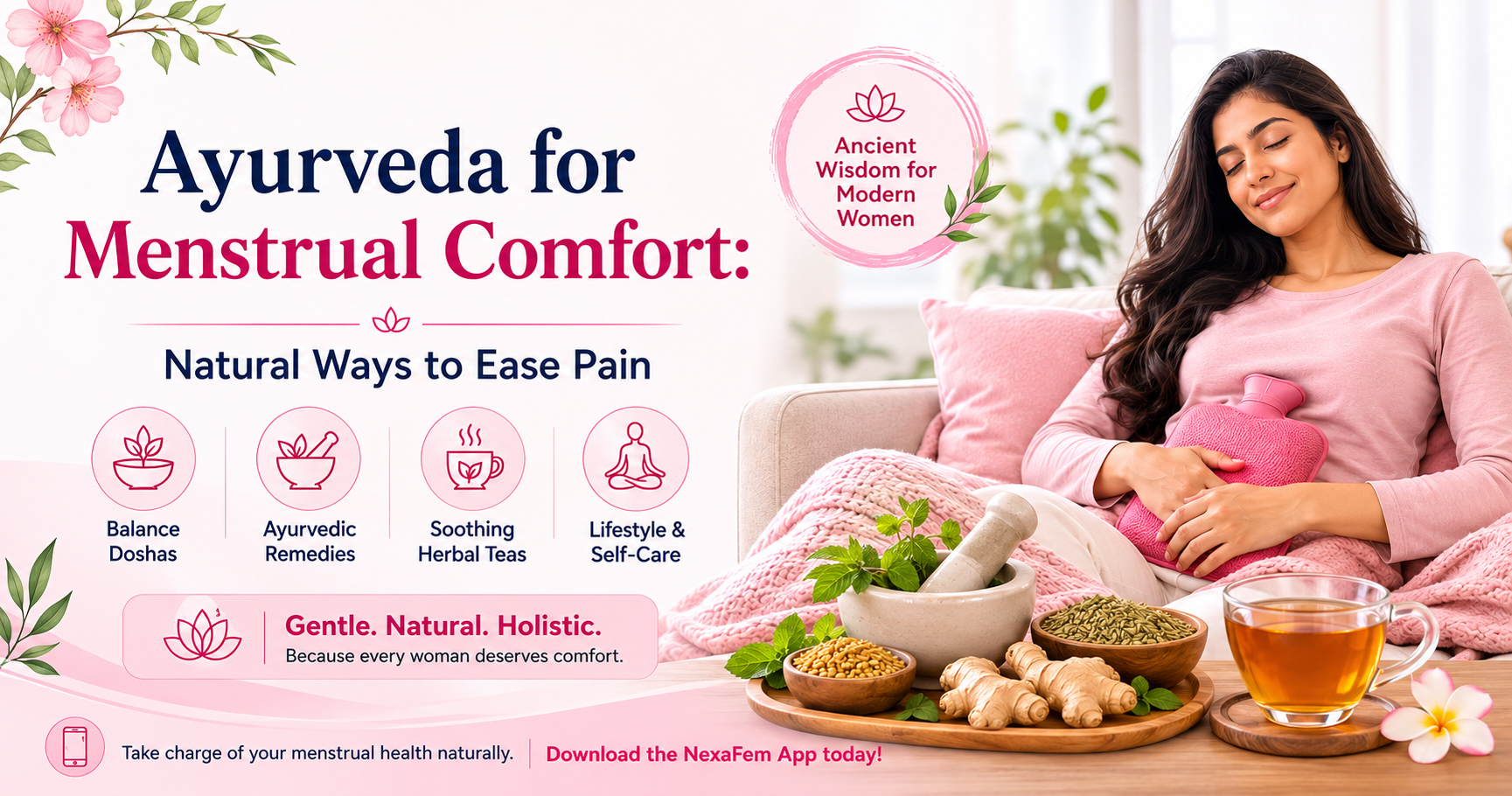
Ayurveda for Menstrual Comfort: Natural Ways to Ease Period Discomfort
Period discomfort can be more than an inconvenience. For some women, cramps, backache, fatigue, nausea or headaches can make studying, working, exercising or simply getting through the day difficult.
It is understandable to look for gentler ways to feel better. Ayurveda offers a traditional framework that emphasizes diet, daily routines, rest, movement and individualized care. Some practices commonly associated with Ayurveda may complement modern approaches to menstrual comfort, but they should not be presented as guaranteed treatments for painful periods.
The most useful approach is not to choose between Ayurveda and modern medicine. Instead, women can use evidence-informed lifestyle practices alongside appropriate medical care when needed.
Quick Summary
Ayurveda for menstrual comfort focuses broadly on supportive routines involving food, rest, movement and individualized wellness practices.
Gentle heat, physical activity, yoga, adequate sleep and relaxation can help some women manage period discomfort and are also supported by conventional health guidance. (ACOG)
Ginger has some clinical research behind it for primary dysmenorrhea, although the quality and consistency of evidence are not strong enough to treat it as a guaranteed remedy. (PubMed)
Herbal supplements can interact with medicines, and product quality varies. “Natural” does not automatically mean safe. (NCCIH)
Severe, worsening or disabling period pain deserves medical evaluation because conditions such as endometriosis, adenomyosis or fibroids can cause painful periods. (nhs.uk)
Understanding Menstrual Discomfort
Menstrual discomfort is commonly called dysmenorrhea when it involves painful periods.
Typical symptoms may include:
Lower abdominal cramps
Pain in the lower back or thighs
Fatigue
Headache
Nausea
Diarrhea
Dizziness
For many women, discomfort occurs shortly before or during the beginning of menstruation and lasts for a few days. ACOG describes primary dysmenorrhea as cramping pain occurring before or during menstruation. (ACOG)
Period pain is common, but severe pain should not automatically be dismissed as “normal.”
Pain that repeatedly interferes with school, work, relationships, sleep or everyday activities may need further assessment.
What Causes Period Pain?
During menstruation, the uterus contracts to help shed its lining. These contractions are influenced by naturally occurring substances called prostaglandins, which are involved in pain and inflammation.
For some women, these contractions produce mild cramping. For others, the pain can be considerably stronger.
There are also two broad categories of dysmenorrhea:
Primary dysmenorrhea
This is period pain that is not caused by another identifiable pelvic condition. It often begins around adolescence or the early reproductive years.
Secondary dysmenorrhea
This type of pain is associated with another condition affecting the reproductive system.
Possible causes include:
Endometriosis
Adenomyosis
Fibroids
Pelvic inflammatory disease
Certain problems associated with an intrauterine device
The NHS notes that increasingly painful, heavy or irregular periods can sometimes indicate an underlying condition. (nhs.uk)
That distinction matters when considering Ayurveda or any natural approach. Lifestyle support may help with comfort, but it should not delay investigation of an underlying medical problem.
How Ayurveda Traditionally Views Menstrual Discomfort
Ayurveda has its own terminology and framework for understanding menstrual health. Traditional Ayurvedic literature describes menstrual disorders using concepts such as Artava and recognizes painful menstruation within the broader framework of menstrual disorders.
Some Ayurvedic approaches consider the movement and regulation of Vata dosha particularly relevant to pain and menstrual discomfort. Ayurveda also places importance on digestion, daily routines, diet, rest and individualized constitution.
The Ministry of AYUSH's resources use Ayurvedic terminology such as Kashtartava in relation to dysmenorrhea. (Ayush Next)
However, Ayurvedic concepts such as doshas should not be treated as direct equivalents of modern medical diagnoses.
Traditional Ayurvedic perspective
Traditionally, menstrual wellness is viewed as part of broader physical balance. Food habits, sleep, activity, stress and routine may all be considered when developing an individualized approach.
What modern evidence says
Modern research supports some lifestyle measures for menstrual discomfort, including exercise, heat, relaxation and adequate sleep. Evidence for specific Ayurvedic treatments is much more variable.
NCCIH notes that scientific evidence for Ayurveda remains limited for many health conditions, and the quality of Ayurvedic preparations can vary. (NCCIH)
Practical takeaway
You can respectfully incorporate selected Ayurvedic lifestyle principles into menstrual self-care without assuming that every traditional remedy has been scientifically proven to treat period pain.
Can Ayurveda Help With Period Pain?
Ayurveda may support menstrual comfort through lifestyle practices such as appropriate movement, relaxation, nourishing food, sleep and selected traditional herbs, but evidence varies considerably between practices and products.
The strongest practical approach is to focus first on low-risk habits that also have support from modern health guidance.
These may include:
Applying gentle heat
Regular physical activity
Gentle yoga
Adequate sleep
Relaxation and breathing exercises
Balanced nutrition
Stress management
Keeping track of menstrual symptoms
These measures are not uniquely Ayurvedic, but they fit well with Ayurveda's broader emphasis on daily routines and whole-person wellbeing.
Gentle Ayurvedic Lifestyle Practices for Menstrual Comfort
1. Use warmth for comfort
A warm bath, shower or heating pad can be soothing when cramps occur.
Heat is recommended by conventional women's health guidance as a self-care option for period pain. (ACOG)
From an Ayurvedic lifestyle perspective, warmth can also fit naturally into a comforting, restorative routine.
Use a heating pad or hot-water bottle safely and avoid excessively high temperatures that could burn the skin.
2. Keep movement gentle but regular
When cramps are uncomfortable, staying in bed all day may feel tempting. However, gentle movement can be useful for many women.
Consider:
Walking
Gentle stretching
Yoga
Light cycling
Swimming
ACOG recommends regular exercise as one of the self-care approaches that may help with painful periods. (ACOG)
The goal is not to force yourself through pain. On particularly uncomfortable days, reduce intensity and listen to your body.
3. Create a calmer routine
Stress does not necessarily cause period pain, but stress and poor sleep can make it harder to cope with discomfort.
A simple evening routine may include:
A warm shower
Gentle stretching
Slow breathing
Reduced screen time
A regular bedtime
These habits can support overall wellbeing without making unrealistic claims about “balancing hormones.”
Nutrition for a More Comfortable Period
There is no single Ayurvedic diet that works for every woman.
Instead, focus on a balanced eating pattern that provides adequate energy, protein, fibre, healthy fats, vitamins and minerals.
Choose nourishing meals
Depending on your dietary preferences, meals may include:
Whole grains
Dal and other legumes
Vegetables
Fruits
Nuts and seeds
Curd or other suitable dairy foods
Eggs, fish or other protein sources if included in your diet
During menstruation, some women may find very heavy or highly processed meals less comfortable, particularly if they already experience bloating or digestive symptoms.
Hydration also matters.
What about warm foods and drinks?
Ayurvedic traditions often emphasize food according to individual constitution and digestive capacity. Warm meals or beverages may feel soothing for some people.
However, there is no strong evidence that food temperature itself can eliminate menstrual cramps.
The more important principle is choosing foods that you tolerate well and that provide adequate nutrition.
Ayurvedic Herbs and Ingredients: What the Evidence Says
Herbal remedies are often the most searched-for part of Ayurveda for menstrual comfort. This is also where careful communication is particularly important.
A herb can have biologically active compounds and therefore may have effects, side effects or interactions with medicines.
Ginger
Ginger is widely used in Indian households and is also discussed in traditional medicine systems.
Traditional perspective
Ginger has traditionally been valued for digestive and warming qualities.
Modern evidence
Ginger has received considerably more research than many other herbal ingredients for menstrual pain.
A 2024 systematic review and meta-analysis found that ginger was associated with reductions in the intensity and duration of pain in primary dysmenorrhea compared with placebo. However, the authors also highlighted limitations in the evidence, including risk of bias and limited safety reporting. (PubMed)
Earlier systematic reviews also found evidence suggesting that oral ginger may reduce menstrual pain. (PubMed)
Practical takeaway
Ginger may be a reasonable food ingredient for many people, but concentrated supplements should not be treated as automatically safe or appropriate.
If you take medication, have a chronic condition, are pregnant or breastfeeding, or are considering concentrated herbal products, discuss their use with an appropriate healthcare professional.
Fennel
Fennel has a long history of traditional use and has also been investigated for dysmenorrhea.
A systematic review of herbal medicines including cinnamon, fennel and ginger found reductions in menstrual pain in the studied groups, but differences in study quality and treatment methods mean the evidence should be interpreted cautiously. (PubMed)
More high-quality research is needed before fennel can be considered an established treatment for menstrual pain.
Cinnamon
Cinnamon is another familiar culinary spice that has been studied for dysmenorrhea.
Some clinical studies suggest possible benefits for pain, but this does not mean that cinnamon supplements are suitable for everyone or that ordinary dietary amounts should be considered a medical treatment. (PubMed)
What about Ayurvedic formulations?
Traditional Ayurvedic practice includes many formulations for menstrual concerns. However, a formulation's traditional use does not automatically establish its safety or effectiveness according to modern clinical standards.
NCCIH specifically cautions that some Ayurvedic preparations have been found to contain potentially toxic metals such as lead, mercury or arsenic. (NCCIH)
For this reason, women should avoid purchasing unidentified or poorly labelled herbal products online.
Yoga and Movement for Period Comfort
Yoga can be a useful component of menstrual self-care, particularly when practiced gently.
Possible options include:
Child's pose
Cat-cow movements
Gentle seated stretches
Supine knee-to-chest movements
Slow diaphragmatic breathing
Gentle restorative yoga
The goal is relaxation rather than pushing flexibility.
ACOG notes that yoga and meditation may help women cope with period pain, while regular physical activity may improve symptoms. (ACOG)
If a particular position increases pelvic pain, stop and choose another movement.
Meditation and Breathing
Pain is both a physical and emotional experience. Relaxation techniques cannot remove an underlying medical cause, but they may help some women manage discomfort.
Try five minutes of slow breathing:
Sit or lie comfortably.
Relax your shoulders.
Breathe in slowly through your nose.
Let your abdomen expand naturally.
Exhale slowly.
Repeat without forcing the breath.
Meditation can also be incorporated into a daily routine rather than being used only when pain begins.
Sleep, Stress and Menstrual Comfort
Poor sleep can make pain feel harder to manage.
Try to maintain a consistent sleep schedule throughout the month rather than changing your routine dramatically during menstruation.
Helpful habits include:
Going to bed at a similar time
Limiting late-night screen use
Keeping the bedroom comfortable
Allowing enough time for sleep
Practicing relaxation before bedtime
ACOG also recommends adequate sleep as part of self-care for painful periods. (ACOG)
Dinacharya and Menstrual Self-Care
Dinacharya refers broadly to daily routines in Ayurveda.
For menstrual wellness, the useful modern interpretation is not to follow a rigid routine but to create consistent habits that support your wellbeing.
A simple routine might include:
Morning:
Wake at a regular time, hydrate and eat a nourishing breakfast if desired.
Daytime:
Continue normal activities as tolerated, take movement breaks and eat balanced meals.
Evening:
Reduce stimulation, practice gentle stretching or breathing and prioritize sleep.
During menstruation:
Allow yourself additional rest when needed without assuming that complete inactivity is necessary.
Ayurveda emphasizes individualized care, so there is no single routine that every woman needs to follow.
Ritucharya and Seasonal Considerations
Ritucharya refers to seasonal lifestyle practices in Ayurveda.
Seasonal changes may influence appetite, activity, sleep and general wellbeing. A practical modern approach is to adapt your meals, hydration, exercise and sleep habits according to your environment and personal needs.
For example, during very hot weather, adequate fluids and appropriate physical activity are important. During colder periods, warm meals and comfortable movement may feel more appealing.
However, there is not enough evidence to claim that seasonal Ayurvedic routines specifically prevent menstrual pain.
Common Misconceptions About Natural Period-Pain Remedies
“Natural remedies are always safer.”
Not necessarily.
Herbal products can have active biological effects, interact with medicines and sometimes contain contaminants. (NCCIH)
“Severe period pain is normal.”
Period pain is common, but pain that is severe, worsening or significantly affecting daily life deserves evaluation.
“Ayurveda can replace pain medication.”
Ayurveda should not be presented as a replacement for medically indicated treatment.
Some women may use complementary approaches alongside conventional care under professional guidance.
“One Ayurvedic remedy works for every woman.”
Ayurvedic practice itself emphasizes individualization. Women's menstrual symptoms also have different causes, so a single remedy cannot reasonably be expected to work for everyone.
“Period pain always comes from hormones.”
Menstrual pain can occur because of normal uterine contractions, but conditions such as endometriosis, adenomyosis and fibroids can also cause pain. (nhs.uk)
Safety Considerations
Before using an Ayurvedic herbal product, consider:
What exactly is in the product?
Is the botanical name provided?
Is the dosage clearly labelled?
Is the manufacturer reputable?
Could it interact with your medication?
Are you pregnant or breastfeeding?
Do you have liver, kidney, bleeding or other chronic conditions?
Have you discussed it with a qualified professional?
NCCIH advises discussing herbal products with healthcare professionals because supplements can interact with medications and safety information may be incomplete, especially during pregnancy and breastfeeding. (NCCIH)
Avoid self-prescribing concentrated Ayurvedic formulations simply because they are marketed as “natural,” “detoxifying” or “hormone balancing.”
When Should You See a Doctor?
Consider medical evaluation if:
Period pain is severe or getting worse.
Pain prevents you from working, studying or carrying out normal activities.
Your periods suddenly become much more painful.
Your periods become unusually heavy or irregular.
You have pain during sex.
You have pain while urinating or passing stool, particularly around menstruation.
You experience bleeding between periods.
You have persistent pelvic pain.
You are having difficulty becoming pregnant alongside significant menstrual symptoms.
These can be signs that something other than ordinary menstrual cramping may be contributing to the pain. (nhs.uk)
Endometriosis is particularly important to consider when period-related pain substantially affects daily life or occurs with symptoms such as pain during sex, bowel or urinary symptoms, or fertility difficulties. (Nice)
Severe pelvic pain accompanied by fainting, heavy bleeding, fever, vomiting, difficulty breathing or possible pregnancy requires prompt medical attention. (nhs.uk)
Building a Practical Menstrual-Comfort Routine
Rather than searching for one “best” Ayurvedic remedy, consider building a small routine that supports your overall wellbeing.
Before your period
Continue regular physical activity.
Prioritize sleep.
Eat balanced meals.
Track symptoms.
Plan time for rest if your periods are predictably uncomfortable.
During your period
Use gentle heat if it feels soothing.
Choose comfortable movement.
Practice slow breathing or meditation.
Stay hydrated.
Eat foods that feel comfortable for your digestion.
Take medically appropriate pain relief if recommended or suitable for you.
After your period
Continue your normal routine and note whether your symptoms are improving, staying the same or becoming worse.
A menstrual symptom diary can be particularly useful. Recording pain severity, bleeding, digestive symptoms, mood, sleep and medications can help you and your healthcare professional identify patterns. The NHS recommends keeping a symptom diary when discussing period problems with a doctor. (nhs.uk)
A Balanced View of Ayurveda for Menstrual Comfort
Ayurveda offers a valuable cultural and traditional framework for thinking about women's wellbeing, particularly through attention to daily routines, food, rest, movement and individualized care.
Modern medicine adds another essential layer: identifying conditions that may require diagnosis and treatment.
The two approaches do not need to be presented as opposites.
For many women, the most responsible strategy is to combine evidence-supported self-care, appropriate medical evaluation and carefully selected complementary practices.
If an Ayurvedic herb or formulation is being considered, especially in concentrated form, professional guidance is worthwhile.
Menstrual comfort is not about forcing yourself to “push through” pain. It is about understanding your symptoms, supporting your body and knowing when additional care is needed.
Sources & References
ACOG — Dysmenorrhea: Painful Periods — Guidance on dysmenorrhea, self-care, exercise, heat, sleep and medical treatment. (ACOG)
NHS — Period Pain — Symptoms, causes, self-care and warning signs requiring medical assessment. (nhs.uk)
NICE — Endometriosis: Diagnosis and Management — Recognition and management of endometriosis-related pain. (Nice)
NCCIH — Ayurvedic Medicine: In Depth — Evidence and safety considerations for Ayurvedic medicine. (NCCIH)
NCCIH — Safe Use of Complementary Health Products and Practices — Safety, interactions and contamination considerations for complementary products. (NCCIH)
PubMed — Ginger for Pain Management in Primary Dysmenorrhea: Systematic Review and Meta-Analysis — Evidence evaluating ginger for dysmenorrhea. (PubMed)
Ministry of AYUSH — NAMASTE Portal — Official Indian AYUSH terminology and morbidity resource. (Namaste Portal)
Health Disclaimer
This article is intended for informational and educational purposes only and does not replace medical advice, diagnosis or treatment from a qualified healthcare professional.
Ayurvedic practices and herbal information discussed here should not be interpreted as guaranteed treatments for menstrual pain or any underlying medical condition. Evidence for individual herbs and traditional practices varies, and some products may have side effects, interactions or quality concerns.
Do not stop, replace or modify prescribed medication based on this article. If you experience severe, worsening or disabling period pain, unusually heavy bleeding, persistent pelvic pain or other concerning symptoms, consult a qualified healthcare professional.
If you are pregnant, breastfeeding, taking medication or managing a chronic condition, speak with your healthcare professional before using concentrated herbal products. For individualized Ayurvedic treatment, consult a qualified Ayurveda practitioner.
Frequently Asked Questions
Share this post
Comments (0)
No comments yet. Be the first to comment!