
What Is PCOS? Symptoms, Causes, Diagnosis & Treatment
PCOS affects 1 in 10 women but 70% go undiagnosed. Learn PCOS symptoms, causes, diagnosis & evidence-based treatment plus AI-powered tools to track your hormones.
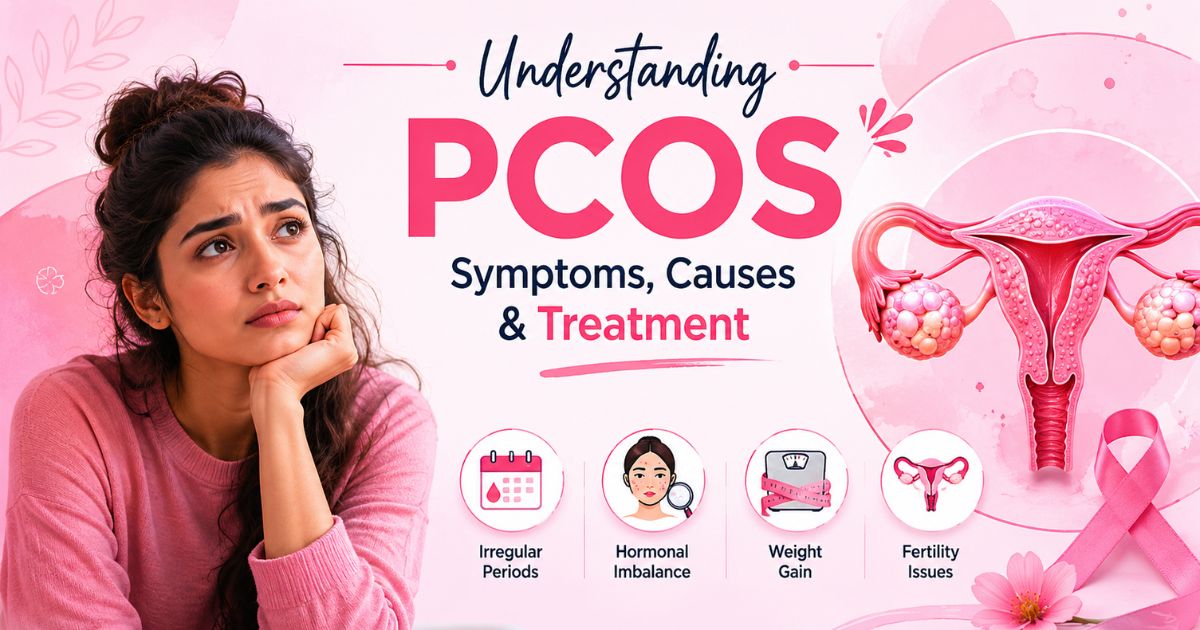
You've been tracking your cycle with our Cycle Tracker for months or maybe you've stopped trying because it never seems to arrive on time. Your skin keeps breaking out despite following every skincare routine. Your weight won't budge no matter how carefully you eat. And some days, the fatigue feels bone-deep, like no amount of sleep ever fully restores you.
If any of this sounds familiar, you are far from alone. And you are far from being imagined.
These are the quiet, often misunderstood signals of Polycystic Ovary Syndrome PCOS one of the most common hormonal conditions affecting women today. Yet despite how widespread it is, the average woman waits 2 to 3 years before receiving a correct diagnosis. Many are dismissed, misdiagnosed, or told simply to "come back if things get worse."
That ends here. This guide will walk you through everything you need to know about PCOS: what it is, why it happens, how it's diagnosed, and most importantly how you can take meaningful, evidence-informed steps toward better hormonal health right now.
Because understanding your body is the first act of self-care.
TL;DR Quick Summary
PCOS (Polycystic Ovary Syndrome) is a common hormonal condition affecting 1 in 10 women of reproductive age
It causes irregular periods, elevated androgens, and often polycystic ovaries
Core symptoms include weight gain, acne, hair thinning, facial hair growth, fatigue, and fertility issues
The root causes involve insulin resistance, hormonal imbalance, genetics, and inflammation
PCOS is diagnosed using medical history, blood tests, and pelvic ultrasound (Rotterdam Criteria)
It is manageable lifestyle changes, nutrition, stress reduction, and medical support all make a real difference
Early awareness and tracking are your most powerful tools
What Is PCOS?
Polycystic Ovary Syndrome is a hormonal disorder that affects how a woman's ovaries function. It's characterized by three core features and you need only two of the three for a clinical diagnosis:
Irregular or absent periods a sign that ovulation is not occurring regularly
Elevated androgen levels male hormones (like testosterone) that are higher than normal
Polycystic ovaries ovaries that appear enlarged on ultrasound, often with many small follicles that haven't fully matured
The term "polycystic" can be misleading. These aren't cysts in the traditional sense they're small, immature follicles that accumulate when eggs don't release properly. Not every woman with PCOS has them, and having polycystic-appearing ovaries doesn't automatically mean PCOS.
What PCOS really is, at its core, is a hormone regulation disorder one that touches everything from your metabolism and skin to your mood, fertility, and long-term cardiovascular health.
How Common Is PCOS?
According to the World Health Organization (WHO), PCOS affects an estimated 8 to 13% of women of reproductive age globally. Some estimates place this figure as high as 15–20% when accounting for undiagnosed cases. It is one of the leading causes of female infertility worldwide.
Despite its prevalence, studies suggest that up to 70% of women with PCOS remain undiagnosed. This is not a condition that hides it's one that is routinely overlooked, minimized, and misattributed to stress, poor lifestyle, or simply being "irregular."
Why Does PCOS Often Go Undiagnosed?
Several factors contribute to delayed diagnosis:
Symptoms overlap with other conditions (thyroid disorders, hyperprolactinemia, stress-related hormonal shifts)
Symptoms vary significantly from woman to woman
Many women internalize symptoms as personal failings rather than medical signals
Healthcare systems are not always structured to connect hormonal dots across multiple visits
Slim or lean women are often told they "don't look like" they have PCOS a harmful and medically inaccurate assumption
Early awareness and symptom tracking are genuinely life-changing. The sooner PCOS is identified, the sooner its trajectory can be influenced.
What Does PCOS Stand For?
PCOS = Polycystic Ovary Syndrome
Poly = many
Cystic = fluid-filled sac-like structures (though not true cysts)
Ovary = the reproductive organs that produce eggs and hormones
Syndrome = a cluster of symptoms that occur together, rather than a single disease with one cause
This distinction matters. Because PCOS is a syndrome, it presents differently in every woman. There is no single "PCOS look." There is no one blood test that confirms it. And there is no one-size-fits-all treatment.
Common Symptoms of PCOS
PCOS symptoms exist on a spectrum. Some women experience many; others may have only a few. The intensity can shift over time, across life stages, and with lifestyle changes.
Menstrual Irregularities
Infrequent periods (fewer than 8 per year)
Absent periods (amenorrhoea)
Unpredictable cycle lengths anywhere from 21 to 90+ days
Very heavy or prolonged bleeding when periods do occur
Spotting between cycles
Androgen-Related Symptoms
Acne particularly along the jawline, chin, and lower face
Hirsutism dark, coarse hair growth on the face, chest, abdomen, or inner thighs
Androgenic alopecia thinning hair on the scalp, often following a male-pattern distribution
Metabolic Symptoms
Weight gain especially around the abdomen
Difficulty losing weight despite diet and exercise efforts
Insulin resistance cells that don't respond efficiently to insulin, leading to elevated blood sugar over time
Skin darkening in body folds (acanthosis nigricans) a visible marker of insulin resistance
Sugar cravings, energy crashes, and brain fog
Reproductive Symptoms
Irregular or absent ovulation
Difficulty conceiving
Recurrent miscarriage (in some cases)
Energy and Mood Symptoms
Fatigue often persistent and disproportionate to activity level
Mood swings, anxiety, and depression
Low self-esteem and body image concerns linked to visible symptoms
Emotional burnout and a sense of being "at war" with your own body
Important: You don't need to have all of these symptoms to have PCOS. Even two or three in combination with irregular periods is worth discussing with your healthcare provider.
What Causes PCOS?
PCOS doesn't have a single cause. It's a complex, multifactorial condition meaning several biological and environmental factors interact to create the hormonal imbalance at its root.
1. Insulin Resistance
Insulin resistance is present in approximately 70–80% of women with PCOS, regardless of body weight. When cells don't respond to insulin effectively, the pancreas compensates by producing more. Elevated insulin then signals the ovaries to produce more androgens (male hormones), disrupting ovulation and driving many PCOS symptoms.
This creates a hormonal feedback loop: high insulin → high androgens → disrupted cycles → more hormonal imbalance.
2. Hormonal Imbalance
In PCOS, the pituitary gland often releases higher levels of LH (luteinizing hormone) relative to FSH (follicle-stimulating hormone). This imbalance interferes with egg maturation and ovulation. Elevated androgens testosterone, DHEA-S, androstenedione further suppress normal ovarian function.
3. Genetics
PCOS runs in families. Having a mother or sister with PCOS significantly increases your risk. Research suggests PCOS has a polygenic basis meaning multiple genes contribute though no single "PCOS gene" has been identified. Genetic susceptibility, combined with lifestyle and environmental triggers, shapes how PCOS expresses itself.
4. Chronic Low-Grade Inflammation
Women with PCOS show elevated markers of systemic inflammation (such as C-reactive protein). This inflammation stimulates androgen production in the ovaries, compounding hormonal disruption. It may also impair insulin sensitivity, creating yet another reinforcing loop.
5. Stress and the HPA Axis
Chronic psychological and physiological stress activates the hypothalamic-pituitary-adrenal (HPA) axis, raising cortisol levels. Elevated cortisol worsens insulin resistance, disrupts progesterone production, and can amplify androgen output making stress not just an emotional challenge, but a direct hormonal one.
6. Lifestyle and Environmental Factors
Sedentary behavior, ultra-processed food patterns, chronic sleep deprivation, and exposure to endocrine-disrupting chemicals (found in plastics, pesticides, and some personal care products) can worsen underlying hormonal vulnerabilities though they are not the sole cause of PCOS.
The Four Types of PCOS
Medical understanding of PCOS has evolved beyond a single diagnosis toward recognizing distinct subtypes each with different hormonal drivers:
1. Insulin-Resistant PCOS (Most Common)
The classic presentation. Driven by high insulin, often accompanied by weight gain, acne, irregular cycles, and elevated testosterone. Responds well to low-GI nutrition and lifestyle interventions.
2. Inflammatory PCOS
Characterized by chronic low-grade inflammation. May occur in lean women. Often accompanied by fatigue, headaches, joint discomfort, and elevated inflammatory markers. Anti-inflammatory nutrition and stress reduction are central to management.
3. Adrenal PCOS
Driven by elevated adrenal androgens (particularly DHEA-S) rather than ovarian androgens. Often triggered by physical or emotional stress. Cortisol management is key.
4. Post-Pill PCOS
Some women experience PCOS-like symptoms after discontinuing hormonal contraception, as the pill can suppress ovulation and mask PCOS. This often resolves within 3–6 months, though not always.
Understanding your PCOS subtype helps target interventions more precisely a core reason why personalized, AI-powered health tracking is transforming how women manage this condition.
How PCOS Affects Your Hormones
PCOS is fundamentally a hormonal disorder. Here's how it disrupts the key players:
HormoneNormal RoleWhat Happens in PCOSInsulinRegulates blood sugarElevated; drives androgen productionTestosterone & AndrogensPresent in small amounts normallyElevated; causes acne, hair growth, hair lossLH (Luteinizing Hormone)Triggers ovulationOften elevated relative to FSHFSH (Follicle-Stimulating Hormone)Matures eggsMay be relatively low, preventing full egg maturationEstrogenRegulates cycle, bone health, moodOften imbalanced; insufficient progesterone to balanceProgesteroneRegulates second half of cycleOften low due to absent/irregular ovulationCortisolStress responseCan be chronically elevated, worsening insulin resistance
This hormonal web explains why PCOS affects so many systems beyond the ovaries skin, hair, mood, metabolism, sleep, and fertility are all downstream of these hormonal signals.
PCOS and Irregular Periods: What's Really Happening
The menstrual cycle is the body's fifth vital sign a window into hormonal health that many women have been taught to ignore or just tolerate.
In PCOS, high androgens and disrupted LH/FSH ratios prevent the normal maturation and release of eggs. Without ovulation:
The uterine lining may build up for longer than usual before shedding (causing infrequent, sometimes heavy periods)
Cycles become unpredictable 35, 60, even 90 days or more
Some women stop menstruating altogether (amenorrhoea)
Irregular periods are not just inconvenient. Chronically anovulatory cycles (cycles without ovulation) mean insufficient progesterone production, which over time increases the risk of endometrial hyperplasia an important long-term consideration.
This is why tracking your cycle matters. Irregularity isn't just a fertility concern it's a signal about your hormonal environment worth monitoring consistently.
PCOS and Weight Gain: More Than Calories
Weight gain in PCOS is one of the most misunderstood and emotionally painful aspects of the condition. Women are often told to "just eat less and move more" advice that fails to account for the biological forces working against them.
Why PCOS Makes Weight Management Harder
Insulin resistance is the primary culprit. When cells resist insulin's signal, glucose stays in the bloodstream longer. The pancreas releases more insulin. Excess insulin signals the body to store fat particularly visceral (abdominal) fat and suppresses fat burning.
This means the standard "calories in, calories out" model doesn't fully apply. A woman with PCOS may gain weight on the same dietary intake that maintains a healthy weight in someone without insulin resistance.
Elevated androgens further shift fat distribution toward the abdomen the so-called "PCOS belly" increasing metabolic risk.
Leptin resistance (the hormone that signals fullness) may also be impaired in PCOS, making hunger harder to regulate.
What Actually Helps
Low-glycaemic index (GI) eating patterns that stabilize blood sugar
Resistance and strength training to improve insulin sensitivity
Consistent meal timing to reduce insulin spikes
Prioritizing sleep sleep deprivation acutely worsens insulin resistance
Managing cortisol chronic stress perpetuates fat storage
Weight in PCOS is not a willpower failure. It is a metabolic challenge that responds to the right hormonal strategy.
PCOS and Mental Health: The Hidden Burden
The psychological impact of PCOS is significant and often undertreated. Living in a body that feels unpredictable, that doesn't look the way you expected, that may challenge your fertility plans, carries a real emotional weight.
Research consistently shows women with PCOS have significantly higher rates of:
Anxiety (up to 5x more prevalent than in the general population)
Depression
Disordered eating and body image concerns
Lower quality of life scores related to health status
Social withdrawal linked to visible symptoms like acne and facial hair
The hormonal environment itself contributes. Fluctuating estrogen and progesterone, elevated cortisol, and insulin dysregulation all have direct effects on mood, motivation, and emotional regulation.
What This Means for Care
PCOS care must include mental wellness as a clinical priority, not an afterthought. This means:
Validating the emotional reality of living with PCOS
Screening for anxiety and depression at regular intervals
Including psychological support as part of the management plan
Creating safe spaces to discuss body image, self-esteem, and burnout
If you are struggling emotionally alongside your physical PCOS symptoms, this is not weakness it is a physiologically understandable response to a complex condition. Please speak with your healthcare provider, and know that support is available.
PCOS and Fertility: What You Need to Know
PCOS is the most common cause of ovulatory infertility but it is far from a verdict of childlessness.
What Happens to Fertility in PCOS?
The same hormonal imbalance that disrupts periods disrupts ovulation. Without regular egg release, conception becomes more difficult. However:
Many women with PCOS conceive naturally, particularly with lifestyle support
Fertility treatments have excellent success rates in PCOS
Ovulation induction is often effective and well-tolerated
Can Women With PCOS Get Pregnant?
Yes and many do, including without fertility treatment. The key variables are:
The degree of ovulatory dysfunction
Age (fertility naturally declines with age regardless of PCOS)
Weight (excess weight worsens hormonal imbalance and fertility)
Underlying insulin resistance (managing this can restore ovulation)
Fertility Support Options
Lifestyle-first approaches: Weight loss of even 5–10% of body weight in women with overweight can restore ovulation
Ovulation induction: Letrozole (now preferred over clomiphene per NICE/ACOG guidelines) or FSH injections
Metformin: Sometimes used to improve insulin sensitivity and support ovulation
IVF: Highly effective in PCOS, though care is needed to minimize OHSS (ovarian hyperstimulation syndrome) risk
Ovulation tracking: Cycle tracking, LH testing, and progesterone testing help identify the rare fertile windows
If you are trying to conceive with PCOS, early referral to a reproductive medicine specialist is recommended there are many effective pathways forward.
How PCOS Is Diagnosed
There is no single test that diagnoses PCOS. Diagnosis is clinical it involves combining your history, symptoms, blood tests, and imaging. The Rotterdam Criteria (the internationally accepted diagnostic standard) requires at least 2 of the following 3 features:
Irregular or absent ovulation (evidenced by cycle irregularity)
Clinical or biochemical signs of elevated androgens (hirsutism, acne, or elevated testosterone on blood test)
Polycystic ovarian morphology on ultrasound
What Your Doctor Will Assess
Medical history:
Menstrual pattern and cycle length
Symptoms of androgen excess
Family history
Contraceptive and medication history
Blood tests may include:
Total and free testosterone
DHEA-S (adrenal androgen marker)
LH and FSH (and LH:FSH ratio)
Fasting glucose and insulin (to assess insulin resistance)
HbA1c (long-term blood sugar average)
Thyroid function (TSH, T4) to rule out thyroid disorders
Prolactin to exclude hyperprolactinemia
Progesterone (mid-luteal) to confirm ovulation
Pelvic ultrasound:
Examines ovarian morphology
Counts antral follicles (12 or more per ovary on one side, or ovarian volume >10mL, is consistent with polycystic ovarian morphology)
Note: ultrasound alone does not confirm PCOS
What PCOS Is Not
Diagnosis requires excluding other conditions that mimic PCOS:
Thyroid disorders
Congenital adrenal hyperplasia
Hyperprolactinemia
Cushing's syndrome
Androgen-secreting tumors (rare)
If you suspect PCOS, prepare for your appointment: Track your cycle for 2–3 months, note your symptoms, and bring this information to your doctor. A symptom log is genuinely valuable diagnostic data.
PCOS Treatment Options
PCOS is a chronic condition currently without a cure, but absolutely manageable. Treatment is tailored to the individual based on which symptoms are most impactful and whether fertility is a current priority.
1. Lifestyle Management (First-Line Treatment)
For most women, lifestyle modification is the single most effective intervention. Even modest improvements in diet, activity, sleep, and stress create meaningful hormonal change.
This is not about weight. It's about insulin sensitivity, inflammation, and hormonal balance all of which respond to lifestyle.
2. Medications for Cycle Regulation
Combined oral contraceptives (COC): The most commonly prescribed option for cycle regulation and androgen suppression. Reduces acne, hirsutism, and endometrial risk. Does not treat the underlying cause.
Progesterone-only therapy: Used cyclically to induce withdrawal bleeds in women who don't want estrogen-containing contraception or are trying to conceive.
3. Insulin-Sensitizing Agents
Metformin: Improves insulin sensitivity, can restore ovulation in some women, and supports weight management. Often used alongside lifestyle changes. Well-evidenced in PCOS management per NICE guidelines.
Inositol (myo-inositol and D-chiro-inositol): A supplement with growing evidence for improving insulin sensitivity, ovarian function, and menstrual regularity. Not a pharmaceutical, but often discussed alongside medical options.
4. Androgen-Reduction Treatments
Spironolactone: An anti-androgen medication used for hirsutism and acne when other treatments are insufficient
Eflornithine cream: Topical treatment for facial hair
Topical and oral acne treatments: Tailored to severity
5. Fertility Treatments
As discussed above: letrozole, FSH injections, metformin, IVF with careful monitoring.
6. Long-Term Monitoring
Women with PCOS need regular monitoring for:
Blood glucose and HbA1c (diabetes risk)
Lipid profile (cardiovascular health)
Blood pressure
Endometrial health (particularly with prolonged cycle irregularity)
Mental wellness
The Best Diet for PCOS: What the Evidence Says
Nutrition is one of the most powerful tools in PCOS management not because it's about restriction, but because specific eating patterns directly address insulin resistance and inflammation.
Core Principles
1. Low Glycaemic Index (GI) Eating Choosing foods that release glucose slowly stabilizes blood sugar and reduces insulin demand. This directly targets the metabolic root of PCOS.
Low-GI foods include: oats, lentils, chickpeas, sweet potato, most non-starchy vegetables, berries, Greek yoghurt, quinoa, whole grain options.
2. Prioritize Protein Protein at every meal slows glucose absorption, promotes satiety, and supports muscle mass (which improves insulin sensitivity). Good sources: eggs, legumes, fish, chicken, tofu, tempeh, cottage cheese, Greek yoghurt.
3. Include Healthy Fats Anti-inflammatory omega-3 fats (oily fish, walnuts, flaxseeds, chia seeds) reduce systemic inflammation and support hormone production.
4. Increase Fiber Fiber slows digestion, stabilizes blood sugar, and feeds beneficial gut bacteria. Aim for 25–30g daily from vegetables, legumes, whole grains, nuts, and seeds.
5. Reduce Ultra-Processed Foods and Refined Carbohydrates White bread, pastries, sugary drinks, processed snacks, and fast food spike insulin rapidly. These don't need to be eliminated entirely but reducing their frequency has measurable hormonal benefits.
6. Limit Added Sugar Particularly fructose-heavy foods and sweetened beverages, which drive insulin resistance and liver fat accumulation.
Foods to Consider Including
Leafy greens, broccoli, cauliflower, berries, fatty fish, eggs, legumes, whole grains, olive oil, nuts, seeds, fermented foods (for gut health), green tea, turmeric, cinnamon.
Hydration
Adequate water intake supports metabolism, hormone transport, and kidney function. Aim for 8–10 glasses daily. Herbal teas (spearmint tea, in particular, has shown preliminary evidence for reducing androgen levels in PCOS) are a supportive addition.
There is no single "PCOS diet." The Mediterranean diet, low-GI eating, and anti-inflammatory dietary patterns all show evidence of benefit. The best diet is the one you can sustain consistently.
Exercise and Lifestyle Changes for PCOS
Movement is medicine in PCOS and the research strongly supports it for improving insulin sensitivity, hormone balance, mood, weight, and fertility outcomes.
Best Types of Exercise for PCOS
Strength and resistance training: Builds lean muscle mass, which is the most metabolically active tissue in the body and significantly improves insulin sensitivity. Aim for 2–3 sessions per week.
Moderate cardio: Brisk walking, cycling, swimming, dance all improve cardiovascular health and insulin function. Aim for 150 minutes per week (per WHO physical activity guidelines).
Yoga and mind-body practices: Evidence supports yoga for reducing cortisol, improving hormone balance, and managing the anxiety that often accompanies PCOS.
High-intensity exercise with caution: Short bouts of HIIT can be beneficial, but excessive high-intensity exercise can elevate cortisol and worsen hormonal disruption in some women. Listen to your body.
Sleep: The Overlooked Hormone Regulator
Poor sleep acutely worsens insulin resistance, elevates cortisol, disrupts appetite hormones (ghrelin and leptin), and worsens mood. Women with PCOS already have higher rates of sleep disturbances, including sleep apnoea.
Prioritizing 7–9 hours of quality sleep is not optional wellness advice it's hormonal medicine.
Stress Management
Chronic stress sustains cortisol elevation, which worsens every aspect of PCOS. Effective stress management strategies include:
Regular mindfulness or meditation practice
Breathwork (particularly parasympathetic-activating techniques like 4-7-8 breathing)
Journaling and emotional processing
Connection social support has measurable stress-buffering effects
Time in nature
Setting sustainable boundaries in work and relationships
Natural Ways to Support PCOS
Alongside medical management, several evidence-informed natural strategies support hormonal balance:
Supplements (Discuss With Your Doctor First)
SupplementEvidence BasePotential BenefitMyo-InositolModerate-strongImproves insulin sensitivity, ovulation, egg qualityD-Chiro-InositolModerateComplements myo-inositol; androgen reductionVitamin DModerateOften deficient in PCOS; supports insulin sensitivity and moodMagnesiumModerateSupports insulin function, sleep, and cortisol regulationOmega-3 (fish oil)GoodAnti-inflammatory; supports lipid profileN-Acetylcysteine (NAC)EmergingAntioxidant; some evidence for ovulation supportBerberineEmergingInsulin-sensitizing; comparable to metformin in some studiesSpearmint teaPreliminaryMay reduce free testosteroneZincPreliminaryMay support androgen regulation and skin health
Supplements are not a substitute for medical care. They work best as part of a comprehensive, professionally supervised management plan. Always discuss new supplements with your doctor, especially if you are on medication or trying to conceive.
Long-Term Health Risks of PCOS
PCOS is not just a reproductive condition. Without management, it carries significant long-term health implications:
Type 2 Diabetes
Women with PCOS are 4–8 times more likely to develop type 2 diabetes than those without the condition. Insulin resistance present in most PCOS cases is the primary driver. Regular blood sugar monitoring is essential.
Cardiovascular Disease
PCOS is associated with higher rates of hypertension, dyslipidaemia (abnormal cholesterol), and early cardiovascular changes. This risk is independent of weight.
Endometrial Cancer
Prolonged anovulation (lack of ovulation) means reduced progesterone production and unopposed estrogen stimulation of the uterine lining. This increases the risk of endometrial hyperplasia and, over time, endometrial cancer. Regular periods (induced medically if necessary) are protective.
Metabolic Syndrome
A cluster of conditions high blood pressure, high blood sugar, excess abdominal fat, and abnormal cholesterol that significantly increase the risk of heart disease and diabetes. PCOS is a recognized risk factor.
Obstructive Sleep Apnea
Up to 30–40% of women with PCOS may have sleep apnea, even at a healthy weight. It worsens insulin resistance, disrupts hormones further, and impairs quality of life.
Mental Health Complications
Untreated or unsupported PCOS is strongly associated with anxiety, depression, disordered eating, and reduced life quality. The psychological burden of PCOS is a clinical, not merely personal, concern.
These risks are not inevitable. They are the consequences of unmanaged PCOS. With awareness, monitoring, and the right support, most women with PCOS live full, healthy, and fertile lives.
When to See a Doctor
Seek medical evaluation if you experience:
Fewer than 8 menstrual cycles per year, or cycles shorter than 21 days or longer than 35 days
Absent periods for 3+ months (not explained by pregnancy or menopause)
Acne that is severe, persistent, or adult-onset
Unexpected hair thinning or loss on the scalp
New or increasing facial or body hair (hirsutism)
Difficulty conceiving after 12 months of trying (or 6 months if over 35)
Unexplained weight gain or difficulty managing weight despite genuine lifestyle efforts
Persistent fatigue, mood changes, or low energy
Red Flag Symptoms Seek Prompt Evaluation
Sudden, severe pelvic pain
Significantly irregular bleeding or extremely heavy periods (soaking more than one pad per hour)
Rapid, unexplained weight gain
Symptoms of very high androgens (sudden severe hirsutism, deepening voice)
Signs of diabetes: excessive thirst, frequent urination, blurred vision
Common Mistakes Women With PCOS Make
1. Waiting too long to seek help. Irregular periods are often normalized as "just how I am." They rarely are.
2. Accepting a ruling-out without a ruling-in. Hearing "your tests are normal" is not the same as "you don't have PCOS." Ask specifically about the Rotterdam Criteria.
3. Focusing only on weight. PCOS management is about hormonal balance. Weight may be a factor, but it's not the whole picture and thin women can have PCOS too.
4. Expecting a quick fix. PCOS is a long-term condition requiring a long-term mindset. Consistency in lifestyle habits matters more than intensity.
5. Managing symptoms without addressing root causes. Taking the pill to regulate periods doesn't treat insulin resistance. Understanding what's driving your PCOS shapes more effective management.
6. Going it alone. PCOS is complex. The combination of medical support, nutritional guidance, and emotional support produces far better outcomes than any single intervention.
Preventive Health and Early Awareness
PCOS rarely appears overnight. For many women, the hormonal environment that produces PCOS begins shifting years before symptoms become undeniable. This makes early awareness and preventive action genuinely meaningful.
What "Preventive" Looks Like in PCOS
Tracking your menstrual cycle consistently irregularity is data, not just inconvenience
Monitoring for early metabolic signs: blood sugar, energy patterns, weight distribution
Understanding your family history and genetic risk
Building the lifestyle foundations sleep, nutrition, movement, stress before symptoms become entrenched
Establishing a relationship with a healthcare provider who takes hormonal health seriously
The earlier PCOS is identified and supported, the smaller its footprint in your long-term health.
How AI Is Changing PCOS Awareness and Management
The future of women's health is personalized, data-driven, and preventive and AI is at the center of this transformation.
What AI-Powered Health Tools Can Do for PCOS
Pattern recognition in symptoms and cycles: AI can identify cycle irregularities, hormonal patterns, and symptom clusters earlier than traditional periodic medical visits allow.
Predictive health insights: By analyzing trends across cycle data, sleep, mood, energy, and weight, AI can flag signs of hormonal imbalance before they become clinically significant.
Personalized recommendations: Unlike generic advice, AI-powered platforms can tailor nutrition, lifestyle, and tracking guidance to individual hormonal profiles.
Breaking the diagnosis gap: Many women go years before their symptoms are connected. AI-assisted symptom tracking can help women arrive at medical appointments with organized, time-stamped data that accelerates diagnosis.
Continuous support between appointments: AI bridges the gap between medical consultations providing education, tracking, and gentle accountability on a daily basis.
NexaFem: Preventive Intelligence for Hormonal Health
NexaFem is built around a core belief: every woman deserves to understand what her hormones are telling her. Our AI-powered platform tracks menstrual patterns, symptom trends, and hormonal signals transforming raw data into meaningful, actionable health insights.
For women with PCOS or suspected PCOS, NexaFem offers:
Intelligent cycle and symptom tracking
Hormonal pattern analysis
Personalized insights grounded in medical evidence
Preventive health alerts that prompt timely action
A compassionate, evidence-informed wellness experience
Because the best health care isn't reactive it's intelligent.
Lifestyle Tips for Managing PCOS Day to Day
Eat within 90 minutes of waking to stabilize morning cortisol and blood sugar
Prioritize protein at breakfast it sets your metabolic tone for the day
Take a 10-minute walk after meals even light post-meal movement measurably reduces blood sugar spikes
Keep a symptom and cycle diary patterns become visible only over time
Reduce screen exposure before bed blue light suppresses melatonin and worsens sleep quality
Plan for stress identify your highest-stress periods and build recovery practices around them
Find movement you actually enjoy sustainability beats intensity every time
Seek community connecting with other women navigating PCOS reduces isolation and shares practical wisdom
Talk kindly to your body PCOS can be emotionally exhausting. Compassion, not self-criticism, sustains the long game
Final Thoughts: Your Hormones Are Not Your Enemy
PCOS can feel like a diagnosis that complicates everything your skin, your weight, your cycle, your fertility, your sense of self. And those feelings are valid. This is a real condition with real impact.
But here's what we want you to carry with you:
Your body is not broken. It is responding to a complex hormonal environment one that, with the right understanding and support, can shift meaningfully.
You are not "bad at health." PCOS involves biological forces insulin resistance, inflammation, hormonal feedback loops that don't yield to willpower alone. They yield to strategy, consistency, and the right kind of support.
Early awareness changes outcomes. The symptoms you've been normalizing may be data. The more you understand them, the more effectively you can act on them.
Modern women's health is evolving. AI-powered platforms like NexaFem are making it possible to understand your hormonal patterns in real time to move from reactive care to preventive intelligence.
You deserve health care that sees all of you not just your lab results, but your lived experience. Not just your symptoms, but your goals. Not just what's wrong, but what's possible.
Start tracking. Start learning. Start advocating for the health you deserve.
And if you want an intelligent partner on that journey NexaFem is here.
Frequently Asked Questions
Share this post
Comments (0)
No comments yet. Be the first to comment!