
Understanding Your Hormonal Patterns: A Complete Guide to Menstrual Health and Early Perimenopause Symptoms
Learn how hormonal patterns affect menstrual health, fertility, mood, and early perimenopause symptoms. Expert-backed guide for women.
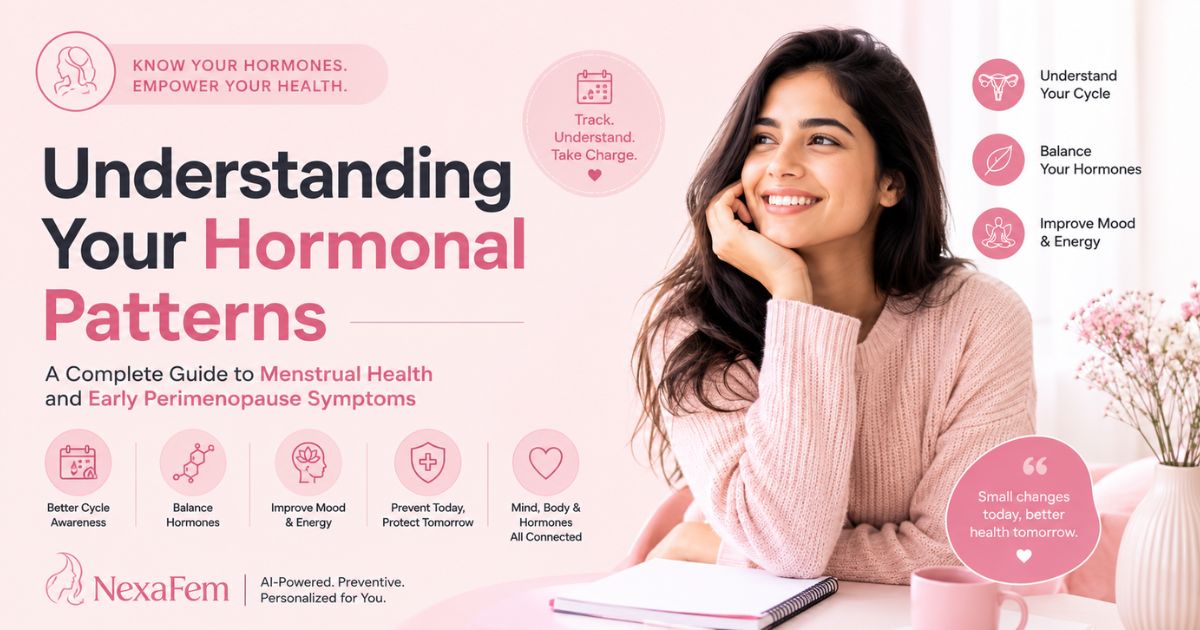
Hormones influence far more than your monthly cycle.
They affect your energy, mood, sleep, appetite, skin, fertility, metabolism, and long-term health. Yet many women spend years experiencing symptoms without fully understanding what their hormones may be trying to tell them.
Perhaps your periods have become unpredictable. Maybe you're feeling more fatigued, emotional, or noticing changes in your sleep and concentration. You might even be wondering whether these changes are normal or early signs of something more significant.
Understanding your hormonal patterns is one of the most powerful ways to improve menstrual health and recognize potential concerns—including early perimenopause symptoms—before they begin affecting your quality of life.
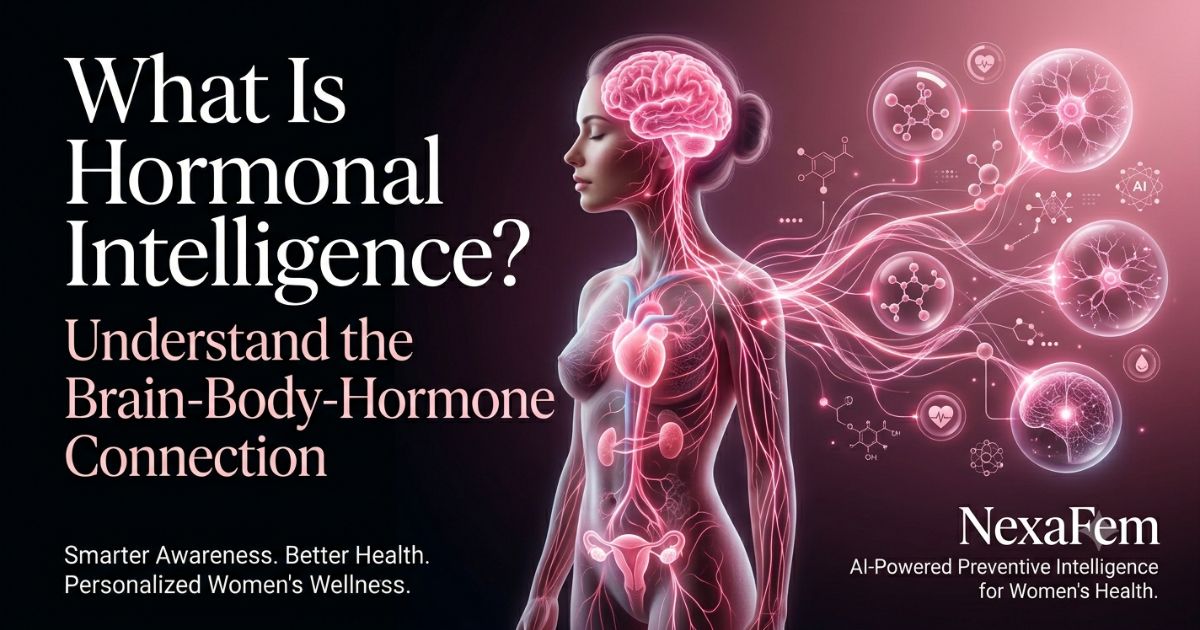
At NexaFem, we believe hormonal intelligence is a critical part of preventive healthcare. When women understand their body's signals, they are better equipped to seek timely support, make informed decisions, and build long-term wellness.
Quick Summary (TL;DR)
Hormones regulate your menstrual cycle, mood, energy, fertility, and overall health.
Changes in hormonal patterns can affect menstrual health at any age.
Early perimenopause symptoms can begin years before menopause, sometimes as early as the late 30s or early 40s.
Tracking symptoms and cycle changes can help identify hormonal shifts early.
Lifestyle habits, nutrition, stress management, and medical guidance can support hormonal balance and menstrual wellbeing.
What Are Hormonal Patterns?
Hormonal patterns refer to the natural fluctuations of reproductive hormones throughout the menstrual cycle.
The primary hormones involved include:
Estrogen
Progesterone
Follicle-stimulating hormone (FSH)
Luteinizing hormone (LH)
Testosterone
These hormones rise and fall in predictable ways throughout the month, influencing physical, emotional, and reproductive health.
When these patterns change significantly, symptoms may develop that affect menstrual health, fertility, mood, and overall wellbeing.
Understanding these changes can help women recognize when their bodies are functioning normally and when professional evaluation may be beneficial.
How Hormones Influence Menstrual Health
Menstrual health encompasses more than simply having a monthly period.
According to guidance from the NHS and ACOG, menstrual health reflects overall reproductive wellbeing and can provide important insights into hormonal function.
Healthy hormonal patterns typically support:
Predictable menstrual cycles
Consistent ovulation
Healthy fertility
Stable mood
Good sleep quality
Balanced energy levels
Bone health
Cardiovascular health
When hormone levels fluctuate excessively or become imbalanced, symptoms may appear long before a formal diagnosis is made.
Understanding the Four Hormonal Phases of the Menstrual Cycle
Menstrual Phase
This phase begins on the first day of bleeding.
Estrogen and progesterone levels are low, leading to shedding of the uterine lining.
Common experiences include:
Menstrual bleeding
Fatigue
Mild cramps
Lower energy
Women interested in cycle awareness may benefit from learning more about the four phases of the menstrual cycle and how each phase affects physical and emotional wellbeing.
Follicular Phase
During this stage, estrogen begins rising.
Many women notice:
Improved energy
Increased motivation
Better concentration
Enhanced mood
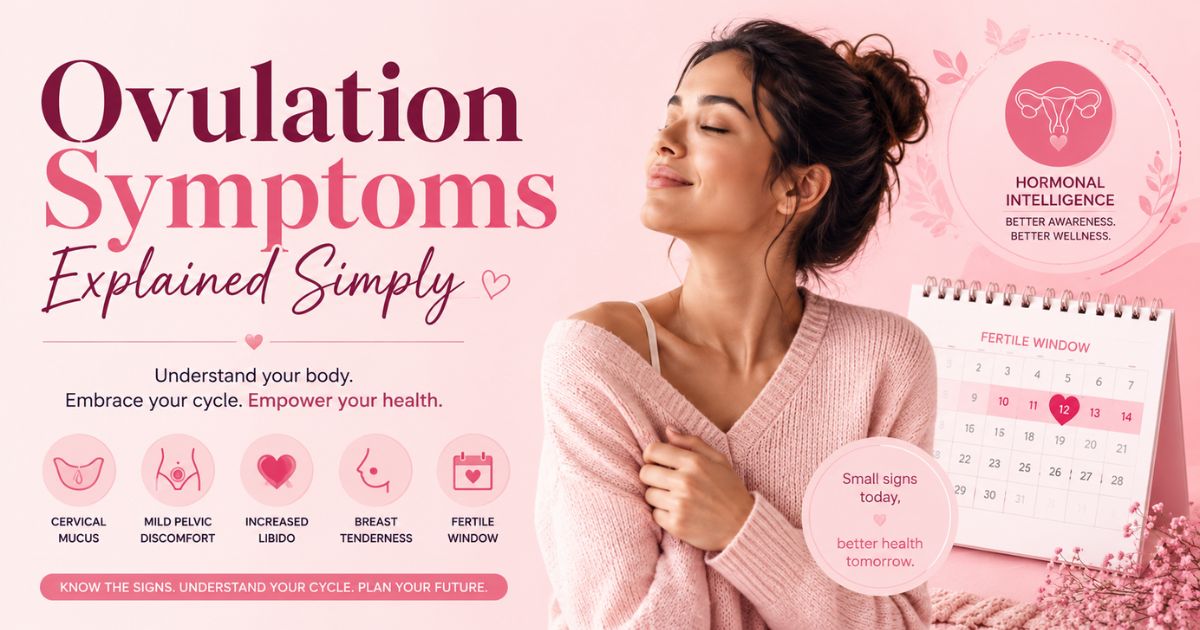
Ovulation Phase
Ovulation occurs when an egg is released from the ovary.
Hormonal changes may cause:
Increased libido
Higher energy levels
Improved confidence
Mild pelvic discomfort
Luteal Phase
Progesterone becomes dominant after ovulation.
Some women experience:
Breast tenderness
Bloating
Mood changes
Food cravings
Sleep disturbances
Tracking these monthly changes can help identify normal hormonal rhythms and potential disruptions.
What Causes Changes in Hormonal Patterns?
Hormonal fluctuations can occur for many reasons.
Age-Related Hormonal Changes
Hormone production naturally changes throughout life.
Major hormonal transitions include:
Puberty
Pregnancy
Postpartum recovery
Perimenopause
Menopause
Chronic Stress
Long-term stress can influence cortisol production and affect reproductive hormones.
Research from major health organizations suggests chronic stress may contribute to:
Irregular periods
Sleep disruption
Mood changes
Fatigue
Nutritional Factors
Hormones require adequate nutrients for proper production and regulation.
Poor nutrition may affect:
Ovulation
Menstrual regularity
Energy levels
Metabolic health
Medical Conditions
Several conditions can influence menstrual health and hormonal patterns, including:
PCOS
Thyroid disorders
Endometriosis
Hyperprolactinemia
Primary ovarian insufficiency
Women experiencing persistent symptoms may find it useful to explore hormonal imbalance symptoms in women and how they can overlap with other health conditions.
What Are Early Perimenopause Symptoms?
Perimenopause is the transitional period leading up to menopause.
According to the American College of Obstetricians and Gynecologists (ACOG), hormonal fluctuations during this stage can begin several years before menopause itself.
Many women are surprised to learn that early perimenopause symptoms can appear in their late 30s or early 40s.
Common Early Perimenopause Symptoms
Irregular periods
Changes in cycle length
Hot flashes
Night sweats
Mood changes
Anxiety
Brain fog
Sleep disturbances
Fatigue
Vaginal dryness
Reduced libido
Symptoms vary significantly between individuals.
Some women experience only mild changes, while others notice substantial disruptions in daily life.
People Also Ask: How Do I Know If My Hormones Are Changing?
Signs that hormonal patterns may be shifting include:
Sudden changes in menstrual cycles
Increased PMS symptoms
New sleep difficulties
Persistent fatigue
Mood fluctuations
Weight changes
Changes in skin or hair
Fertility challenges
Tracking these patterns over several months can provide valuable information for healthcare providers.
Using a menstrual symptom tracker or AI-powered cycle insights tool may help identify trends that are difficult to notice day-to-day.
Risk Factors for Hormonal Changes and Perimenopause
Several factors may influence hormonal health.
Lifestyle Factors
Chronic stress
Poor sleep quality
Smoking
Sedentary lifestyle
Nutritional deficiencies
Medical Factors
Thyroid disease
Autoimmune conditions
PCOS
Certain medications
Family History
Genetics can influence the timing and experience of perimenopause and menopause.
How Are Hormonal Changes Diagnosed?
Healthcare professionals typically begin with a detailed health history and symptom review.
Evaluation may include:
Menstrual cycle assessment
Physical examination
Blood tests
Thyroid testing
Reproductive hormone testing when appropriate
It is important to understand that hormone levels naturally fluctuate throughout the cycle, so diagnosis often depends on symptom patterns rather than a single laboratory result.
Nutrition for Better Hormonal and Menstrual Health
Nutrition plays a key role in supporting hormone production and overall wellbeing.
Consider including:
Protein-Rich Foods
Protein supports hormone synthesis and blood sugar stability.
Examples include:
Eggs
Fish
Beans
Lentils
Greek yogurt
Healthy Fats
Healthy fats provide building blocks for hormone production.
Examples include:
Avocados
Nuts
Seeds
Olive oil
Fiber-Rich Foods
Fiber may support healthy estrogen metabolism.
Examples include:
Vegetables
Fruits
Whole grains
Legumes
Key Nutrients
Important nutrients for women's hormonal health include:
Iron
Magnesium
Vitamin D
Calcium
Omega-3 fatty acids
B vitamins
Lifestyle Support for Hormonal Balance
Small daily habits can support menstrual health and overall wellness.
Prioritize Sleep
Aim for consistent, restorative sleep whenever possible.
Stay Physically Active
Regular movement may support:
Hormonal regulation
Stress reduction
Bone health
Cardiovascular health
Manage Stress
Helpful strategies include:
Mindfulness
Meditation
Deep breathing
Journaling
Therapy when needed
Track Your Cycle
Cycle tracking supports menstrual intelligence and helps women recognize patterns early.
Digital health tools and personalized hormonal health assessments can make symptom tracking more meaningful and actionable.
Mental Wellness and Hormonal Health
Hormonal fluctuations affect both physical and emotional wellbeing.
Women experiencing hormonal changes may notice:
Irritability
Anxiety
Mood swings
Reduced motivation
Difficulty concentrating
These experiences are common and deserve attention.
Supporting mental health is an essential part of comprehensive hormonal care.
If symptoms become severe or interfere with daily functioning, professional support should be sought.
Common Mistakes Women Make
Many women unintentionally overlook signs that deserve attention.
Common mistakes include:
Assuming irregular periods are always normal
Ignoring persistent fatigue
Dismissing mood changes
Delaying medical evaluation
Self-diagnosing through social media alone
Early awareness often leads to more effective management and better long-term outcomes.
When to See a Doctor
Consider scheduling a medical evaluation if you experience:
Significant cycle changes
Missing periods unexpectedly
Severe PMS symptoms
Persistent fatigue
Fertility concerns
Frequent hot flashes
Ongoing sleep disruption
Professional assessment can help identify underlying causes and guide appropriate treatment.
Red Flag Symptoms
Seek prompt medical attention if you experience:
Extremely heavy bleeding
Bleeding between periods
Severe pelvic pain
Fainting episodes
Chest pain
Sudden shortness of breath
Rapid, unexplained weight loss
These symptoms require medical evaluation and should not be attributed solely to hormonal changes.
Treatment Options for Hormonal Changes
Treatment depends on the underlying cause.
Options may include:
Lifestyle modifications
Nutritional support
Stress management
Hormonal therapies
Non-hormonal medications
Treatment of underlying medical conditions
The most appropriate approach should be determined with a qualified healthcare professional.
Final Thoughts
Your hormones are constantly communicating valuable information about your health.
Changes in menstrual health, energy, mood, sleep, or cycle patterns are not simply inconveniences—they are important signals that deserve attention.
Understanding hormonal patterns empowers women to recognize changes earlier, seek support when needed, and make informed decisions about their wellbeing.
At NexaFem, we believe the future of women's healthcare lies in combining medical expertise, preventive health awareness, and AI-powered hormonal intelligence. The more women understand their cycles and symptoms, the more opportunities they have to support long-term health through early awareness and intervention.
Sources & References
World Health Organization (WHO)
https://www.who.int
National Health Service (NHS) – Periods and Menstrual Health
https://www.nhs.uk
American College of Obstetricians and Gynecologists (ACOG) – Perimenopause
https://www.acog.org
Centers for Disease Control and Prevention (CDC) – Women's Health
https://www.cdc.gov/womenshealth
National Institute for Health and Care Excellence (NICE)
https://www.nice.org.uk
Disclaimer:
The information provided in this article is for educational and informational purposes only and is not intended as medical advice, diagnosis, or treatment. While every effort has been made to ensure accuracy and alignment with current medical knowledge, individual health needs and circumstances vary. Always consult a qualified healthcare professional, gynecologist, or licensed medical provider regarding any symptoms, health concerns, or treatment decisions. Never disregard professional medical advice or delay seeking care based on information found in this article. NexaFem's content is designed to support health awareness and informed conversations with healthcare providers, not to replace personalized medical care.
Frequently Asked Questions
Share this post
Comments (0)
No comments yet. Be the first to comment!