
Best Foods to Support Fertility Naturally: A Complete Fertility Nutrition Guide for Women
Discover the best foods to boost fertility naturally, support hormone balance, improve reproductive health, and nourish your fertility journey.
Fertility is influenced by many factors, including age, hormones, lifestyle, stress levels, sleep quality, and overall health. While no single food can guarantee pregnancy, research continues to show that nutrition plays an important role in supporting reproductive health and hormonal balance.
If you are trying to conceive—or simply want to support your future fertility—you may wonder whether your daily meals are helping or hurting your reproductive health.
The encouraging news is that small, sustainable dietary changes can support overall wellness and create a healthier environment for conception.
At NexaFem, we believe fertility is not just about getting pregnant. It is part of a broader picture of hormonal intelligence, preventive healthcare, and lifelong women's wellness.
Quick Summary (TL;DR)
Certain nutrient-rich foods may support reproductive health and hormone balance.
A fertility diet for women focuses on whole foods, healthy fats, lean proteins, fiber, and key micronutrients.
Folate, iron, omega-3 fatty acids, antioxidants, and vitamin D are especially important for fertility.
Maintaining a healthy weight, managing stress, and supporting menstrual health can positively influence fertility outcomes.
Nutrition supports fertility but does not replace medical evaluation when fertility challenges are present.
What Does “Foods to Boost Fertility Naturally” Mean?
Foods to boost fertility naturally are nutrient-dense foods that support:
Healthy ovulation
Hormone production and regulation
Egg quality
Reproductive tissue health
Blood sugar balance
Reduced inflammation
Overall reproductive wellness
According to guidance from organizations such as the NHS, ACOG, CDC, and WHO, a balanced dietary pattern contributes to better reproductive health outcomes and overall well-being.
For women interested in preventive healthcare, understanding the connection between nutrition and hormones is an important step toward fertility awareness.
How Nutrition Affects Fertility
Your reproductive system depends on a complex network of hormones.
These hormones regulate:
Ovulation
Menstrual cycles
Egg maturation
Implantation
Pregnancy support
Nutritional deficiencies, chronic inflammation, insulin resistance, and poor metabolic health can affect these processes.
Women with conditions such as PCOS, irregular periods, or metabolic syndrome may particularly benefit from nutritional interventions that support hormonal balance.
If you've ever explored topics like early signs of PCOS women often miss or hormonal patterns and menstrual health, you've already seen how nutrition and hormones are closely connected.
Top Foods That Support Fertility
Leafy Green Vegetables
Spinach, kale, Swiss chard, and other leafy greens are among the most beneficial natural fertility foods.
They provide:
Folate
Iron
Magnesium
Vitamin K
Antioxidants
Folate is especially important because it supports healthy cell division and reproductive function.
Examples include:
Spinach
Kale
Collard greens
Mustard greens
Fatty Fish
Fatty fish contain omega-3 fatty acids that support hormone production and reproductive health.
Good options include:
Salmon
Sardines
Mackerel
Trout
Omega-3 fats may help reduce inflammation and support healthy blood flow to reproductive organs.
Women who do not eat fish may benefit from discussing omega-3 supplementation with their healthcare provider.
Eggs
Eggs are rich in:
Protein
Choline
Vitamin B12
Selenium
These nutrients support overall health and reproductive wellness.
Egg yolks are particularly nutrient-dense and contribute important vitamins involved in hormone production.
Berries
Berries are packed with antioxidants that help protect cells from oxidative stress.
Examples include:
Blueberries
Strawberries
Raspberries
Blackberries
Antioxidants may help support egg health by reducing cellular damage caused by free radicals.
Beans and Lentils
Plant-based proteins can be an excellent addition to a fertility diet for women.
Benefits include:
Iron
Fiber
Folate
Protein
Examples:
Lentils
Chickpeas
Kidney beans
Black beans
Research suggests that incorporating plant-based protein sources may support reproductive health as part of a balanced diet.
Nuts and Seeds
Nuts and seeds provide:
Healthy fats
Zinc
Selenium
Vitamin E
Particularly beneficial options include:
Walnuts
Almonds
Pumpkin seeds
Sunflower seeds
Chia seeds
Flaxseeds
These nutrients play important roles in hormone function and reproductive health.
Whole Grains
Whole grains help support stable blood sugar levels and insulin regulation.
Examples include:
Oats
Brown rice
Quinoa
Whole wheat
Barley
Blood sugar balance is especially important for women with PCOS or insulin resistance.
Full-Fat Dairy (When Appropriate)
Some research suggests that moderate consumption of full-fat dairy products may be associated with improved fertility outcomes in certain women.
Options include:
Yogurt
Milk
Cottage cheese
Individual needs vary, and dairy may not be suitable for everyone.
Avocados
Avocados provide:
Monounsaturated fats
Fiber
Potassium
Folate
Healthy fats support hormone production and nutrient absorption.
Citrus Fruits
Oranges, grapefruit, lemons, and other citrus fruits are rich in vitamin C and antioxidants.
Vitamin C supports immune function and helps the body absorb iron more effectively.
Key Nutrients for Fertility
Folate
Folate supports DNA synthesis and healthy reproductive function.
Food sources include:
Leafy greens
Lentils
Beans
Avocados
Iron
Iron deficiency may affect ovulation and overall health.
Food sources include:
Lean meats
Beans
Lentils
Spinach
Omega-3 Fatty Acids
Omega-3 fats support hormone balance and healthy inflammation responses.
Vitamin D
Vitamin D receptors are present throughout the reproductive system.
Many women have low vitamin D levels, making screening important when fertility concerns exist.
Zinc
Zinc contributes to reproductive health, immune function, and hormone regulation.
Foods That May Negatively Affect Fertility
No food needs to be completely banned, but moderation is important.
Potential concerns include:
Excessive ultra-processed foods
High sugar intake
Excessive alcohol consumption
Trans fats
Frequent sugary beverages
Dietary patterns matter more than individual foods.
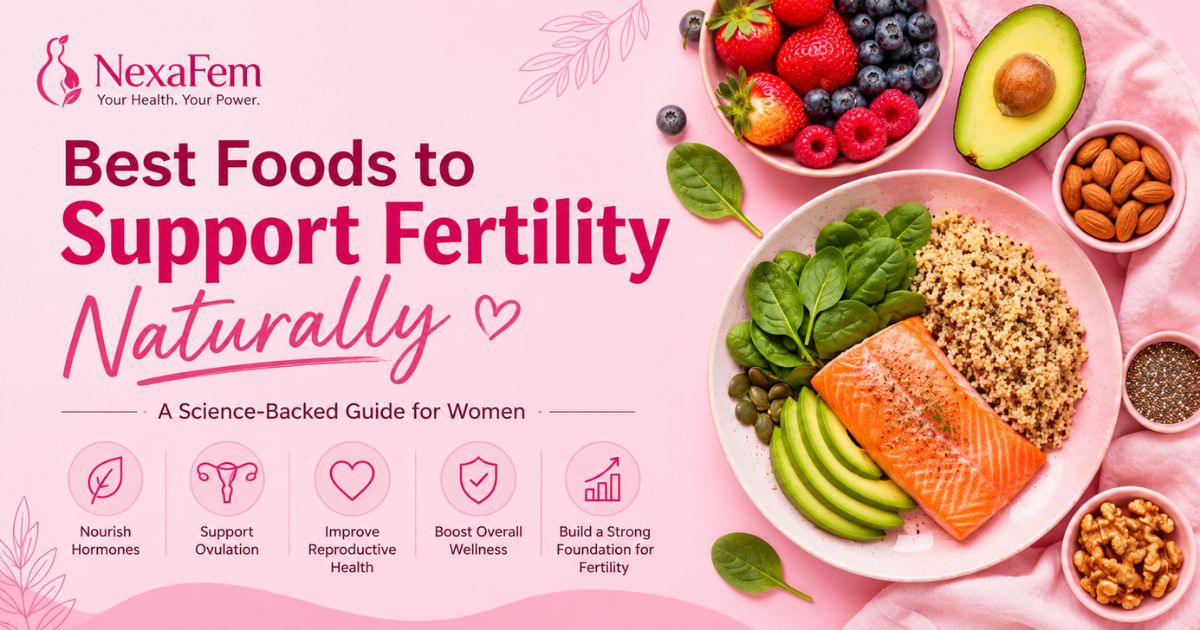
Fertility Diet for Women: What Does a Fertility-Friendly Plate Look Like?
A balanced fertility-supportive meal may include:
Half the plate: vegetables
One-quarter: lean protein
One-quarter: whole grains
Healthy fats on the side
Example:
Grilled salmon with quinoa, spinach salad, avocado, and mixed berries.
This combination supports blood sugar balance, nutrient intake, and overall reproductive health.
Can Food Improve Egg Quality?
Nutrition may help support the environment in which eggs develop.
Foods rich in antioxidants, healthy fats, and micronutrients may contribute to reproductive wellness.
However, egg quality is influenced by multiple factors including:
Age
Genetics
Medical conditions
Lifestyle habits
No specific food can reverse age-related changes in fertility.
What Causes Fertility Challenges?
Fertility difficulties can occur for many reasons.
Common causes include:
PCOS
Endometriosis
Thyroid disorders
Ovulation disorders
Age-related fertility decline
Uterine abnormalities
Male factor infertility
Certain medications
A comprehensive fertility evaluation may be needed when conception does not occur as expected.
Symptoms That May Suggest an Underlying Fertility Issue
Possible signs include:
Irregular periods
Very heavy periods
Absent periods
Severe menstrual pain
Recurrent pregnancy loss
Symptoms of hormonal imbalance
Women experiencing these symptoms should discuss them with a healthcare professional.
Risk Factors That Can Affect Fertility
Several factors may influence reproductive health:
Smoking
Obesity
Underweight status
Chronic stress
Sleep deprivation
Excessive alcohol use
Poor nutrition
Advanced reproductive age
Understanding these risk factors supports early intervention and preventive care.
How Is Fertility Evaluated?
Healthcare professionals may use:
Medical history review
Menstrual cycle assessment
Hormone testing
Ultrasound imaging
Ovulation tracking
Partner evaluation
Tools such as a menstrual cycle tracking tool and hormone health assessment tool can help women better understand patterns that may affect fertility discussions with healthcare providers.
Lifestyle Tips That Support Fertility
Nutrition is only one piece of the puzzle.
Healthy habits include:
Prioritizing sleep
Managing stress
Regular physical activity
Maintaining a healthy weight
Avoiding tobacco use
Limiting alcohol intake
Women who understand their menstrual intelligence often notice patterns that help them make more informed health decisions.
Mental Wellness and Fertility
The emotional side of fertility is often overlooked.
Trying to conceive can bring:
Anxiety
Frustration
Uncertainty
Emotional exhaustion
Supporting mental health is an important part of fertility care.
Helpful strategies include:
Mindfulness practices
Counseling
Support groups
Stress-management techniques
Building a strong support network
Remember that needing support is common and completely valid.
Common Mistakes Women Make When Trying to Improve Fertility
Many women unknowingly make choices that may not support reproductive health.
Common examples include:
Following extreme diets
Eliminating entire food groups unnecessarily
Ignoring irregular menstrual cycles
Delaying medical evaluation for persistent fertility concerns
Relying on unproven supplements
A balanced, evidence-based approach is usually most effective.
When to See a Doctor
Consult a healthcare professional if:
You are under 35 and have been trying to conceive for 12 months
You are 35 or older and have been trying for 6 months
You have irregular periods
You have known reproductive health conditions
You have recurrent pregnancy losses
Early assessment may help identify treatable causes.
Red Flag Symptoms
Seek medical evaluation promptly if you experience:
Complete absence of periods
Severe pelvic pain
Heavy abnormal bleeding
Rapid changes in menstrual patterns
Symptoms of significant hormonal imbalance
These symptoms may indicate an underlying condition requiring medical attention.
Final Thoughts
Fertility is influenced by much more than a single nutrient or superfood. The most effective approach is building consistent, sustainable habits that support hormonal health, menstrual regularity, metabolic wellness, and overall well-being.
The best foods to boost fertility naturally are those that nourish the body as a whole: vegetables, fruits, healthy fats, quality proteins, whole grains, and nutrient-rich foods that support hormone balance.
At NexaFem, we believe that fertility awareness begins long before pregnancy planning. Through hormonal intelligence, preventive healthcare, symptom awareness, and personalized wellness insights, women can make informed decisions that support reproductive health throughout every life stage.
Sources & References
World Health Organization (WHO)
https://www.who.int
National Health Service (NHS)
https://www.nhs.uk/pregnancy/trying-for-a-baby
American College of Obstetricians and Gynecologists (ACOG)
https://www.acog.org
Centers for Disease Control and Prevention (CDC)
https://www.cdc.gov/preconception
National Institute for Health and Care Excellence (NICE)
https://www.nice.org.uk
Disclaimer
This article is intended for informational and educational purposes only and should not be considered medical advice, diagnosis, or treatment. Health information is constantly evolving, and individual circumstances vary. Always consult a qualified healthcare professional, gynecologist, fertility specialist, or registered dietitian for personalized medical guidance regarding fertility, reproductive health, nutrition, or any health concerns. Never delay seeking professional medical advice based on information presented in this article.
Frequently Asked Questions
Share this post
Comments (0)
No comments yet. Be the first to comment!