
What Is Hormonal Intelligence? A Smarter Approach to Women’s Health
Learn how hormonal intelligence helps women understand symptoms, cycles, and long-term health for better preventive wellness decisions.
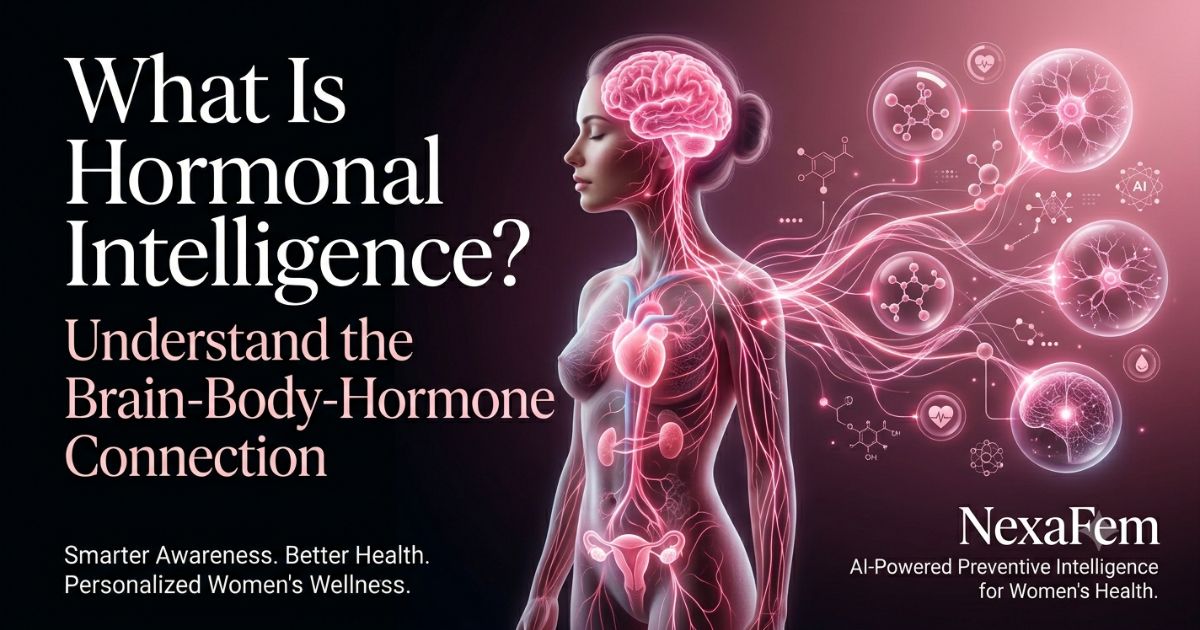
Hormonal intelligence is quickly becoming one of the most important concepts in modern women’s health.
Have you ever wondered why your energy changes throughout the month? Why some weeks feel productive and motivated while others feel emotionally overwhelming? Why symptoms such as fatigue, bloating, headaches, acne, anxiety, sleep changes, or irregular periods seem to appear without warning?
For many women, these experiences can feel confusing.
The reality is that hormones influence nearly every system in the body. They affect reproductive health, metabolism, mood, sleep, brain function, skin health, and overall wellbeing. Yet many women grow up without learning how to recognize hormone-related patterns or understand what their bodies may be trying to communicate.
This is where hormonal intelligence comes in.
Rather than reacting to symptoms only when they become severe, hormonal intelligence encourages women to understand their hormone patterns, recognize changes early, and make informed decisions that support long-term health.
As preventive healthcare becomes increasingly personalized and technology-driven, hormonal intelligence is emerging as a powerful tool for helping women become active participants in their own wellbeing.
Quick Summary (TL;DR)
Hormonal intelligence is the ability to understand, track, and respond to hormone-related changes in the body.
It helps women recognize patterns involving energy, mood, sleep, menstrual cycles, fertility, and overall health.
Improved hormonal health awareness may support earlier identification of potential health concerns.
Lifestyle habits, nutrition, stress management, and symptom tracking all contribute to hormonal intelligence.
AI-powered health tools may help women uncover meaningful health patterns and support preventive care decisions.
What Is Hormonal Intelligence?
Hormonal intelligence refers to the ability to understand how hormonal fluctuations influence physical, emotional, and mental health.
In simple terms, it means learning to recognize:
How your hormones affect your daily life
What is normal for your body
When changes may require attention
How lifestyle choices influence hormonal health
Hormonal intelligence is not about becoming a medical expert.
It is about developing greater awareness of your body's signals so you can make informed health decisions.
A Simple Definition
Hormonal intelligence is the practice of understanding hormone patterns, recognizing symptoms, and using that knowledge to support better health outcomes.
This concept aligns closely with preventive healthcare, where the goal is to identify concerns early rather than waiting for significant symptoms to develop.
Why Hormones Matter More Than Many Women Realize
Hormones are chemical messengers that travel through the bloodstream and help regulate numerous bodily functions. These include:
Menstrual cycles
Ovulation
Fertility
Sleep
Mood
Appetite
Metabolism
Bone health
Sexual health
Energy levels
Key hormones involved in women's health include estrogen, progesterone, testosterone, follicle-stimulating hormone (FSH), and luteinizing hormone (LH). These hormones work together to regulate reproductive and overall health.
When hormone patterns shift, women may experience noticeable physical and emotional changes.
Understanding these changes is one of the foundations of hormonal intelligence.
Hormonal Intelligence vs Hormonal Balance
Many wellness conversations focus on "hormone balance."
While hormonal balance is important, hormonal intelligence goes a step further.
Hormonal Balance
Hormonal Intelligence
Focuses on hormone levels
Focuses on understanding patterns
Often reactive
More preventive
Symptom treatment focused
Awareness focused
Clinical measurement
Daily health awareness
Hormonal intelligence does not replace medical care.
Instead, it helps women recognize when professional evaluation may be beneficial.
What Are Common Signs Your Hormones May Be Affecting Your Health?
Hormonal changes can influence many areas of life.
Common symptoms include:
Physical Symptoms
Irregular periods
Heavy menstrual bleeding
Fatigue
Acne
Weight fluctuations
Headaches
Breast tenderness
Digestive changes
Sleep disturbances
Emotional Symptoms
Anxiety
Mood swings
Irritability
Low motivation
Increased stress sensitivity
Difficulty concentrating
Reproductive Symptoms
Irregular ovulation
Fertility challenges
Changes in libido
Perimenopausal symptoms
Not every symptom indicates a hormonal disorder. However, persistent changes deserve attention and discussion with a healthcare professional.
Understanding Hormone Patterns Throughout Life
One of the most valuable aspects of hormonal intelligence is recognizing that hormone patterns naturally evolve.
Adolescence and Early Adulthood (18–24)
Hormones help regulate puberty, menstrual cycles, emotional development, and reproductive health.
Cycles may still be maturing, making irregular periods relatively common.
Reproductive Years (25–34)
Many women become more aware of cycle patterns, fertility, and the relationship between hormones and overall wellbeing.
This stage is often when conditions such as PCOS, thyroid disorders, or endometriosis are identified.
Related reading opportunities include understanding irregular periods, early signs of PCOS, and ovulation symptom tracking.
Midlife (35–45)
Subtle hormonal shifts may begin years before menopause.
Women may notice:
Sleep disruptions
Cycle changes
Mood fluctuations
Changes in energy
Increased stress sensitivity
Perimenopause and Menopause
Hormonal fluctuations become more pronounced during perimenopause.
Current evidence-based guidelines emphasize that symptoms often provide more useful information than isolated hormone tests in many women over 45.
Understanding these patterns can reduce uncertainty and help women seek appropriate support.
Why Hormonal Health Awareness Supports Preventive Care
Preventive healthcare focuses on identifying risks early.
Hormonal intelligence contributes to this by helping women notice changes that might otherwise go overlooked.
Researchers increasingly recognize menstrual cycle patterns as important health indicators that may provide insights into broader health conditions.
Examples include:
Persistent cycle irregularities
Significant changes in bleeding patterns
New mood symptoms
Unexplained fatigue
Fertility concerns
Early recognition can support timely medical evaluation and intervention.
How Hormonal Intelligence Can Improve Mental Wellness
Hormones influence communication between the brain and body.
Changes in estrogen and progesterone levels can affect:
Mood
Stress response
Sleep quality
Emotional resilience
Many women notice emotional changes during different phases of the menstrual cycle. Hormonal fluctuations may contribute to differences in energy, motivation, and emotional wellbeing throughout the month.
Hormonal intelligence helps women identify patterns instead of viewing symptoms as random or personal shortcomings.
This awareness often promotes greater self-compassion and healthier coping strategies.
What Causes Hormonal Changes?
Hormones naturally fluctuate throughout life.
However, several factors can influence hormone patterns:
Lifestyle Factors
Chronic stress
Poor sleep
Excessive exercise
Sedentary habits
Nutritional deficiencies
Medical Conditions
PCOS
Thyroid disorders
Endometriosis
Premature ovarian insufficiency
Diabetes
Certain autoimmune conditions
Life Stage Changes
Puberty
Pregnancy
Postpartum recovery
Perimenopause
Menopause
How Is Hormonal Health Evaluated?
There is no single test that measures hormonal intelligence.
Healthcare professionals may use:
Symptom history
Menstrual cycle history
Physical examination
Blood testing when clinically appropriate
Imaging studies if indicated
Importantly, hormone testing is not always necessary. Evaluation depends on symptoms, age, medical history, and clinical context.
This is why symptom awareness remains a valuable part of hormonal health monitoring.
Lifestyle Habits That Support Hormonal Health
While lifestyle changes cannot cure medical conditions, they may support overall hormonal wellbeing.
Prioritize Sleep
Aim for consistent, restorative sleep whenever possible.
Sleep plays a critical role in hormone regulation.
Manage Stress
Long-term stress can affect multiple hormonal pathways.
Helpful approaches include:
Mindfulness practices
Regular physical activity
Breathing exercises
Therapy or counseling when needed
Support Nutrition
A balanced diet that includes:
Protein
Fiber
Healthy fats
Fruits
Vegetables
Whole grains
may support overall health and hormone function.
Move Regularly
Regular physical activity supports cardiovascular health, metabolism, mental wellbeing, and hormone regulation.
Track Symptoms
Keeping a symptom journal can help identify recurring patterns.
Women may benefit from using:
A menstrual cycle tracker
A hormone symptom tracker
An AI-powered women's health insights tool
These tools can help transform daily observations into meaningful health information.
Common Mistakes Women Make About Hormones
Many women receive mixed messages about hormones online.
Common misconceptions include:
Ignoring Symptoms for Too Long
Persistent symptoms should not be dismissed simply because they are common.
Self-Diagnosing Based on Social Media
Health information online can be helpful, but it should not replace professional evaluation.
Expecting One Hormone Test to Explain Everything
Hormonal health is complex and often requires a broader clinical assessment.
Assuming Symptoms Are "Just Stress"
Stress can contribute to symptoms, but recurring changes deserve proper attention.
Red Flag Symptoms That Need Medical Attention
Seek prompt medical care if you experience:
Extremely heavy bleeding
Bleeding after menopause
Severe pelvic pain
Sudden menstrual changes
Unexplained weight loss
Persistent fatigue
Signs of anemia
New fertility concerns
Significant mood changes affecting daily life
When to See a Doctor
Consider speaking with a healthcare professional if you experience:
Irregular periods lasting several months
Missed periods without pregnancy
Severe PMS symptoms
Ongoing fatigue
Persistent acne
Fertility challenges
Symptoms that interfere with daily activities
Early evaluation often leads to better understanding and management of underlying concerns.
The Future of Women's Health: From Hormone Tracking to Hormonal Intelligence
Women's healthcare is evolving.
Traditionally, many women only sought care when symptoms became severe.
Today, technology is helping shift healthcare toward prevention, personalization, and early awareness.
This is where hormonal intelligence becomes especially powerful.
At NexaFem, the vision of AI-powered preventive intelligence for women's health is built on helping women understand patterns before they become problems. By combining symptom awareness, menstrual intelligence, health education, and personalized insights, women can become more informed and empowered partners in their own healthcare journey.
The future is not simply collecting health data.
The future is understanding what that data means.
Final Thoughts
Hormonal intelligence is not about achieving perfect hormone levels.
It is about understanding your body well enough to recognize patterns, respond to changes, and seek support when needed.
Every woman's hormone story is unique.
By developing greater hormonal health awareness, understanding hormone patterns, and paying attention to women's hormone health insights, you can make more informed decisions about your wellbeing throughout every stage of life.
Knowledge does not replace medical care.
But it can help you ask better questions, recognize important changes earlier, and become a more confident advocate for your health.
Sources & References
World Health Organization (WHO): https://www.who.int/health-topics/women-s-health/
American College of Obstetricians and Gynecologists (ACOG): https://www.acog.org/womens-health/infographics/the-menstrual-cycle
ACOG Women's Health Resources: https://www.acog.org/womens-health/faqs/evaluating-infertility
Johns Hopkins Medicine: Menstrual Cycle Overview https://www.hopkinsmedicine.org/health/wellness-and-prevention/menstrual-cycle-an-overview
Johns Hopkins Medicine: Estrogen's Effects on the Female Body https://www.hopkinsmedicine.org/health/conditions-and-diseases/estrogens-effects-on-the-female-body
Disclaimer
This article is intended for informational and educational purposes only and should not be considered medical advice, diagnosis, or treatment. Health information is constantly evolving, and individual circumstances vary. Always consult a qualified healthcare professional, gynecologist, endocrinologist, or licensed medical provider regarding any symptoms, health concerns, diagnosis, or treatment decisions. NexaFem does not replace professional medical care, emergency services, or individualized healthcare guidance.
Frequently Asked Questions
Share this post
Comments (0)
No comments yet. Be the first to comment!