
Best Foods for Hormone Balance in Women: A Science-Backed Guide to Hormonal Health
Discover the best foods for hormone balance in women. Learn how nutrition supports estrogen, insulin, cortisol, thyroid health, and overall wellness.
Hormones influence far more than reproductive health.
They affect your energy, mood, metabolism, sleep, skin, menstrual cycle, fertility, and overall well-being. When hormones are functioning optimally, many women feel balanced, energized, and resilient. When they're not, symptoms can show up in unexpected ways.
Perhaps you've noticed increasing fatigue, irregular periods, stubborn weight gain, mood swings, acne, poor sleep, or brain fog. While many factors can contribute to these symptoms, nutrition is one area where small, sustainable changes can have a meaningful impact.
The good news is that there is no need for extreme diets or expensive supplements to support hormonal health. In many cases, a balanced eating pattern rich in whole foods can help support the body's natural hormone production and regulation.
At NexaFem, we believe that preventive healthcare starts with understanding your body's signals. Food is one of the most powerful tools available for building hormonal intelligence and long-term wellness.
Quick Summary (TL;DR)
The best foods for hormone balance support blood sugar stability, gut health, inflammation control, and healthy hormone production.
Protein, healthy fats, fiber-rich foods, vegetables, and omega-3 fats play important roles in hormone health.
No single food can "fix" hormonal imbalances, but overall dietary patterns matter.
Women with PCOS, perimenopause symptoms, thyroid conditions, or insulin resistance may benefit from targeted nutrition strategies.
Nutrition works best when combined with quality sleep, stress management, physical activity, and medical care when needed.
What Does Hormone Balance Mean?
Hormone balance does not mean having perfect hormone levels all the time.
Hormones naturally fluctuate throughout the menstrual cycle, pregnancy, postpartum recovery, and menopause.
Instead, hormone balance refers to healthy communication between the body's endocrine system, reproductive system, metabolism, and brain.
Key hormones affected by nutrition include:
Estrogen
Progesterone
Insulin
Cortisol
Thyroid hormones
Testosterone
According to the World Health Organization, nutrition plays a fundamental role in overall health and disease prevention, including conditions that may affect hormonal function.
How Food Influences Hormones
Everything you eat provides building blocks that help your body create and regulate hormones.
Nutrition can affect:
Blood sugar regulation
Insulin sensitivity
Inflammation
Gut microbiome health
Estrogen metabolism
Cortisol response
Energy production
This is why dietary patterns often influence symptoms such as fatigue, irregular periods, weight changes, and mood fluctuations.
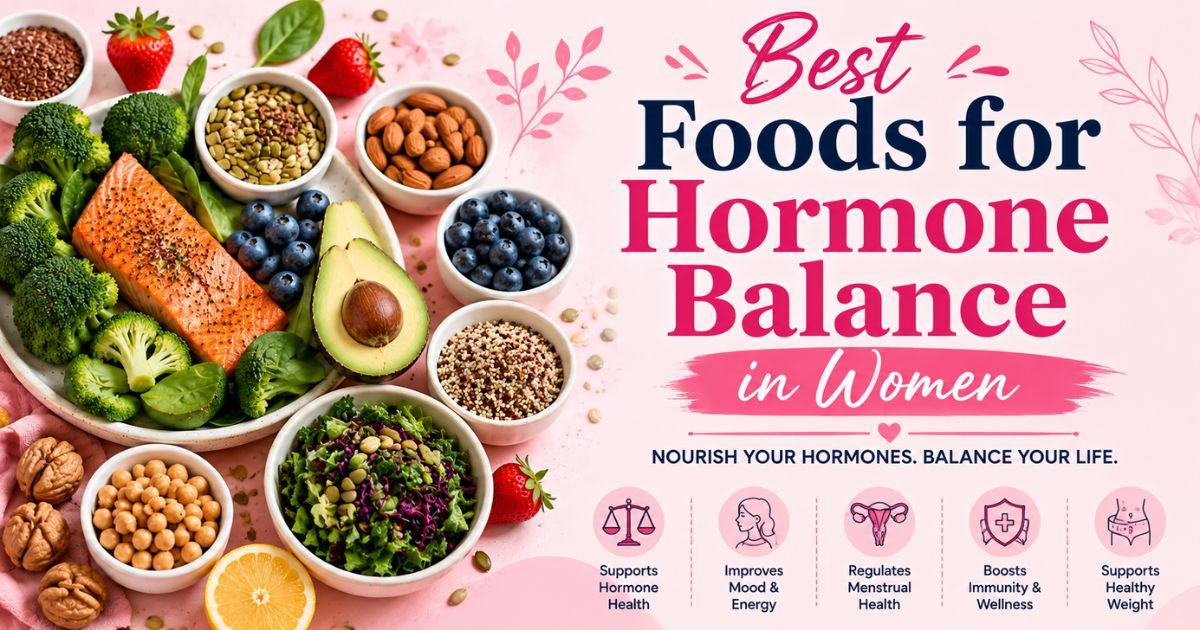
15 Best Foods for Hormone Balance
1. Fatty Fish
Salmon, sardines, mackerel, and trout provide omega-3 fatty acids that support hormone production and help regulate inflammation.
Research suggests omega-3 fats may support heart health, brain health, and overall metabolic function.
Why it helps:
Supports hormone synthesis
May reduce inflammation
Supports mood and cognitive health
2. Eggs
Eggs contain protein, healthy fats, choline, vitamin D, and essential nutrients involved in hormone production.
Why it helps:
Supports blood sugar balance
Promotes satiety
Provides nutrients needed for hormone synthesis
3. Leafy Green Vegetables
Spinach, kale, arugula, and Swiss chard are rich in fiber, antioxidants, and micronutrients.
Why it helps:
Supports estrogen metabolism
Promotes gut health
Provides magnesium for stress support
4. Cruciferous Vegetables
Broccoli, cauliflower, Brussels sprouts, cabbage, and bok choy contain compounds that support estrogen metabolism.
Many women's health experts recommend including these vegetables regularly as part of a hormone-supportive nutrition plan.
Why it helps:
Supports healthy estrogen processing
Provides fiber
Supports digestive health
5. Berries
Blueberries, strawberries, raspberries, and blackberries are rich in antioxidants.
Why it helps:
Helps reduce oxidative stress
Supports metabolic health
Provides fiber for gut health
6. Avocados
Avocados contain monounsaturated fats, fiber, and nutrients that support hormonal wellness.
Why it helps:
Supports healthy cholesterol levels
Provides healthy fats needed for hormone production
Promotes satiety
7. Flaxseeds
Flaxseeds are among the most researched foods for women's hormonal health.
Why it helps:
Rich in fiber
Contains lignans that may support estrogen metabolism
Supports digestive health
Ground flaxseed is generally easier to absorb than whole flaxseed.
8. Chia Seeds
Chia seeds provide omega-3 fats, fiber, and plant-based protein.
Why it helps:
Supports blood sugar stability
Supports digestive health
May improve satiety
9. Greek Yogurt and Fermented Foods
Gut health and hormone health are closely connected.
Foods such as:
Greek yogurt
Kefir
Kimchi
Sauerkraut
may help support a healthy gut microbiome.
Why it helps:
Supports digestive health
Helps maintain microbiome diversity
May support estrogen metabolism
10. Lentils and Beans
Legumes provide plant protein, fiber, iron, and B vitamins.
Why it helps:
Supports blood sugar control
Promotes fullness
Supports reproductive health nutrition
11. Nuts
Almonds, walnuts, pistachios, and Brazil nuts offer healthy fats and minerals.
Why it helps:
Supports hormone production
Provides selenium and magnesium
Supports metabolic health
12. Whole Grains
Oats, quinoa, brown rice, and whole wheat provide fiber and nutrients.
Why it helps:
Supports insulin sensitivity
Promotes stable energy
Supports digestive health
13. Olive Oil
Extra virgin olive oil is a key component of Mediterranean-style eating patterns.
Why it helps:
Provides anti-inflammatory compounds
Supports cardiovascular health
Supports healthy hormone production
14. Citrus Fruits
Oranges, grapefruit, lemons, and limes provide vitamin C and antioxidants.
Why it helps:
Supports immune function
Helps reduce oxidative stress
Supports collagen production
15. Green Tea
Green tea contains antioxidants called catechins.
Why it helps:
Supports metabolic health
May support insulin sensitivity
Provides antioxidant protection
Foods That Support Specific Hormones
Best Foods for Estrogen Balance
Women often ask, "What foods help support healthy estrogen levels?"
Helpful choices include:
Cruciferous vegetables
Flaxseeds
Fiber-rich foods
Berries
Leafy greens
Best Foods for Insulin Balance
Blood sugar regulation plays a major role in hormone health.
Helpful foods include:
Lean protein
Beans and lentils
Nuts
Whole grains
Non-starchy vegetables
Women managing PCOS symptoms often benefit from focusing on blood sugar balance and insulin sensitivity.
Best Foods for Cortisol Support
Chronic stress can affect cortisol levels.
Supportive foods include:
Fatty fish
Magnesium-rich greens
Whole grains
Nuts and seeds
Nutrition works best when paired with stress management practices and quality sleep.
What Foods May Disrupt Hormonal Health?
No food needs to be completely eliminated unless medically necessary.
However, diets high in:
Ultra-processed foods
Sugary beverages
Excessive alcohol
Refined carbohydrates
may contribute to inflammation and blood sugar fluctuations in some individuals.
The goal is not perfection. It is consistency.
People Also Ask
What Is the Best Diet for Hormone Balance?
There is no single hormone-balancing diet.
Most experts recommend a balanced eating pattern emphasizing:
Whole foods
Fiber
Healthy fats
Lean protein
Fruits and vegetables
Mediterranean-style diets are often associated with positive metabolic and cardiovascular health outcomes.
Can Food Fix Hormonal Imbalances?
Food alone cannot cure medical conditions such as PCOS, thyroid disease, or menopause-related symptoms.
However, nutrition can play an important supportive role alongside medical care, lifestyle interventions, and individualized treatment plans.
How Long Does It Take for Diet Changes to Affect Hormones?
Some women notice improvements in energy and blood sugar stability within weeks.
Other hormone-related changes may take several months depending on the underlying condition.
Lifestyle Factors That Matter as Much as Food
Hormonal health is influenced by more than nutrition.
Key lifestyle habits include:
Sleep
The NHS emphasizes the importance of sleep for overall physical and mental health.
Aim for consistent, restorative sleep whenever possible.
Stress Management
Chronic stress affects cortisol and may indirectly influence reproductive hormones.
Helpful practices include:
Walking
Yoga
Meditation
Therapy
Mindfulness
Physical Activity
Regular movement supports:
Insulin sensitivity
Cardiovascular health
Mood regulation
Metabolic function
Symptom Tracking
Using a hormone symptom tracker or menstrual health tracker can help identify patterns and support more productive healthcare conversations.
Common Mistakes Women Make
Many women unintentionally make nutrition decisions based on trends rather than evidence.
Common mistakes include:
Following extremely restrictive diets
Skipping meals regularly
Overusing supplements without medical guidance
Relying on social media health advice
Ignoring persistent symptoms
Sustainable habits generally outperform short-term dietary extremes.
When to See a Doctor
Nutrition can support health, but some symptoms require professional evaluation.
Consider speaking with a healthcare provider if you experience:
Irregular periods
Fertility concerns
Severe fatigue
Rapid weight changes
Significant hair loss
Persistent acne
Mood changes affecting daily life
Conditions such as PCOS, thyroid disorders, insulin resistance, and perimenopause may require medical assessment.
Red Flag Symptoms
Seek medical care promptly if you experience:
Heavy or prolonged bleeding
Bleeding after menopause
Severe pelvic pain
Chest pain
Shortness of breath
Sudden neurological symptoms
Treatment Overview
Treatment depends on the underlying cause.
Options may include:
Lifestyle modifications
Nutrition support
Stress management
Hormonal therapies when appropriate
Thyroid treatment
PCOS management strategies
The American College of Obstetricians and Gynecologists emphasizes individualized care based on each woman's symptoms, health history, and goals.
Final Thoughts
The best foods for hormone balance are not exotic superfoods or restrictive diet plans.
They are often the everyday foods that nourish your body consistently: vegetables, fruits, healthy fats, quality proteins, whole grains, legumes, and nutrient-dense snacks.
Hormonal health is not about perfection.
It is about creating an environment where your body has the nutrients it needs to function optimally.
At NexaFem, we believe women deserve tools, education, and personalized insights that help them better understand their health. By combining nutrition, symptom awareness, preventive healthcare, and AI-powered wellness intelligence, women can make informed decisions that support long-term well-being.
Sources & References
World Health Organization (WHO): https://www.who.int
National Health Service (NHS): https://www.nhs.uk
American College of Obstetricians and Gynecologists (ACOG): https://www.acog.org
Centers for Disease Control and Prevention (CDC): https://www.cdc.gov
National Institute for Health and Care Excellence (NICE): https://www.nice.org.uk
Disclaimer
This article is provided for informational and educational purposes only and should not be considered medical advice, diagnosis, or treatment. Nutrition recommendations may not be appropriate for every individual, particularly those with medical conditions, food allergies, eating disorders, or specific healthcare needs. Always consult a qualified healthcare professional, registered dietitian, gynecologist, endocrinologist, or other licensed medical provider for personalized medical guidance, diagnosis, or treatment related to hormonal health concerns.
Frequently Asked Questions
Share this post
Comments (0)
No comments yet. Be the first to comment!