

The Emotional Impact of Infertility on Women: Understanding Anxiety, Depression, and Emotional Support
Learn how infertility affects mental health, relationships, and wellbeing, plus evidence-based emotional support and coping strategies.
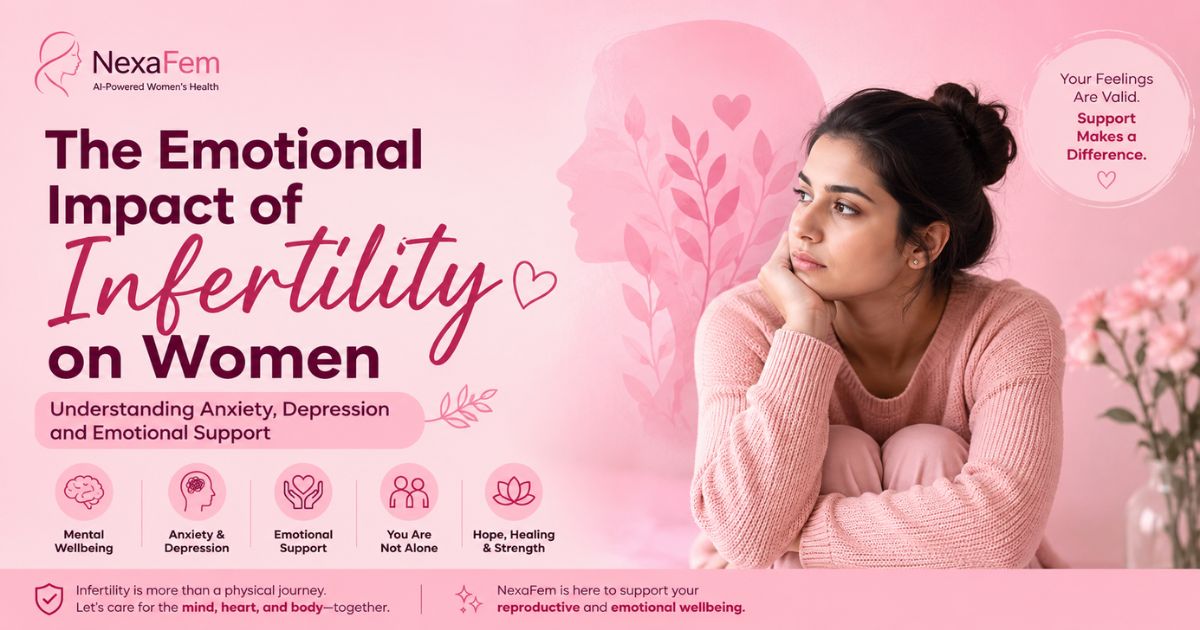
Infertility is often discussed as a medical condition, but for many women, it is also an emotional journey that can affect nearly every aspect of life. The hope, uncertainty, repeated disappointments, and pressure to conceive can create emotional challenges that are difficult to explain to others.
Many women describe infertility as an invisible struggle. Friends and family may not fully understand the emotional burden, while social media, pregnancy announcements, and questions about family planning can become unexpected sources of stress.
If you are experiencing feelings of sadness, anxiety, frustration, grief, or isolation because of fertility challenges, you are not alone. Understanding the emotional impact of infertility is an important step toward seeking support, protecting mental wellbeing, and making informed healthcare decisions.
At NexaFem, we believe that women deserve both reproductive care and emotional care. Preventive health awareness, symptom tracking, hormonal intelligence, and early support can help women navigate fertility journeys with greater confidence and clarity.
Quick Summary (TL;DR)
Infertility can affect emotional wellbeing, relationships, self-esteem, and quality of life.
Many women experience infertility anxiety, infertility depression, stress, grief, and social isolation.
Hormonal conditions such as PCOS, thyroid disorders, and endometriosis may contribute to both fertility challenges and emotional symptoms.
Professional support, healthy lifestyle habits, counseling, and support groups can improve emotional resilience.
Seeking help early for mental health symptoms is just as important as seeking fertility care.
What Is the Emotional Impact of Infertility?
The emotional impact of infertility refers to the psychological, emotional, and social effects that can occur when pregnancy does not happen as expected despite attempts to conceive.
For many women, infertility is not simply a medical diagnosis. It can affect identity, future plans, relationships, confidence, and overall wellbeing.
Women may experience:
Persistent worry about the future
Feelings of grief and loss
Emotional exhaustion
Difficulty concentrating
Relationship stress
Social withdrawal
Reduced self-confidence
Research and clinical guidelines consistently recognize that infertility can significantly affect mental health and quality of life.
Why Does Infertility Affect Mental Health So Deeply?
Infertility often involves repeated cycles of hope and disappointment. Each menstrual cycle, fertility treatment, or negative pregnancy test may trigger strong emotional responses.
Several factors contribute to emotional distress:
Uncertainty
Women may not know if or when pregnancy will occur. Living with uncertainty can increase stress and anxiety over time.
Loss of Expectations
Many people grow up expecting that pregnancy will happen naturally when they are ready. When fertility challenges arise, women may experience grief related to unmet expectations.
Social Pressure
Questions from family, cultural expectations, and comparisons with peers can intensify emotional distress.
Financial Stress
Fertility testing and treatments may create financial concerns that add another layer of emotional burden.
Physical and Hormonal Challenges
Conditions such as PCOS, endometriosis, diminished ovarian reserve, and thyroid disorders can affect both reproductive and emotional health.
Women interested in understanding these connections may also benefit from reading about hormonal imbalance symptoms in women, early signs of PCOS women often miss, and menstrual cycle patterns and hormonal health.
What Are the Most Common Emotional Symptoms of Infertility?
Infertility Anxiety
Infertility anxiety can develop when concerns about fertility become persistent and overwhelming.
Common symptoms include:
Excessive worry
Racing thoughts
Difficulty sleeping
Irritability
Feeling constantly "on edge"
Fear about future fertility outcomes
Infertility Depression
Infertility depression may develop when emotional distress becomes prolonged and begins affecting daily functioning.
Possible signs include:
Persistent sadness
Loss of interest in enjoyable activities
Fatigue
Feelings of hopelessness
Reduced motivation
Social withdrawal
Grief
Many women experience grief during infertility. This grief can occur even without a physical loss because it relates to the loss of expectations, timelines, and future plans.
Shame and Self-Blame
Some women blame themselves for fertility challenges, even when the underlying cause is outside their control.
Isolation
Women may avoid social situations, baby showers, family gatherings, or conversations about pregnancy because they feel emotionally overwhelmed.
Can Infertility Affect Relationships?
Yes. Infertility can affect romantic relationships, friendships, and family dynamics.
Partner Relationships
Couples may experience:
Communication challenges
Differences in coping styles
Financial concerns
Reduced intimacy
Increased emotional tension
However, many couples also report that open communication and shared support strengthen their relationship over time.
Family and Friends
Well-meaning comments can sometimes feel hurtful, particularly when people offer unsolicited advice or minimize emotional experiences.
Healthy boundaries and honest communication can help protect emotional wellbeing.
How Do Hormones Influence Emotional Wellbeing During Infertility?
Hormones influence both reproductive function and emotional health.
Conditions commonly associated with infertility may involve hormonal changes that affect mood, including:
Polycystic ovary syndrome (PCOS)
Thyroid disorders
Premature ovarian insufficiency
Perimenopausal hormonal changes
Endometriosis-related hormonal influences
Hormonal fluctuations may contribute to:
Mood changes
Irritability
Fatigue
Anxiety symptoms
Sleep disturbances
Tracking symptoms through a hormone health assessment tool or menstrual health tracker may help women recognize patterns that can support discussions with healthcare professionals.
Who Is Most at Risk of Emotional Distress During Infertility?
Although anyone can experience emotional challenges, risk may be higher among women who:
Have experienced infertility for a prolonged period
Have undergone multiple fertility treatments
Have a history of anxiety or depression
Lack social support
Experience relationship stress
Face financial challenges related to treatment
Feel significant cultural or family pressure
Recognizing these risk factors early can support preventive mental wellness strategies.
How Is Emotional Distress Related to Infertility Diagnosed?
There is no single test that diagnoses the emotional impact of infertility.
Healthcare professionals may assess:
Emotional symptoms
Stress levels
Sleep patterns
Daily functioning
Anxiety symptoms
Depression symptoms
Relationship concerns
A fertility specialist, primary care physician, psychologist, psychiatrist, or licensed counselor may be involved in care.
Women should feel comfortable discussing emotional symptoms during fertility appointments. Mental health is an important part of reproductive health.
Lifestyle Strategies That Support Emotional Wellbeing
Lifestyle changes cannot eliminate infertility, but they can support emotional resilience and overall health.
Prioritize Sleep
Poor sleep can worsen anxiety, mood changes, and stress.
Aim for:
Consistent sleep schedules
Reduced screen time before bed
Good sleep hygiene habits
Stay Physically Active
Regular movement supports mental wellbeing and may help reduce stress.
Examples include:
Walking
Yoga
Stretching
Strength training
Swimming
Practice Stress Management
Helpful approaches include:
Mindfulness
Meditation
Breathing exercises
Journaling
Cognitive behavioral techniques
Build a Support Network
Infertility emotional support may come from:
Trusted friends
Partners
Support groups
Fertility counselors
Mental health professionals
Seeking support is a sign of self-care, not weakness.
Nutrition and Emotional Health
Nutrition plays an important role in overall wellbeing.
While no specific diet can guarantee pregnancy, balanced nutrition supports hormonal health and mental wellness.
Focus on:
Fruits and vegetables
Whole grains
Lean protein sources
Healthy fats
Adequate hydration
Women exploring fertility-friendly nutrition may also benefit from learning about best foods to support fertility naturally.
Treatment and Support Options
Treatment depends on the underlying cause of infertility and individual circumstances.
Potential options include:
Fertility Evaluation and Medical Care
Early evaluation may help identify underlying causes and guide treatment decisions.
Counseling and Therapy
Mental health support can help women:
Manage anxiety
Process grief
Develop coping strategies
Improve relationship communication
Support Groups
Connecting with others experiencing similar challenges can reduce feelings of isolation.
Integrated Care
Many fertility clinics now recognize the importance of combining reproductive medicine with emotional support services.
Common Mistakes Women Make During Infertility
Some common challenges include:
Delaying emotional support
Ignoring mental health symptoms
Comparing their journey with others
Relying on misinformation online
Assuming stress alone caused infertility
Avoiding medical evaluation for too long
Seeking evidence-based information and professional guidance can help women make informed decisions.
When to See a Doctor
Schedule a healthcare appointment if:
You have been trying to conceive without success based on age-related fertility recommendations.
Menstrual cycles are irregular or absent.
You have symptoms of PCOS, endometriosis, or hormonal imbalance.
Emotional symptoms are affecting daily life.
Anxiety or sadness persists for several weeks.
Early evaluation often improves opportunities for timely support and treatment.
Red Flag Symptoms
Seek prompt medical or mental health support if you experience:
Severe depression
Panic attacks
Persistent hopelessness
Significant sleep disruption
Inability to function normally
Thoughts of self-harm or suicide
Mental health emergencies require immediate professional attention.
Final Thoughts
The emotional impact of infertility is real, significant, and deserving of attention. While medical testing and fertility treatments often receive the most focus, emotional wellbeing is equally important.
Women experiencing infertility anxiety, infertility depression, grief, or isolation should know that support is available. Seeking help is not a sign of failure—it is an important part of comprehensive healthcare.
At NexaFem, we believe that preventive women's health includes understanding the connection between hormones, fertility, mental wellbeing, and long-term health. Through symptom awareness, personalized wellness insights, and AI-powered health intelligence, women can gain greater clarity and confidence as they navigate their reproductive health journey.
Sources & References
World Health Organization (WHO) – Infertility Facts and Guidance
NICE – Fertility Problems Assessment and Treatment Guideline
Disclaimer
This article is intended for informational and educational purposes only. It should not be considered medical advice, diagnosis, or treatment. Always consult a qualified healthcare professional, fertility specialist, mental health provider, or physician regarding any health concerns, symptoms, fertility challenges, or treatment decisions. Individual medical needs vary, and professional guidance is essential for personalized care.
Frequently Asked Questions
Share this post
Comments (0)
No comments yet. Be the first to comment!