
Best Diet for PCOS Weight Loss: A Practical, Evidence-Based Guide
Discover the best diet for PCOS weight loss, including foods to eat, foods to limit, meal tips, and lifestyle strategies for hormone health.
If you have PCOS and you have been struggling with your weight despite eating carefully and exercising regularly, you are not imagining things. Polycystic ovary syndrome changes the way your body processes food, stores fat, and responds to hormones. It is not a willpower problem. It is a hormonal one, and once you understand that, the path forward becomes much clearer.
The good news is that diet is one of the most powerful tools available to you. Research consistently shows that targeted nutritional changes can improve insulin sensitivity, regulate your menstrual cycle, reduce inflammation, and make weight loss genuinely achievable for women with PCOS. This guide will walk you through exactly what to eat, what to limit, and why it works, based on current evidence and clinical guidelines from organisations like ACOG, NHS, and the PCOS Society.
Quick Summary
• PCOS causes insulin resistance in up to 70% of women, which makes weight loss harder than average.
• A low-glycaemic index (GI), anti-inflammatory diet is the most evidence-backed approach for PCOS weight loss.
• Eating more fibre, lean protein, and healthy fats while reducing refined carbohydrates and sugar significantly improves outcomes.
• Even a 5 to 10 percent reduction in body weight can restore ovulation and improve symptoms.
• No single diet works for everyone. Personalised guidance from a healthcare provider or registered dietitian is recommended.
Why Is Weight Loss Harder with PCOS?
To understand the best diet for PCOS weight loss, you first need to understand what is happening inside your body. PCOS is a complex hormonal condition characterised by elevated androgens (male hormones), disrupted ovulation, and often insulin resistance. These are not separate problems. They are deeply connected.
Insulin resistance is at the heart of weight struggles for most women with PCOS. When your cells do not respond properly to insulin, your pancreas compensates by producing more of it. High insulin levels signal your body to store fat, particularly around the abdomen, and they also stimulate the ovaries to produce more testosterone. More testosterone worsens symptoms, which perpetuates the cycle.
Many women with PCOS also experience elevated cortisol, disrupted hunger hormones like ghrelin and leptin, and chronic low-grade inflammation, all of which make appetite regulation and fat metabolism more difficult. This is not a personal failing. This is biology.
The Best Diet for PCOS Weight Loss: The Low-GI, Anti-Inflammatory Approach
Across multiple clinical studies and guidelines, a low-glycaemic index diet consistently emerges as one of the most effective approaches for women with PCOS. The glycaemic index measures how quickly a food raises blood sugar. Low-GI foods cause a gradual, steady rise in blood glucose rather than a sharp spike, which means less insulin is required. Over time, this reduces insulin resistance and helps regulate the hormonal cascade that makes PCOS symptoms worse.
A 2019 systematic review published in the journal Nutrients found that low-GI diets in women with PCOS led to significant improvements in insulin sensitivity, cholesterol levels, and body weight compared to conventional low-calorie diets. This does not mean counting every calorie obsessively. It means shifting the quality of what you eat.
Foods to Prioritise
Build your plate around these food groups:
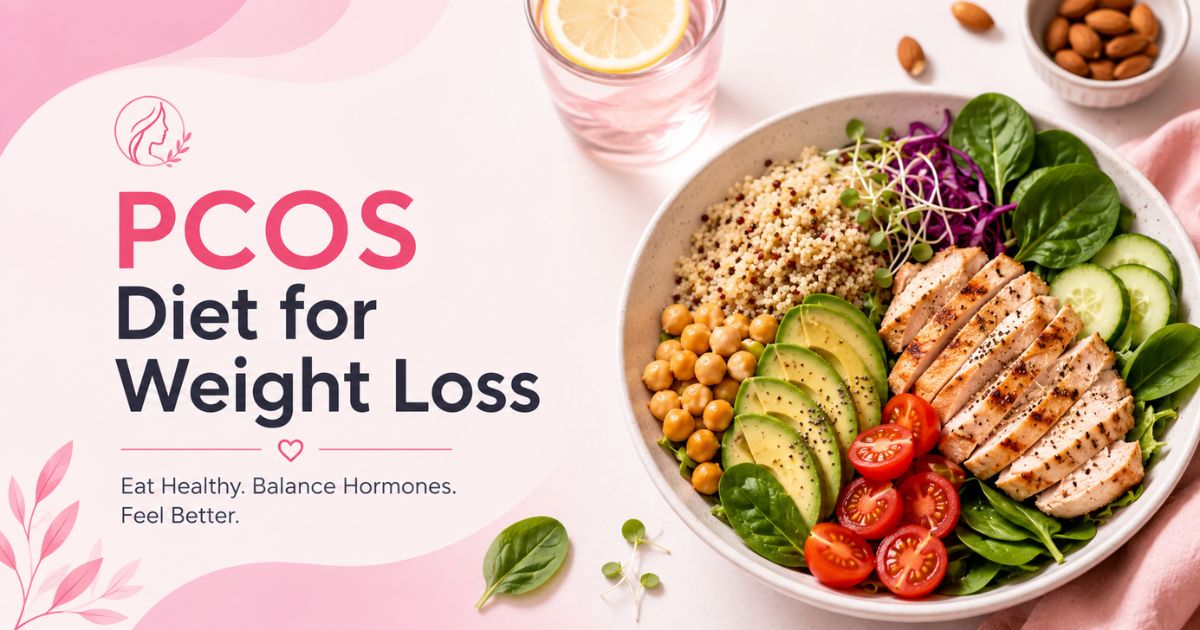
• Non-starchy vegetables: Leafy greens, broccoli, cauliflower, courgette, peppers, and cucumber are low in carbohydrates and rich in fibre and antioxidants.
• Lean proteins: Chicken, turkey, eggs, tofu, legumes, and fish provide satiety and help stabilise blood sugar between meals.
• Whole grains: Oats, quinoa, brown rice, barley, and whole wheat bread are digested more slowly than refined carbohydrates, preventing blood sugar spikes.
• Healthy fats: Avocado, olive oil, nuts, seeds, and fatty fish like salmon are rich in omega-3 fatty acids, which reduce inflammation and improve hormonal balance.
• Legumes: Lentils, chickpeas, and black beans are high in both protein and fibre, with a naturally low GI.
• Berries and low-sugar fruits: Blueberries, strawberries, and raspberries are rich in antioxidants and have a lower impact on blood sugar than tropical fruits.
Foods to Limit or Avoid
This is not about restriction for its own sake. These are foods that tend to spike insulin, worsen inflammation, and disrupt hormones in women with PCOS:
• Refined carbohydrates such as white bread, white rice, pastries, and sugary cereals
• Sugary drinks including fruit juices, fizzy drinks, and flavoured coffees
• Processed and ultra-processed snack foods
• Trans fats found in many fast foods and commercially baked goods
• Excessive alcohol, which can impair liver function and worsen insulin resistance
The Role of Inflammation in PCOS Weight Gain
Chronic low-grade inflammation is a significant but often overlooked driver of PCOS symptoms. Research shows that women with PCOS have higher levels of inflammatory markers even when they are not overweight, which means inflammation is part of the condition itself, not just a consequence of excess weight.
An anti-inflammatory diet works synergistically with a low-GI approach. Foods rich in omega-3 fatty acids, polyphenols, and antioxidants actively reduce inflammatory markers in the body. Think Mediterranean-style eating: olive oil, fatty fish, colourful vegetables, fresh herbs, and moderate amounts of whole grains and legumes. Multiple studies have found that the Mediterranean diet improves insulin resistance, reduces androgen levels, and supports healthy weight in women with PCOS.
Why Protein and Fibre Are Non-Negotiable
Protein and fibre are two of the most important allies in PCOS weight management, and many women are not getting enough of either.
Protein slows digestion, reduces post-meal blood sugar spikes, and supports the muscle mass that keeps your metabolism healthy. It also directly influences hunger hormones. Studies show that higher protein intake reduces ghrelin (the hormone that makes you feel hungry) and increases peptide YY (the hormone that makes you feel full). Aiming for 25 to 30 grams of protein at each meal is a practical starting point.
Fibre, particularly soluble fibre, forms a gel-like substance in the gut that slows glucose absorption and feeds beneficial gut bacteria. The gut microbiome is increasingly recognised as a player in hormonal health, and women with PCOS tend to have less diverse gut bacteria than women without the condition. Eating 25 to 35 grams of fibre daily from vegetables, legumes, oats, and seeds supports both gut health and insulin sensitivity.
Popular Diets for PCOS: What the Evidence Says
Mediterranean Diet
This is consistently one of the most recommended dietary patterns for PCOS by endocrinologists and reproductive specialists. It is rich in anti-inflammatory foods, has a moderate to low glycaemic load, and is sustainable long-term. Clinical trials have shown improvements in insulin sensitivity, testosterone levels, and menstrual regularity in women with PCOS who follow a Mediterranean-style diet.
Low-Carbohydrate Diet
Reducing carbohydrate intake, especially from refined sources, can rapidly lower insulin levels and improve metabolic markers. Several studies have shown that low-carb diets lead to significant weight loss and hormonal improvements in women with PCOS. However, very low carbohydrate diets such as the ketogenic diet can be difficult to sustain and may not be appropriate for everyone. A moderate reduction in carbohydrates, with an emphasis on quality over quantity, tends to be more practical and equally effective for most women.
DASH Diet
Originally designed to reduce blood pressure, the Dietary Approaches to Stop Hypertension diet has also shown promise for PCOS. It emphasises whole grains, fruits, vegetables, and low-fat dairy while limiting sodium and saturated fat. A 2020 study found improvements in weight, insulin resistance, and androgen levels in women with PCOS following the DASH diet.
Intermittent Fasting
There is growing interest in intermittent fasting for PCOS, particularly time-restricted eating. Some research suggests it can improve insulin sensitivity and support weight loss. However, the evidence is still emerging, and some women with PCOS find that skipping meals triggers stress hormones, worsens cortisol levels, or leads to compensatory overeating. If you want to try intermittent fasting, a 12-hour eating window is a gentler starting point than more aggressive protocols. Always consult your healthcare provider first, especially if you have a history of disordered eating.
Meal Timing and Blood Sugar Balance
When you eat matters almost as much as what you eat. Skipping breakfast is a common pattern that can backfire for women with PCOS. Research shows that eating a larger meal early in the day when insulin sensitivity is naturally higher, and keeping evening meals lighter, leads to better blood sugar control and hormonal outcomes.
Aim to eat three balanced meals per day with optional small snacks if needed. Going more than four to five hours without eating can cause blood sugar to drop and then spike when you finally eat, exactly the rollercoaster that worsens insulin resistance. A simple rule of thumb: never eat carbohydrates alone. Pair them with protein or fat to slow their absorption and blunt the insulin response.
Key Nutrients for PCOS Support
Beyond food groups, certain specific nutrients play a particularly important role in PCOS management:
• Magnesium: Many women with PCOS are deficient in magnesium, which plays a role in insulin sensitivity. Find it in leafy greens, pumpkin seeds, almonds, and dark chocolate.
• Inositol: A compound found naturally in foods like citrus fruits and legumes, inositol (particularly myo-inositol and D-chiro-inositol) has strong clinical evidence for improving insulin signalling and ovulation in PCOS. It is also available as a supplement.
• Vitamin D: Vitamin D deficiency is extremely common in women with PCOS and is associated with insulin resistance, weight gain, and menstrual irregularity. Sun exposure, fortified foods, and supplementation can help address this.
• Omega-3 fatty acids: Found in oily fish, flaxseeds, and walnuts, omega-3s reduce inflammation and improve testosterone and triglyceride levels in PCOS.
• Zinc: Zinc supports immune function and has been shown to reduce excess hair growth (hirsutism), a common PCOS symptom. Sources include pumpkin seeds, meat, legumes, and shellfish.
The Emotional Side of Eating with PCOS
No conversation about diet and PCOS is complete without addressing the emotional dimension. Women with PCOS are at significantly higher risk of anxiety, depression, and disordered eating than women without the condition. The pressure to lose weight, combined with a body that often resists conventional weight loss efforts, can lead to cycles of restrictive dieting, guilt, and frustration.
It is important to approach dietary change from a place of nourishment and self-care rather than punishment. Focus on adding nutrient-dense foods rather than eliminating everything you enjoy. Allow for flexibility. Acknowledge that your body is working harder than average to maintain balance, and that even small improvements in diet can have meaningful physiological effects.
If you notice signs of disordered eating, such as obsessive food rules, fear of certain foods, or emotional distress around eating, please speak with a healthcare professional. Managing PCOS effectively requires both physical and emotional wellbeing.
Common Mistakes Women with PCOS Make Around Diet
Even with the best intentions, certain dietary patterns can unintentionally make PCOS worse. One of the most common is eating too little. Severe calorie restriction raises cortisol, which in turn raises blood sugar and worsens insulin resistance. Women with PCOS need enough food to support their hormonal systems, not less food.
Another frequent mistake is eliminating all fats. Hormones are made from cholesterol, and adequate healthy fat intake is essential for oestrogen and progesterone production. Very low fat diets can worsen hormonal imbalance rather than improve it.
Relying on fruit juices or smoothies as a healthy substitute for meals is also problematic. Even natural fruit sugars raise blood glucose quickly when consumed in liquid form without the fibre of whole fruit. Eating whole fruit is a better option than drinking it.
Finally, many women with PCOS focus entirely on diet and neglect sleep. Poor sleep is independently associated with worsened insulin resistance, increased cortisol, and greater appetite. Prioritising seven to nine hours of quality sleep is as important as any dietary change.
Lifestyle Tips That Work Alongside Diet
Diet is the foundation, but it works best when supported by a few additional lifestyle practices:
• Strength training: Building muscle increases insulin sensitivity more than cardio alone. Two to three sessions of resistance training per week alongside regular walking is an effective combination for PCOS.
• Stress management: Chronic stress raises cortisol, which raises blood sugar and drives fat storage. Practices like yoga, meditation, and regular time in nature have measurable effects on cortisol and insulin sensitivity.
• Adequate sleep: Prioritise consistent sleep and wake times. Even one or two nights of poor sleep can significantly impair insulin sensitivity the following day.
• Hydration: Drinking water throughout the day supports metabolism and can reduce the temptation to reach for sugary drinks. Aim for at least 1.5 to 2 litres daily.
When to See a Doctor
Diet and lifestyle changes are powerful tools for managing PCOS, but they are not a replacement for medical care. You should speak to a doctor or registered dietitian if you are experiencing irregular or absent periods, significant unexplained weight gain, difficulty conceiving, signs of high androgen levels such as acne, hair loss from the scalp, or unwanted hair growth, or if you have tried dietary changes for three to six months without improvement.
Medical treatments such as metformin, which improves insulin sensitivity, or hormonal therapies may be recommended alongside dietary changes. These are not admissions of failure. They are additional tools in a comprehensive treatment plan.
Red Flag Symptoms That Need Prompt Attention
Seek medical advice promptly if you experience any of the following:
• No period for three months or more when not pregnant
• Sudden or severe pelvic pain
• Rapid unexplained weight gain with no dietary changes
• Symptoms of type 2 diabetes such as excessive thirst, frequent urination, or blurred vision
• Signs of sleep apnoea including loud snoring, waking feeling unrefreshed, or morning headaches
Living with PCOS requires a different relationship with food than the standard nutrition advice that surrounds us. It is not about eating less or following the latest diet trend. It is about working with your hormones, not against them.
A low-GI, anti-inflammatory diet centred on whole foods, lean protein, healthy fats, and plenty of fibre gives your body the nutritional support it needs to regulate insulin, reduce inflammation, and reach a healthier weight. The changes do not need to be perfect or immediate. Even modest, consistent improvements in eating habits can lead to meaningful hormonal changes over time.
NexaFem is designed to support women on exactly this kind of journey, with AI-powered health tracking that makes it easier to understand your patterns, monitor your symptoms, and take preventive action early. Because the best time to address your hormonal health is before it becomes a crisis.
Suggested External Authority References
• ACOG Practice Bulletin on Polycystic Ovary Syndrome (acog.org)
• NHS: Polycystic Ovary Syndrome Overview (nhs.uk)
• NICE Guidelines: Fertility Problems Assessment and Treatment (nice.org.uk)
• Teede HJ et al. International Evidence-Based Guideline for the Assessment and Management of PCOS, 2023
Medical Disclaimer: This article is for educational and informational purposes only and does not constitute medical advice. Always consult a qualified healthcare professional before making changes to your diet, exercise routine, or treatment plan. Individual results vary.
Frequently Asked Questions
Share this post
Comments (0)
No comments yet. Be the first to comment!