
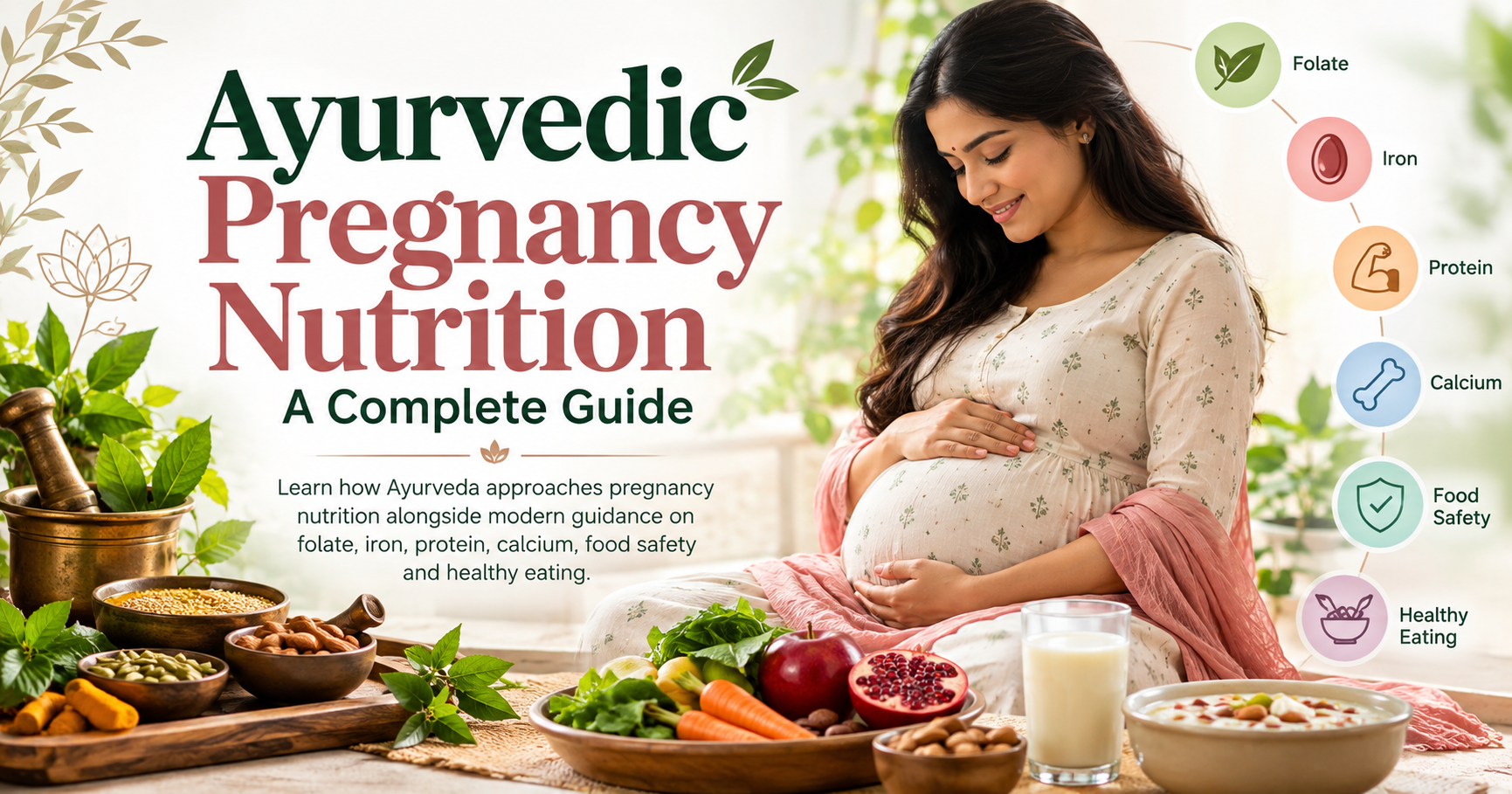
Ayurvedic Pregnancy Nutrition: A Complete Guide
Learn how Ayurveda approaches pregnancy nutrition alongside modern guidance on folate, iron, protein, calcium, food safety and healthy eating.
Pregnancy can change the way you think about food.
A meal that once felt ordinary may suddenly raise questions: Am I eating enough? Should I have more protein? Do I need supplements? Which traditional foods are safe? Can Ayurvedic principles guide my diet without conflicting with modern pregnancy care?
These are sensible questions.
Ayurveda has a long history of discussing pregnancy, maternal nourishment and dietary routines. One traditional framework is Garbhini Paricharya, which describes dietary and lifestyle considerations for pregnancy and has been discussed in classical Ayurvedic literature. Modern reviews note that this traditional approach includes month-by-month dietary concepts, although robust clinical evidence demonstrating that classical Ayurvedic pregnancy regimens improve pregnancy outcomes remains limited. (PubMed)
Modern obstetric nutrition approaches pregnancy differently but shares one important principle with Ayurveda: adequate nourishment matters.
During pregnancy, nutritional requirements increase because the mother's body is supporting placental development, maternal tissue changes and fetal growth. Nutrients such as folate, iron, iodine, calcium, vitamin D, vitamin B12, choline, protein and omega-3 fatty acids all have important roles. (ACOG)
The safest approach is therefore not to choose between Ayurveda and modern medicine.
Instead, traditional food wisdom can be incorporated thoughtfully alongside evidence-based prenatal care.
Quick Summary
Ayurvedic pregnancy nutrition traditionally emphasises nourishment, digestibility, regular meals and maternal well-being, with Garbhini Paricharya describing dietary and lifestyle practices for pregnancy.
Modern pregnancy nutrition requires adequate folate, iron, protein, calcium, iodine, vitamin D, vitamin B12 and other nutrients to support maternal and fetal health. (ACOG)
Traditional foods such as milk or curd, grains, pulses, fruits, vegetables, nuts and seeds can fit into a balanced pregnancy diet when they are safe, tolerated and nutritionally appropriate.
Ayurvedic herbs and concentrated preparations should not be self-prescribed during pregnancy. Safety information is often limited, and some products may interact with medicines or contain potentially harmful ingredients. (NCCIH)
Food safety is especially important during pregnancy. Proper washing, cooking, pasteurisation and safe food storage help reduce foodborne infection risks. (CDC)
What Is Pregnancy Nutrition According to Ayurveda?
Ayurvedic pregnancy nutrition refers to traditional dietary and lifestyle principles intended to support the nourishment and well-being of the pregnant woman and the developing fetus.
A key traditional concept is Garbhini Paricharya, broadly referring to care and regimen for a pregnant woman. Classical Ayurvedic texts describe dietary and lifestyle recommendations across pregnancy, with adaptations according to factors such as the stage of pregnancy and the individual. (PubMed)
Rather than viewing pregnancy nutrition as a rigid menu, Ayurveda traditionally places emphasis on:
Nourishing foods
Digestibility and appetite
Regular eating
Adequate fluids
Maternal comfort
Rest
Emotional well-being
Avoiding excessive physical or dietary strain
These principles can be valuable as a cultural and traditional framework.
However, they should not replace antenatal appointments, prescribed supplements, screening tests or treatment recommended by your obstetric healthcare team.
Garbhini Paricharya: The Ayurvedic Perspective
What does Garbhini Paricharya mean?
Garbhini refers to a pregnant woman, while Paricharya broadly relates to care or regimen.
Traditional Ayurvedic literature describes pregnancy as a period requiring particular attention to maternal nourishment and lifestyle. Some classical approaches describe dietary changes throughout the months of pregnancy.
For example, traditional descriptions may include progressively nourishing foods and preparations as pregnancy advances.
But there is an important limitation.
A review examining Ayurveda and pregnancy nutrition found that although classical texts provide detailed concepts of Garbhini Paricharya, there was a lack of effective clinical trials demonstrating its effects on pregnancy outcomes. (PubMed)
Practical takeaway
You can appreciate Garbhini Paricharya as part of India's traditional health heritage without assuming that every traditional recommendation has been clinically proven.
The most useful modern interpretation is:
Use traditional food wisdom where it aligns with nutritional needs and food safety, and rely on qualified medical care for pregnancy-specific decisions.
What Modern Nutrition Says About Eating During Pregnancy
Pregnancy increases the need for several nutrients.
ACOG recommends focusing on a varied diet that provides nutrients such as folate, iron, calcium, vitamin D, iodine, choline, omega-3 fatty acids, vitamin B12, vitamin C and other B vitamins. (ACOG)
WHO similarly emphasises a healthy, varied diet and appropriate micronutrient supplementation during pregnancy. (World Health Organization)
This means a pregnancy diet does not need to be complicated.
A useful foundation is:
Whole grains + vegetables + fruits + protein-rich foods + healthy fats + appropriate dairy or alternatives + prescribed prenatal supplements.
Essential Nutrients During Pregnancy
1. Folate and folic acid
Folate is essential for fetal development, particularly during the earliest stages of pregnancy.
ACOG recommends that pregnant women receive 600 micrograms of folic acid daily, while a prenatal vitamin containing at least 400 micrograms is generally recommended beginning before pregnancy and during the first 12 weeks. Women with certain risk factors may require a higher dose under medical supervision. (ACOG)
Food sources of folate include:
Lentils
Beans
Chickpeas
Green leafy vegetables
Broccoli
Citrus fruits
Fortified foods
Ayurveda connection
Traditional Indian diets already include several folate-containing foods, particularly legumes and green vegetables.
However, food should not be assumed to replace prescribed folic acid supplementation.
2. Iron
Iron requirements increase during pregnancy because the body produces additional blood to support the mother and fetus.
ACOG lists 27 mg of iron per day as the recommended amount during pregnancy. (ACOG)
WHO recommends daily iron and folic acid supplementation as part of antenatal care, with the specific regimen determined according to public-health guidance and individual circumstances. (World Health Organization)
Ayurvedic-friendly food sources
A culturally familiar diet can include:
Lentils
Chickpeas
Rajma
Green leafy vegetables
Sesame seeds
Nuts and seeds
Eggs
Meat or poultry, if consumed
Iron-fortified foods
Vitamin C-containing foods can improve absorption of non-heme iron from plant foods. (ACOG)
If blood tests show anaemia, dietary changes alone may not be sufficient. Follow your clinician's advice regarding iron supplementation.
3. Protein
Protein provides amino acids needed for maternal tissues, placenta and fetal growth.
Useful sources include:
Dal
Beans
Chickpeas
Paneer
Curd
Milk
Eggs
Fish
Poultry
Lean meat
Soy and tofu
Nuts and seeds
Vegetarian and vegan pregnancies can also be nutritionally adequate, but planning is important.
Women following restrictive diets may need particular attention to vitamin B12, iron, iodine, calcium, vitamin D, zinc and omega-3 fatty acids.
A registered dietitian or pregnancy-care professional can help identify gaps.
4. Calcium and Vitamin D
Calcium contributes to fetal bone and tooth development and also supports the mother's bones and normal physiological functions.
ACOG lists 1,000 mg of calcium daily for pregnant women aged 19–50 and 1,300 mg for those aged 14–18. Vitamin D is also important for bone health and development. (ACOG)
Food sources include:
Milk
Curd
Paneer
Calcium-fortified plant beverages
Ragi
Sesame
Certain leafy greens
Tofu made with calcium salts
Vitamin D may require supplementation depending on individual needs and local clinical guidance.
5. Iodine
Iodine is important for thyroid hormone production and fetal brain development.
ACOG lists 220 micrograms per day during pregnancy. (ACOG)
Iodised salt is an important source in many diets, but salt intake should still be appropriate for the individual's medical circumstances.
Do not start high-dose iodine supplements independently.
6. Vitamin B12
Vitamin B12 supports normal nervous-system function and red blood-cell formation.
It is especially important for women who follow vegetarian or vegan diets because naturally occurring B12 is concentrated mainly in animal-derived foods.
Sources can include:
Milk and dairy
Eggs
Fish
Meat
Fortified foods
Supplements when medically indicated
Women following vegan diets should discuss B12 supplementation with their healthcare professional.
7. Omega-3 Fatty Acids
Omega-3 fatty acids, particularly DHA, are relevant to fetal brain and eye development.
For women who eat fish, choosing lower-mercury fish can provide beneficial nutrients.
However, pregnancy requires attention to mercury exposure. FDA guidance recommends choosing a variety of lower-mercury fish and avoiding high-mercury species such as shark, swordfish, king mackerel, marlin, orange roughy, tilefish and bigeye tuna. (U.S. Food and Drug Administration)
Women who do not eat fish can discuss suitable DHA sources or supplements with their healthcare professional.
Ayurvedic Foods That Can Fit Into a Pregnancy Diet
Ayurveda and Indian food traditions offer many nutritious foods that can fit comfortably into modern pregnancy nutrition.
Whole grains
Rice, wheat, oats, millets and other whole grains can provide carbohydrates, fibre and energy.
Choose the grain according to personal tolerance, dietary pattern and medical needs.
Dal and legumes
Dal, chickpeas, beans and peas provide protein, fibre, iron and folate.
They are particularly useful in vegetarian diets.
Dairy foods
Milk, curd and paneer can provide protein and calcium when pasteurised and tolerated.
During pregnancy, choose pasteurised dairy products. Unpasteurised milk and certain soft cheeses can carry Listeria risk. (CDC)
Fruits
Fruits provide fibre, vitamins, minerals and fluids.
Good options can include:
Bananas
Oranges
Guava
Apples
Pears
Berries
Mango
Papaya that is appropriately prepared and consumed as food
Wash fresh produce thoroughly before eating. (U.S. Food and Drug Administration)
Vegetables
Aim for variety rather than focusing on one "pregnancy superfood."
Include:
Green leafy vegetables
Carrots
Pumpkin
Beans
Peas
Broccoli
Cauliflower
Tomatoes
Other locally available seasonal vegetables
A Simple Ayurvedic-Inspired Pregnancy Plate
Rather than following a rigid Ayurvedic meal plan, consider building meals around a few basic principles.
Breakfast
A balanced breakfast might include:
Vegetable upma or poha with a protein source
Idli with sambar
Oats with pasteurised milk or curd and fruit
Ragi-based preparation with a protein-rich accompaniment
Lunch
A balanced Indian lunch could include:
Rice or roti
Dal or another protein source
Two varieties of vegetables
Curd, if pasteurised and tolerated
A fruit
Evening snack
Options might include:
Fruit with nuts
Roasted chickpeas
Curd with fruit
A homemade nutritious snack
Dinner
Keep dinner balanced rather than unnecessarily restrictive:
Khichdi with vegetables and a protein source
Roti with dal and vegetables
Rice with sambar and vegetables
A protein-rich soup with whole grains
The exact foods should be adapted to appetite, nausea, cultural preferences, allergies, dietary pattern and medical needs.
Managing Common Pregnancy Nutrition Challenges
Pregnancy does not always make healthy eating easy.
Morning sickness, reflux, constipation and changing appetite can make certain foods difficult to tolerate.
If nausea is making meals difficult
Instead of forcing large meals, some women find smaller, more frequent meals easier to tolerate.
Simple foods such as toast, rice, crackers, bananas or other personally tolerated foods may be easier during periods of nausea.
If vomiting is severe or you cannot keep fluids down, contact your healthcare professional.
If constipation is a problem
Fibre-rich foods, fluids and appropriate physical activity can help.
Consider:
Fruits
Vegetables
Whole grains
Legumes
Nuts and seeds
Adequate water
Do not start herbal laxatives during pregnancy without professional advice.
If heartburn is troublesome
Smaller meals and avoiding foods that personally trigger symptoms may help.
Persistent or severe reflux should be discussed with your pregnancy-care provider.
Hydration During Pregnancy
Water is essential for normal body functions and becomes particularly important as blood volume and physiological demands change during pregnancy.
There is no need to rely on elaborate herbal drinks to stay hydrated.
Good options include:
Plain water
Milk
Soups
Water-rich fruits and vegetables
Other pregnancy-appropriate beverages
Be cautious with concentrated herbal drinks because safety data for many herbs during pregnancy are limited.
Can Ayurvedic Herbs Be Used During Pregnancy?
This is one of the most important safety questions.
Pregnancy is not the right time to experiment with herbal supplements without professional guidance.
Ayurvedic medicine includes herbs, mineral preparations and complex formulations. Their safety during pregnancy can vary significantly according to the ingredients, dose, preparation and stage of pregnancy.
NCCIH advises pregnant or breastfeeding women to consult their healthcare provider because some Ayurvedic products may contain ingredients that could be harmful. (NCCIH)
An NHS specialist hospital resource similarly advises caution with herbal products during pregnancy because reliable safety information is often insufficient. (Guy's and St Thomas' NHS Trust)
What about common Ayurvedic herbs?
Do not assume that an herb is safe simply because it is traditionally used.
Examples of products that should not be self-prescribed during pregnancy include concentrated preparations of herbs such as:
Ashwagandha
Shatavari
Triphala
Guduchi
Licorice
Certain medicinal formulations containing multiple herbs or minerals
The safety question is not simply whether an ingredient is "natural."
It is:
What is the exact product, dose, preparation, gestational stage, medical history and potential interaction?
If you want to use an Ayurvedic preparation during pregnancy, discuss it with both your obstetric healthcare professional and a qualified Ayurveda practitioner experienced in pregnancy care.
Foods and Substances to Avoid or Limit
Pregnancy nutrition is not only about what to eat. It is also about reducing preventable risks.
Avoid alcohol
Alcohol can harm fetal development, and there is no established safe amount during pregnancy.
Limit caffeine
ACOG advises keeping caffeine intake below 200 mg per day during pregnancy. (ACOG)
Remember that caffeine can come from:
Coffee
Tea
Cola
Chocolate
Energy drinks
Some medications
Avoid raw or undercooked animal foods
Raw or undercooked meat, eggs, fish and shellfish can carry harmful bacteria or parasites.
Choose pasteurised dairy
Avoid unpasteurised milk and foods made from it because of the risk of foodborne infection. (U.S. Food and Drug Administration)
Avoid high-mercury fish
Choose lower-mercury fish and follow current local guidance. FDA specifically identifies several high-mercury species that should be avoided during pregnancy. (U.S. Food and Drug Administration)
Wash produce carefully
Pregnant women should thoroughly wash fruits and vegetables before eating or preparing them. (U.S. Food and Drug Administration)
Dinacharya During Pregnancy
Ayurvedic wellness extends beyond food.
A gentle daily routine can support comfort and consistency during pregnancy.
A pregnancy-friendly routine may include:
Regular meals
Eat according to appetite and your healthcare team's advice rather than following rigid fasting practices.
Adequate sleep
Pregnancy can disrupt sleep, but maintaining a calming bedtime routine can help.
Gentle movement
Unless your healthcare professional has advised otherwise, appropriate physical activity can support general health during pregnancy.
Relaxation
Breathing practices, meditation and gentle yoga may help some women manage stress.
However, pregnancy yoga should be adapted to the stage of pregnancy and individual medical circumstances.
What About Fasting During Pregnancy?
Fasting practices vary across religions, cultures and Ayurveda-inspired routines.
But pregnancy changes nutritional requirements.
If you are pregnant, do not begin prolonged fasting, restrictive diets or detox routines without discussing them with your healthcare professional.
Women with diabetes, undernutrition, anaemia, hyperemesis or other pregnancy complications may have additional nutritional considerations.
Cultural or spiritual practices can often be discussed with the medical team so that safety remains the priority.
Ritucharya and Seasonal Eating During Pregnancy
Ayurveda traditionally recognises seasonal changes through the concept of Ritucharya.
A modern interpretation can be quite practical: choose fresh, locally available foods while maintaining adequate nutritional variety and food safety.
For example, summer may naturally encourage more water-rich foods, while cooler seasons may make warm meals more appealing.
But pregnancy does not require rigid seasonal restrictions.
The nutritional priorities remain the same:
adequate energy, protein, micronutrients, hydration and food safety.
Common Myths About Ayurvedic Pregnancy Nutrition
Myth 1: Ayurvedic food is automatically safe during pregnancy
Reality: Food and medicinal preparations are different. Some herbal or mineral preparations may not be appropriate during pregnancy.
Myth 2: Following Ayurveda means I don't need prenatal supplements
Reality: Traditional foods can provide important nutrients, but they do not automatically replace evidence-based prenatal supplementation. WHO recommends iron and folic acid supplementation during pregnancy, while individual requirements vary. (World Health Organization)
Myth 3: Pregnant women should "eat for two"
Reality: Pregnancy increases nutritional requirements, but it does not mean simply doubling food intake. Nutritional quality and appropriate weight gain matter. WHO recommends nutrition counselling focused on adequate and balanced energy and protein intake and appropriate gestational weight gain. (World Health Organization)
Myth 4: One Ayurvedic food is essential for every pregnant woman
Reality: Pregnancy nutrition needs to account for individual dietary patterns, medical conditions, allergies, cultural preferences and nutrient requirements.
Myth 5: Natural remedies are safer than medicines
Reality: Natural products can have pharmacological effects, side effects and interactions. Pregnancy is a particularly important time to check safety before using supplements.
When Should You Speak to Your Healthcare Professional?
Contact your pregnancy-care team if you are experiencing:
Persistent or severe vomiting
Difficulty keeping food or fluids down
Significant unintended weight loss
Severe fatigue or weakness
Symptoms that may indicate anaemia
Concerns about fetal growth
Food allergies or significant dietary restrictions
Diabetes or high blood sugar
High blood pressure
A history of nutritional deficiencies
Any concern about an herbal product or supplement
If your diet is vegetarian, vegan, gluten-free or otherwise restricted, a qualified dietitian can help you meet nutritional needs without unnecessary restrictions.
Pregnancy nutrition according to Ayurveda can offer culturally meaningful principles around nourishment, regular meals, digestion and maternal care.
The traditional concept of Garbhini Paricharya provides an important historical perspective on pregnancy care, but modern clinical evidence supporting specific month-by-month Ayurvedic dietary regimens remains limited. (PubMed)
The strongest practical approach is to combine the best of both worlds.
Enjoy nourishing Indian foods such as dal, grains, vegetables, fruits, nuts, seeds and pasteurised dairy where appropriate. Make sure your diet provides adequate protein and key micronutrients. Follow recommended prenatal supplements and antenatal testing. Pay close attention to food safety.
And when it comes to Ayurvedic herbs or concentrated preparations, do not assume that traditional use equals pregnancy safety.
A healthy pregnancy diet does not need to be perfect. It needs to be adequate, varied, safe, sustainable and appropriate for you and your pregnancy.
Health Disclaimer: This article is intended for informational and educational purposes only and is not a substitute for professional medical advice, diagnosis or treatment. Ayurvedic concepts and traditional pregnancy practices described here should not be interpreted as guaranteed treatments or as replacements for evidence-based antenatal care. Pregnancy nutrition needs vary according to individual health, pregnancy stage, dietary pattern, medical conditions and nutritional status. Do not stop, replace or change prescribed medication or prenatal supplements based on this article. Do not start Ayurvedic herbs, mineral preparations or concentrated herbal supplements during pregnancy without appropriate professional guidance. Pregnant women should consult their obstetric healthcare professional for medical and nutritional care and a qualified Ayurveda practitioner when individualized Ayurvedic guidance is desired.
Sources & References
WHO — Eating healthy food during pregnancy and after childbirth
WHO pregnancy nutrition guidanceWHO — Nutrition counselling during pregnancy
WHO pregnancy nutrition counsellingWHO — Daily iron and folic acid supplementation during pregnancy
WHO iron and folic acid recommendationsWHO — Iodine supplementation in pregnancy
WHO iodine guidanceACOG — Healthy Eating During Pregnancy
ACOG healthy eating during pregnancyACOG — Good Health Before Pregnancy: Prepregnancy Care
ACOG prepregnancy nutrition guidanceCDC — Safer Food Choices for Pregnant Women
CDC pregnancy food safety guidanceFDA — Food Safety for Moms-to-Be
FDA pregnancy food safety guidanceNHS — Pregnancy Vitamins and Supplements
NHS pregnancy vitamins and supplementsNCCIH — Ayurvedic Medicine: In Depth
NCCIH Ayurvedic medicine safety informationPubMed — Garbhini Paricharya: Regimen for the Pregnant Woman
PubMed: Garbhini ParicharyaPubMed — Ayurveda in Early Life and Garbhini Paricharya
PubMed: Ayurveda and pregnancy nutrition review
Frequently Asked Questions
Share this post
Comments (0)
No comments yet. Be the first to comment!