
The Link Between Vitamin D Deficiency & Women’s Health: Symptoms, Hormones, Bones, and Prevention
Learn how vitamin D deficiency in women affects hormones, bones, mood, and overall wellness. Discover symptoms, causes, prevention, and treatment.
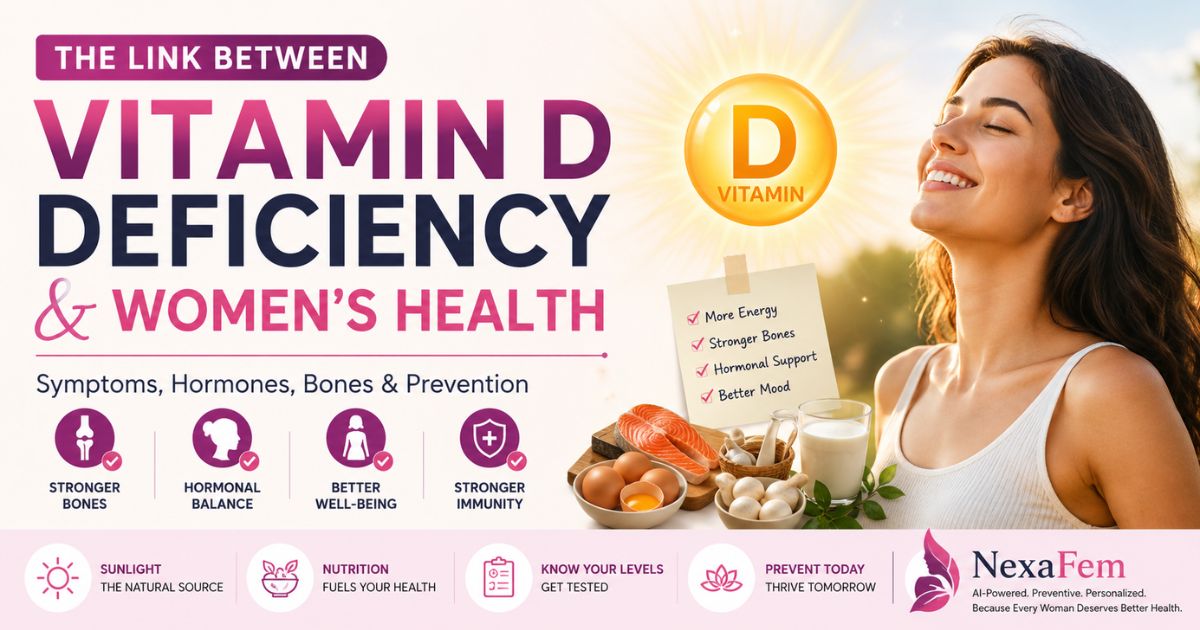
Many women spend months—or even years—feeling unusually tired, experiencing unexplained aches, struggling with low mood, or noticing changes in their overall well-being without realizing that a simple nutrient deficiency may be contributing to these symptoms.
Vitamin D is often called the “sunshine vitamin,” but its role extends far beyond sunlight exposure. It supports bone strength, muscle function, immune health, and may influence hormonal balance throughout different stages of a woman's life.
For women navigating busy careers, fertility planning, pregnancy, postpartum recovery, perimenopause, or simply trying to maintain good health, understanding vitamin D status is an important part of preventive healthcare.
At NexaFem, we believe that early awareness and personalized health insights can help women recognize potential concerns before they become bigger health challenges.
Quick Summary (TL;DR)
Vitamin D deficiency in women is common and may contribute to fatigue, muscle weakness, bone pain, and low mood.
Vitamin D plays a crucial role in calcium absorption and maintaining healthy bones.
Low vitamin D levels may be associated with hormonal health, menstrual health, fertility, and overall wellness.
Women with limited sun exposure, darker skin tones, obesity, digestive disorders, or perimenopause may be at higher risk.
Blood testing, appropriate supplementation, nutrition, and lifestyle changes can help restore healthy levels under medical guidance.
What Is Vitamin D?
Vitamin D is a fat-soluble vitamin that functions more like a hormone in the body. It helps regulate calcium and phosphorus levels, supports muscle and nerve function, and contributes to immune system health. (CDC)
Your body gets vitamin D from:
Sunlight exposure
Certain foods
Fortified foods
Dietary supplements
Unlike many nutrients, vitamin D can be produced in the skin when exposed to ultraviolet B (UVB) rays from sunlight. However, modern lifestyles often limit this natural production. (CDC)
Why Is Vitamin D Important for Women?
Women's nutritional needs change throughout life.
During adolescence, reproductive years, pregnancy, postpartum recovery, and menopause, vitamin D contributes to several essential physiological processes.
These include:
Bone development and maintenance
Muscle strength
Immune function
Healthy aging
Calcium absorption
Overall metabolic health
Micronutrient deficiencies can negatively affect energy, well-being, and long-term health outcomes, making prevention and early identification particularly important. (World Health Organization)
What Causes Vitamin D Deficiency in Women?
Several factors can increase the risk of low vitamin D levels.
Limited Sun Exposure
Women who spend most of their time indoors, use extensive sun protection, or live in areas with limited sunlight exposure may produce less vitamin D naturally.
Darker Skin Tone
Higher melanin levels can reduce the skin's ability to produce vitamin D from sunlight.
Dietary Factors
Vitamin D occurs naturally in relatively few foods, making it difficult to obtain adequate amounts through diet alone.
Obesity
Body fat can affect vitamin D storage and availability, increasing deficiency risk.
Digestive Disorders
Conditions affecting nutrient absorption, such as inflammatory bowel disease, celiac disease, or certain gastrointestinal disorders, may reduce vitamin D absorption.
Life Stage Changes
Pregnancy, breastfeeding, and perimenopause may increase awareness of nutritional needs and warrant discussion with a healthcare professional regarding vitamin D status.
What Are the Symptoms of Vitamin D Deficiency in Women?
One challenge with vitamin D deficiency is that symptoms can be subtle and develop gradually.
Common Symptoms
Women may experience:
Persistent fatigue
Low energy
Muscle weakness
Bone pain
Back pain
Muscle aches
Frequent illness
Low mood
Reduced exercise tolerance
Many women initially attribute these symptoms to stress, aging, hormonal fluctuations, or a busy lifestyle. (Cleveland Clinic)
Can Vitamin D Deficiency Cause Hair Loss?
Some research suggests associations between low vitamin D levels and certain forms of hair loss. However, hair loss is multifactorial and may also involve hormones, genetics, stress, nutritional deficiencies, and medical conditions.
If you're experiencing ongoing hair thinning, consider discussing both vitamin D levels and hormonal health with your healthcare provider.
Vitamin D Deficiency and Hormonal Imbalance
One of the most common questions women ask is:
Can low vitamin D affect hormones?
Potentially, yes.
Vitamin D receptors are found throughout the body, including reproductive tissues. Researchers continue to investigate how vitamin D may influence hormonal regulation, fertility, menstrual health, and metabolic function.
Possible Areas of Influence
Menstrual Health
Some studies suggest that low vitamin D status may be associated with menstrual irregularities in certain women.
PCOS
Emerging evidence suggests that vitamin D may play a role in metabolic health and insulin sensitivity, areas often relevant for women with PCOS.
This is why understanding the relationship between PCOS and nutrient deficiencies can be valuable for long-term health management.
Fertility
Researchers continue exploring links between vitamin D status and reproductive health outcomes. While vitamin D alone does not determine fertility, maintaining adequate levels supports overall health.
Perimenopause and Menopause
Hormonal changes during midlife increase the importance of maintaining bone strength and overall wellness. Vitamin D becomes especially important during this transition.
Vitamin D Deficiency and Bone Health in Women
Why Does Vitamin D Matter for Bones?
Vitamin D helps the body absorb calcium effectively.
Without sufficient vitamin D, calcium absorption becomes less efficient, which can affect bone mineralization and long-term bone health. (MedlinePlus)
Potential Bone-Related Consequences
Over time, deficiency may contribute to:
Reduced bone density
Osteomalacia (softening of bones in adults)
Increased fracture risk
Osteoporosis risk later in life
Women entering perimenopause and menopause should pay particular attention to bone-supportive nutrients, including calcium, vitamin D, and protein. (CDC)
Quick Bone Health Checklist
Ask yourself:
Do I spend very little time outdoors?
Have I experienced unexplained bone or muscle pain?
Am I approaching menopause?
Have I had previous fractures?
Is my diet low in vitamin D-rich foods?
If several apply, discussing vitamin D testing with your healthcare provider may be worthwhile.
Mental Wellness and Vitamin D
Many women describe vitamin D deficiency as feeling "off" without understanding why.
Some individuals with low vitamin D levels report:
Low mood
Fatigue
Reduced motivation
Difficulty concentrating
Research continues to explore the relationship between vitamin D and mental health. While vitamin D is not a treatment for depression or anxiety, maintaining adequate levels supports overall well-being. (Cleveland Clinic)
Mental wellness is multifactorial, involving sleep, stress management, social support, hormones, physical activity, and nutrition.
Who Is Most at Risk?
You may have a higher risk of vitamin D deficiency if you:
Have limited sun exposure
Work indoors most days
Have darker skin
Have obesity
Have digestive disorders
Are pregnant or breastfeeding
Are entering perimenopause or menopause
Follow restrictive diets
Are older than 35–40 years and rarely spend time outdoors
How Is Vitamin D Deficiency Diagnosed?
Blood Testing
The standard method is a blood test measuring serum 25-hydroxyvitamin D levels.
A healthcare professional can determine whether your levels are:
Adequate
Insufficient
Deficient
Testing is especially useful when symptoms, risk factors, or previous deficiency are present. (MedlinePlus)
At NexaFem, future preventive health tools may help women track symptoms, identify potential nutritional concerns, and understand when medical evaluation may be beneficial.
How to Increase Vitamin D Levels Naturally
Many women ask:
What is the fastest natural way to improve vitamin D levels?
The answer usually involves a combination of lifestyle approaches.
1. Safe Sun Exposure
Moderate sunlight exposure can support natural vitamin D production.
However, recommendations vary based on:
Skin tone
Geographic location
Season
Time of day
Because excessive UV exposure increases skin cancer risk, balance is important. (CDC)
2. Eat Vitamin D-Rich Foods
Examples include:
Salmon
Sardines
Mackerel
Egg yolks
Fortified milk
Fortified plant beverages
Fortified cereals
3. Support Overall Nutrient Intake
Vitamin D works alongside nutrients such as:
Calcium
Magnesium
Protein
A balanced dietary pattern is more effective than focusing on a single nutrient alone.
4. Consider Supplements
If deficiency is confirmed, healthcare providers may recommend supplementation.
The appropriate dose depends on:
Blood levels
Age
Health conditions
Pregnancy status
Individual risk factors
Avoid self-prescribing high-dose supplements without medical guidance.
Treatment Overview
Treatment generally depends on severity.
Healthcare professionals may recommend:
Vitamin D supplements
Follow-up blood testing
Dietary changes
Lifestyle modifications
Monitoring of bone health when appropriate
Most women improve their vitamin D status successfully with individualized care plans.
Common Mistakes Women Make
Many women unintentionally delay diagnosis by:
Ignoring persistent fatigue
Assuming symptoms are "just stress"
Self-diagnosing from social media
Taking excessive supplements without testing
Overlooking bone health during perimenopause
Neglecting routine preventive health checkups
Early awareness often leads to better long-term outcomes.
Lifestyle Tips for Maintaining Healthy Vitamin D Levels
Small daily habits can make a difference.
Try to:
Spend regular time outdoors safely
Eat nutrient-dense meals
Stay physically active
Prioritize sleep quality
Manage stress effectively
Attend routine health screenings
Track recurring symptoms using a women's health symptom tracker
Preventive healthcare works best when small concerns are addressed early.
When to See a Doctor
Schedule a healthcare appointment if you experience:
Persistent fatigue
Ongoing muscle weakness
Bone pain
Frequent fractures
Recurrent illnesses
Unexplained low mood
Risk factors for deficiency
A healthcare provider can determine whether testing is appropriate.
Red Flag Symptoms
Seek prompt medical evaluation if you experience:
Severe bone pain
Significant muscle weakness
Difficulty walking
Repeated fractures
Symptoms that rapidly worsen
These symptoms require professional assessment and should not be managed through self-treatment alone.
Final Thoughts
Vitamin D may not receive as much attention as hormones, gut health, or fitness trends, but it remains one of the most important nutrients for women's health.
From supporting bone strength and muscle function to contributing to overall wellness, maintaining healthy vitamin D levels is an essential part of preventive healthcare.
If you've been experiencing unexplained fatigue, muscle aches, low mood, or concerns about bone health, discussing vitamin D testing with a qualified healthcare professional may be a valuable next step.
At NexaFem, we believe that empowered women make informed health decisions. By combining symptom awareness, hormonal intelligence, and preventive care strategies, women can take proactive steps toward long-term wellness.
Sources & References
Disclaimer
This article is intended for informational and educational purposes only and should not be considered medical advice, diagnosis, or treatment. Health information is continually evolving, and individual health needs vary. Always consult a qualified healthcare professional, physician, or registered dietitian for personalized medical guidance, diagnosis, testing, or treatment related to vitamin D deficiency or any other health concern. Never delay seeking professional medical advice because of information you have read online.
Frequently Asked Questions
Share this post
Comments (0)
No comments yet. Be the first to comment!