
Best Foods for Menstrual Health and Hormonal Balance: What Women Should Eat
Discover the best foods for hormonal balance, menstrual health, energy, mood, and cycle support with evidence-based nutrition guidance for women.
Have you ever wondered why some months your period feels manageable, while other months you struggle with cramps, mood swings, bloating, fatigue, or cravings?
Hormones influence nearly every aspect of a woman's health. They affect energy levels, mood, sleep quality, metabolism, reproductive health, and menstrual cycles. While many factors influence hormones—including genetics, stress, sleep, physical activity, and medical conditions—nutrition plays a significant role in supporting hormonal balance and menstrual well-being.
The good news is that small, consistent dietary choices can help support hormone production, reduce inflammation, stabilize blood sugar, and provide essential nutrients needed throughout the menstrual cycle.
If you're looking for evidence-based foods for hormonal balance, this guide explains which nutrients matter most, the best foods to include regularly, and how to build a hormone-supportive eating pattern that works for different life stages—from your 20s through perimenopause.
Quick Summary (TL;DR)
Hormones rely on adequate nutrition, healthy fats, fiber, protein, vitamins, and minerals.
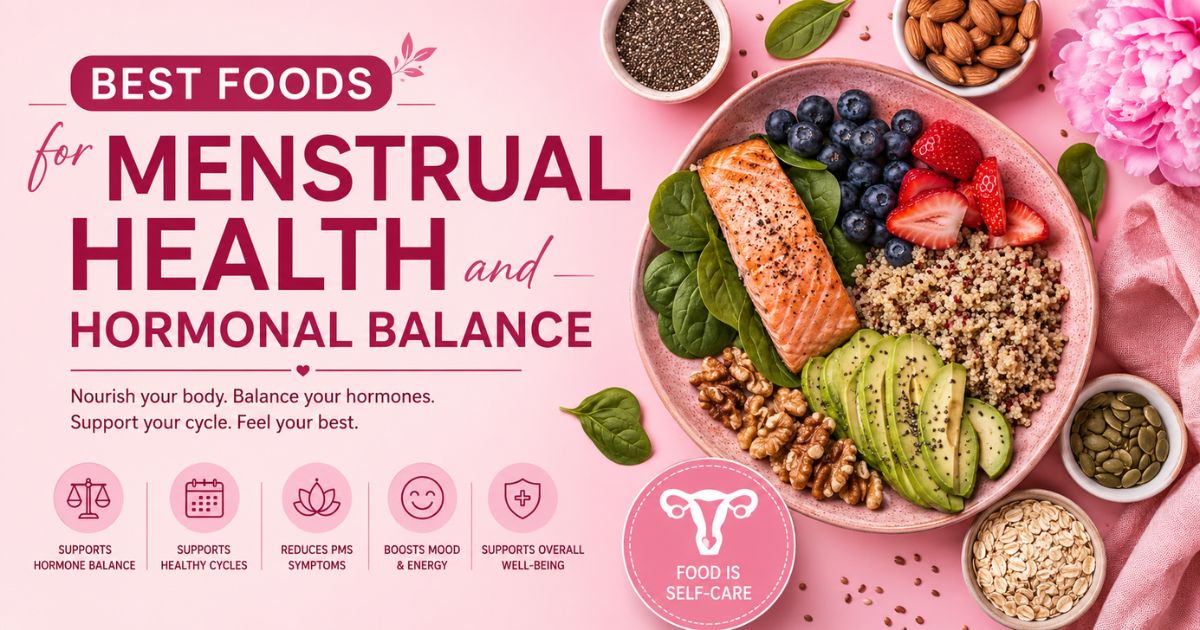
The best foods for hormone balance include fatty fish, leafy greens, berries, legumes, nuts, seeds, whole grains, and fermented foods.
Stable blood sugar levels can support hormone health and reduce energy crashes and cravings.
Nutritional support may help manage symptoms such as PMS, irregular cycles, bloating, and mood fluctuations.
Diet works best alongside healthy sleep, stress management, regular movement, and preventive healthcare.
What Does Hormonal Balance Mean?
Hormonal balance does not mean having "perfect" hormone levels.
Instead, it refers to hormones functioning within healthy ranges and communicating effectively throughout the body. Key hormones involved in women's health include:
Estrogen
Progesterone
Insulin
Cortisol
Thyroid hormones
Testosterone
According to guidance from the NHS and ACOG, hormone fluctuations naturally occur during menstruation, pregnancy, postpartum recovery, perimenopause, and menopause. Nutrition cannot eliminate these changes, but it can support overall hormonal health and resilience.
Source: NHS Women's Health Overview
Signs Your Body May Need More Hormonal Support
Hormonal symptoms can have many causes and should not be self-diagnosed. However, women often seek support when experiencing:
Irregular menstrual cycles
Severe PMS symptoms
Fatigue
Mood changes
Sleep disturbances
Sugar cravings
Persistent bloating
Acne flare-ups
Low energy
Difficulty concentrating
If symptoms are severe, persistent, or suddenly worsen, medical evaluation is important.
Why Nutrition Matters for Hormone Health
Hormones are created, transported, and metabolized using nutrients obtained from food.
A hormone-supportive diet may help:
Reduce chronic inflammation
Support gut health
Improve blood sugar regulation
Provide building blocks for hormone production
Support healthy menstrual cycles
Promote long-term metabolic health
Research consistently shows that overall dietary patterns matter more than any single "superfood."
The Best Foods for Hormonal Balance
1. Fatty Fish
Among the best foods for hormone balance, fatty fish provide omega-3 fatty acids that support inflammation regulation and overall health.
Examples include:
Salmon
Sardines
Mackerel
Herring
Trout
Omega-3s may help support menstrual comfort and cardiovascular health, particularly during reproductive years and perimenopause.
2. Leafy Green Vegetables
Dark leafy greens provide nutrients commonly needed for women's health, including:
Magnesium
Folate
Iron
Vitamin K
Excellent options include:
Spinach
Kale
Swiss chard
Collard greens
Women with heavy periods may especially benefit from iron-rich foods as part of a balanced diet.
3. Flaxseeds and Chia Seeds
Seeds are considered hormone-friendly foods for women because they contain:
Fiber
Healthy fats
Plant compounds called lignans
Fiber supports digestive health and helps the body process hormones efficiently.
Practical ways to include them:
Smoothies
Oatmeal
Yogurt
Salads
4. Berries
Berries are rich in antioxidants that help protect cells from oxidative stress.
Top choices include:
Blueberries
Strawberries
Raspberries
Blackberries
Adding berries regularly can contribute to a nutrient-dense diet for hormonal balance.
5. Legumes
Beans, lentils, and chickpeas provide:
Plant protein
Fiber
Iron
Magnesium
These nutrients support blood sugar stability and sustained energy throughout the menstrual cycle.
6. Whole Grains
Whole grains provide slow-releasing carbohydrates that help maintain energy levels.
Examples include:
Oats
Brown rice
Quinoa
Barley
Balanced carbohydrate intake may help reduce energy fluctuations and support overall hormone health.
7. Nuts
Nuts contain healthy fats, protein, and minerals.
Particularly beneficial options include:
Walnuts
Almonds
Pistachios
Brazil nuts
These foods that support hormone health can help improve satiety and contribute to metabolic wellness.
8. Fermented Foods
Emerging research highlights the connection between gut health and hormone regulation.
Gut-supportive foods include:
Yogurt
Kefir
Kimchi
Sauerkraut
A healthy gut microbiome may support hormone metabolism and immune function.
Source: CDC Nutrition and Healthy Eating Resources
9. Eggs
Eggs provide:
High-quality protein
Choline
Vitamin D
B vitamins
Protein is particularly important for blood sugar regulation and hormone production.
10. Cruciferous Vegetables
Cruciferous vegetables contain beneficial compounds that support overall health.
Examples include:
Broccoli
Cauliflower
Brussels sprouts
Cabbage
These vegetables also contribute valuable fiber and antioxidants.
Foods That May Support Menstrual Health
During menstruation, nutrient needs may shift.
Helpful choices often include:
Iron-Rich Foods
Women experiencing heavy periods may benefit from:
Lean meats
Lentils
Beans
Tofu
Spinach
Magnesium-Rich Foods
Magnesium-rich foods include:
Pumpkin seeds
Almonds
Dark leafy greens
Black beans
Hydrating Foods
Hydration may help manage bloating and fatigue.
Examples:
Cucumbers
Watermelon
Citrus fruits
Soups
What Foods Can Disrupt Hormonal Balance?
No single food causes hormonal imbalance. However, diets consistently high in ultra-processed foods may contribute to inflammation and metabolic challenges.
Consider limiting:
Sugar-sweetened beverages
Highly processed snacks
Excessive alcohol consumption
Frequent fast food
Excess added sugars
The goal is balance, not perfection.
How Blood Sugar Affects Hormones
One of the most overlooked aspects of hormone health is blood sugar regulation.
Frequent blood sugar spikes may affect:
Energy levels
Hunger signals
Insulin activity
Mood stability
A hormone-supportive plate often includes:
Protein
Fiber
Healthy fats
Complex carbohydrates
This combination helps support steady energy throughout the day.
The Connection Between Stress and Hormones
Nutrition alone cannot overcome chronic stress.
Long-term stress can influence cortisol levels and affect:
Sleep
Menstrual cycles
Mood
Appetite
Supportive habits include:
Consistent sleep schedules
Mindfulness practices
Regular movement
Social connection
Preventive health monitoring
Women tracking symptoms may find value in a menstrual health tracker or hormone symptom assessment tool to identify patterns over time.
Menstrual Health Across Different Life Stages
Women Ages 18–24
Focus on:
Iron intake
Protein intake
Consistent meals
Healthy eating habits
Women Ages 25–34
Support:
Fertility awareness
Stress management
Blood sugar stability
Nutrient density
Readers interested in reproductive wellness may also benefit from learning about fertility awareness methods and cycle tracking.
Women Ages 35–45
Prioritize:
Metabolic health
Cardiovascular health
Muscle-supporting protein intake
Fiber-rich foods
Perimenopause
Nutrition may support:
Bone health
Heart health
Energy management
Healthy aging
The NHS and ACOG both emphasize lifestyle factors as foundational components of healthy perimenopause management.
Source: ACOG Women's Health Resources
Diagnosis: When Hormonal Symptoms Need Medical Evaluation
Diet can support health, but persistent symptoms require proper assessment.
Healthcare professionals may evaluate:
Menstrual history
Symptoms
Blood tests
Thyroid function
Reproductive hormone markers
Metabolic indicators
Conditions such as PCOS, thyroid disorders, endometriosis, and perimenopause require individualized medical care.
Common Mistakes Women Make
Many women unintentionally undermine hormone health by:
Skipping meals regularly
Following overly restrictive diets
Eliminating entire food groups without medical guidance
Ignoring chronic stress
Prioritizing supplements over nutrition
Delaying evaluation of persistent symptoms
Sustainable habits usually outperform extreme approaches.
Lifestyle Tips for Better Hormonal Balance
Nutrition works best when combined with:
Seven to nine hours of quality sleep
Regular physical activity
Stress management practices
Adequate hydration
Preventive healthcare visits
Menstrual cycle awareness
Using AI-powered symptom tracking tools may also help women identify patterns earlier and seek timely support when needed.
When to See a Doctor
Consult a healthcare professional if you experience:
Missing periods without explanation
Extremely heavy bleeding
Severe pelvic pain
Significant mood changes
New menstrual irregularities
Persistent fatigue
Fertility concerns
Early evaluation often leads to earlier support and better long-term outcomes.
Red Flag Symptoms
Seek prompt medical attention if you experience:
Sudden severe pelvic pain
Very heavy bleeding causing dizziness
Fainting episodes
Severe shortness of breath
Symptoms of severe anemia
Unexpected bleeding after menopause
Frequently Asked Questions
Share this post
Comments (0)
No comments yet. Be the first to comment!