Best Hormone Tracking Tools for Women: A Complete Guide to Smarter Hormonal Health
Discover the best hormone tracking tools for women, how they work, and how they support cycle health, fertility, and hormone balance.
Hormones influence nearly every aspect of a woman's health. They affect energy levels, mood, sleep quality, metabolism, menstrual cycles, fertility, skin health, and even long-term wellness.
Yet many women spend years wondering why they feel exhausted before their period, experience unexplained mood changes, struggle with irregular cycles, or notice shifts in their health during perimenopause.
The good news is that modern technology is making hormone awareness more accessible than ever.
Today's hormone tracking tools for women can help identify patterns, predict cycle changes, support fertility planning, and improve conversations with healthcare providers. Rather than guessing what is happening inside your body, hormone tracking can provide meaningful insights that support preventive healthcare and informed decision-making.
At NexaFem, we believe hormonal intelligence is an important part of women's preventive health. Understanding your body's signals can help you recognize changes earlier and make more confident health choices.
Quick Summary (TL;DR)
Hormone tracking tools help women understand patterns in menstrual cycles, fertility, mood, energy, and symptoms.
Modern tracking solutions include apps, wearable devices, temperature monitors, and hormone testing systems.
Tracking may be especially helpful for women with PCOS, irregular periods, fertility concerns, or perimenopausal symptoms.
No tracking tool can replace professional medical evaluation, but they can provide valuable health insights.
Consistent tracking often leads to better symptom awareness and more productive healthcare conversations.
What Are Hormone Tracking Tools for Women?
Hormone tracking tools are digital platforms, wearable devices, or monitoring systems designed to help women observe hormone-related changes over time.
These tools collect information such as:
Menstrual cycle patterns
Ovulation timing
Basal body temperature
Mood fluctuations
Sleep quality
Energy levels
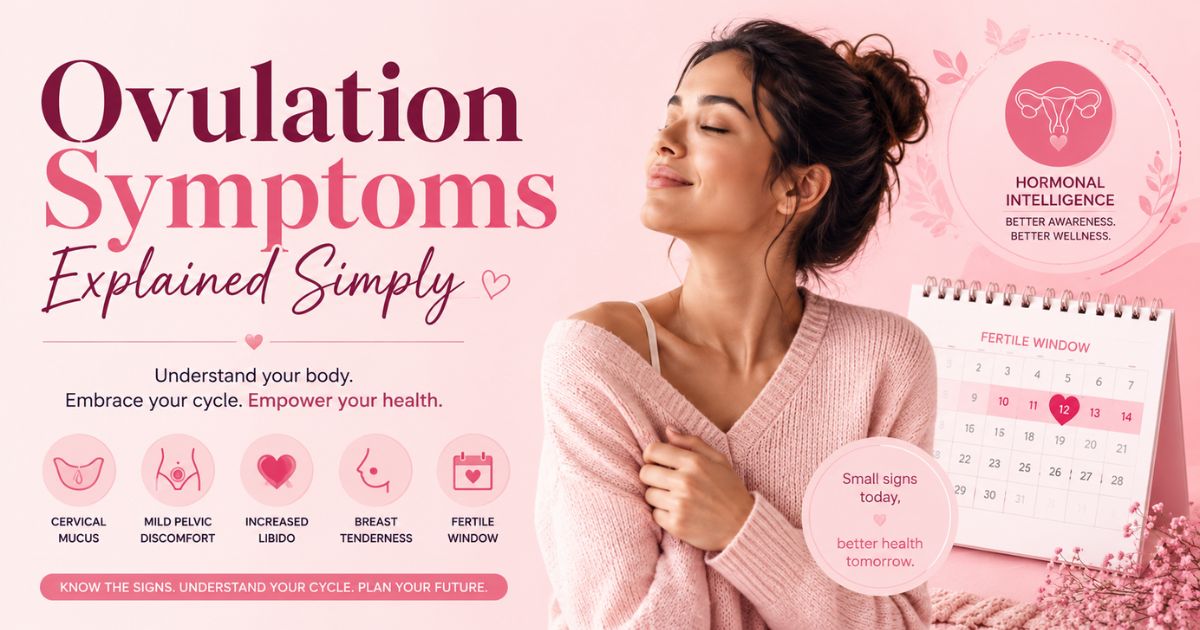
Cervical mucus changes
Fertility indicators
Perimenopause symptoms
Some advanced tools use algorithms and predictive analytics to identify trends and estimate hormonal shifts throughout the menstrual cycle.
In simple terms, a hormone tracking tool acts like a personal health journal enhanced by technology.
Why Hormone Tracking Matters
Many hormone-related conditions develop gradually.
Women often normalize symptoms such as:
Painful periods
Extreme PMS
Irregular cycles
Persistent fatigue
Mood swings
Sleep disturbances
Brain fog
Tracking symptoms consistently can help reveal patterns that may otherwise go unnoticed.
According to guidance from the NHS and ACOG, monitoring menstrual cycles and symptoms can help support earlier recognition of reproductive and hormonal health concerns.
Understanding your cycle can also improve awareness of conditions such as:
Polycystic Ovary Syndrome (PCOS)
Endometriosis
Thyroid disorders
Premature ovarian insufficiency
Perimenopause
Fertility challenges
Types of Hormone Tracking Tools Available Today
Menstrual Cycle Tracking Apps
A menstrual cycle tracking app is often the easiest place to start.
These apps allow women to record:
Period dates
Flow intensity
Symptoms
Mood changes
Cramping
Headaches
Sleep quality
Benefits include:
Cycle predictions
Symptom trend analysis
Health reports
Personalized reminders
Women with regular cycles may find these apps particularly useful for understanding monthly hormonal patterns.
Fertility Tracking Tools
Many women use fertility tracking tools to identify ovulation windows and improve fertility awareness.
These tools may track:
Ovulation signs
Basal body temperature
Cervical mucus
Hormone levels
Fertile windows
Fertility awareness methods are recognized by organizations including ACOG as one approach women may use to understand reproductive health and family planning.
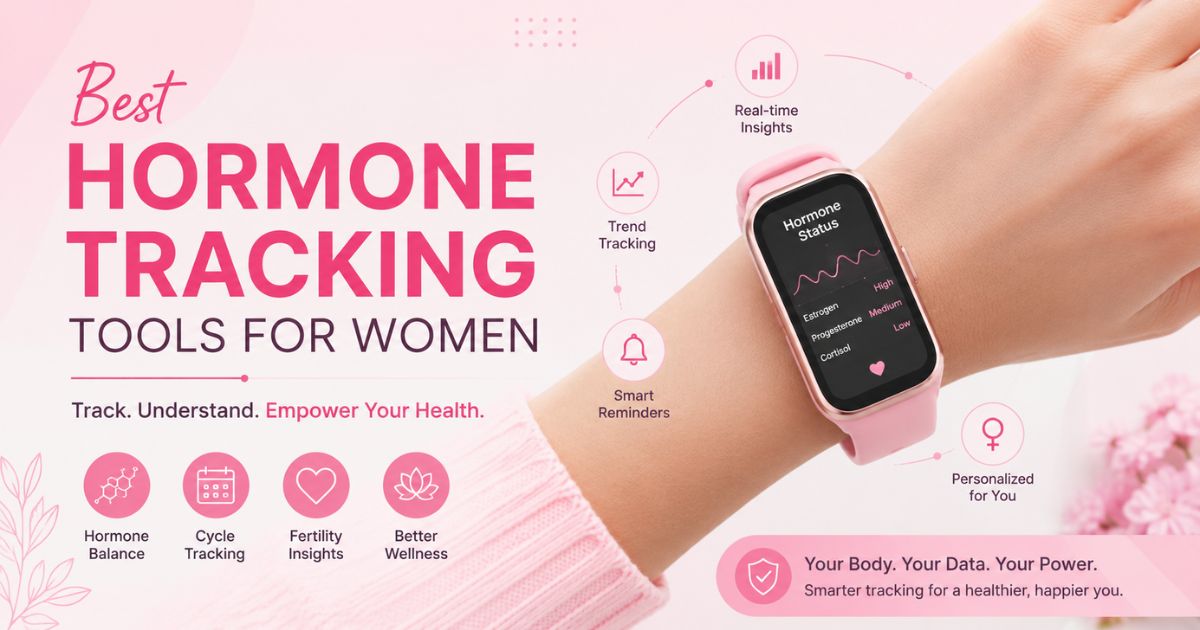
Wearable Hormone Health Devices
Wearables can collect continuous health data including:
Resting heart rate
Sleep quality
Skin temperature
Activity levels
Stress indicators
Although wearables do not directly measure all hormones, they often detect physiological changes associated with hormonal fluctuations.
At-Home Hormone Monitoring Systems
Some advanced systems analyze hormones through:
Urine testing
Saliva testing
Blood spot testing
These technologies may provide insights into:
Estrogen
Progesterone
Luteinizing hormone (LH)
Follicle-stimulating hormone (FSH)
Women experiencing fertility challenges or perimenopause may benefit from discussing these options with a healthcare professional.
Who Can Benefit Most From Hormone Tracking?
Women With PCOS
PCOS can cause:
Irregular periods
Acne
Weight changes
Ovulation issues
Excess hair growth
Tracking symptoms can help women identify trends and evaluate treatment effectiveness.
If you are managing PCOS, learning about insulin resistance and hormonal patterns can provide additional context for understanding symptom changes.
Women Trying to Conceive
Fertility tracking tools can help identify:
Ovulation timing
Fertile windows
Cycle length variations
This information may improve cycle awareness and support discussions with fertility specialists.
Women in Perimenopause
Perimenopause often begins years before menopause.
Common symptoms include:
Hot flashes
Night sweats
Mood changes
Sleep difficulties
Irregular cycles
Tracking can help document changes and support clinical evaluation.
Women Focused on Preventive Health
Even women without diagnosed conditions can benefit from monitoring hormonal trends over time.
Understanding your body's baseline makes it easier to recognize meaningful changes.
Can Hormone Tracking Detect Health Problems?
Not directly.
Hormone tracking tools are not diagnostic devices.
However, they can help identify patterns that may warrant medical evaluation.
Examples include:
Missing periods
Extremely heavy bleeding
Persistent irregular cycles
Recurrent severe PMS
Unexpected cycle changes
Healthcare providers often find symptom records useful during assessments.
The CDC and NHS both emphasize the importance of recognizing abnormal menstrual patterns and seeking medical advice when concerns arise.
Common Symptoms Worth Tracking
Women often overlook symptoms that may provide valuable hormonal insights.
Consider tracking:
Cycle length
Bleeding patterns
Mood changes
Anxiety levels
Depression symptoms
Sleep quality
Fatigue
Energy fluctuations
Cravings
Weight changes
Skin changes
Digestive symptoms
Libido
Consistent tracking often reveals connections between symptoms and hormonal phases.
How Hormone Tracking Supports Mental Wellness
Hormones and mental health are closely connected.
Many women notice:
Anxiety before menstruation
Increased emotional sensitivity
Irritability
Mood fluctuations
Concentration difficulties
Tracking both emotional and physical symptoms can help women understand recurring patterns rather than feeling caught off guard each month.
This awareness often reduces uncertainty and improves self-management strategies.
Lifestyle Factors That Influence Hormonal Health
Even the most advanced hormone balance tracker works best when combined with healthy lifestyle habits.
Nutrition
Support hormonal health through:
Whole foods
Fiber-rich vegetables
Lean protein
Healthy fats
Adequate hydration
Sleep
Poor sleep can affect hormone regulation.
Most adults benefit from 7–9 hours of quality sleep per night.
Stress Management
Chronic stress can influence cortisol and reproductive hormones.
Helpful strategies include:
Mindfulness practices
Regular exercise
Relaxation techniques
Social support
Physical Activity
Regular movement supports:
Metabolic health
Insulin sensitivity
Mood regulation
Hormonal balance
Common Mistakes Women Make When Tracking Hormones
Many women abandon tracking too quickly.
Common mistakes include:
Tracking inconsistently
Recording only period dates
Ignoring emotional symptoms
Expecting immediate answers
Using tracking instead of seeking medical care
Hormone tracking is most useful when viewed as a long-term awareness tool rather than a quick diagnostic solution.
Red Flag Symptoms That Need Medical Attention
Seek medical evaluation if you experience:
Extremely heavy bleeding
Bleeding between periods
Sudden cycle changes
Severe pelvic pain
Persistent missed periods
Postmenopausal bleeding
Symptoms affecting daily functioning
These symptoms may indicate underlying conditions that require professional assessment.
When to See a Doctor
Schedule a healthcare visit if:
Your periods suddenly become irregular
You are trying to conceive without success
PMS symptoms become severe
You experience significant fatigue
Symptoms interfere with work, school, or relationships
You suspect PCOS, endometriosis, or thyroid dysfunction
Tracking data can provide useful information during appointments.
Final Thoughts
Women's health is about more than simply tracking periods.
It is about understanding how hormones influence your energy, emotions, fertility, metabolism, and overall well-being.
The best hormone tracking tools for women help transform everyday observations into meaningful health insights. Whether you are managing PCOS, planning a pregnancy, navigating perimenopause, or simply learning more about your body, tracking can be a powerful step toward preventive care.
As healthcare continues to evolve, AI-powered platforms such as NexaFem represent the future of personalized hormonal intelligence. By combining symptom awareness, data-driven insights, and evidence-based education, women can become more informed participants in their own health journeys.
Sources & References
World Health Organization (WHO)
https://www.who.int
NHS Menstrual Health Guidance
https://www.nhs.uk
American College of Obstetricians and Gynecologists (ACOG)
https://www.acog.org
Centers for Disease Control and Prevention (CDC)
https://www.cdc.gov
National Institute for Health and Care Excellence (NICE)
https://www.nice.org.uk
Disclaimer: This article is for informational and educational purposes only and should not be considered medical advice. Always consult a qualified healthcare professional for diagnosis, treatment, or guidance regarding your individual health concerns.
Frequently Asked Questions
Share this post
Comments (0)
No comments yet. Be the first to comment!