
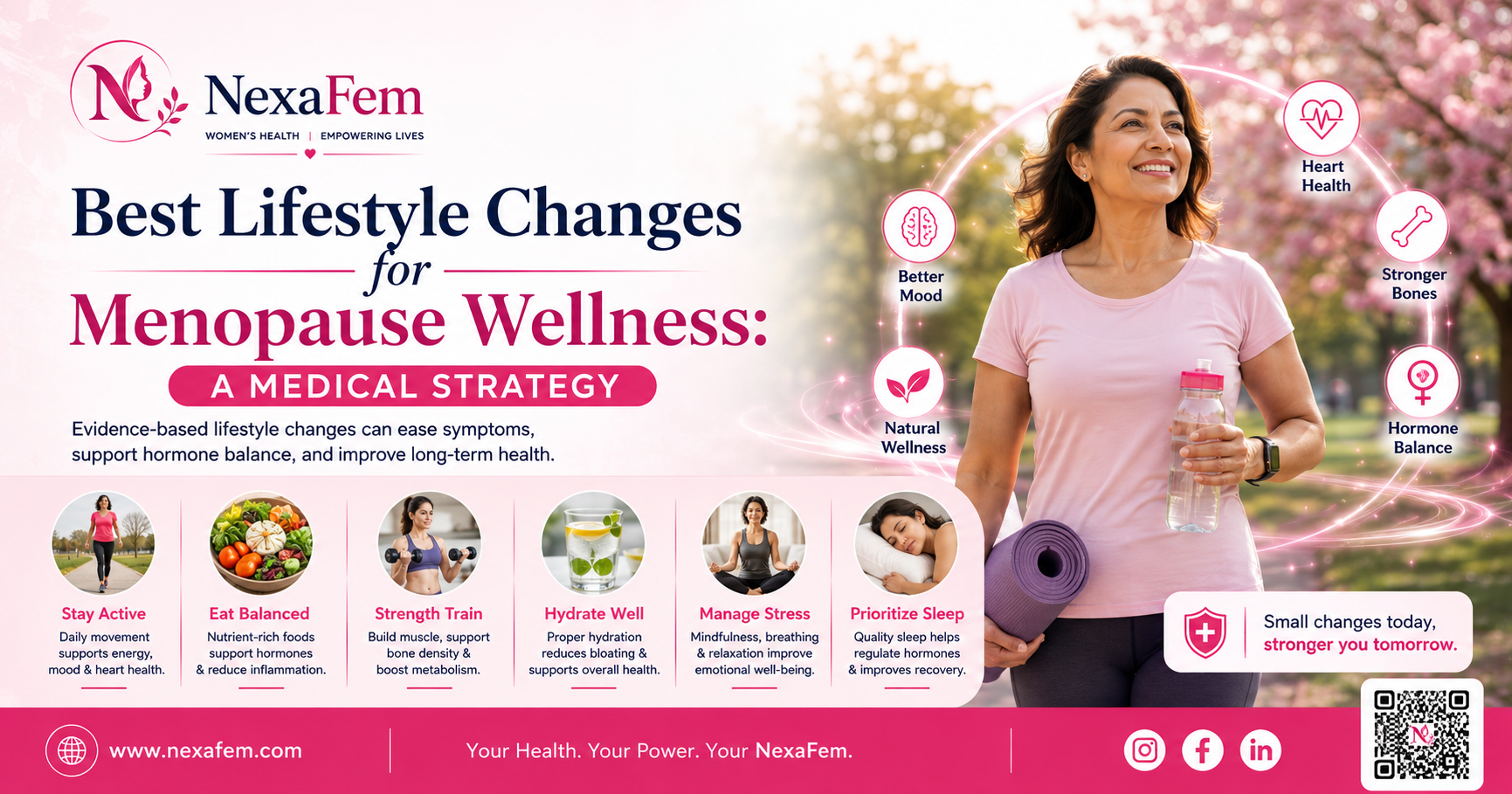
Best Lifestyle Changes for Menopause Wellness: A Medical Strategy
Discover evidence-based lifestyle changes for menopause wellness. Learn how advanced nutrition, sleep architecture, and AI-powered preventive health can transform your hormonal journey.
By 2030, an estimated 1.2 billion women globally will be navigating the transition into perimenopause and menopause. For decades, this profound biological shift was shrouded in clinical silence and cultural stigma. Today, optimizing menopause wellness is no longer just a personal health journey—it is a critical global healthcare imperative and a cornerstone of modern female empowerment. According to a recent Mayo Clinic report, untreated menopause symptoms cost American women an estimated $1.8 billion in lost working days annually. Recognizing this, forward-thinking organizations like Microsoft, Apple, and Amazon have begun integrating menopause support into their core health benefits, signaling a massive shift in how we view women's longevity and peak performance. But beyond corporate policy, mastering this transition requires a scientifically rigorous approach to daily habits. By leveraging clinical guidelines from organizations like the WHO, NICE, and ACOG, women can transform this transitional phase from a period of endurance into an era of biological optimization.
The Biological Blueprint of Menopause Wellness
Menopause is not a single event, but a comprehensive metabolic and neurological recalibration. As ovarian estrogen production naturally declines, women experience systemic changes that impact everything from bone density and cardiovascular health to cognitive function and insulin sensitivity. This systemic shift requires more than outdated advice to simply "eat less and exercise more."
For women leading high-stress, high-impact lives—whether managing a household or navigating the executive suites at firms like Deloitte, Accenture, or Salesforce—the symptoms of estrogen withdrawal, such as brain fog, vasomotor symptoms (hot flashes), and sleep disruption, can feel profoundly destabilizing. However, emerging data in preventive healthcare proves that strategic, targeted lifestyle interventions can fundamentally alter how the body responds to hormonal changes.
According to the American College of Obstetricians and Gynecologists (ACOG), proactive lifestyle modifications implemented during perimenopause can reduce the severity of vasomotor symptoms by up to 40% while significantly lowering long-term risks of osteoporosis and cardiovascular disease.
Nutritional Intelligence: Reframing Your Metabolic Engine
As estrogen levels fluctuate, a woman's metabolic rate naturally slows, and insulin resistance often increases. To maintain menopause wellness, nutrition must be viewed through the lens of metabolic intelligence and hormonal support rather than restrictive dieting.
Prioritize Protein for Musculoskeletal Longevity
Sarcopenia, the age-related loss of muscle mass, accelerates rapidly during perimenopause. Muscle is highly metabolically active tissue and acts as a "sink" for blood glucose, making it critical for combating insulin resistance. Clinical guidelines recommend increasing daily protein intake to at least 1.2 to 1.5 grams per kilogram of body weight. Focus on high-quality, bioavailable protein sources such as wild-caught fish, lean poultry, legumes, and Greek yogurt to support muscle synthesis and stabilize blood sugar throughout the day.
Incorporate Phytoestrogens and Micronutrients
Phytoestrogens are plant-based compounds that weakly bind to estrogen receptors in the body, potentially buffering the drastic drops in natural estrogen. Diets rich in whole soy products (like edamame and tempeh), flaxseeds, and cruciferous vegetables have been shown to moderately alleviate hot flashes. Additionally, nutritional strategies must aggressively target bone health. The NHS recommends ensuring adequate calcium (1,000-1,200 mg daily) and Vitamin D3 supplementation, as estrogen decline directly triggers a reduction in bone mineral density.
Strategic Movement: Why "Exercise as Medicine" Matters Now
The generic recommendation to "stay active" is profoundly inadequate for the perimenopausal body. To mitigate the physiological impacts of menopause, movement must be strategic, progressive, and highly targeted. Leading tech executives frequently utilize wearables like the Apple Watch or Oura Ring to track these precise physiological adaptations, treating fitness data with the same rigor as quarterly financial reports.
Heavy Resistance Training is Non-Negotiable
Bone density drops by up to 10% in the first five years after menopause. The most effective non-pharmacological intervention is heavy, progressive resistance training. Lifting weights creates mechanical tension on the bones, stimulating osteoblast (bone-building) activity. Aim for two to three days a week of structural, compound movements—such as squats, deadlifts, and overhead presses. This is no longer just about aesthetics; it is a critical investment in physical independence and longevity.
Cardiovascular Health and VO2 Max Optimization
Cardiovascular disease is the leading cause of mortality in postmenopausal women. While low-intensity steady-state (LISS) cardio is excellent for cortisol management, High-Intensity Interval Training (HIIT) 1-2 times a week is vital for improving VO2 max—one of the strongest predictors of human longevity. Short, intense bursts of cardiovascular output help maintain endothelial function (the flexibility of blood vessels), which naturally stiffens as estrogen declines.
Sleep Architecture and Cortisol Management
During menopause, the delicate interplay between cortisol (the stress hormone) and melatonin (the sleep hormone) becomes easily disrupted. Night sweats and anxiety can shatter sleep architecture, leading to a vicious cycle of daytime fatigue, increased cortisol, and exacerbated menopausal symptoms.
Regulating the Circadian Rhythm
To optimize sleep architecture, you must anchor your circadian rhythm. Exposure to natural sunlight within 30 minutes of waking halts melatonin production and sets a biological timer for sleep later that night. In the evening, mimicking the practices of elite corporate wellness programs—which often emphasize digital detoxes and blue-light blocking—can prevent the suppression of natural melatonin. Keep the bedroom dramatically cool (around 65°F or 18°C) to preemptively combat vasomotor symptoms.
Stress Buffering Techniques
Chronically elevated cortisol actively steals precursor hormones that the body needs to produce progesterone and estrogen. Implementing science-backed stress reduction techniques is a biological necessity. Practices such as non-sleep deep rest (NSDR), mindfulness-based stress reduction (MBSR), or even 10 minutes of daily resonant breathing can shift the nervous system from sympathetic (fight or flight) to parasympathetic (rest and digest) dominance.
AI and The Future of Preventive Women's Health
Historically, women's health has been reactive—treating symptoms only when they become unbearable. But a paradigm shift is occurring, driven by data, technology, and artificial intelligence. We are moving from a model of delayed intervention to one of proactive, personalized prevention.
This is where NexaFem is redefining the landscape. As the AI-powered preventive intelligence platform for women’s health, NexaFem utilizes advanced algorithmic insights to connect the dots between your biometrics, lifestyle inputs, and hormonal shifts. By analyzing patterns in sleep disruption, metabolic markers, and symptom severity, AI can help predict perimenopausal fluctuations before they derail your week, offering hyper-personalized lifestyle and nutritional interventions aligned with elite global medical standards.
Key Takeaways
- Protein is Paramount: Increase intake to 1.2–1.5g per kg of body weight to combat insulin resistance and menopause-induced muscle loss.
- Lift Heavy to Protect Bones: Shift focus from excessive cardio to progressive resistance training to stimulate bone density and prevent osteoporosis.
- Defend Your Sleep Architecture: Optimize your bedroom environment for temperature control and anchor your circadian rhythm with morning sunlight.
- Manage Cortisol Actively: Chronic stress exacerbates estrogen depletion; use NSDR or resonant breathing to regulate your nervous system.
- Embrace Preventive Tech: Leverage AI-powered platforms like NexaFem to transform subjective symptoms into actionable, personalized health intelligence.
Final Thoughts
Menopause is not a medical condition to simply be endured; it is a profound biological transition that demands a sophisticated, strategic approach. By integrating clinical-grade nutritional shifts, targeted physical conditioning, and prioritizing sleep architecture, you can actively rewrite your experience of this life stage. The future of healthcare is personalized, predictive, and proactive. Empower yourself with the right data and the right daily habits. Experience the evolution of hormonal health by discovering how NexaFem's AI-powered preventive intelligence can architect your ultimate menopause wellness strategy today.
Share this post
Comments (0)
No comments yet. Be the first to comment!