
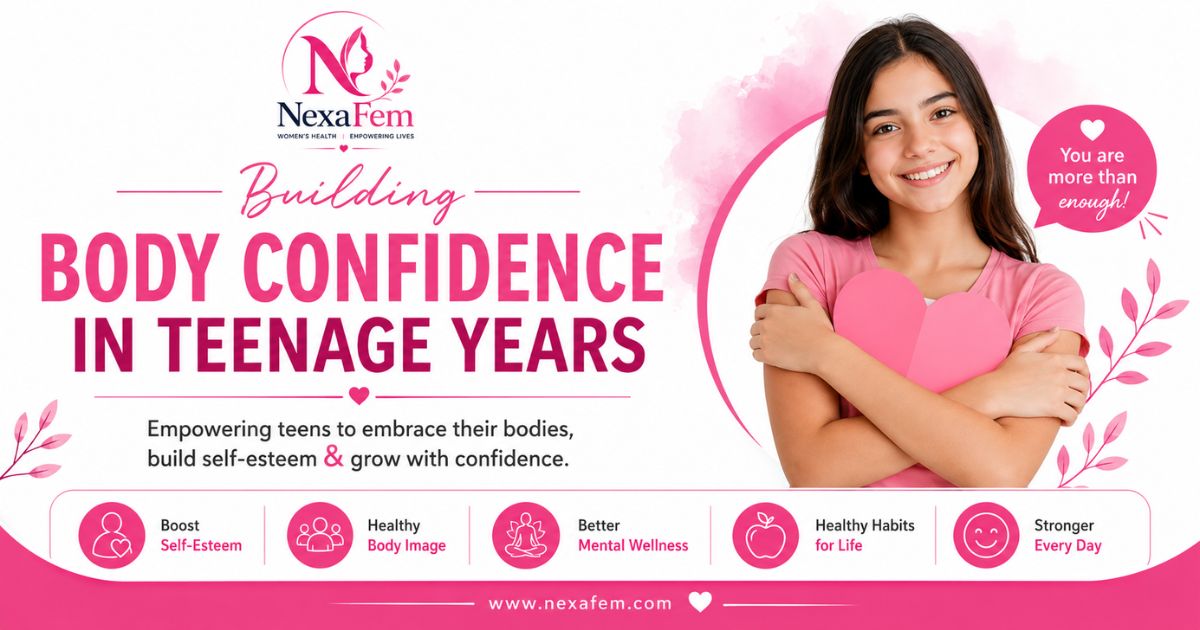
Building Body Confidence in Teens: Expert Guide for Parents & Young Women
Learn how to build body confidence in teens, recognize warning signs, and support a healthy body image during puberty with expert-backed advice.
Growing up is exciting, but it can also feel overwhelming. As teenagers experience rapid physical, emotional, and hormonal changes, they often become more aware of how they look—and how they think others see them. Comparing themselves with friends, influencers, or unrealistic beauty standards can make even confident teens question their appearance.
If you've noticed a teenage girl avoiding mirrors, hiding in oversized clothes, refusing to participate in social activities, or constantly criticizing her appearance, she may be struggling with body confidence. These feelings are more common than many people realize and can affect emotional well-being, academic performance, relationships, and long-term health.
The good news is that building body confidence in teens is possible. With the right support, healthy habits, positive role models, and early intervention, teenagers can learn to appreciate their bodies for what they can do—not just how they look.
At NexaFem, we believe that preventive healthcare goes beyond physical health. Understanding body image, hormonal changes, and emotional well-being during adolescence empowers young women to build lifelong confidence and resilience.
TL;DR
Building body confidence in teens starts with encouraging self-acceptance, healthy habits, and realistic expectations.
Puberty brings natural physical and hormonal changes that can temporarily affect body image.
Early recognition of signs of low body confidence in teenagers helps prevent more serious mental health concerns.
Parents, caregivers, schools, and healthcare professionals all play an important role in fostering positive body image.
Persistent body dissatisfaction, anxiety, or eating concerns should be discussed with a qualified healthcare professional.
What Is Body Confidence?
Body confidence is the ability to appreciate, respect, and care for your body regardless of its size, shape, weight, or appearance. It does not mean believing your body is perfect. Instead, it means recognizing that your value extends far beyond physical appearance.
Someone with healthy body confidence may still have insecurities from time to time, but those feelings do not define their self-worth or control their daily life.
In contrast, low body confidence can lead to constant self-criticism, unhealthy comparisons, and emotional distress.
According to guidance from the NHS, developing a healthy body image during adolescence supports better mental health, stronger self-esteem, and healthier lifestyle choices throughout adulthood.
Source: NHS – https://www.nhs.uk/mental-health/
Why Does Body Confidence Matter During the Teenage Years?
Teenage years are one of the most significant periods of physical development. During puberty, the brain, hormones, bones, muscles, and reproductive system all mature at different rates. Because everyone develops differently, teenagers often compare themselves with peers who may simply be at another stage of development.
This is why puberty and body image issues frequently occur together.
Body confidence influences many aspects of a teenager's life, including:
Emotional resilience
Self-esteem
Friendships
School participation
Sports and physical activity
Social confidence
Mental health
Eating behaviors
Research consistently shows that adolescents with a more positive body image are more likely to engage in healthy eating, regular exercise, and preventive healthcare rather than extreme dieting or unhealthy weight-control behaviors.
The World Health Organization also recognizes adolescence as a critical period for promoting lifelong physical and mental well-being.
Source: WHO – https://www.who.int/
Why Puberty Can Affect Body Image
Puberty is driven by hormonal changes that prepare the body for adulthood. While these changes are entirely normal, they often happen at different speeds for different people.
Girls may experience:
Breast development
Breasts begin developing at different ages and grow at different rates. Uneven breast growth is common during early puberty and usually becomes less noticeable over time.
Weight changes
Healthy weight gain is a normal part of puberty. Extra body fat supports hormone production and reproductive health. However, many teenagers mistakenly view these natural changes as something negative.
Height changes
Some teenagers grow rapidly, while others develop more gradually. Temporary awkwardness during growth spurts is common.
Skin changes
Hormonal fluctuations can increase oil production, leading to acne. Skin concerns often affect self-confidence, especially during social situations.
Hair growth
Body hair develops naturally during puberty. While completely normal, it may feel unfamiliar or embarrassing for some teenagers.
Understanding that these changes are expected—and not signs that something is wrong—can significantly improve body confidence.
For parents looking to better understand adolescent development, learning about puberty changes every girl should understand can provide reassurance and helpful guidance.
Signs of Low Body Confidence in Teenagers
Recognizing the signs of low body confidence in teenagers early allows families and healthcare providers to offer support before these feelings begin affecting everyday life.
Common signs include:
Frequently saying "I'm ugly" or "I'm fat"
Constantly comparing themselves to friends or celebrities
Obsessively checking mirrors—or avoiding mirrors altogether
Wearing oversized clothing to hide their body
Avoiding photographs
Refusing to participate in sports or swimming
Excessive use of beauty filters on social media
Spending long periods criticizing their appearance
Anxiety before social events
Constant dieting despite having a healthy weight
Some teenagers may also become withdrawn, avoid school activities, or lose interest in hobbies they previously enjoyed.
These behaviors do not always indicate a serious mental health condition, but they deserve compassionate attention rather than criticism.
What Causes Low Body Confidence?
Body confidence develops through a combination of biological, psychological, and social influences. There is rarely one single cause.
Hormonal Changes
Hormonal fluctuations during puberty affect both physical appearance and emotional regulation. Mood swings, increased sensitivity, and changing body proportions may contribute to self-consciousness.
Understanding these hormonal shifts can help teenagers realize that many emotional reactions are temporary and manageable.
Social Media Comparisons
Today's teenagers spend more time online than previous generations. While social media can foster creativity and connection, it also exposes young people to carefully edited images, beauty filters, and unrealistic body ideals.
Repeated exposure may lead teenagers to believe these appearances are normal or achievable when, in reality, many images have been digitally altered.
Encouraging healthy digital habits and discussing how online content is created can reduce the pressure to compare.
Peer Influence
Friends naturally influence how teenagers view themselves. Comments about appearance, even when intended as jokes, can significantly affect self-esteem.
Positive friendships that celebrate individuality help build resilience against negative comparisons.
Family Environment
Children often learn how to think about their bodies by observing adults around them.
Regular conversations focused on weight, dieting, or appearance can unintentionally reinforce the idea that physical looks determine self-worth.
Instead, families can promote confidence by praising kindness, creativity, perseverance, and personal achievements alongside healthy lifestyle habits.
Cultural and Beauty Standards
Beauty standards vary across cultures and continue to evolve. Unfortunately, many still emphasize unrealistic ideals related to body size, skin tone, or facial features.
Helping teenagers understand that beauty comes in many forms encourages greater acceptance of natural diversity.
Risk Factors for Developing Body Image Issues
While any teenager can struggle with body confidence, certain factors may increase the likelihood of developing body image concerns.
These include:
Early or late puberty compared with peers
Bullying or appearance-related teasing
Heavy social media use
Perfectionist personality traits
Family history of anxiety, depression, or eating disorders
Participation in sports or activities that emphasize appearance or weight
Existing mental health challenges
Chronic medical conditions that affect physical appearance
Having one or more risk factors does not mean a teenager will develop body image problems. However, recognizing these influences allows families to offer support earlier.
The Connection Between Hormones, Mental Health, and Body Confidence
Hormones influence far more than physical development—they also affect mood, emotions, stress responses, and self-perception.
During puberty, fluctuations in estrogen and other hormones can contribute to increased emotional sensitivity. Combined with school pressures, friendships, academic expectations, and social media exposure, this can make teenagers particularly vulnerable to negative thoughts about their appearance.
Poor body confidence may increase the risk of:
Low self-esteem
Anxiety
Depression
Social withdrawal
Disordered eating behaviors
Reduced participation in physical activity
However, it's important to remember that experiencing occasional insecurity during adolescence is normal. Persistent distress, significant changes in eating habits, or thoughts of self-harm require prompt evaluation by a qualified healthcare professional.
How Is Low Body Confidence Identified?
There is no single medical test to diagnose low body confidence. Instead, healthcare professionals assess a teenager's emotional well-being, physical health, and daily functioning through conversations, questionnaires, and, when appropriate, physical examinations.
A doctor, pediatrician, gynecologist, psychologist, or mental health professional may ask about:
Thoughts and feelings about appearance
Eating habits and relationship with food
Physical activity patterns
Social media use
Sleep quality
School performance
Relationships with family and friends
Mood, anxiety, or stress levels
If concerns about weight loss, irregular periods, nutritional deficiencies, or eating disorders are present, additional medical evaluations may be recommended to rule out underlying health conditions.
Early assessment is not about labeling a teenager—it is about understanding what support they need to thrive.
Helping Teenage Girls Build Body Confidence
One of the most effective ways of helping teenage girls with body confidence is to shift the focus from appearance to overall health, strength, and self-worth.
Confidence is built gradually through consistent encouragement, supportive relationships, and healthy daily habits.
Encourage Positive Self-Talk
Teenagers often become their own harshest critics.
Help them recognize negative thoughts such as:
"I'm not pretty enough."
"Everyone looks better than me."
"I hate my body."
Encourage them to replace these thoughts with more balanced perspectives:
"My body is growing exactly as it should."
"Everyone develops differently."
"My worth isn't defined by my appearance."
"My body helps me live, learn, and enjoy life."
Practicing positive self-talk regularly helps reshape long-term thinking patterns.
Celebrate What the Body Can Do
Rather than focusing on appearance, celebrate achievements such as:
Learning new skills
Playing sports
Dancing
Hiking
Creating art
Solving problems
Helping others
This encourages teenagers to appreciate their bodies for their abilities instead of their looks.
Promote Healthy Social Media Habits
Social media isn't inherently harmful, but unrealistic content can influence body image.
Healthy habits include:
Following creators who promote body diversity.
Limiting exposure to appearance-focused accounts.
Understanding that filters and editing are common.
Taking regular breaks from social media.
Spending more time in real-world activities.
Developing healthy digital habits is becoming an essential part of preventive wellness.
Avoid Appearance-Based Compliments Alone
While compliments are meaningful, try to recognize qualities beyond physical appearance.
Instead of only saying:
"You look beautiful."
Also say:
"I'm proud of your determination."
"You're incredibly thoughtful."
"You handled that situation really well."
"Your kindness makes a difference."
This reinforces self-worth beyond physical appearance.
Lifestyle Habits That Support Healthy Body Confidence
Building confidence involves caring for both physical and emotional health.
Stay Physically Active
Exercise should be enjoyable rather than punishment for eating.
Encourage activities teenagers genuinely enjoy, including:
Walking
Swimming
Cycling
Yoga
Dancing
Team sports
Regular movement supports:
Mood regulation
Better sleep
Stronger bones
Cardiovascular health
Stress reduction
Improved self-confidence
The goal is lifelong health—not achieving a specific body shape.
Prioritize Quality Sleep
Teenagers require approximately 8–10 hours of sleep each night.
Poor sleep can contribute to:
Mood changes
Irritability
Poor concentration
Increased anxiety
Lower self-esteem
Maintaining a consistent sleep schedule supports both mental and hormonal health.
If you're interested in improving adolescent wellness, learning about sleep deprivation in teenage girls can provide additional practical strategies.
Manage Stress
School pressures, friendships, exams, and family expectations can all influence body image.
Healthy stress-management techniques include:
Journaling
Mindfulness
Deep breathing
Reading
Spending time outdoors
Creative hobbies
Talking with trusted adults
Small daily habits often make a significant difference over time.
Nutrition and Body Confidence
Nutrition should support health—not restriction.
Balanced eating provides the nutrients needed for:
Hormonal development
Brain function
Bone growth
Muscle development
Energy levels
Emotional well-being
Teenagers benefit from meals that include:
Fruits and vegetables
Whole grains
Lean proteins
Healthy fats
Dairy or calcium-rich alternatives
Plenty of water
Avoid labeling foods as "good" or "bad." Instead, encourage balance, variety, and moderation.
Restrictive dieting during adolescence may interfere with healthy growth and increase the risk of nutrient deficiencies.
According to the World Health Organization, balanced nutrition during adolescence supports healthy physical and mental development.
Hormonal Health and Body Confidence
Hormones play a major role in both physical development and emotional health.
Changes in estrogen, progesterone, and other hormones may contribute to:
Mood swings
Acne
Breast tenderness
Weight changes
Water retention
Fatigue
These changes are usually a normal part of puberty.
Understanding hormonal health helps teenagers realize that temporary changes do not define their identity or long-term appearance.
Using educational resources such as a Hormonal Health Tracker can help young women better understand normal body changes over time and identify patterns that may require medical attention.
Prevention: Building Confidence Before Problems Develop
Preventive care is one of the strongest predictors of lifelong emotional well-being.
Parents, teachers, and healthcare providers can support teenagers by:
Encouraging open conversations.
Avoiding criticism about appearance.
Promoting balanced nutrition.
Supporting enjoyable physical activity.
Teaching media literacy.
Celebrating individual strengths.
Modeling positive body image.
Small daily interactions often have a greater impact than occasional motivational conversations.
Treatment Options When Additional Support Is Needed
Sometimes reassurance alone isn't enough.
If body image concerns begin interfering with daily life, professional support may be beneficial.
Treatment depends on the individual's needs and may include:
Psychological Therapy
Cognitive Behavioral Therapy (CBT) is commonly used to help teenagers challenge negative thought patterns and develop healthier coping strategies.
Nutritional Counseling
Registered dietitians can help teenagers develop balanced eating habits without fear or guilt around food.
Family-Based Support
Parents and caregivers are often involved in treatment because home environments strongly influence long-term recovery.
Medical Care
If body image concerns are linked to hormonal conditions, eating disorders, depression, anxiety, or other health concerns, healthcare professionals may recommend additional evaluation and treatment.
According to the American College of Obstetricians and Gynecologists (ACOG), adolescent healthcare should address both physical and emotional well-being to support healthy development.
Common Mistakes Families Often Make
Even with good intentions, some responses may unintentionally reinforce body image concerns.
Common mistakes include:
Comparing siblings or friends.
Commenting frequently on weight.
Encouraging unnecessary dieting.
Using appearance as the primary source of praise.
Ignoring emotional concerns.
Assuming teenagers will "grow out of it."
Criticizing their social media habits without open discussion.
Instead, approach conversations with curiosity, empathy, and active listening.
Everyday Lifestyle Tips for Building Body Confidence
Healthy confidence develops through consistent daily habits rather than dramatic changes.
Consider encouraging teenagers to:
Practice gratitude for what their body can do.
Spend time with supportive friends.
Reduce comparison with others.
Wear clothes that feel comfortable and expressive.
Participate in hobbies that build confidence.
Limit negative self-talk.
Celebrate progress instead of perfection.
Ask for help when emotions feel overwhelming.
Body confidence is a journey—not a destination.
When to See a Doctor
It's normal for teenagers to experience occasional insecurities about their appearance, especially during puberty. However, when negative body image begins affecting everyday life, seeking professional guidance is important.
Consider speaking with a healthcare professional if a teenager:
Constantly expresses hatred toward their body.
Avoids school, social activities, or sports because of appearance concerns.
Experiences rapid weight loss or weight gain without a clear medical reason.
Skips meals, binge eats, or develops restrictive eating habits.
Exercises excessively to "earn" food or change their appearance.
Shows signs of anxiety, depression, or persistent low self-esteem.
Stops enjoying activities they once loved.
Experiences irregular menstrual cycles alongside significant weight changes.
Talks about feeling worthless or hopeless.
A pediatrician, family physician, adolescent gynecologist, psychologist, or mental health professional can assess both physical and emotional health and recommend appropriate support.
Early intervention often leads to better outcomes and helps prevent long-term emotional and physical health complications.
Red Flag Symptoms
Some symptoms require prompt medical evaluation rather than waiting to see if they improve.
Seek medical attention if a teenager:
Has rapid or significant weight loss.
Faints or feels dizzy frequently.
Refuses to eat for extended periods.
Frequently vomits after meals.
Uses laxatives, diet pills, or supplements for weight loss without medical advice.
Experiences severe depression or panic attacks.
Engages in self-harm.
Expresses suicidal thoughts or intentions.
If there is an immediate risk of self-harm or suicide, seek emergency medical assistance or contact your local emergency services immediately.
Featured Snippet
What is body confidence in teenagers?
Body confidence in teenagers is the ability to appreciate, respect, and care for their bodies without allowing appearance to determine their self-worth. Healthy body confidence develops through supportive relationships, positive self-talk, balanced nutrition, regular physical activity, realistic social media habits, and understanding the normal physical changes that occur during puberty.
Final Thoughts
Every teenager deserves to grow up believing that their worth is not measured by a number on a scale, the size of their clothes, or the images they see online.
Building body confidence is not about convincing teenagers that they will love every part of themselves every day. Instead, it is about helping them understand that their bodies are constantly growing, changing, and supporting them through every stage of life.
With compassionate guidance, evidence-based healthcare, healthy family conversations, balanced nutrition, regular movement, and emotional support, young people can develop resilience that lasts well beyond adolescence.
At NexaFem, we believe preventive healthcare includes emotional well-being alongside physical health. By understanding hormonal changes, recognizing early warning signs, and encouraging healthy self-image, families can help teenage girls build lifelong confidence and make informed decisions about their health.
Remember that confidence is not built overnight. It grows through small, consistent actions, supportive relationships, and the reassurance that every body develops differently—and that every individual deserves kindness, respect, and care.
Disclaimer
This article is intended for informational and educational purposes only and should not be considered medical advice. It is not a substitute for professional diagnosis, treatment, or personalized healthcare guidance. If you or someone you know has concerns about body image, mental health, eating behaviors, or any other medical condition, please consult a qualified healthcare professional or licensed mental health expert.
Frequently Asked Questions
Share this post
Comments (0)
No comments yet. Be the first to comment!