
The High Cost of Persistence: Understanding the Effects of Chronic Stress on the Body
Discover how sustained pressure reshapes your physiology. Learn the clinical effects of chronic stress on the body and how preventive intelligence can safeguard your health.
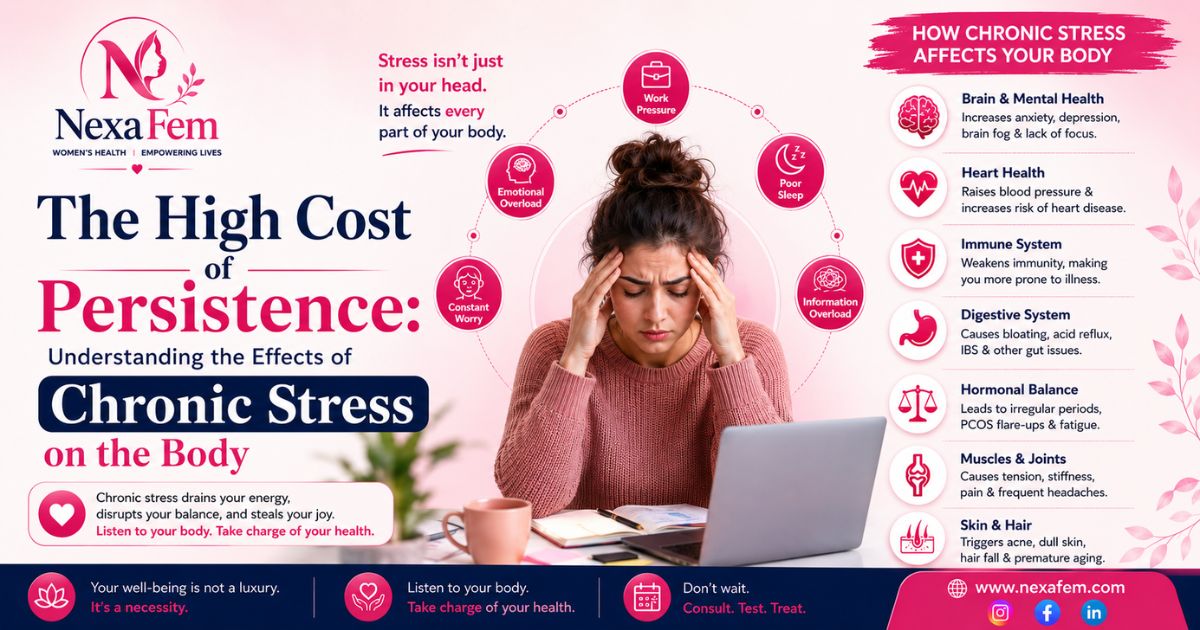
In the high-velocity corridors of companies like Amazon and Goldman Sachs, 'grit' is often celebrated as the ultimate professional currency. However, the human nervous system was never designed to operate in a perpetual state of high-alert. While acute stress—the 'fight or flight' response—is an evolutionary masterpiece designed for survival, its modern, unrelenting successor is far more insidious. According to a Deloitte Mental Health Report, poor mental health costs UK employers approximately £56 billion annually, yet the physiological toll on the individual is even more staggering. When the pressure never subsides, the effects of chronic stress on the body transition from temporary discomfort to systemic physiological restructuring, fundamentally altering everything from your hormonal balance to your cellular aging process.
The Biology of Persistence: How the HPA Axis Redlines
To understand the damage of long-term pressure, we must look at the Hypothalamic-Pituitary-Adrenal (HPA) axis. This is your body’s central command for stress. In a healthy scenario, the hypothalamus signals the adrenal glands to release cortisol and adrenaline, providing the energy to meet a deadline or avoid a collision. Once the threat passes, the system returns to baseline. However, in an 'always-on' culture, this feedback loop breaks. Your body remains in a state of hyper-vigilance, effectively 'redlining' your internal engine until the gears begin to grind.
When cortisol remains chronically elevated, it ceases to be a life-saver and becomes a systemic toxin. Research suggests that prolonged exposure to high cortisol levels can lead to the atrophy of the hippocampus, the brain's center for memory and emotional regulation. This is why high-performing executives often report 'brain fog' or a decreased ability to process complex data—it is not a lack of willpower, but a physiological consequence of neural fatigue.
According to the American Psychological Association (APA), chronic stress is linked to the six leading causes of death: heart disease, cancer, lung ailments, accidents, cirrhosis of the liver, and suicide.
The Hormonal Domino Effect: Impact on Women’s Health
For women, the effects of chronic stress on the body are uniquely disruptive due to the delicate interplay between the HPA axis and the Hypothalamic-Pituitary-Gonadal (HPG) axis. In the hierarchy of survival, your body prioritizes stress management over reproduction. This phenomenon, often referred to as 'cortisol steal,' occurs when the body uses progesterone precursors to manufacture more cortisol. The result is a hormonal vacuum that can trigger irregular menstrual cycles, exacerbated PMS, and even early-onset perimenopausal symptoms.
Disruption of the Menstrual Cycle
Chronic stress can lead to functional hypothalamic amenorrhea, where the brain simply stops signaling the ovaries to release eggs. This isn't just a fertility issue; it is a metabolic signal that the body does not feel safe enough to sustain a pregnancy. For women in leadership roles at firms like McKinsey or Google, identifying these subtle shifts in cycle regularity is a critical early warning sign of systemic burnout.
The Perimenopause Accelerator
For women aged 35–45, chronic stress acts as a chemical catalyst, intensifying the natural decline of estrogen. This can lead to more severe hot flashes, profound sleep disturbances, and heightened anxiety. By leveraging AI-powered preventive intelligence, platforms like NexaFem can help women track these fluctuations, providing the data needed to intervene before the symptoms become debilitating.
Metabolic Hijacking: Why Stress Leads to Systemic Inflammation
It is a common observation in the corporate world: the more stressed the workforce, the higher the rates of metabolic syndrome. This is not merely due to 'stress eating.' The effects of chronic stress on the body include a fundamental shift in how we process glucose. Cortisol’s primary job is to keep blood sugar high to provide immediate energy. When stress is chronic, your blood sugar remains perpetually elevated, forcing the pancreas to pump out insulin. Over time, this leads to insulin resistance and increased visceral fat—the dangerous 'belly fat' that surrounds internal organs.
Systemic Inflammation: Chronic stress triggers the release of pro-inflammatory cytokines, putting the body in a state of low-grade, constant inflammation.
Cardiovascular Strain: Persistent high blood pressure and increased heart rate damage the arterial walls, significantly raising the risk of stroke and myocardial infarction.
Gut Microbiome Dysbiosis: The 'gut-brain axis' means stress can alter the permeability of the intestinal lining (leaky gut), leading to autoimmune triggers.
Immune Suppression: While acute stress boosts immunity, chronic stress suppresses the production of lymphocytes, making you more susceptible to viral infections.
Companies like Apple and Salesforce have begun integrating advanced wellness tracking into their employee benefits precisely because they recognize that metabolic health is the bedrock of professional performance. A body in a state of chronic inflammation is a body that cannot innovate, lead, or sustain high-level output.
The Executive Brain: Cognitive Erosion and Neural Fatigue
The prefrontal cortex is the 'CEO' of the brain, responsible for executive function, logic, and impulse control. Under the weight of chronic stress, this region begins to lose neural connectivity. Simultaneously, the amygdala—the brain’s fear center—becomes enlarged and hyper-reactive. This structural shift explains why stressed individuals become more reactive, less empathetic, and struggle with complex decision-making.
Neuroscience research conducted at institutions like Stanford and Harvard indicates that chronic stress can actually shorten telomeres—the protective caps on the ends of our chromosomes. This means that at a cellular level, chronic stress literally accelerates the aging process. You are not just 'feeling old'; your cells are biologically older than your chronological age would suggest.
"Stress is not what happens to us. It is our response to what happens. And response is something we can learn and master through data and awareness." — Inspired by clinical insights from the Mayo Clinic.
Preventive Intelligence: The NexaFem Approach
In the era of Industry 4.0, we use predictive analytics to maintain machinery and optimize supply chains. Why should we treat women’s health any differently? The traditional medical model is reactive—waiting for a disease to manifest before intervening. NexaFem shifts the paradigm toward preventive intelligence. By synthesizing data points such as heart rate variability (HRV), sleep architecture, and hormonal markers, AI can identify the physiological 'footprint' of chronic stress long before it leads to a clinical diagnosis.
For the modern woman, this means moving beyond the vague advice to 'stress less.' It means having a digital twin of her health that can signal when her cortisol levels are impacting her metabolic health or when her recovery scores indicate an impending burnout. This is the future of healthcare: personalized, data-driven, and aggressively preventive.
Actionable Strategies for Systemic Recovery
Mitigating the effects of chronic stress on the body requires more than a weekend retreat; it requires a strategic overhaul of your physiological environment. Drawing from the wellness protocols of elite performers at Tesla and Netflix, consider these evidence-based interventions:
Prioritize Non-Sleep Deep Rest (NSDR): Techniques such as Yoga Nidra or guided protocols can help 'reset' the nervous system by down-regulating the sympathetic drive.
Optimize Circadian Alignment: Exposure to morning sunlight regulates cortisol production, ensuring it peaks in the morning and tapers off at night.
Micro-Interventions: Implement 'box breathing' (a technique used by Navy SEALs) between meetings to prevent the cumulative buildup of the stress response.
Nutritional Buffering: Increase intake of magnesium and Omega-3 fatty acids, which have been shown to dampen the inflammatory response to stress.
Data-Driven Awareness: Use wearable technology to monitor your HRV. A declining trend in HRV is often the first measurable sign that chronic stress is overwhelming your system.
Key Takeaways
HPA Axis Dysfunction: Chronic stress keeps the body in a state of hyper-vigilance, leading to hippocampal atrophy and 'brain fog.'
Hormonal Disruption: Stress 'steals' progesterone to make cortisol, leading to menstrual irregularities and intensified perimenopause.
Metabolic Risk: Persistent high cortisol levels drive insulin resistance, systemic inflammation, and visceral fat accumulation.
Cellular Aging: Chronic stress shortens telomeres, biologically aging the body at a faster rate than normal.
Preventive AI: Moving from reactive to proactive care through data-driven platforms like NexaFem is essential for long-term health.
Final Thoughts
The effects of chronic stress on the body are profound, but they are not inevitable. In a world that demands constant output, the most radical and effective business strategy you can employ is the preservation of your own physiology. By understanding the clinical mechanisms of stress and utilizing the power of preventive intelligence, you can transition from merely surviving the pressure to mastering your health. Your body is the most sophisticated piece of technology you will ever own; it’s time to start treating it with the same rigorous care and data-driven insight as the world’s leading organizations. Discover how NexaFem’s AI-powered platform can help you decode your body’s stress signals today.
Frequently Asked Questions
Share this post
Comments (0)
No comments yet. Be the first to comment!