
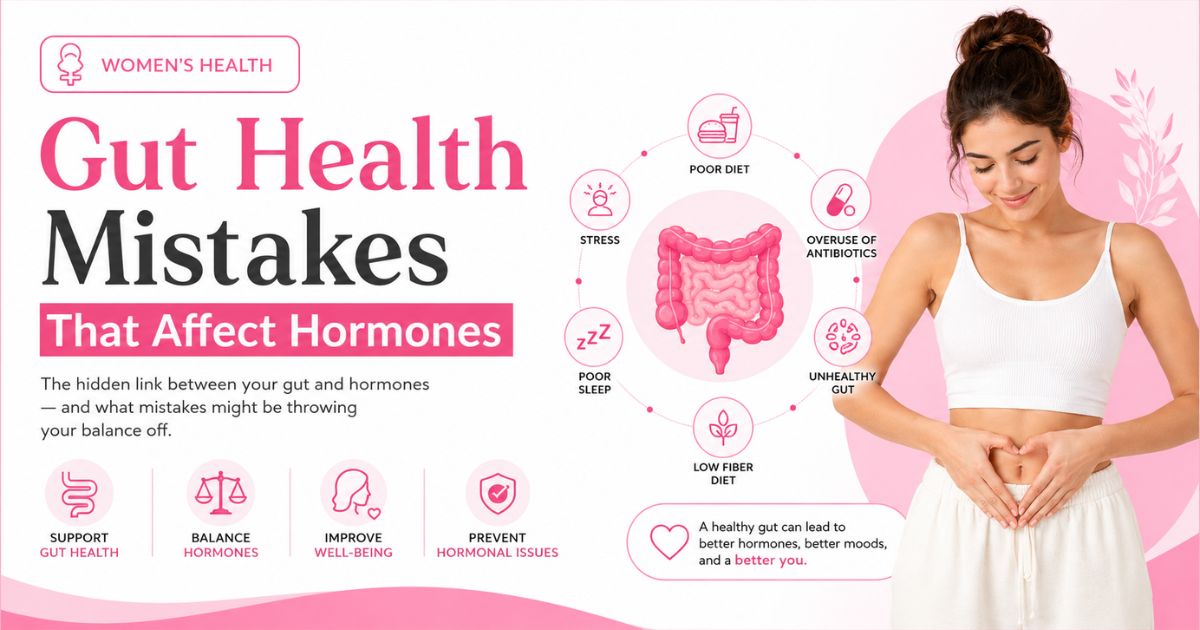
Gut Health Mistakes That Affect Hormones: What Every Woman Should Know
Learn how gut health and hormones are connected, the mistakes that may disrupt hormone balance, and science-backed ways to support both.
Have you ever felt like your body is sending mixed signals?
You may be experiencing bloating, irregular periods, fatigue, mood swings, stubborn weight changes, skin breakouts, or worsening PMS symptoms. Naturally, many women assume these issues are purely hormonal.
But what if part of the answer lies in your gut?
Emerging research continues to highlight a fascinating relationship between gut health and hormones. The trillions of microorganisms living in your digestive system do far more than help digest food. They influence immune function, inflammation, nutrient absorption, mental well-being, and even how certain hormones are processed within the body.
For women, this connection can be especially important. While gut health is not the sole cause of hormonal symptoms, digestive health may influence how effectively the body regulates hormones such as estrogen, cortisol, insulin, and others.
Understanding common gut health mistakes can help you take a more preventive approach to wellness—one that supports your body before symptoms become more disruptive.
Quick Summary (TL;DR)
Gut health and hormones are closely connected, particularly through estrogen metabolism, inflammation, and nutrient absorption.
Poor dietary habits, chronic stress, inadequate sleep, and unnecessary restrictive diets can negatively affect the gut microbiome.
Common signs of poor gut health include bloating, constipation, diarrhea, excessive gas, digestive discomfort, and food sensitivities.
Supporting gut health may help improve hormone balance naturally when combined with evidence-based medical care and healthy lifestyle habits.
Persistent digestive or hormonal symptoms should be evaluated by a healthcare professional.
What Is the Connection Between Gut Health and Hormones?
The gut microbiome refers to the collection of bacteria, fungi, and other microorganisms living primarily in the intestines.
These microbes help:
Digest food
Produce certain vitamins
Support immune health
Regulate inflammation
Influence hormone metabolism
One important area of research involves the estrobolome, a group of gut bacteria involved in estrogen metabolism. These bacteria help determine how much estrogen is eliminated from the body versus reabsorbed into circulation. When the gut microbiome becomes disrupted, estrogen regulation may also be affected. (Reddit)
This does not mean every hormonal symptom is caused by gut issues. However, maintaining a healthy gut may support overall hormonal health as part of a comprehensive wellness strategy.
What Are the Signs of Poor Gut Health?
Many digestive symptoms can have multiple causes, but common signs of poor gut health may include:
Frequent bloating
Excessive gas
Constipation
Diarrhea
Abdominal discomfort
Food intolerances
Indigestion
Irregular bowel movements
The NHS notes that persistent bloating, digestive discomfort, and changes in bowel habits should not be ignored, particularly when symptoms become frequent or affect quality of life. (nhs.uk)
Some women also notice associated symptoms such as:
Fatigue
Brain fog
Mood changes
Sleep disturbances
Skin concerns
Menstrual symptom fluctuations
Because these symptoms overlap with many conditions, professional evaluation is often necessary.
Common Gut Health Mistakes That Affect Hormones
1. Eating Too Many Ultra-Processed Foods
Modern diets often contain large amounts of:
Refined sugars
Highly processed snacks
Sugary beverages
Fast food
These foods may contribute to inflammation and reduce dietary diversity, which can negatively influence the gut microbiome over time.
A diverse microbiome generally thrives on a wide variety of plant-based foods, fiber, and minimally processed ingredients.
2. Not Eating Enough Fiber
Fiber serves as fuel for beneficial gut bacteria.
Many women consume less fiber than recommended, especially when following restrictive diets.
Fiber-rich foods include:
Vegetables
Fruits
Legumes
Whole grains
Seeds
Adequate fiber may support digestive regularity and healthy estrogen metabolism.
If you're interested in women's nutrition, a related article on best foods for hormone health can provide additional guidance.
3. Following Extreme Detoxes and Cleanses
Social media often promotes juice cleanses, detox teas, and extreme elimination diets as solutions for hormone problems.
In reality, the body already has highly sophisticated detoxification systems involving the liver, kidneys, digestive tract, and other organs.
Very restrictive eating patterns can reduce nutrient intake and negatively affect both gut and hormonal health.
4. Ignoring Chronic Stress
The gut and brain communicate constantly through what scientists call the gut-brain axis.
Long-term stress may affect:
Digestion
Gut motility
Sleep quality
Inflammation
Hormonal regulation
Stress management is not simply a mental wellness strategy—it can also be a digestive health strategy. (The Times of India)
5. Poor Sleep Habits
Sleep and hormone regulation are deeply interconnected.
Insufficient sleep may affect:
Cortisol
Insulin
Appetite hormones
Immune function
Research increasingly shows that sleep also influences the gut microbiome, making quality rest an essential component of preventive women's health.
6. Taking Antibiotics Unnecessarily
Antibiotics can be life-saving when medically indicated.
However, unnecessary antibiotic use may disrupt beneficial gut bacteria alongside harmful bacteria.
Always follow medical guidance regarding antibiotic use and discuss any concerns with your healthcare provider.
7. Constantly Snacking on Low-Nutrient Foods
Frequent consumption of highly processed snacks may reduce opportunities for nutrient-dense meals that support gut health.
Instead, focus on balanced meals containing:
Protein
Fiber
Healthy fats
Colorful vegetables
This approach may help stabilize energy levels while supporting digestive health.
8. Ignoring Persistent Digestive Symptoms
Many women normalize chronic bloating, constipation, or digestive discomfort.
However, ongoing symptoms may warrant medical evaluation.
Persistent digestive symptoms could be related to:
Irritable bowel syndrome (IBS)
Food intolerances
Celiac disease
Inflammatory conditions
Other gastrointestinal disorders
The NHS recommends seeking medical advice when bloating becomes persistent, recurrent, or is accompanied by other concerning symptoms. (nhs.uk)
How Estrogen and Gut Health Are Connected
One of the most discussed aspects of estrogen and gut health is the estrobolome.
After estrogen is processed by the liver, it enters the digestive tract for elimination. Certain gut bacteria can influence whether estrogen remains inactive and leaves the body or becomes reabsorbed. (Reddit)
Researchers continue to study how microbiome diversity may influence estrogen regulation across different stages of a woman's life, including perimenopause and menopause. (Reddit)
While more research is ongoing, maintaining gut health appears to be a valuable component of broader hormonal wellness.
Hormonal Symptoms That May Be Influenced by Gut Health
Gut health is rarely the sole cause of hormonal symptoms, but it may contribute to:
Premenstrual symptom severity
Fatigue
Mood fluctuations
Sleep disturbances
Digestive changes during menstrual cycles
Perimenopausal digestive complaints
Women with conditions such as PCOS, endometriosis, thyroid disorders, or menopause-related symptoms should seek individualized medical guidance.
For deeper insights, readers may also benefit from articles discussing early signs of perimenopause, the relationship between PCOS and weight gain, and how stress affects hormone health.
Mental Wellness and the Gut-Hormone Connection
Many women are surprised to learn that gut health may influence mental well-being.
The gut-brain axis creates a communication pathway between the digestive system and the nervous system.
When digestive symptoms become chronic, they can affect:
Confidence
Social activities
Sleep quality
Emotional well-being
Similarly, stress and anxiety can worsen digestive symptoms, creating a cycle that feels difficult to break.
Addressing both physical and emotional health is often more effective than focusing on symptoms alone.
How to Improve Hormone Balance Naturally Through Gut Health
If you're looking to improve hormone balance naturally, focus on sustainable habits rather than quick fixes.
Prioritize Fiber-Rich Foods
Aim for a variety of:
Vegetables
Fruits
Whole grains
Legumes
Seeds
Include Fermented Foods If Tolerated
Examples include:
Yogurt
Kefir
Kimchi
Sauerkraut
Not everyone tolerates fermented foods equally, so individual responses vary.
Eat Adequate Protein
Protein supports muscle health, metabolism, and overall wellness.
Stay Physically Active
Regular exercise may support digestion and overall health. The NHS recommends regular physical activity as one strategy to support digestive function. (nhs.uk)
Improve Sleep Quality
Aim for consistent sleep schedules whenever possible.
Manage Stress
Helpful approaches include:
Mindfulness
Therapy
Journaling
Yoga
Walking
Breathing exercises
Track Symptoms
Using a Hormone Symptom Tracker or Women's Health AI Symptom Assessment Tool may help identify patterns between digestion, menstrual cycles, and lifestyle factors.
How Are Gut-Related Hormonal Issues Diagnosed?
Diagnosis depends on symptoms and medical history.
A healthcare provider may recommend:
Physical examination
Blood tests
Stool testing when appropriate
Hormone evaluation
Screening for food intolerances
Gastrointestinal investigations
There is currently no single test that can fully explain all gut-hormone interactions.
Instead, healthcare professionals evaluate the broader clinical picture.
When to See a Doctor
Schedule a medical evaluation if you experience:
Persistent bloating
Chronic constipation or diarrhea
Significant menstrual changes
Unexplained fatigue
Ongoing digestive discomfort
Unintentional weight changes
Symptoms interfering with daily life
Early assessment can help identify underlying conditions and support timely intervention.
Red Flag Symptoms
Seek prompt medical attention if you experience:
Blood in stool
Severe abdominal pain
Unexplained weight loss
Persistent vomiting
Fever with digestive symptoms
Difficulty swallowing
Significant changes in bowel habits
These symptoms require professional medical evaluation. (nhs.uk)
Final Thoughts
The relationship between gut health and hormones is one of the most exciting areas of women's health research today.
While gut health is not a cure-all, it represents an important piece of the broader hormonal wellness puzzle. Small, sustainable habits—such as eating a diverse, fiber-rich diet, managing stress, prioritizing sleep, and seeking medical advice when symptoms persist—can support both digestive and hormonal health.
At NexaFem, we believe preventive healthcare starts with awareness. By helping women recognize patterns, understand symptoms, and access personalized health insights, we can move toward a future of more proactive, data-informed, and empowered women's healthcare.
Sources & References
Implementation Note
Internal Link Anchor Text Opportunities
Disclaimer
This article is intended for informational and educational purposes only. It is not medical advice and should not be used as a substitute for professional diagnosis, treatment, or individualized healthcare guidance. If you have concerns about digestive symptoms, hormonal health, menstrual irregularities, fertility, menopause, or any other medical condition, please consult a qualified healthcare professional for appropriate evaluation and care.
Frequently Asked Questions
Share this post
Comments (0)
No comments yet. Be the first to comment!