
Healthy Eating Habits for Teenage Girls: Nutrition Guide for Growth & Hormonal Health
Discover healthy eating habits for teenage girls, the best foods for growth, hormones, energy, and long-term wellness with expert nutrition tips.
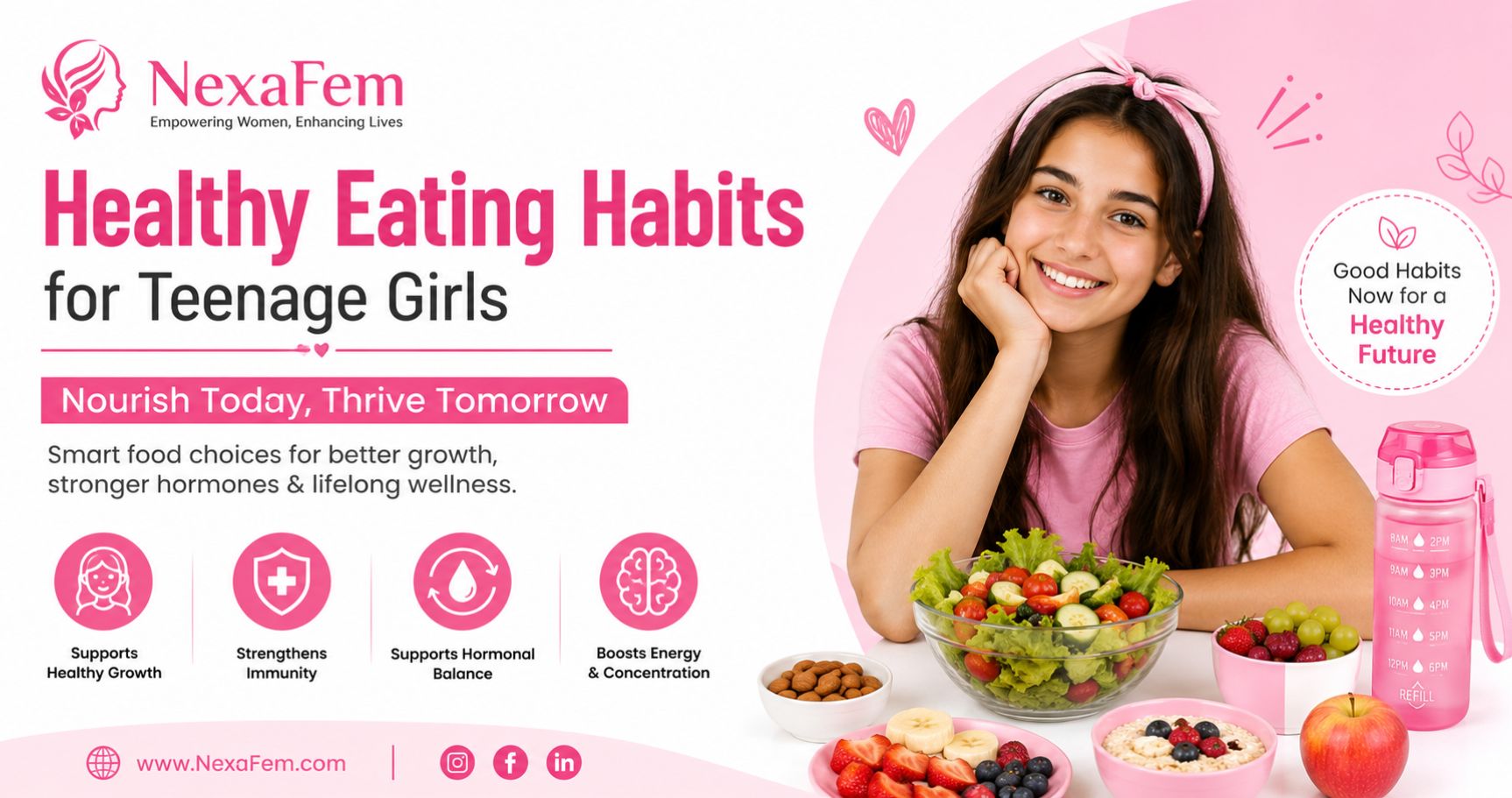
Growing up as a teenage girl brings exciting changes—but it also places unique demands on the body. Between rapid growth, hormonal shifts, school, sports, friendships, and emotional ups and downs, nutrition plays a much bigger role than many people realize.
Unfortunately, busy schedules, social media trends, processed foods, and dieting myths often make it difficult for teenagers to build healthy eating habits. Skipping breakfast, relying on sugary snacks, or avoiding entire food groups can affect energy levels, concentration, mood, menstrual health, and long-term wellbeing.
The good news is that healthy eating doesn't have to be complicated or restrictive. Small, consistent choices can support healthy growth, balanced hormones, stronger bones, better mental wellbeing, and improved academic and physical performance.
In this guide, you'll learn the healthy eating habits for teenage girls that are supported by current nutrition guidance from leading health organizations, along with practical strategies that can help build lifelong healthy habits.
Quick Summary (TL;DR)
Teenage girls need balanced nutrition to support growth, hormone production, brain development, and reproductive health.
A healthy diet should include fruits, vegetables, whole grains, lean proteins, dairy or fortified alternatives, and healthy fats.
Nutrients such as iron, calcium, vitamin D, protein, and omega-3 fats are especially important during adolescence.
Regular meals, adequate hydration, and mindful eating are just as important as food choices.
Healthy eating is about consistency—not perfection.
What Are Healthy Eating Habits for Teenage Girls?
Healthy eating habits for teenage girls are daily nutrition practices that provide the body with the right balance of nutrients needed for growth, puberty, brain development, hormone production, and overall health.
These habits include:
Eating regular balanced meals
Including a variety of nutrient-rich foods
Drinking enough water
Limiting ultra-processed foods and sugary drinks
Listening to hunger and fullness cues
Avoiding restrictive fad diets unless medically advised
Rather than focusing on calorie counting, experts encourage building sustainable eating patterns that nourish both the body and mind.
Why Nutrition Matters During the Teenage Years
Adolescence is one of the fastest periods of physical growth after infancy. During these years, the body builds stronger bones, develops muscle, matures reproductive organs, and undergoes major hormonal changes.
According to recommendations from the World Health Organization and the Centers for Disease Control and Prevention, a balanced diet during adolescence supports healthy growth, cognitive development, immune function, and long-term disease prevention.
Good nutrition helps support:
Healthy menstrual cycles
Bone development
Brain function and memory
Stable energy throughout the day
Healthy skin
Better sports performance
Emotional wellbeing
Future reproductive health
Poor nutrition, on the other hand, may contribute to fatigue, iron deficiency, low concentration, delayed growth, weakened immunity, unhealthy weight changes, and nutritional deficiencies.
What Nutrients Do Teenage Girls Need Every Day?
Growing bodies need a combination of macronutrients and micronutrients. Each nutrient plays a different role in maintaining overall health.
Protein
Protein helps build muscles, repair tissues, support the immune system, and produce important hormones.
Healthy protein sources include:
Eggs
Fish
Chicken
Lentils
Beans
Chickpeas
Tofu
Greek yogurt
Cottage cheese
Nuts and seeds
Including protein at every meal can also help improve satiety and maintain steady energy levels.
Iron
Iron is especially important after menstruation begins because blood loss during periods increases iron requirements.
Low iron intake may contribute to:
Fatigue
Weakness
Pale skin
Difficulty concentrating
Reduced exercise performance
Some of the best foods for teenage girls rich in iron include:
Lean meat
Spinach
Lentils
Kidney beans
Fortified breakfast cereals
Pumpkin seeds
Eating vitamin C-rich foods such as oranges, kiwi, strawberries, tomatoes, or bell peppers alongside iron-rich foods can improve iron absorption.
If heavy menstrual bleeding is causing persistent tiredness, discussing symptoms with a healthcare professional is important. Tracking menstrual patterns with an AI-powered cycle tracking tool may also help identify changes worth discussing during a medical appointment.
Calcium
Around half of adult bone mass develops during adolescence.
Calcium helps build:
Strong bones
Healthy teeth
Proper muscle function
Normal nerve signaling
Excellent calcium sources include:
Milk
Yogurt
Cheese
Fortified plant-based milk
Tofu prepared with calcium
Kale
Broccoli
Building healthy bones now may reduce the future risk of osteoporosis.
Vitamin D
Vitamin D works together with calcium to strengthen bones.
Sources include:
Safe sunlight exposure
Fortified dairy products
Fortified cereals
Fatty fish
Eggs
Some teenagers may require supplements if recommended by their healthcare provider.
Healthy Fats
Healthy fats are essential for:
Brain development
Hormone production
Skin health
Cell growth
Choose foods such as:
Avocados
Walnuts
Almonds
Chia seeds
Flaxseeds
Olive oil
Salmon
These foods also provide omega-3 fatty acids that support cognitive function.
Fiber
Fiber supports digestive health, helps regulate blood sugar, and contributes to fullness after meals.
Good sources include:
Whole grains
Oats
Brown rice
Fruits
Vegetables
Beans
Lentils
Gradually increasing fiber while drinking enough water can help prevent constipation.
Best Foods for Teenage Girls
No single "superfood" provides everything the body needs. A varied diet is the healthiest approach.
The best foods for teenage girls include colorful fruits and vegetables, whole grains, lean proteins, dairy or fortified alternatives, legumes, nuts, seeds, and healthy fats.
Aim to include a rainbow of plant foods throughout the week, as different colors provide different vitamins, minerals, and antioxidants.
Examples of nutrient-rich choices include:
Berries
Bananas
Apples
Oranges
Spinach
Broccoli
Sweet potatoes
Oats
Brown rice
Whole wheat bread
Eggs
Greek yogurt
Beans
Lentils
Chickpeas
Salmon
Chicken
Tofu
Almonds
Pumpkin seeds
Healthy Eating Plate for Teen Girls
A simple way to build balanced meals is to divide your plate into portions.
Approximately:
Half the plate should be vegetables and fruits.
One quarter should contain whole grains.
One quarter should include lean protein.
Add a serving of dairy or a fortified alternative.
Include a source of healthy fat.
This flexible approach makes healthy eating easier than following strict diet rules.
Teen Nutrition Tips for Busy School Days
Busy mornings and packed schedules often lead to skipped meals, especially breakfast. However, regular meals help maintain steady energy, support concentration, and reduce overeating later in the day.
Practical teen nutrition tips include:
Never skip breakfast if possible.
Pack healthy snacks for school.
Carry a reusable water bottle.
Choose whole fruits instead of sugary desserts most days.
Include protein with snacks to stay full longer.
Limit sugary drinks and energy drinks.
Plan meals ahead during busy weeks.
Even simple choices—such as yogurt with fruit, whole-grain toast with peanut butter, or a boiled egg with whole-grain crackers—can provide balanced nutrition when time is limited.
Daily Nutrition for Adolescent Girls
Many parents ask, "What should a healthy day of eating look like?"
A balanced day might include:
Breakfast with whole grains, protein, and fruit.
Lunch featuring vegetables, lean protein, and whole grains.
A healthy afternoon snack with protein and healthy fats.
Dinner including vegetables, whole grains, and quality protein.
Water throughout the day, along with dairy or fortified alternatives to support calcium intake.
This pattern provides consistent energy while supporting healthy growth and hormone development.
In addition to nutritious eating, keeping track of menstrual patterns, symptoms, and lifestyle habits can provide valuable insights into overall wellbeing. An AI-powered health journal or cycle tracker can help identify patterns that may be worth discussing with a healthcare professional if concerns arise.
How Nutrition Affects Hormones and Menstrual Health
Hormones rely on adequate nutrition to function properly. Eating too little, skipping meals frequently, or following restrictive diets can sometimes contribute to irregular menstrual cycles, low energy availability, and nutrient deficiencies.
A balanced diet supports the body's natural hormonal processes by providing enough energy, healthy fats, protein, vitamins, and minerals needed for hormone production and overall reproductive health.
If menstrual symptoms such as painful periods, heavy bleeding, or irregular cycles become persistent or disruptive, it's important to seek medical advice rather than assuming they are a normal part of growing up.
For readers interested in learning more about menstrual health, topics such as understanding irregular periods in teenagers, signs of iron deficiency during menstruation, and tracking menstrual symptoms naturally can provide valuable next steps in building preventive health awareness.
Disclaimer
The information provided in this article is intended for educational and informational purposes only and should not be considered medical advice, diagnosis, or treatment. While every effort has been made to ensure the content reflects current evidence-based guidance from trusted health organizations, individual health needs may vary.
If you have concerns about your diet, menstrual health, hormonal symptoms, growth, eating habits, or any other medical condition, please consult a qualified physician, pediatrician, registered dietitian, gynecologist, or other licensed healthcare professional. Never ignore professional medical advice or delay seeking care because of information you have read online.
NexaFem is committed to promoting preventive women's health education and empowering individuals with reliable, evidence-based information. Our educational resources are designed to complement—not replace—the advice and care provided by healthcare professionals.
Sources & References
The recommendations in this article are based on current guidance from internationally recognized health organizations, including:
World Health Organization (WHO). Healthy Diet
https://www.who.int/news-room/fact-sheets/detail/healthy-dietWorld Health Organization (WHO). Adolescent Health
https://www.who.int/health-topics/adolescent-healthNHS. Healthy Eating
https://www.nhs.uk/live-well/eat-well/NHS. Vitamins and Minerals – Iron
https://www.nhs.uk/conditions/vitamins-and-minerals/iron/Centers for Disease Control and Prevention (CDC). Healthy Eating for a Healthy Weight
https://www.cdc.gov/healthy-weight-growth/healthy-eating/American College of Obstetricians and Gynecologists (ACOG). Nutrition During Adolescence
https://www.acog.orgNational Institute for Health and Care Excellence (NICE). Obesity: Prevention and Lifestyle Guidance
https://www.nice.org.uk/guidance
Frequently Asked Questions
Share this post
Comments (0)
No comments yet. Be the first to comment!