
Menstrual Cycle Tracking: What Your Cycle Can Reveal About Your Health
Learn how menstrual cycle tracking can reveal hormonal patterns, fertility insights, and early health warning signs for better preventive care.
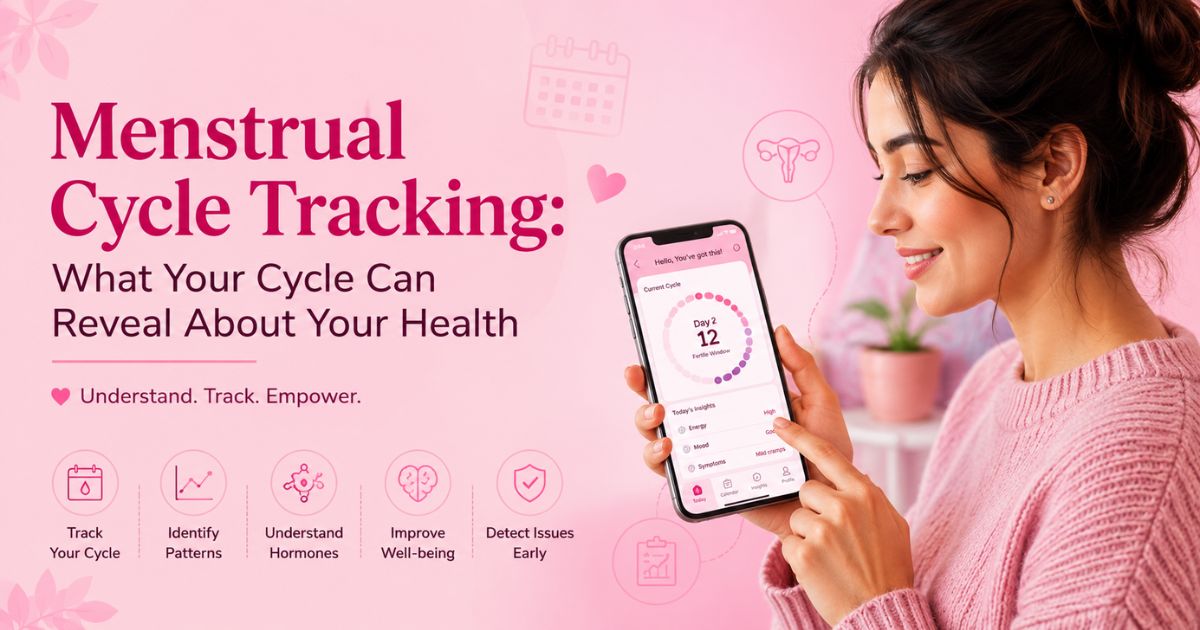
Your menstrual cycle is more than just a monthly period.
It is one of the body's most important health signals, providing valuable clues about hormonal balance, reproductive wellness, stress levels, nutrition, and even overall health.
Many women only pay attention to their cycle when they are trying to conceive or when something feels wrong. However, consistent menstrual cycle tracking can help identify subtle changes long before they develop into more significant health concerns.
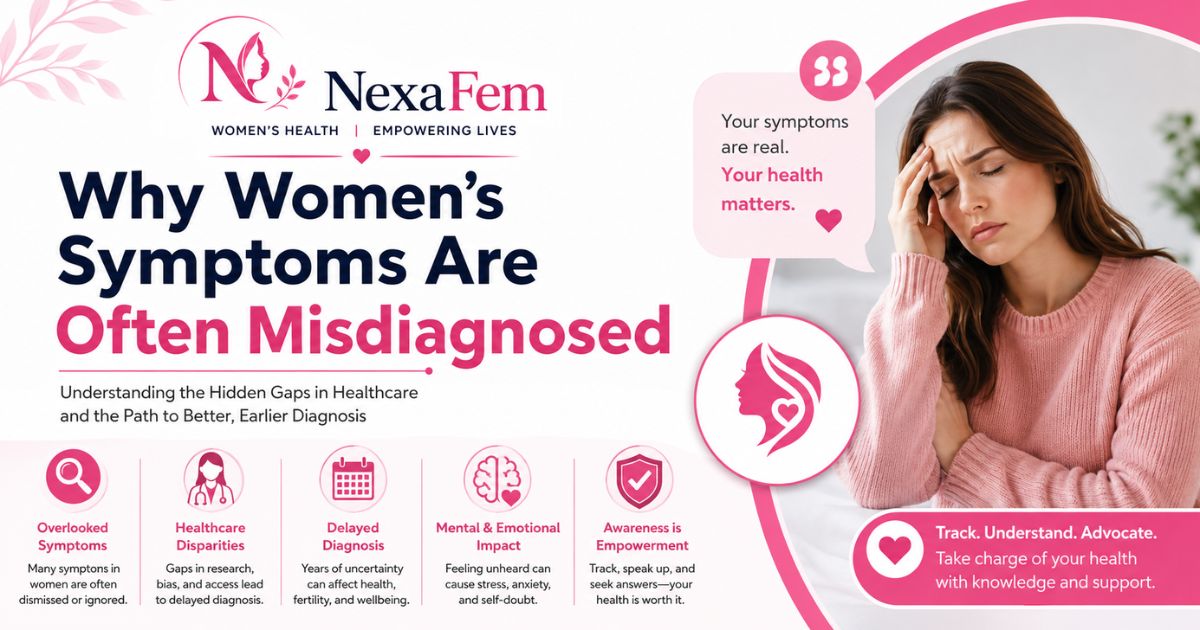
Whether you're noticing irregular periods, unexplained fatigue, mood changes, worsening cramps, or changes in your cycle length, your body may be communicating important information.
At NexaFem, we believe that understanding your cycle is one of the most powerful forms of preventive healthcare. With advances in AI-powered health tracking and menstrual intelligence, women now have better tools than ever to understand their bodies and make informed health decisions.
Quick Summary (TL;DR)
Menstrual cycle tracking helps monitor hormonal and reproductive health.
Changes in cycle length, flow, symptoms, and timing can reveal early health concerns.
Tracking can support fertility awareness, PCOS detection, thyroid health monitoring, and stress management.
Consistent menstrual health tracking improves symptom recognition and healthcare conversations.
Significant cycle changes should always be discussed with a healthcare professional.
What Is Menstrual Cycle Tracking?
Menstrual cycle tracking is the practice of recording details about your menstrual cycle, including:
Period start and end dates
Cycle length
Flow intensity
Cramping
Mood changes
Energy levels
Sleep quality
Ovulation signs
Period cycle symptoms
Modern tracking can be done using journals, calendars, wearable devices, or digital health platforms.
Quick Definition
Menstrual cycle tracking is the ongoing monitoring of menstrual patterns and symptoms to better understand hormonal, reproductive, and overall health.
According to the NHS, regular cycles can vary between women, and some variation is normal. Tracking helps identify what is normal for your body. NHS Menstrual Cycle Information
Why Is Menstrual Cycle Tracking Important?
Your cycle reflects the interaction between multiple hormones, including:
Estrogen
Progesterone
Luteinizing hormone (LH)
Follicle-stimulating hormone (FSH)
These hormones influence much more than menstruation.
They affect:
Mood
Sleep
Energy
Metabolism
Bone health
Fertility
Sexual health
Cardiovascular health
Tracking these changes over time creates a personalized health record that can reveal patterns that might otherwise go unnoticed.
What Can Your Menstrual Cycle Reveal About Your Health?
Hormonal Balance
A healthy menstrual cycle often reflects balanced hormone function.
Potential signs of hormonal imbalance include:
Very irregular periods
Missed periods
Extremely heavy bleeding
Severe PMS
Persistent acne
Unexplained weight changes
Conditions such as Polycystic Ovary Syndrome commonly affect cycle regularity and hormone levels.
If you're interested in understanding related symptoms, exploring topics such as "The Link Between PCOS and Anxiety" or "How Insulin Resistance Affects Women's Hormones" can provide valuable context.
Fertility and Ovulation Health
Regular cycles often suggest regular ovulation.
Tracking can help identify:
Ovulation timing
Fertile windows
Anovulatory cycles
Potential fertility concerns
According to the American College of Obstetricians and Gynecologists (ACOG), menstrual cycles are considered an important indicator of reproductive health.
Thyroid Function
The thyroid gland plays a major role in menstrual regulation.
Possible signs of thyroid dysfunction include:
Longer cycles
Shorter cycles
Heavy bleeding
Missed periods
Because thyroid symptoms often develop gradually, menstrual health tracking may help identify changes early.
Stress and Mental Wellness
Chronic stress can influence hormone production through the hypothalamic-pituitary-adrenal axis.
Women experiencing prolonged stress may notice:
Delayed ovulation
Missed periods
Irregular cycles
Increased PMS symptoms
Mental wellness and reproductive health are closely connected.
Recognizing patterns between stress levels and cycle changes can support earlier interventions and healthier coping strategies.
Nutritional Status
Nutrition significantly affects hormonal health.
Insufficient calorie intake, nutrient deficiencies, and restrictive diets may contribute to:
Irregular periods
Missed periods
Ovulation disruption
The World Health Organization emphasizes adequate nutrition as a cornerstone of women's reproductive health. World Health Organization Women's Health Resources
What Period Cycle Symptoms Should You Track?
Many women focus only on bleeding patterns.
However, symptom tracking often provides equally valuable information.
Physical Symptoms
Track:
Cramps
Breast tenderness
Headaches
Bloating
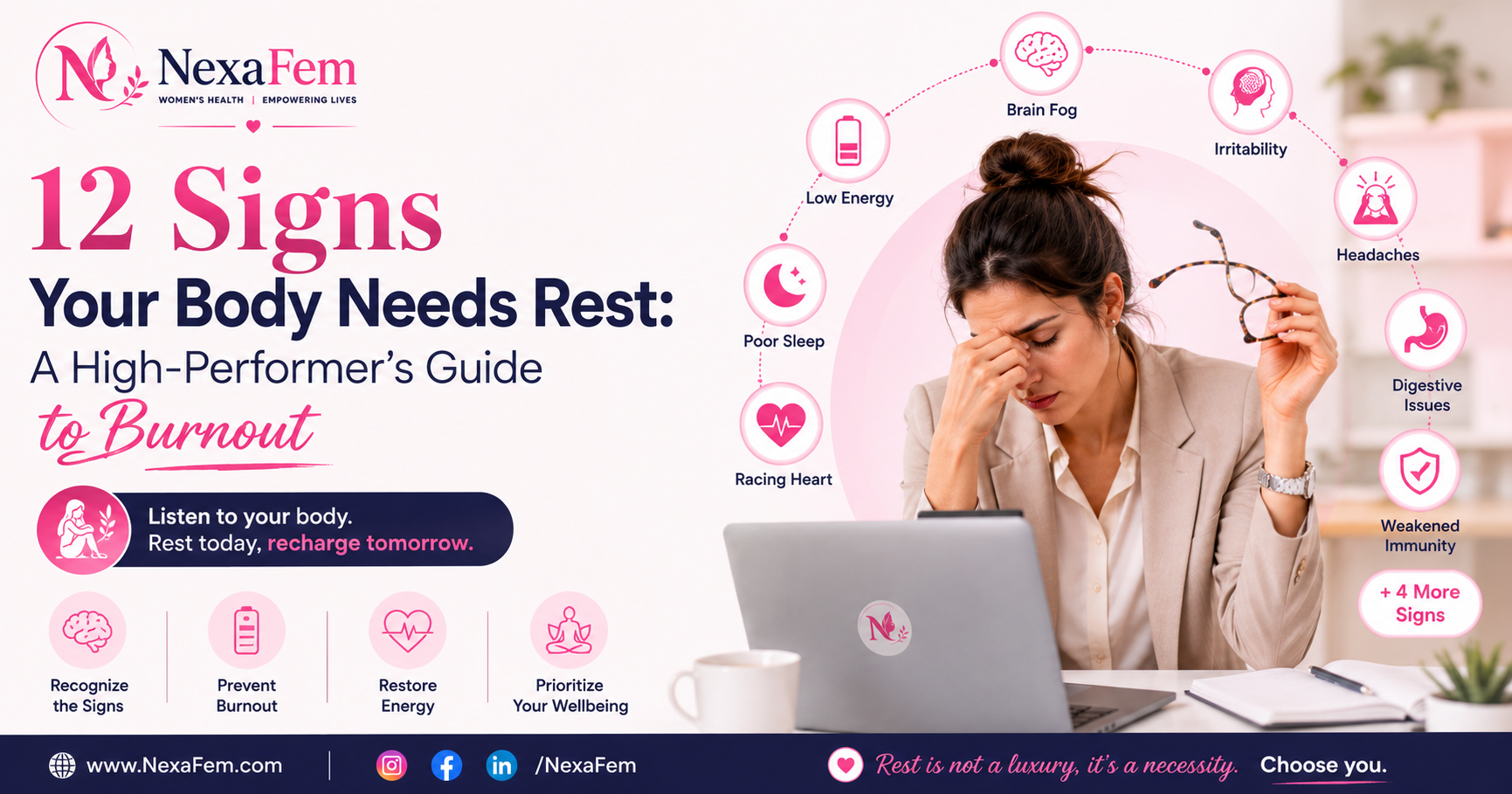
Fatigue
Back pain
Digestive changes
Emotional Symptoms
Track:
Anxiety
Irritability
Mood swings
Depression symptoms
Emotional sensitivity
Ovulation Signs
Track:
Cervical mucus changes
Mild pelvic pain
Increased libido
Basal body temperature changes
Over time, these observations can help build a clearer picture of your hormonal patterns.
People Also Ask: What Is Considered a Normal Menstrual Cycle?
A normal cycle typically:
Occurs every 21–35 days
Lasts 2–7 days
Has manageable symptoms
Shows relatively consistent timing
Some variation is normal.
What matters most is understanding your personal baseline and noticing meaningful changes.
People Also Ask: Can Menstrual Cycle Tracking Help Detect Health Problems Early?
Yes.
While cycle tracking cannot diagnose medical conditions, it may reveal patterns associated with:
PCOS
Endometriosis
Thyroid disorders
Perimenopause
Hormonal imbalances
Fertility issues
Early recognition can encourage timely medical evaluation and treatment.
Common Conditions Associated With Cycle Changes
Polycystic Ovary Syndrome (PCOS)
Common signs include:
Irregular periods
Acne
Excess hair growth
Weight gain
Difficulty conceiving
Endometriosis
Possible symptoms include:
Severe menstrual pain
Pain during intercourse
Heavy periods
Chronic pelvic pain
Women interested in symptom awareness may benefit from learning more about "Endometriosis Symptoms That Are Commonly Ignored."
Perimenopause
Perimenopause can cause:
Irregular periods
Heavier bleeding
Mood changes
Sleep disturbances
Tracking becomes especially important during this transitional stage.
How Doctors Use Menstrual Tracking Information
Healthcare professionals may review:
Cycle length
Symptom patterns
Bleeding changes
Ovulation indicators
Medication history
Tracking records often help improve diagnostic accuracy and reduce delays in identifying underlying conditions.
The Centers for Disease Control and Prevention highlights the value of health monitoring and preventive care in supporting women's long-term wellness. CDC Women's Health Resources
Lifestyle Factors That Influence Your Cycle
Several daily habits can affect hormonal regulation.
Nutrition
Focus on:
Fruits
Vegetables
Lean protein
Whole grains
Healthy fats
Consider exploring educational resources related to fertility-supportive nutrition and hormone-friendly eating patterns.
Exercise
Regular physical activity may support:
Hormonal balance
Stress reduction
Sleep quality
Metabolic health
Sleep
Poor sleep can disrupt hormone production and contribute to cycle irregularities.
Aim for consistent, restorative sleep whenever possible.
Stress Management
Helpful strategies include:
Meditation
Mindfulness
Therapy
Journaling
Gentle movement practices
Lifestyle Tips for Better Menstrual Health Tracking
Track daily, not only during your period.
Record symptoms consistently.
Note major life events and stressors.
Monitor medications and supplements.
Review patterns every few months.
Using a cycle symptom tracker or hormone insights dashboard can make long-term pattern recognition easier.
Common Mistakes Women Make
Many women unintentionally miss valuable health information.
Common mistakes include:
Only tracking period dates
Ignoring symptom changes
Assuming irregular periods are always normal
Waiting years before discussing concerns with a doctor
Using memory instead of consistent tracking
Awareness is often the first step toward prevention.
Red Flag Symptoms
Seek medical evaluation if you experience:
Bleeding between periods
Extremely heavy bleeding
Severe pelvic pain
Periods that suddenly stop
Cycles shorter than 21 days or longer than 35 days consistently
Postmenopausal bleeding
Symptoms interfering with daily life
These symptoms may warrant further assessment.
When to See a Doctor
Schedule an appointment if:
Your cycle becomes significantly irregular
You miss multiple periods without explanation
Symptoms worsen over time
You suspect hormonal imbalance
You are struggling to conceive
Menstrual pain affects daily activities
Early evaluation can improve outcomes and reduce unnecessary delays in treatment.
How AI-Powered Menstrual Intelligence Is Changing Women's Healthcare
Traditional tracking focuses on recording symptoms.
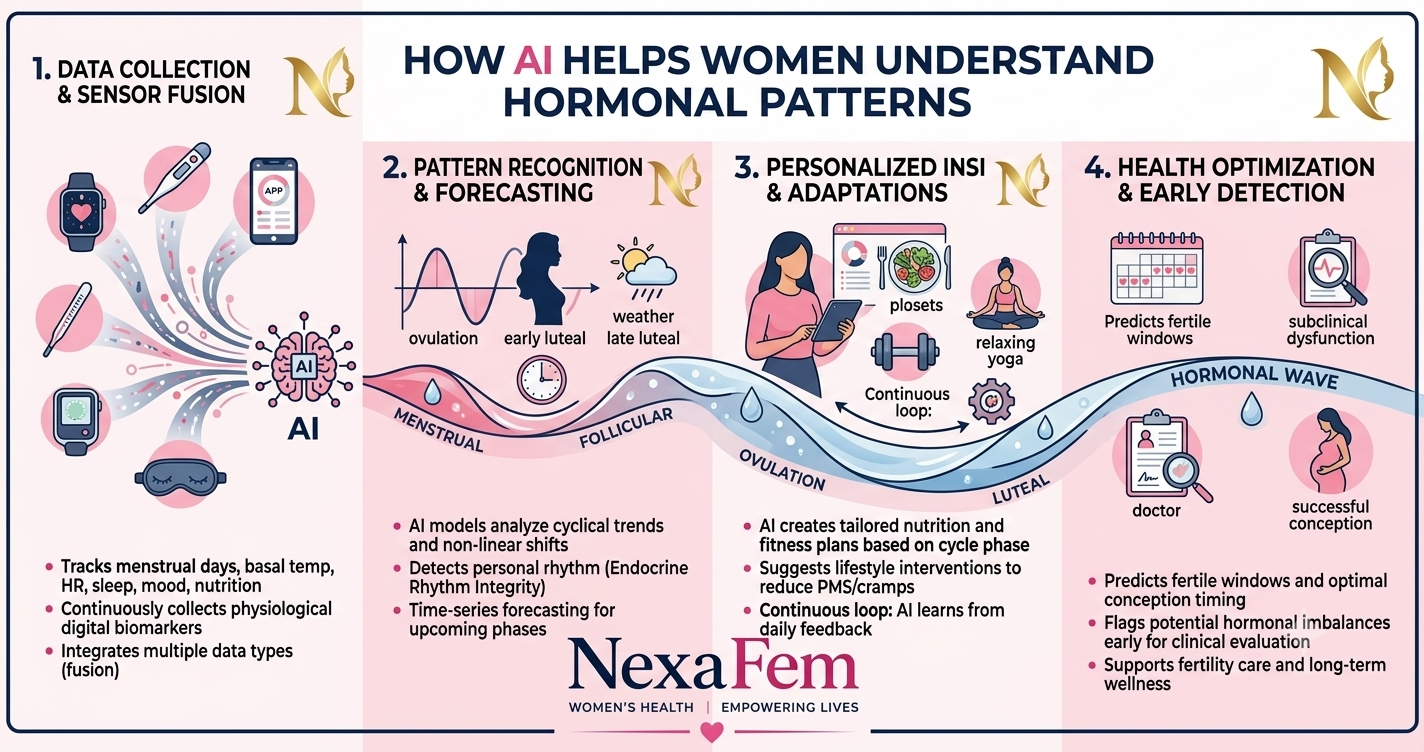
Modern women's health platforms are increasingly using AI to identify patterns, generate personalized insights, and support preventive health decisions.
At NexaFem, the future of women's healthcare involves transforming everyday symptom tracking into actionable health intelligence.
By combining menstrual cycle tracking with hormonal pattern recognition, symptom awareness, and preventive guidance, women can gain deeper insight into their health long before problems become severe.
The goal is not simply tracking periods.
The goal is understanding the story your body is telling.
Final Thoughts
Your menstrual cycle is one of the most valuable indicators of women's reproductive health.
It reflects the complex relationship between hormones, lifestyle, nutrition, mental wellness, and overall health.
Consistent menstrual health tracking can help you better understand your body, recognize early warning signs, support fertility awareness, and have more productive conversations with healthcare providers.
Every cycle contains information.
The more consistently you track it, the more empowered you become to make informed decisions about your health.
Sources & References
NHS Period Information: https://www.nhs.uk/conditions/periods/
ACOG Women's Health Resources: https://www.acog.org/womens-health
CDC Women's Health: https://www.cdc.gov/womenshealth/
WHO Women's Health: https://www.who.int/health-topics/womens-health
Disclaimer: This article is for informational and educational purposes only and should not be considered medical advice, diagnosis, or treatment. Always consult a qualified healthcare professional for personalized guidance regarding your menstrual health, hormonal concerns, or any medical condition. If you experience severe, persistent, or concerning symptoms, seek medical attention promptly.
Frequently Asked Questions
Share this post
Comments (0)
No comments yet. Be the first to comment!