
Heart Attack in Healthy Women: Why Fitness Doesn't Always Eliminate Risk
Discover why a heart attack in healthy women can happen, the warning signs, hidden risks, SCAD, and prevention strategies for lifelong heart health.
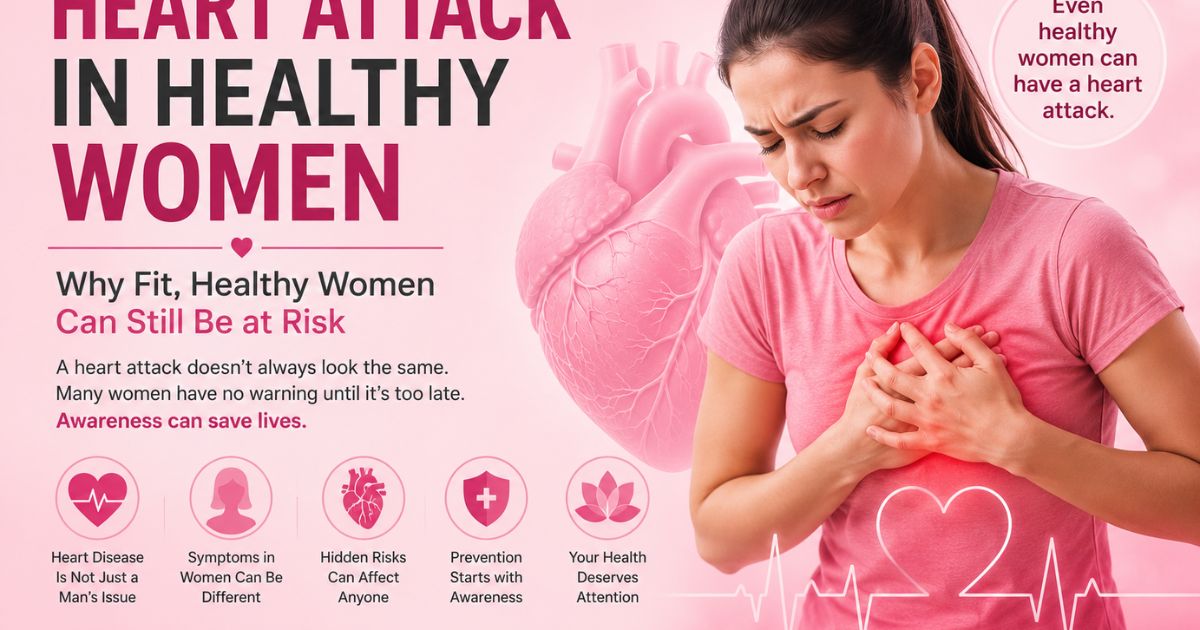
You exercise regularly. You eat well. Your weight is within a healthy range. You don't smoke. By most definitions, you're doing everything right.
So how is it possible for a seemingly healthy woman to suffer a heart attack?
It's a question that surprises many women—and one that deserves more attention.
While maintaining a healthy lifestyle significantly reduces cardiovascular risk, it does not eliminate it entirely. Certain heart conditions, hormonal influences, genetic factors, pregnancy-related changes, and less commonly recognized cardiovascular disorders can affect women who appear healthy on the surface.
Understanding these risks isn't about creating fear. It's about creating awareness.
At NexaFem, we believe preventive healthcare starts with knowledge. The more women understand their bodies, symptoms, hormones, and cardiovascular health, the better equipped they are to recognize concerns early and seek timely care.
Quick Summary (TL;DR)
A heart attack in healthy women can occur even without traditional risk factors.
Women may experience different symptoms than men, making diagnosis more challenging.
Hidden conditions such as SCAD heart condition in women can trigger heart attacks.
Hormonal changes, pregnancy, genetics, inflammation, and stress can influence cardiovascular risk.
Understanding symptoms and seeking prompt medical care can improve outcomes.
Can a Healthy Woman Really Have a Heart Attack?
Yes.
A healthy lifestyle remains one of the most effective ways to reduce heart disease risk, but it cannot completely eliminate every possible cause of a heart attack.
Some women who experience heart attacks:
Have normal cholesterol levels
Exercise regularly
Maintain a healthy body weight
Have no history of smoking
Have no diagnosed cardiovascular disease
This is why experts increasingly emphasize women's heart health awareness and individualized risk assessment rather than relying solely on traditional risk factors.
According to the World Health Organization (WHO), cardiovascular disease remains the leading cause of death worldwide, affecting women as well as men.
Source: https://www.who.int/health-topics/cardiovascular-diseases
What Causes a Heart Attack in Healthy Women?
Traditional Heart Disease Is Not the Only Cause
Most people associate heart attacks with blocked arteries caused by cholesterol plaque buildup.
While this remains a common cause, other mechanisms can affect healthy women.
These include:
Spontaneous Coronary Artery Dissection (SCAD)
Coronary artery spasms
Blood clotting disorders
Genetic conditions
Inflammatory diseases
Pregnancy-related cardiovascular changes
Microvascular disease
Understanding these possibilities is crucial because some women may not fit the "typical" heart disease profile.
What Is SCAD and Why Does It Matter?
SCAD Heart Condition in Women
One of the most important examples of a heart attack without risk factors is Spontaneous Coronary Artery Dissection (SCAD).
SCAD occurs when a tear develops within the wall of a coronary artery.
This tear can reduce blood flow to the heart muscle and cause a heart attack.
Unlike traditional heart attacks, SCAD is not usually caused by cholesterol plaque buildup.
Research has shown that SCAD disproportionately affects women, particularly younger and middle-aged women.
Some cases occur during pregnancy or the postpartum period, while others occur in women with no obvious risk factors.
Because awareness remains limited, SCAD is often considered a form of hidden heart disease in women.
Hidden Heart Disease in Women: Conditions That Often Go Unrecognized
Not all cardiovascular disease is visible during routine screenings.
Several conditions may contribute to cardiac events despite an otherwise healthy lifestyle.
Coronary Microvascular Disease
This condition affects the small blood vessels of the heart.
Symptoms may occur even when larger coronary arteries appear normal.
Coronary Artery Spasm
Temporary narrowing of coronary arteries can reduce blood flow and trigger symptoms.
Inflammatory Disorders
Autoimmune conditions and chronic inflammation may increase cardiovascular risk.
Genetic Factors
Some women inherit cardiovascular risks that lifestyle changes alone cannot completely overcome.
This is why understanding family history remains an important part of preventive healthcare.
Heart Attack Symptoms in Women
Do Women Experience Different Symptoms?
Yes.
Women often experience symptoms that differ from the classic crushing chest pain frequently described in men.
According to guidance from the NHS and CDC, women may experience a broader range of symptoms that can sometimes be mistaken for anxiety, indigestion, or fatigue.
Common Heart Attack Symptoms in Women
Chest discomfort or pressure
Shortness of breath
Pain in the jaw, neck, shoulders, or upper back
Nausea
Vomiting
Dizziness
Cold sweats
Unusual fatigue
Lightheadedness
Some women report feeling "off" for several days before a cardiac event.
Sources:
https://www.nhs.uk/conditions/heart-attack/
https://www.cdc.gov/heartdisease/women.htm
Why Hormones Matter for Heart Health
Women's cardiovascular health is closely linked to hormonal health.
Hormones influence:
Blood vessel function
Blood pressure regulation
Inflammation
Cholesterol metabolism
Stress responses
Major hormonal transitions occur during:
Puberty
Pregnancy
Postpartum recovery
Perimenopause
Menopause
This relationship highlights why hormonal intelligence should be considered part of cardiovascular prevention.
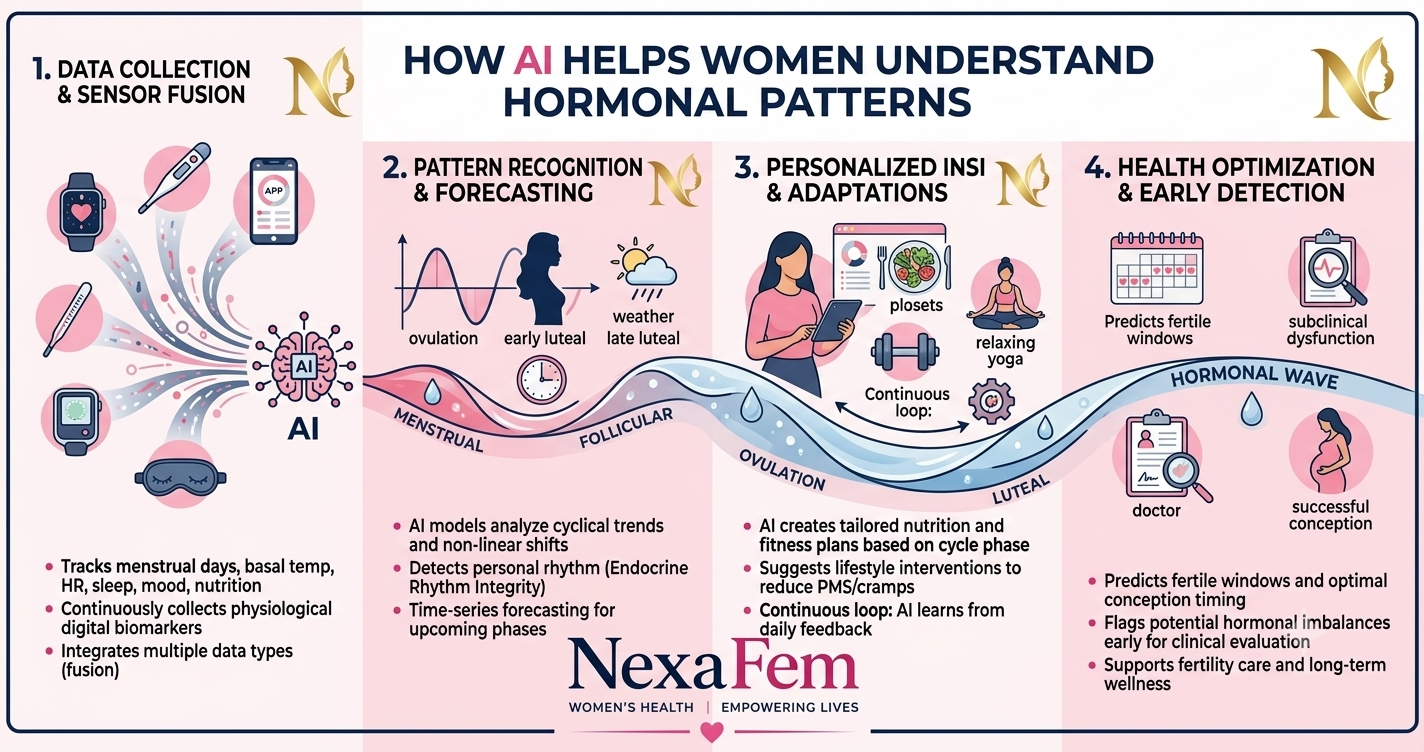
Women tracking menstrual patterns, symptoms, and hormonal changes may identify trends worth discussing with a healthcare professional.
A hormone symptom tracker can support more personalized conversations about overall health and wellbeing.
The Role of Pregnancy and Postpartum Health
Pregnancy creates significant cardiovascular demands on the body.
Blood volume increases dramatically, the heart works harder, and hormonal changes affect blood vessels.
Although most pregnancies are healthy, pregnancy-related complications can influence future cardiovascular risk.
The American College of Obstetricians and Gynecologists (ACOG) encourages ongoing cardiovascular awareness before, during, and after pregnancy.
Source:
https://www.acog.org/womens-health
Women should never dismiss severe chest pain, shortness of breath, or sudden cardiovascular symptoms during pregnancy or postpartum recovery.
Stress and Mental Health Can Influence Heart Health
Emotional wellbeing and cardiovascular health are deeply connected.
Chronic stress may contribute to:
Elevated blood pressure
Sleep disturbances
Inflammation
Changes in health behaviors
Mental health conditions do not directly cause most heart attacks, but stress can influence overall cardiovascular health.
Women often prioritize caregiving responsibilities while minimizing their own symptoms.
Recognizing emotional and physical warning signs is an important aspect of preventive healthcare.
How Is Heart Disease Diagnosed in Women?
Diagnosis typically involves a combination of:
Medical History
Family history, symptoms, lifestyle, and hormonal factors are evaluated.
Physical Examination
Healthcare providers assess cardiovascular risk factors and symptoms.
Diagnostic Testing
Depending on symptoms, tests may include:
Blood tests
Electrocardiogram (ECG)
Echocardiogram
Stress testing
Cardiac imaging
Coronary angiography
Women should advocate for further evaluation if symptoms persist despite initial reassurance.
Can Heart Attacks Be Prevented?
No prevention strategy can eliminate all risk.
However, many steps can significantly support cardiovascular health.
Lifestyle Tips
Focus on:
Regular physical activity
Nutritious eating patterns
Quality sleep
Stress management
Blood pressure monitoring
Cholesterol monitoring
Managing chronic conditions
Avoiding tobacco use
Prevention is most effective when approached proactively rather than reactively.
Using a heart health risk assessment tool and a preventive health insights dashboard may help women track risk factors and health trends over time.
Nutrition for Lifelong Heart Health
Nutrition remains one of the strongest modifiable factors influencing cardiovascular health.
A heart-supportive eating pattern typically emphasizes:
Vegetables
Fruits
Whole grains
Legumes
Nuts and seeds
Healthy fats
Lean protein sources
The goal is not perfection but consistency.
Small sustainable changes often provide greater long-term benefits than restrictive diets.
Common Mistakes Women Make
Many women unintentionally overlook cardiovascular symptoms.
Common Mistakes
Assuming symptoms are caused by stress alone
Ignoring unusual fatigue
Dismissing jaw or back pain
Believing heart attacks only affect older adults
Delaying emergency care
Assuming fitness guarantees protection
Awareness remains one of the most powerful preventive tools.
When to See a Doctor
Schedule a healthcare appointment if you experience:
Recurrent chest discomfort
Persistent shortness of breath
Exercise intolerance
Unexplained fatigue
Dizziness
Family history of cardiovascular disease
Early evaluation can help identify concerns before serious complications occur.
Red Flag Symptoms
Seek emergency medical care immediately if you experience:
Sudden chest pain
Severe chest pressure
Difficulty breathing
Fainting
Pain radiating to the arm, jaw, neck, or back
Symptoms suggestive of a heart attack
Do not attempt to self-diagnose a possible cardiac emergency.
Final Thoughts
A heart attack in healthy women may seem surprising, but it is a reality that highlights the complexity of women's cardiovascular health.
Fitness and healthy habits are incredibly valuable, but they are only part of the picture. Hormones, genetics, pregnancy-related changes, hidden cardiovascular conditions, and disorders such as SCAD heart condition in women can all influence risk.
The goal is not to become fearful of every symptom. The goal is to become informed.
Through greater women's heart health awareness, personalized health tracking, symptom intelligence, and preventive care, women can make empowered decisions that support long-term wellbeing.
At NexaFem, we believe the future of women's healthcare lies in combining medical science, AI-powered health insights, and proactive prevention—helping women understand their bodies before symptoms become crises.
Sources & References
World Health Organization (WHO)
https://www.who.int/health-topics/cardiovascular-diseases
National Health Service (NHS)
https://www.nhs.uk/conditions/heart-attack/
Centers for Disease Control and Prevention (CDC)
https://www.cdc.gov/heartdisease/women.htm
American College of Obstetricians and Gynecologists (ACOG)
https://www.acog.org/womens-health
National Institute for Health and Care Excellence (NICE)
https://www.nice.org.uk
American Heart Association
https://www.heart.org
Medical Disclaimer
This article is provided for informational and educational purposes only and should not be considered medical advice, diagnosis, or treatment. Health information evolves continuously, and individual circumstances vary. Always consult a qualified healthcare professional, cardiologist, or licensed medical provider for diagnosis, treatment, or personalized medical guidance. If you believe you may be experiencing symptoms of a heart attack or other medical emergency, seek immediate emergency medical care.
Frequently Asked Questions
Share this post
Comments (0)
No comments yet. Be the first to comment!