
How AI Is Improving Diagnosis, Hormonal Health & Personalized Care
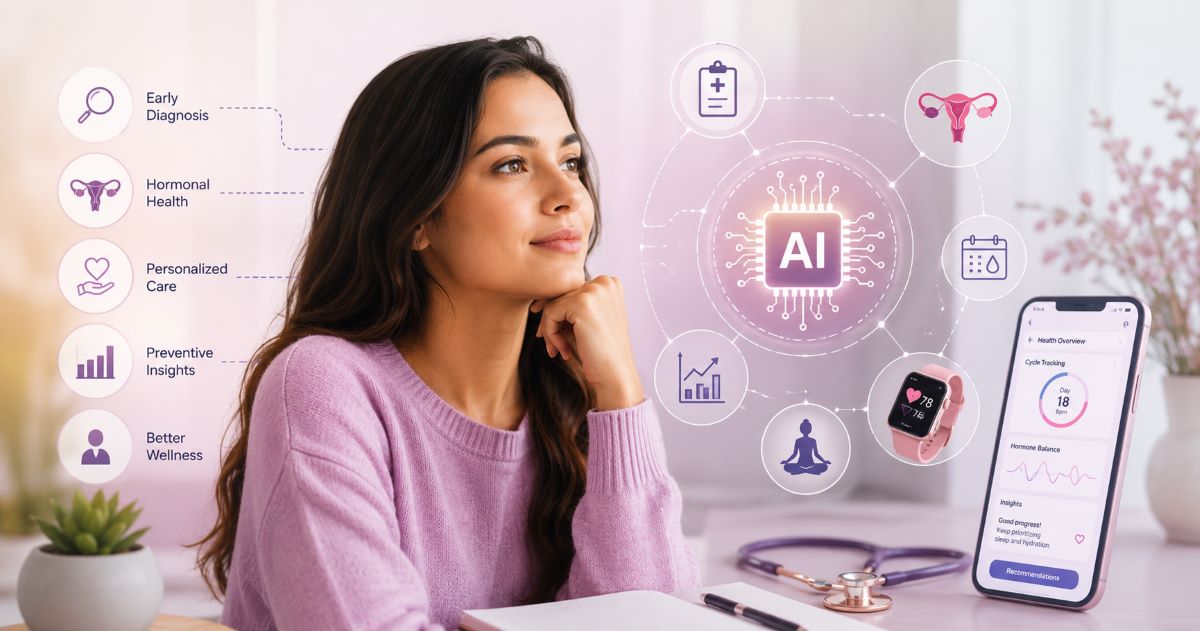
Artificial Intelligence is transforming women's healthcare by making diagnosis faster, hormonal health tracking smarter, and personalized care more accessible than ever before. From PCOS and fertility management to early disease detection and preventive wellness, AI is helping women gain deeper insights into their health and make more informed healthcare decisions.
For decades, women around the world have faced a common challenge when it comes to healthcare: being heard, understood, and accurately diagnosed.
Many women spend years searching for answers to symptoms such as irregular periods, unexplained weight gain, fatigue, hormonal acne, mood swings, fertility struggles, and chronic pain. Conditions like PCOS, endometriosis, thyroid disorders, and hormonal imbalances often go undiagnosed or misdiagnosed, leaving women frustrated and without proper treatment.
The reality is that women's bodies are complex. Hormones influence nearly every aspect of health, from metabolism and sleep to fertility, mood, and energy levels. Yet traditional healthcare systems often rely on occasional appointments and limited data points, making it difficult to capture the complete picture of a woman's health.
This is where Artificial Intelligence (AI) is creating a remarkable shift.
Instead of relying solely on isolated symptoms or infrequent checkups, AI can analyze thousands of health signals simultaneously, identify patterns invisible to the human eye, and provide insights that support earlier diagnosis and more personalized healthcare decisions.
The result is a future where healthcare becomes proactive rather than reactive—and where women are empowered with better information about their own bodies.
Why AI Is a Game-Changer for Women's Health
Healthcare generates enormous amounts of data every day. Medical records, hormone tests, menstrual cycle information, sleep patterns, nutrition habits, fitness activities, wearable device readings, and symptom logs all contribute valuable information.
Traditionally, much of this information remained disconnected.
AI changes that.
Modern AI systems can process and analyze large datasets within seconds, uncovering meaningful relationships between symptoms, lifestyle habits, hormonal fluctuations, and health outcomes.
This ability is especially important in women's healthcare because many conditions develop gradually and present differently from person to person.
Rather than looking at one symptom in isolation, AI examines the entire health picture.
This broader perspective is helping healthcare move toward earlier detection, greater accuracy, and more personalized treatment strategies.
Transforming Diagnosis Through Intelligent Pattern Recognition
One of the most exciting benefits of AI is its ability to improve diagnostic accuracy.
Many women's health conditions share overlapping symptoms. Fatigue may be linked to thyroid disease, PCOS, anemia, stress, or poor sleep. Irregular periods may result from hormonal imbalances, insulin resistance, reproductive disorders, or lifestyle factors.
Because symptoms often overlap, diagnosis can take years.
AI helps bridge this gap by recognizing patterns across multiple health indicators simultaneously.
Earlier Detection of PCOS
Polycystic Ovary Syndrome (PCOS) affects millions of women worldwide and remains one of the most commonly misunderstood hormonal conditions.
Symptoms often include:
Irregular menstrual cycles
Weight gain
Acne
Hair loss
Excess facial hair
Difficulty conceiving
Insulin resistance
Many women experience symptoms for years before receiving a diagnosis.
AI-powered health platforms can analyze cycle patterns, symptom reports, hormonal markers, and lifestyle factors to identify warning signs much earlier than traditional approaches.
Earlier recognition means earlier intervention, which can significantly improve long-term health outcomes.
Supporting Endometriosis Awareness
Endometriosis affects approximately one in ten women, yet diagnosis often takes years.
AI-driven tools are being developed to recognize symptom patterns associated with endometriosis and identify women who may benefit from further medical evaluation.
This has the potential to reduce diagnostic delays and improve quality of life for countless women.
Understanding Hormonal Health Like Never Before
Hormones are often referred to as the body's chemical messengers.
They influence:
Menstrual cycles
Fertility
Metabolism
Mood
Sleep
Skin health
Energy production
Even small hormonal changes can have a significant impact on daily life.
AI-powered health platforms are helping women understand these changes in ways that were previously impossible.
Smarter Cycle Tracking
Traditional period tracking apps simply estimate future periods based on average cycle lengths.
AI-powered platforms go much further.
They learn from individual health patterns and analyze:
Cycle history
Sleep quality
Stress levels
Activity patterns
Body temperature changes
Symptom trends
Over time, these systems become increasingly accurate and provide personalized insights that help women understand what is happening inside their bodies.
For women with irregular cycles or hormonal conditions, this level of insight can be incredibly valuable.
Personalized Healthcare Is Becoming a Reality
For years, healthcare recommendations followed a one-size-fits-all model.
Women were often given the same dietary advice, fitness recommendations, and treatment plans regardless of their unique biology or lifestyle.
AI is changing that approach.
Personalized healthcare focuses on the individual rather than the average patient.
AI systems can evaluate:
Age
Medical history
Hormonal patterns
Lifestyle habits
Nutrition
Physical activity
Sleep quality
Stress levels
Using this information, AI can generate customized recommendations tailored to each woman's specific needs.
This makes healthcare more practical, relevant, and effective.
AI-Powered Nutrition for Better Hormonal Balance
Nutrition plays a critical role in women's health.
What we eat affects:
Blood sugar levels
Hormone production
Inflammation
Energy levels
Weight management
Fertility
However, nutritional needs vary significantly between individuals.
AI-powered nutrition platforms are helping women move beyond generic diet plans by providing recommendations based on their unique health data.
These systems can analyze:
Food choices
Eating patterns
Symptom responses
Activity levels
Health goals
As more data becomes available, recommendations become increasingly personalized.
For women managing PCOS, insulin resistance, or hormonal imbalances, this level of personalization can be particularly beneficial.
The Growing Role of Wearable Technology
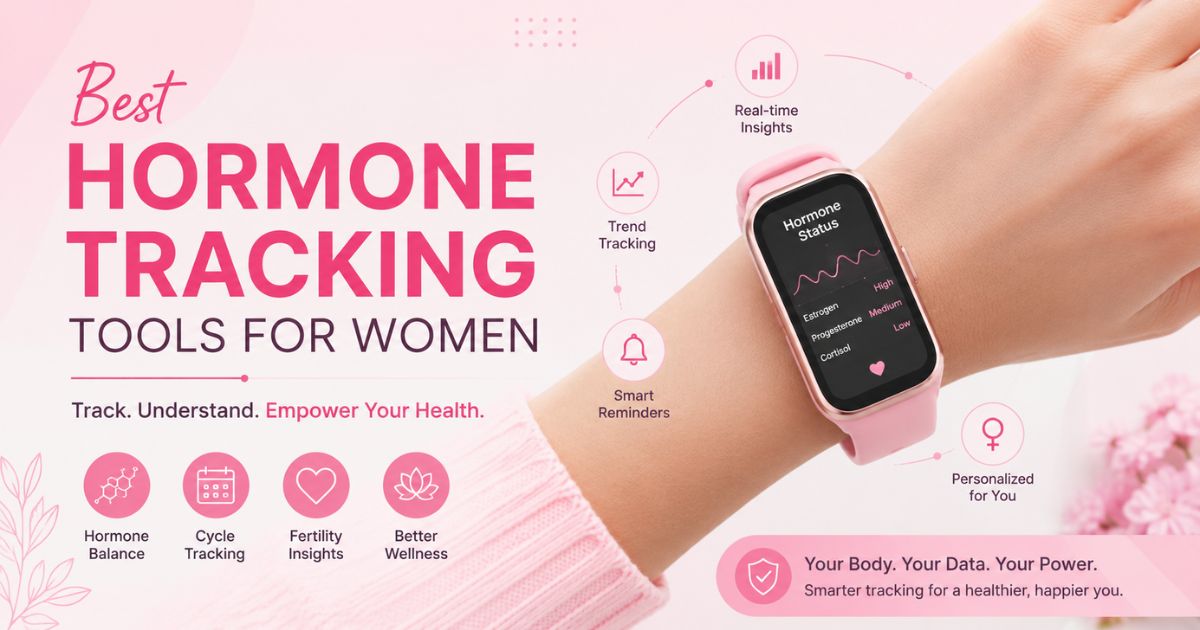
Wearable devices have become powerful health-monitoring tools.
Smartwatches, fitness trackers, and health-monitoring rings collect continuous data about the body throughout the day.
AI transforms this raw information into meaningful insights.
Sleep Monitoring
Sleep is one of the most important foundations of hormonal health.
Poor sleep can contribute to:
Weight gain
Mood changes
Hormonal imbalance
Reduced fertility
Increased stress
AI-powered wearables help women understand sleep quality and identify patterns that may be affecting overall health.
Stress and Recovery Tracking
Chronic stress can disrupt hormonal balance and negatively impact physical and mental health.
AI systems analyze heart rate variability, activity levels, and recovery patterns to provide personalized recommendations that support better stress management.
AI and the Future of Preventive Healthcare
The traditional healthcare model often focuses on treating disease after symptoms become severe.
Preventive healthcare takes a different approach.
Its goal is to identify risks early and intervene before serious health problems develop.
AI is perfectly suited for preventive care because it excels at detecting subtle warning signs.
In the future, AI may help identify:
Cardiovascular disease risks
Diabetes risk factors
Hormonal disorders
Fertility challenges
Sleep disorders
Mental health concerns
Certain cancers
Earlier detection means earlier action—and often better outcomes.
Challenges That Must Be Addressed
Despite its enormous potential, AI is not perfect.
Healthcare organizations must continue addressing important concerns such as:
Data privacy and security
Algorithm transparency
Bias in healthcare datasets
Ethical use of health information
Women should choose trusted platforms that clearly explain how personal health data is collected, stored, and protected.
Most importantly, AI should complement healthcare professionals—not replace them.
The best outcomes occur when advanced technology works alongside skilled medical experts.
Conclusion
Artificial Intelligence is transforming women's healthcare in ways that were unimaginable just a decade ago. By improving diagnosis, supporting hormonal health, delivering personalized care, and enabling earlier detection of health risks, AI is helping women gain a deeper understanding of their bodies and make more informed healthcare decisions.
From PCOS management and fertility tracking to personalized nutrition and preventive wellness, AI is creating a future where healthcare is more proactive, precise, and accessible. While technology alone cannot solve every healthcare challenge, it is providing women with something incredibly valuable: knowledge, insight, and the ability to take greater control of their health journey.
As innovation continues to advance, AI will play an increasingly important role in helping women live healthier, more informed, and more empowered lives.
Frequently Asked Questions
Share this post
Comments (0)
No comments yet. Be the first to comment!