
The Link Between PCOS and Anxiety: Understanding the Hormonal and Emotional Connection
Learn how PCOS and anxiety are connected, the role of hormones, symptoms to watch for, and evidence-based ways to support mental wellness.
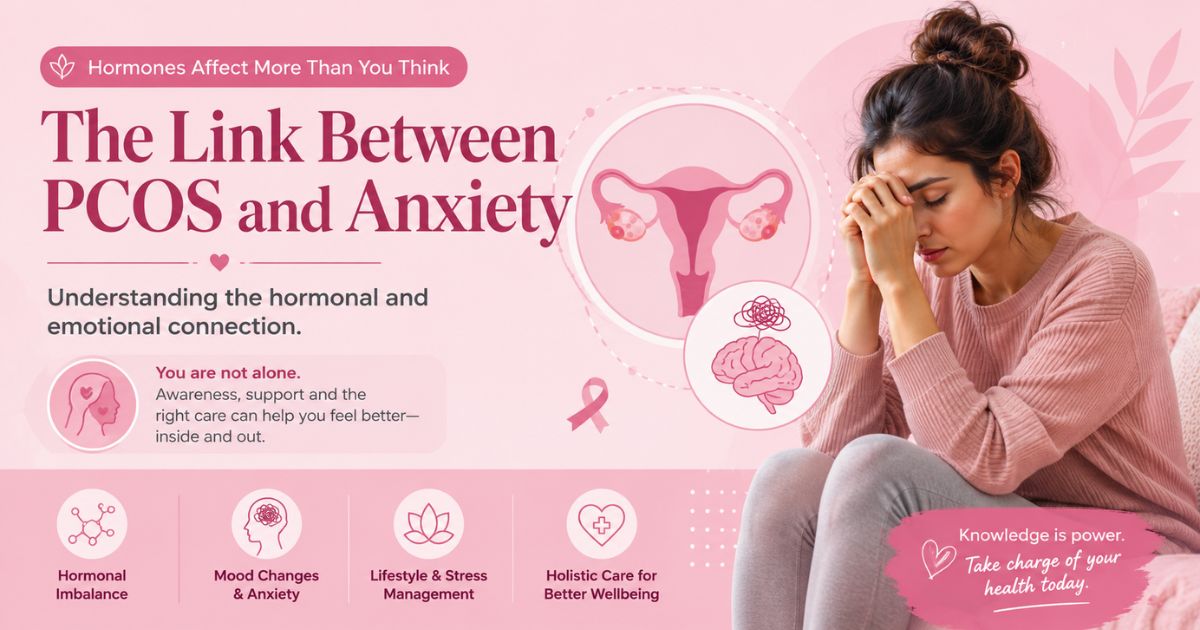
Living with PCOS can sometimes feel like you're fighting battles that nobody else can see.
You may expect symptoms such as irregular periods, acne, unwanted hair growth, or difficulty managing weight. But many women are surprised when they also experience persistent worry, mood changes, racing thoughts, irritability, or feelings of overwhelm.
If this sounds familiar, you're not alone.
Research increasingly shows that there is a significant connection between PCOS and anxiety, and the relationship is more complex than many people realize. Hormones, metabolism, inflammation, self-image, fertility concerns, and daily symptom management can all affect emotional wellbeing.
Understanding this connection is an important step toward better health—not just physically, but mentally and emotionally as well.
At NexaFem, we believe women deserve preventive, personalized health insights that recognize the whole person, not just individual symptoms.
Quick Summary (TL;DR)
Women with PCOS are more likely to experience anxiety compared to women without PCOS.
Hormonal changes, insulin resistance, inflammation, and emotional stress may all contribute to anxiety symptoms.
Common PCOS emotional symptoms include excessive worry, mood swings, irritability, and difficulty coping with stress.
Managing PCOS often requires addressing both physical and mental health.
Early recognition and preventive care can improve quality of life and overall wellbeing.
What Is PCOS?
Polycystic Ovary Syndrome (PCOS) is one of the most common hormonal disorders affecting women of reproductive age.
According to guidance from the NHS and WHO, PCOS can affect menstrual cycles, ovulation, hormone levels, metabolism, and fertility.
Common symptoms include:
Irregular or absent periods
Excess facial or body hair
Acne
Thinning hair on the scalp
Weight gain or difficulty losing weight
Fertility challenges
Insulin resistance
However, the condition extends beyond reproductive health. Many women also experience significant emotional and psychological symptoms.
Can PCOS Cause Anxiety?
Short Answer: Yes, PCOS May Increase the Risk of Anxiety
While PCOS does not directly "cause" anxiety in every woman, studies consistently show a higher prevalence of anxiety disorders and anxiety symptoms among women living with PCOS.
The connection appears to involve multiple factors, including:
Hormonal imbalance
Insulin resistance
Chronic inflammation
Sleep disturbances
Body image concerns
Fertility-related stress
Social and emotional challenges
This means anxiety is not simply "all in your head." It may be influenced by genuine biological and psychological processes associated with PCOS.
How Hormonal Imbalance and Anxiety Are Connected
The Impact of Androgen Hormones
Women with PCOS often have elevated levels of androgens, sometimes referred to as male hormones.
Higher androgen levels may contribute to:
Mood fluctuations
Increased stress sensitivity
Emotional distress
Changes in self-confidence
Symptoms such as acne, hair thinning, or unwanted facial hair can also affect emotional wellbeing and self-image.
Insulin Resistance and Brain Health
Many women with PCOS experience insulin resistance.
Emerging research suggests insulin resistance may influence neurotransmitters involved in mood regulation, including serotonin and dopamine.
This may partly explain why some women experience:
Anxiety
Low mood
Mental fatigue
Brain fog
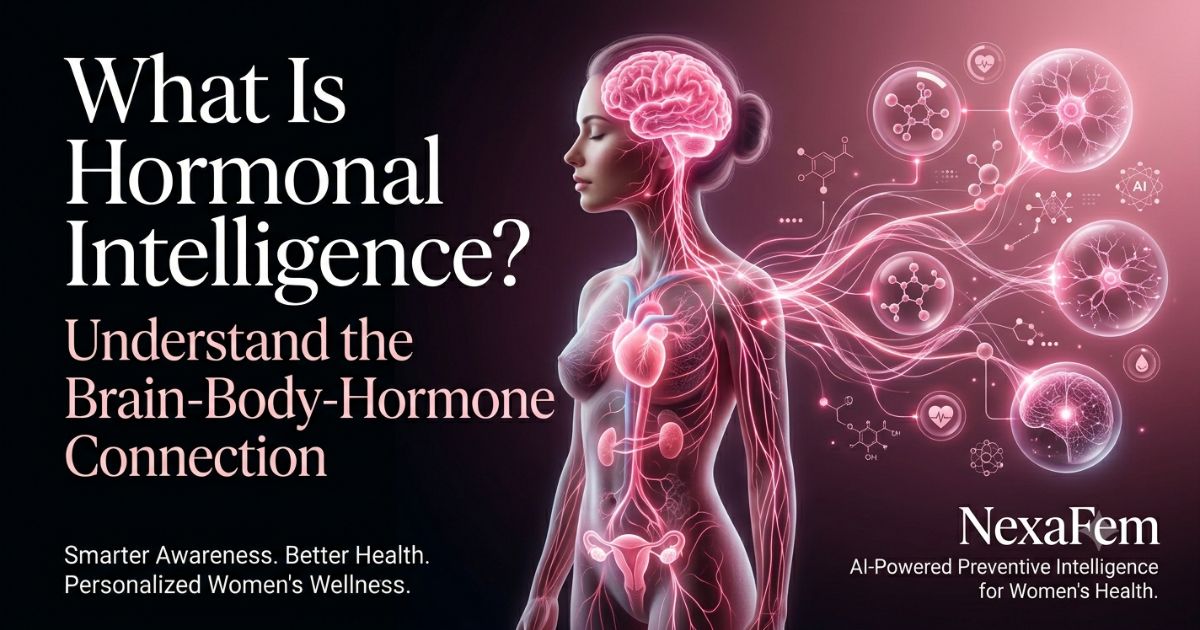
Understanding the connection between insulin resistance and women's hormones can help women recognize that emotional symptoms may be linked to underlying metabolic changes.
Chronic Inflammation
Research has identified low-grade inflammation in many women with PCOS.
Inflammation may influence brain function and has been associated with anxiety and depression in some studies.
While more research is ongoing, experts increasingly recognize that physical and mental health are deeply interconnected.
Common PCOS Emotional Symptoms
The emotional side of PCOS is often overlooked.
Some women experience:
Persistent worry
Feeling overwhelmed
Irritability
Mood swings
Difficulty relaxing
Social withdrawal
Reduced self-esteem
Increased sensitivity to stress
Sleep disturbances
Fear about future fertility
These PCOS emotional symptoms can occur even when physical symptoms appear mild.
Mini Summary
PCOS affects more than hormones and periods. Emotional wellbeing is an important part of overall health and deserves equal attention.
Why Anxiety Feels Different for Some Women With PCOS
Several unique challenges may contribute to anxiety.
Unpredictable Symptoms
Irregular cycles and changing symptoms can create uncertainty and stress.
Body Image Concerns
Weight changes, acne, and unwanted hair growth can affect confidence and self-esteem.
Fertility Worries
Women trying to conceive may experience additional emotional pressure related to ovulation and fertility.
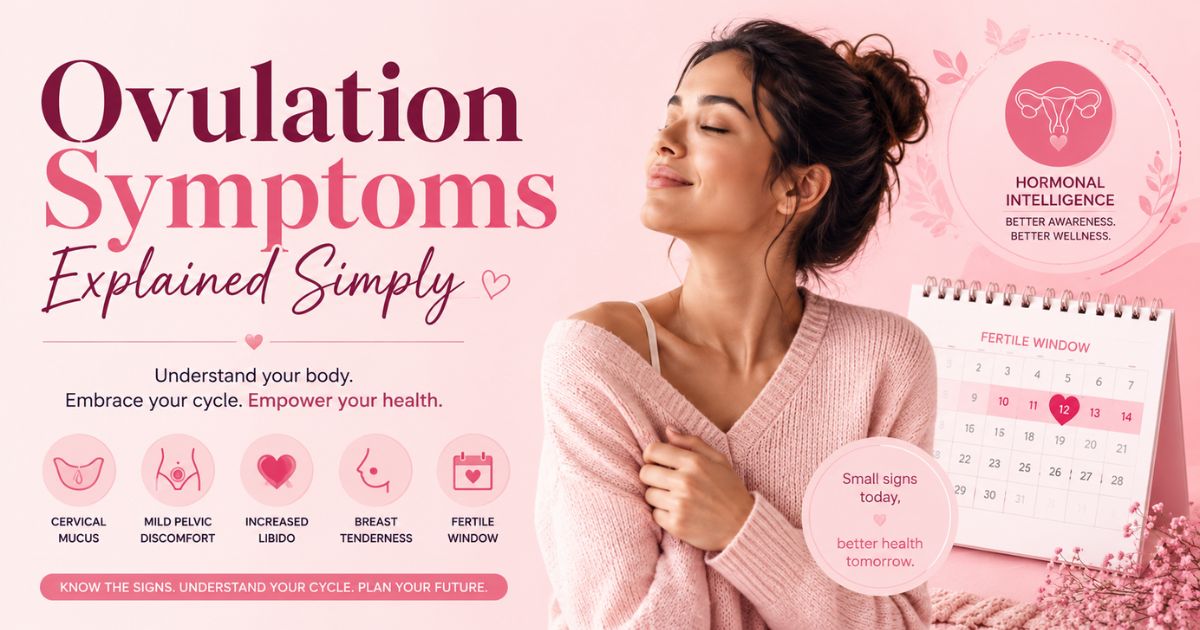
For many women, learning about fertility awareness and understanding ovulation patterns can help reduce uncertainty and support informed healthcare decisions.
Long-Term Health Concerns
Women diagnosed with PCOS may worry about:
Type 2 diabetes
Heart health
Fertility
Pregnancy complications
Long-term hormone health
These concerns can contribute to ongoing stress if not addressed with accurate medical information.
Who Is Most at Risk?
Certain factors may increase the likelihood of experiencing anxiety alongside PCOS:
Severe PCOS symptoms
Insulin resistance
Obesity
Sleep problems
Previous anxiety disorders
Depression history
Chronic stress
Fertility challenges
Poor social support
However, anxiety can affect women with any type or severity of PCOS.
How Is Anxiety Diagnosed in Women With PCOS?
Healthcare professionals typically evaluate both physical and emotional symptoms.
Assessment may include:
Medical Evaluation
Menstrual history
Hormone testing
Metabolic assessments
PCOS symptom review
Mental Health Assessment
A clinician may ask about:
Excessive worry
Sleep quality
Panic symptoms
Daily functioning
Emotional wellbeing
Organizations such as ACOG encourage a whole-person approach to women's health, recognizing the importance of mental wellbeing alongside physical health.
Lifestyle Support for PCOS and Anxiety
Lifestyle strategies cannot cure PCOS or anxiety, but they can play an important role in symptom management.
Prioritize Regular Physical Activity
Exercise may help:
Improve insulin sensitivity
Reduce stress hormones
Support mood regulation
Improve sleep quality
Aim for consistent movement that feels sustainable rather than extreme.
Improve Sleep Habits
Sleep disturbances can worsen anxiety.
Helpful habits include:
Maintaining a regular sleep schedule
Limiting screens before bed
Reducing caffeine late in the day
Creating a calming bedtime routine
Manage Stress Proactively
Stress management techniques may include:
Mindfulness practices
Deep breathing exercises
Journaling
Therapy
Social support
Women who track mood patterns alongside menstrual symptoms often gain valuable insights into their hormonal and emotional health.
Nutrition and Mental Wellness
Nutrition is an important component of managing PCOS.
A balanced eating pattern may support:
Blood sugar stability
Energy levels
Hormonal balance
Emotional wellbeing
Focus on:
High-fiber foods
Vegetables
Fruits
Lean protein
Healthy fats
Whole grains
Limiting highly processed foods may help some women improve energy and metabolic health.
Women may also benefit from using a hormone health tracker or symptom assessment tool to identify patterns between food, mood, cycles, and symptoms.
Treatment Options
Treatment depends on individual symptoms and health goals.
A healthcare professional may recommend:
PCOS Management
Lifestyle interventions
Weight management support when appropriate
Medications for insulin resistance
Hormonal treatments
Fertility treatments if needed
Anxiety Treatment
Cognitive Behavioral Therapy (CBT)
Counseling
Stress management programs
Medication when appropriate
The best outcomes often occur when physical and mental health are addressed together.
Can Anxiety Be Prevented in PCOS?
There is no guaranteed way to prevent anxiety.
However, early intervention may reduce risk.
Preventive strategies include:
Early PCOS diagnosis
Regular health checkups
Blood sugar management
Stress reduction
Adequate sleep
Physical activity
Mental health support
Preventive healthcare focuses on recognizing concerns before they become overwhelming.
This is where AI-powered symptom awareness tools and personalized wellness insights may help women identify patterns earlier and seek timely support.
When to See a Doctor
Speak with a healthcare professional if you experience:
Persistent anxiety
Panic attacks
Significant mood changes
Sleep disruption
Difficulty functioning at work or home
Ongoing emotional distress
Seeking help early can improve both physical and emotional outcomes.
Red Flag Symptoms
Seek urgent medical attention if you experience:
Thoughts of self-harm
Suicidal thoughts
Severe panic attacks
Inability to perform daily activities
Extreme emotional distress
Mental health concerns deserve prompt professional support.
Common Mistakes Women Make
Many women unintentionally delay care by:
Assuming anxiety is "just stress"
Ignoring emotional symptoms
Focusing only on physical PCOS symptoms
Avoiding mental health support
Self-diagnosing through social media
Waiting until symptoms become severe
Recognizing symptoms early can support better long-term outcomes.
Lifestyle Tips for Everyday Support
Small changes often create meaningful improvements over time.
Try to:
Prioritize sleep
Stay physically active
Eat balanced meals regularly
Build a support network
Track symptoms consistently
Schedule preventive health checkups
Seek help when symptoms affect quality of life
Progress is often gradual, and that is completely normal.
Final Thoughts
The relationship between PCOS and anxiety is real, complex, and increasingly recognized by healthcare professionals.
PCOS is not simply a reproductive condition. It can influence emotional wellbeing, self-confidence, relationships, sleep, metabolism, and overall quality of life.
If you are experiencing anxiety alongside PCOS, know that your symptoms are valid and deserving of attention. Support is available, and effective management often begins with understanding the connection between your hormones, your body, and your mental health.
At NexaFem, we believe preventive women's healthcare should empower women with deeper hormonal intelligence, earlier symptom awareness, and personalized insights that support lifelong wellbeing—not just disease management.
Sources & References
World Health Organization (WHO): https://www.who.int/news-room/fact-sheets/detail/polycystic-ovary-syndrome
NHS PCOS Guidance: https://www.nhs.uk/conditions/polycystic-ovary-syndrome-pcos/
American College of Obstetricians and Gynecologists (ACOG): https://www.acog.org
Centers for Disease Control and Prevention (CDC) PCOS Information: https://www.cdc.gov/pcos
National Institute for Health and Care Excellence (NICE): https://www.nice.org.uk
Disclaimer:
This article is for informational and educational purposes only and is not intended as medical advice, diagnosis, or treatment. Always consult a qualified healthcare professional for personalized medical guidance regarding PCOS, anxiety, or any other health concern. If you are experiencing severe symptoms or a medical emergency, seek immediate professional care.
Frequently Asked Questions
Share this post
Comments (0)
No comments yet. Be the first to comment!