
How to Use a Cycle Tracker to Predict Ovulation Accurately
Understanding your ovulation cycle can help you plan for pregnancy, avoid surprises, and gain deeper insights into your reproductive health. With the help of a cycle tracker, predicting ovulation has become easier than ever. However, accurate tracking requires more than simply logging period dates. Here's how to use a cycle tracker effectively to identify your fertile window and better understand your body
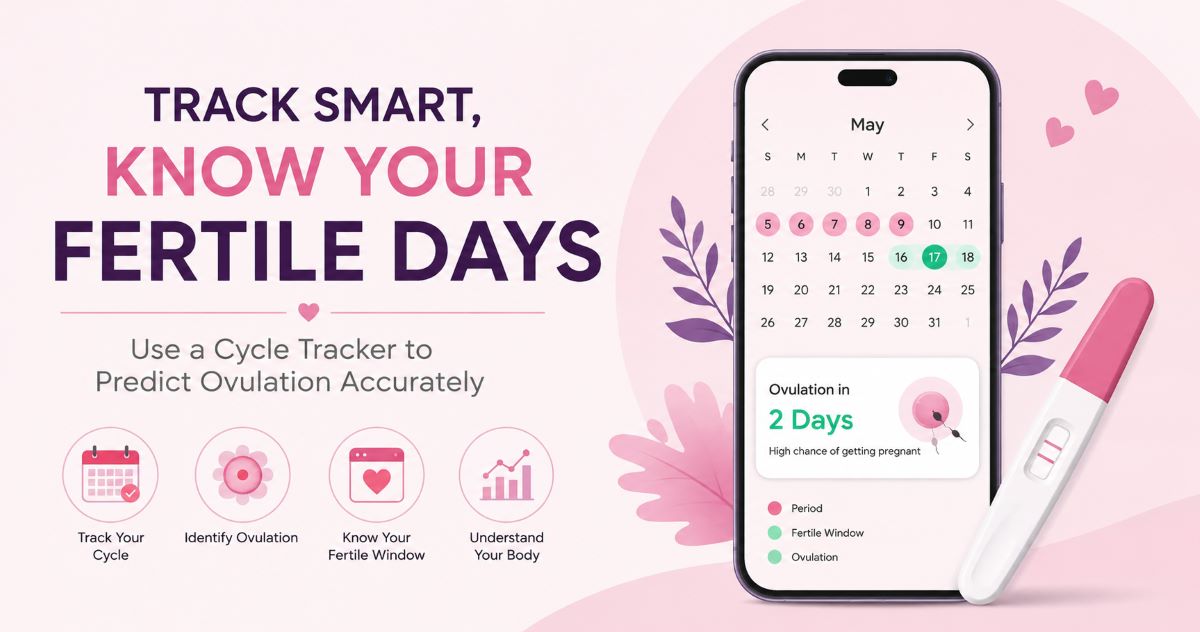
For many women, ovulation can feel like a mystery. While your period is easy to identify, ovulation happens quietly in the background and can vary from month to month. Fortunately, modern cycle-tracking apps and tools make it easier to monitor your cycle and estimate when ovulation is likely to occur.
Whether you're trying to conceive, avoid pregnancy naturally, or simply understand your reproductive health better, learning how to use a cycle tracker correctly can provide valuable insights.
What Is Ovulation?
Ovulation is the process where one of your ovaries releases a mature egg. This usually happens once during each menstrual cycle.
After the egg is released, it travels through the fallopian tube where it may be fertilized by sperm. If fertilization doesn't occur, the egg dissolves, and your body prepares for your next period.
Most women ovulate approximately 12–16 days before their next period begins, but the exact timing can vary significantly.
What Is a Cycle Tracker?
A cycle tracker is a digital tool or mobile app that records information about your menstrual cycle, including:
Period start and end dates
Cycle length
Ovulation estimates
Symptoms and mood changes
Cervical mucus changes
Basal body temperature
Fertility windows
Over time, these tools identify patterns in your cycle and generate more accurate ovulation predictions.
Step 1: Record Your Period Consistently
The foundation of accurate ovulation prediction is accurate period tracking.
Every month, log:
The first day of your period
The last day of bleeding
Spotting between periods
Changes in cycle length
The more cycles you record, the better your tracker can understand your personal patterns.
Tip:
Track at least three to six consecutive cycles for more reliable predictions.
Step 2: Understand Your Cycle Length
Many women assume everyone has a 28-day cycle, but healthy cycles can range from 21 to 35 days.
To calculate your cycle length:
Count from the first day of one period
To the day before your next period begins
For example:
Period starts on June 1
Next period starts on June 29
Your cycle length is 28 days.
Knowing your average cycle length helps the tracker estimate your ovulation date more accurately.
Step 3: Monitor Ovulation Symptoms
Cycle trackers become more accurate when you log physical symptoms associated with ovulation.
Common ovulation signs include:
Increased Cervical Mucus
You may notice clear, slippery, egg-white-like discharge.
Mild Pelvic Pain
Some women experience brief discomfort on one side of the lower abdomen.
Increased Libido
A natural rise in sexual desire often occurs during the fertile window.
Breast Tenderness
Hormonal changes around ovulation may cause temporary breast sensitivity.
Heightened Energy
Many women report feeling more energetic and confident around ovulation.
Recording these symptoms helps your tracker identify recurring fertility patterns.
Step 4: Track Basal Body Temperature (BBT)
Basal Body Temperature is your body's temperature at complete rest.
After ovulation, progesterone causes a slight increase in body temperature.
To track BBT:
Measure temperature every morning before getting out of bed
Use a digital basal thermometer
Record readings daily in your tracker
Over several months, temperature patterns can help confirm when ovulation occurred.
Step 5: Observe Cervical Mucus Changes
Cervical mucus is one of the most reliable natural fertility indicators.
Before Ovulation
Dry or sticky
Approaching Ovulation
Creamy or lotion-like
During Fertile Window
Clear
Stretchy
Slippery
Similar to raw egg whites
This fertile mucus helps sperm survive and travel more easily.
Many cycle trackers allow daily cervical mucus logging for improved predictions.
Step 6: Use Ovulation Test Kits Alongside Tracking
Ovulation predictor kits (OPKs) detect the luteinizing hormone (LH) surge that occurs before ovulation.
When combined with a cycle tracker:
The tracker estimates your fertile window
OPKs confirm that ovulation is approaching
This combination is often significantly more accurate than relying on calendar predictions alone.
Step 7: Pay Attention to Your Fertile Window
You are most fertile during:
The five days before ovulation
The day of ovulation
The day immediately after ovulation
Sperm can survive inside the reproductive tract for up to five days, making the days leading up to ovulation especially important for conception.
A good cycle tracker highlights these fertile days automatically.
Why Ovulation Predictions Are Sometimes Inaccurate
Even advanced trackers cannot predict ovulation perfectly.
Factors that can affect timing include:
Stress
Illness
Travel
Poor sleep
Significant weight changes
Hormonal imbalances
Polycystic Ovary Syndrome (PCOS)
Thyroid disorders
If your cycles are highly irregular, predictions may become less reliable.
Benefits of Tracking Ovulation
Accurate ovulation tracking can help you:
Plan Pregnancy
Identify your most fertile days and improve timing for conception.
Understand Your Health
Recognize cycle irregularities that may need medical attention.
Monitor Hormonal Patterns
Observe recurring symptoms linked to hormonal fluctuations.
Prepare for Your Period
Anticipate PMS symptoms and upcoming menstrual cycles more effectively.
Gain Confidence in Your Body
Develop a clearer understanding of how your reproductive system functions.
Common Mistakes to Avoid
Tracking Inconsistently
Missing entries can reduce prediction accuracy.
Relying Only on Calendar Dates
Cycle lengths often vary from month to month.
Ignoring Physical Symptoms
Your body's signals provide valuable fertility information.
Expecting Perfect Predictions
Ovulation estimates are guides, not guarantees.
Stopping Tracking After One Cycle
Long-term data produces more reliable results.
When to Consult a Healthcare Professional
Consider speaking with a healthcare provider if:
Your cycles are consistently shorter than 21 days or longer than 35 days
Periods are extremely irregular
You suspect you are not ovulating
You have been trying to conceive without success
You experience severe menstrual symptoms
Professional guidance can help identify underlying causes affecting ovulation.
Final Thoughts
A cycle tracker can be a powerful tool for understanding your menstrual cycle and predicting ovulation. The key to accuracy is consistency. By recording period dates, monitoring symptoms, tracking basal body temperature, and observing cervical mucus changes, you can gain a much clearer picture of your fertility patterns.
Remember that every woman's cycle is unique. The more information you provide to your tracker, the better it can help you predict ovulation and make informed decisions about your reproductive health.
Frequently Asked Questions
Share this post
Comments (0)
No comments yet. Be the first to comment!