
The Importance of Iron & Calcium for Young Women: Benefits, Foods, Daily Needs & Prevention
Learn why iron and calcium for young women are essential for energy, healthy bones, hormones, and overall wellness. Discover foods, daily needs, and prevention tips.
Growing up, many women hear that they should "eat more greens" or "drink more milk." While those suggestions have some truth behind them, they often don't explain why these nutrients matter so much—especially during adolescence, the reproductive years, pregnancy planning, and the transition into perimenopause.
If you've ever experienced persistent fatigue, dizziness, brittle nails, frequent muscle cramps, or recurring aches, your body could be signaling that it isn't getting enough iron, calcium, or both. These nutrients support far more than just healthy blood and strong bones. They influence energy production, hormone function, muscle movement, immune health, and even long-term quality of life.
Women have unique nutritional needs because of menstruation, hormonal changes, pregnancy, breastfeeding, and age-related bone loss. Paying attention to these needs early can help reduce the risk of future health concerns such as iron deficiency anemia and osteoporosis.
At NexaFem, we believe preventive healthcare begins with understanding your body before symptoms become serious. By combining evidence-based health education with AI-powered symptom awareness and personalized wellness insights, women can make informed decisions that support lifelong health.
According to guidance from the World Health Organization (WHO), iron deficiency remains one of the most common nutritional deficiencies worldwide, particularly among women of reproductive age. Likewise, organizations including the NHS, CDC, NICE, and ACOG emphasize adequate calcium intake and bone health throughout adulthood to reduce the risk of osteoporosis and fractures later in life.
Quick Summary (TL;DR)
If you're looking for the short answer, here's what every woman should know:
Iron and calcium for young women are essential for healthy blood, strong bones, muscle function, hormone balance, and energy production.
Women lose iron during menstruation, making iron deficiency more common than many people realize.
Calcium is most effective when combined with adequate vitamin D, regular physical activity, and healthy lifestyle habits.
Eating a balanced diet with foods rich in iron and calcium can help prevent deficiencies and support long-term wellness.
Early recognition of symptoms and routine health check-ups can help prevent more serious health complications.
Why Are Iron and Calcium So Important for Young Women?
Iron and calcium are two of the body's most essential minerals, yet they perform very different roles.
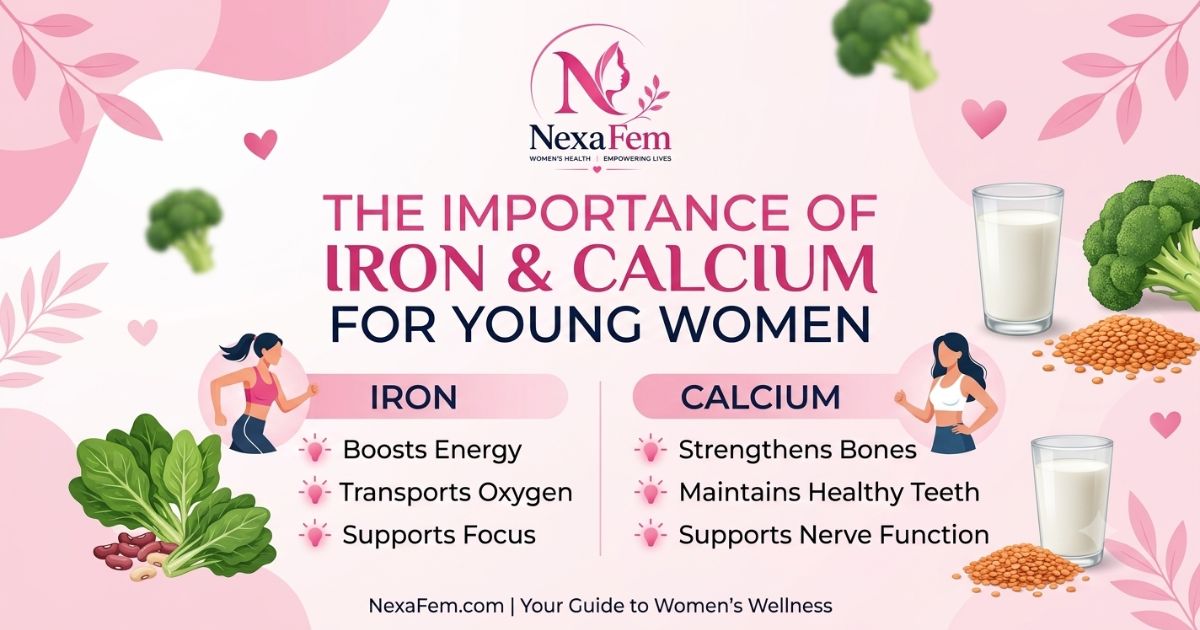
Iron helps your body produce hemoglobin, the protein inside red blood cells that carries oxygen from your lungs to every organ and tissue. Without enough iron, your body struggles to deliver oxygen efficiently, leaving you feeling tired, weak, or short of breath.
Calcium, on the other hand, forms the foundation of healthy bones and teeth. Beyond skeletal health, it also supports muscle contractions, nerve communication, blood clotting, and proper heart function.
During adolescence and early adulthood, women build most of their lifetime bone mass. If calcium intake is inadequate during these years, it becomes much harder to achieve optimal bone strength later in life.
Meanwhile, monthly menstrual blood loss increases iron requirements, making young women one of the highest-risk groups for iron deficiency.
Simply put:
Iron supports oxygen delivery and energy.
Calcium supports bone strength and muscle function.
Together, they help maintain overall health throughout every stage of a woman's life.
How Do Iron and Calcium Support Hormonal Health?
Hormones regulate nearly every system in the body, including the menstrual cycle, metabolism, mood, fertility, and bone health.
Although iron and calcium are not hormones themselves, they play supportive roles in many hormone-driven processes.
Healthy iron levels help maintain oxygen supply to hormone-producing organs and tissues. When iron stores become low, women may notice fatigue, poor concentration, reduced exercise tolerance, and worsening menstrual symptoms.
Calcium interacts closely with vitamin D and several hormones that regulate bone remodeling. Estrogen also plays an important role in protecting bone density. As estrogen levels decline with age—particularly during perimenopause and menopause—the body becomes more vulnerable to bone loss, increasing the importance of adequate calcium intake.
Women managing conditions such as PCOS or irregular menstrual cycles may also benefit from understanding how nutrition supports overall hormonal wellness. Learning more about hormonal balance, menstrual health tracking, and preventive nutrition can help build long-term resilience.
Daily Iron and Calcium Intake for Women
Nutritional needs change throughout life, making age and life stage important considerations.
Recommended Daily Iron Intake
Women aged 19–50 years: approximately 18 mg per day
Women over 50 years (after menopause): approximately 8 mg per day
Pregnancy requires significantly higher iron intake under medical supervision.
Recommended Daily Calcium Intake
Women aged 19–50 years: approximately 1,000 mg per day
Women aged 51 years and older: approximately 1,200 mg per day
These recommendations may vary depending on individual health conditions, pregnancy, dietary patterns, and guidance from a healthcare professional.
If you are unsure whether your diet meets your nutritional needs, discussing your eating habits during a routine health check-up can help identify areas for improvement. Preventive nutrition assessments can often detect potential deficiencies before symptoms become severe.
Foods Rich in Iron and Calcium
One of the best ways to meet your nutritional needs is through a balanced, varied diet.
Iron-Rich Foods
Iron is available in two forms: heme iron, found in animal-based foods, and non-heme iron, found in plant-based foods. Heme iron is generally absorbed more efficiently.
Good dietary sources include:
Lean red meat
Chicken
Fish
Eggs
Lentils
Chickpeas
Kidney beans
Soybeans
Spinach
Pumpkin seeds
Fortified breakfast cereals
Pairing plant-based iron sources with vitamin C-rich foods such as oranges, strawberries, tomatoes, bell peppers, or kiwi can improve iron absorption.
Calcium-Rich Foods
Excellent calcium sources include:
Milk
Yogurt
Cheese
Fortified plant-based milk
Tofu prepared with calcium
Sardines with bones
Salmon with edible bones
Kale
Bok choy
Broccoli
Almonds
Sesame seeds
Weight-bearing exercise and adequate vitamin D are equally important because calcium cannot be effectively absorbed without sufficient vitamin D.
For women interested in understanding how body weight may influence nutritional needs and bone health, tools such as a BMI Calculator AI can provide useful context when used alongside professional healthcare advice.
Early Signs That Your Body May Be Low in Iron or Calcium
Deficiencies often develop gradually, making early symptoms easy to overlook.
Possible Signs of Low Iron
Persistent tiredness
Weakness
Pale skin
Frequent headaches
Dizziness
Cold hands and feet
Shortness of breath during activity
Difficulty concentrating
Brittle nails
Possible Signs of Low Calcium
Muscle cramps
Tingling in the fingers
Dry skin
Brittle nails
Dental problems
Muscle spasms
Bone discomfort
Increased fracture risk over time
Many of these symptoms can have other medical causes as well. Rather than self-diagnosing, it's important to speak with a healthcare professional if symptoms persist or interfere with your daily life.
Early identification and treatment can help prevent long-term complications while supporting better energy, stronger bones, and improved overall wellbeing.
What Causes Iron and Calcium Deficiency?
Iron and calcium deficiencies rarely develop overnight. In many cases, they result from a combination of dietary habits, increased nutritional needs, underlying medical conditions, and lifestyle factors.
Understanding the root cause is just as important as treating the deficiency itself. Simply taking supplements without addressing the underlying reason may not provide lasting benefits.
Common Causes of Iron Deficiency
Iron deficiency occurs when your body loses more iron than it absorbs or needs more iron than your diet provides.
Some of the most common causes include:
Heavy menstrual bleeding
Diets low in iron-rich foods
Pregnancy and breastfeeding
Frequent blood donation
Poor absorption due to digestive conditions such as celiac disease or inflammatory bowel disease
Certain gastrointestinal bleeding disorders
Endurance sports with high physical demands
Women with heavy or prolonged menstrual periods are particularly vulnerable because monthly blood loss gradually depletes the body's iron stores.
Common Causes of Calcium Deficiency
Calcium deficiency often develops gradually over several years.
Contributing factors include:
Low intake of dairy or calcium-fortified foods
Vitamin D deficiency
Limited sunlight exposure
Sedentary lifestyle
Certain digestive disorders affecting nutrient absorption
Long-term use of some medications
Hormonal changes, particularly declining estrogen levels during perimenopause and menopause
Because the body prioritizes maintaining calcium levels in the bloodstream, it may begin drawing calcium from bones when dietary intake is insufficient. Over time, this can weaken bone strength.
Who Is Most at Risk?
Although anyone can develop nutrient deficiencies, certain groups of women have a higher risk.
These include:
Teenagers experiencing rapid growth
Women with heavy menstrual periods
Vegetarians and vegans who do not carefully plan their diets
Women who are pregnant or breastfeeding
Athletes with high training demands
Women with digestive disorders affecting nutrient absorption
Women approaching menopause
Older adults with reduced dietary intake
Women living with conditions such as PCOS or irregular menstrual cycles may also have unique nutritional considerations. Understanding your body's changing needs is an important part of preventive healthcare.
How Are Iron and Calcium Deficiencies Diagnosed?
Symptoms alone cannot confirm a deficiency. Many signs—such as fatigue, weakness, or muscle cramps—can be linked to several health conditions.
A healthcare professional may recommend a combination of medical history, physical examination, dietary assessment, and laboratory testing.
Iron Deficiency Tests
Common investigations may include:
Complete blood count (CBC)
Hemoglobin level
Serum ferritin
Transferrin saturation
Iron studies
Ferritin is particularly useful because it reflects the body's stored iron. Low ferritin levels may indicate iron depletion even before anemia develops.
Calcium Assessment
Calcium status may involve:
Blood calcium levels
Vitamin D testing
Kidney function tests
Bone mineral density (DEXA) scan for women at higher risk of osteoporosis
Routine screening recommendations vary depending on age, symptoms, medical history, and individual risk factors.
Why Bone Health Matters Throughout a Woman's Life
Many people think osteoporosis is only a concern for older adults. In reality, bone health begins much earlier.
Most women achieve their peak bone mass by around age 30. After this point, maintaining bone density becomes the priority.
If calcium intake has been inadequate during adolescence and early adulthood, there may be less bone "reserve" available later in life.
Healthy bones support:
Mobility
Balance
Posture
Muscle function
Independence as we age
According to guidance from the NHS and NICE, maintaining adequate calcium intake, staying physically active, and ensuring sufficient vitamin D can help reduce the risk of osteoporosis and fractures later in life.
Weight-bearing activities are especially beneficial because they stimulate bones to remain strong.
Examples include:
Walking
Dancing
Hiking
Tennis
Resistance training
Stair climbing
These activities become even more valuable during the years leading up to menopause when estrogen levels begin to decline.
For women interested in understanding their overall health profile, combining healthy eating with regular activity and tools such as a Calorie Calculator or BMI Calculator AI can support informed lifestyle decisions alongside professional medical advice.
Can Low Iron or Calcium Affect Mental Wellbeing?
Physical and emotional health are closely connected.
Iron deficiency may contribute to:
Fatigue
Difficulty concentrating
Reduced work or academic performance
Irritability
Lower exercise tolerance
Reduced motivation
Similarly, inadequate calcium—especially when associated with vitamin D deficiency—may affect muscle function, sleep quality, and overall wellbeing.
Although nutritional deficiencies are not the only cause of anxiety or low mood, they can sometimes make emotional symptoms feel more difficult to manage.
Looking after nutritional health is one important part of a broader approach that also includes:
Quality sleep
Stress management
Physical activity
Meaningful social connections
Professional mental health support when needed
Preventive healthcare recognizes that physical, hormonal, and emotional wellbeing are interconnected rather than separate concerns.
Lifestyle Habits That Support Healthy Iron and Calcium Levels
Small, sustainable habits often make the biggest difference over time.
Build Balanced Meals
Aim to include a source of protein, vegetables, whole grains, and healthy fats at most meals. Variety naturally increases nutrient intake.
Pair Iron with Vitamin C
Adding citrus fruits, berries, tomatoes, or bell peppers to iron-rich meals can significantly improve absorption of non-heme iron.
Avoid Drinking Tea or Coffee with Iron-Rich Meals
Tea and coffee contain compounds that may reduce iron absorption when consumed immediately before or after meals. Waiting one to two hours can help.
Stay Physically Active
Regular exercise supports bone strength, muscle health, cardiovascular fitness, and mental wellbeing.
Get Enough Vitamin D
Vitamin D helps your body absorb calcium effectively. Depending on where you live, safe sunlight exposure, diet, or supplements recommended by your healthcare provider may be necessary.
Prioritize Preventive Check-Ups
Routine health assessments can identify nutritional deficiencies before they progress into more serious conditions.
Tracking menstrual patterns, symptoms, energy levels, and nutrition over time can also help women recognize meaningful changes early. AI-powered symptom tracking tools may support these conversations by helping women organize information before discussing concerns with a healthcare professional.
Prevention: Protecting Your Health Before Problems Develop
Preventing nutrient deficiencies is generally easier than treating them after symptoms become severe.
A proactive approach includes:
Eating a balanced diet with foods rich in iron and calcium.
Staying physically active with regular weight-bearing exercise.
Maintaining healthy vitamin D levels.
Managing heavy menstrual bleeding with appropriate medical care.
Attending routine health check-ups.
Following professional advice regarding supplements if recommended.
Monitoring symptoms rather than ignoring persistent fatigue or muscle pain.
Preventive care is not about expecting illness—it is about giving your body the support it needs to stay healthy throughout every stage of life.
Treatment Overview
Treatment depends on the underlying cause and the severity of the deficiency.
For mild deficiencies, dietary improvements may be enough.
If blood tests confirm iron deficiency, a healthcare professional may recommend iron supplements while investigating why iron levels became low in the first place.
Similarly, calcium supplements may be advised for women who cannot meet their nutritional needs through diet alone or who have increased requirements. Vitamin D supplementation may also be recommended when appropriate.
It's important to remember that more is not always better. Excessive supplementation can have risks, including digestive side effects, kidney stones in some individuals, or interactions with certain medications.
Never begin long-term iron or calcium supplementation without guidance from a qualified healthcare professional.
By combining balanced nutrition, healthy lifestyle habits, regular monitoring, and early intervention when needed, most women can successfully maintain healthy iron and calcium levels and support lifelong wellness.
Common Mistakes Women Make About Iron and Calcium
Many women have heard that iron and calcium are important, but misconceptions can sometimes prevent them from getting the full benefit of these nutrients.
Assuming Fatigue Is "Normal"
Feeling tired after a busy week is common, but ongoing fatigue, dizziness, poor concentration, or shortness of breath should not be ignored. Persistent symptoms deserve medical evaluation rather than self-diagnosis.
Taking Supplements Without Testing
Iron supplements are not appropriate for everyone. Taking iron when it isn't needed can lead to side effects and, in some cases, iron overload. Blood tests can help determine whether supplementation is necessary.
Relying on Supplements Instead of Diet
Supplements can be helpful when prescribed, but they should not replace a balanced diet. Whole foods provide additional vitamins, minerals, fiber, and antioxidants that work together to support overall health.
Ignoring Vitamin D
Calcium cannot be absorbed efficiently without adequate vitamin D. Spending some time outdoors safely, eating vitamin D-rich foods, or taking supplements when recommended by a healthcare professional all play an important role.
Overlooking Heavy Menstrual Bleeding
Heavy periods are often accepted as "just part of being a woman," but excessive menstrual bleeding can significantly increase the risk of iron deficiency. If your periods are unusually heavy or interfere with daily life, speak with your healthcare provider.
Practical Lifestyle Tips for Lifelong Bone and Blood Health
Healthy habits practiced consistently over time can make a meaningful difference.
Try to:
Eat a variety of foods rich in iron and calcium every day.
Include a source of vitamin C with plant-based iron foods.
Stay physically active with regular weight-bearing and strength-training exercises.
Get enough sleep to support recovery and hormone regulation.
Stay hydrated throughout the day.
Limit smoking and excessive alcohol consumption, both of which can negatively affect bone health.
Attend routine preventive health check-ups.
Track menstrual cycles and symptoms so that changes are easier to recognize and discuss with a healthcare professional.
If you're working toward a healthier weight, understanding your nutritional needs alongside a BMI Calculator AI or Daily Calorie Calculator can support informed conversations with your healthcare team.
Red Flag Symptoms
Seek prompt medical attention if you experience:
Chest pain
Difficulty breathing
Fainting
Rapid or irregular heartbeat
Severe weakness that limits daily activities
Blood in the stool or black, tarry stools
Heavy menstrual bleeding requiring frequent pad or tampon changes
Sudden severe bone pain after a minor injury
These symptoms may indicate a condition that requires urgent medical evaluation.
When to See a Doctor
Arrange a medical appointment if you:
Feel tired for several weeks despite adequate rest.
Experience frequent dizziness or headaches.
Notice pale skin or brittle nails.
Have unusually heavy or prolonged menstrual periods.
Develop recurrent muscle cramps or tingling sensations.
Have a family history of osteoporosis.
Follow a restrictive diet and are concerned about meeting your nutritional needs.
Are pregnant, planning pregnancy, or breastfeeding and would like personalized nutritional advice.
Early assessment allows deficiencies to be identified and managed before they become more serious.
Sources & References
Disclaimer
This article is intended for informational and educational purposes only. It is not a substitute for professional medical advice, diagnosis, or treatment. Every woman's health needs are unique. If you have symptoms of iron or calcium deficiency, concerns about your nutritional status, or questions about supplements, consult a qualified physician, gynecologist, registered dietitian, or other licensed healthcare professional. Never delay seeking medical advice because of information you have read online.
Frequently Asked Questions
Share this post
Comments (0)
No comments yet. Be the first to comment!