

Menopause and Ayurveda: Lifestyle Tips for a Smooth Transition
Explore menopause and Ayurveda through practical lifestyle, nutrition, yoga, sleep and stress-management tips for a healthier transition.
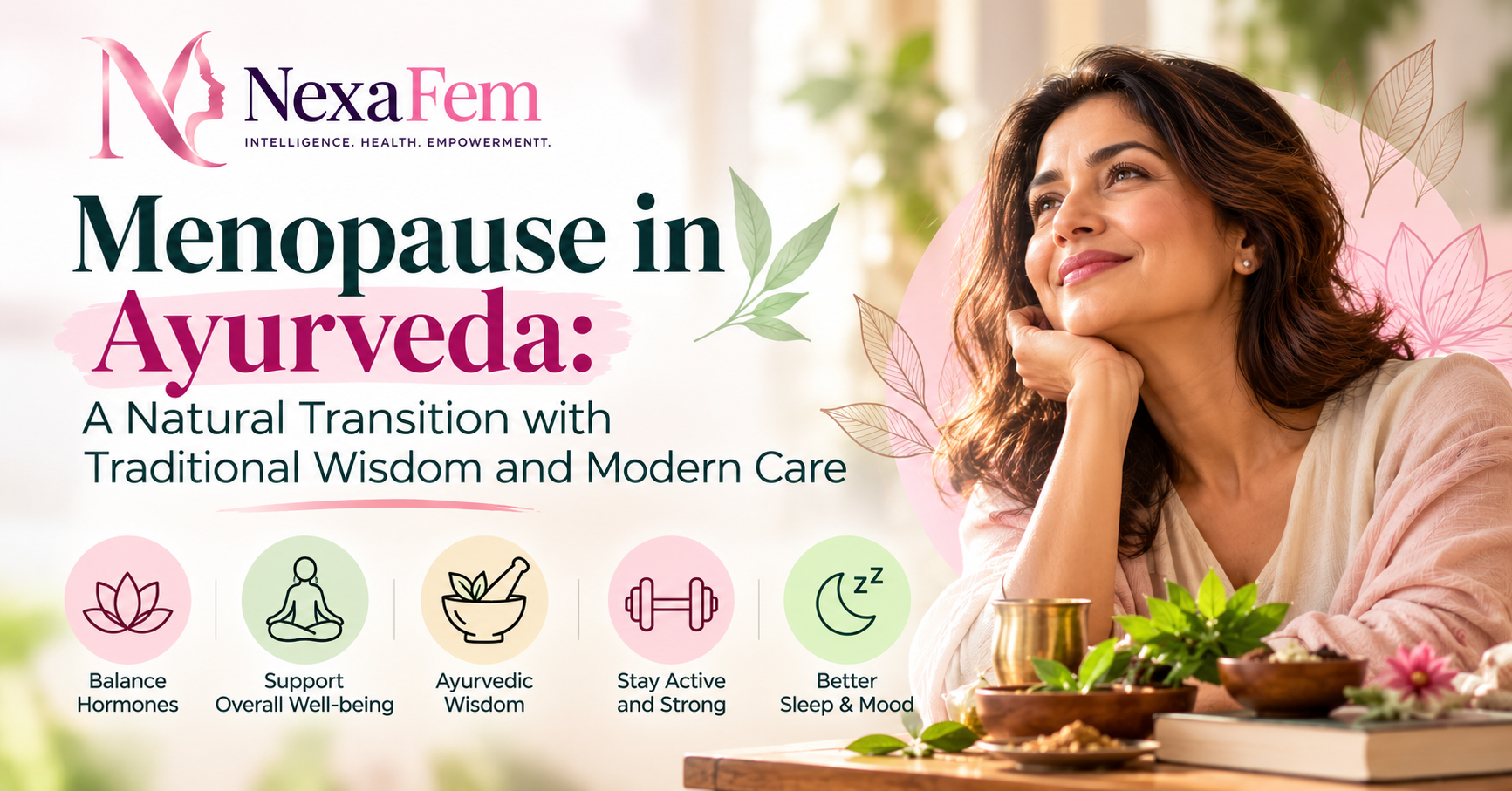
Menopause is not an illness. It is a natural stage of reproductive aging—but that does not mean every woman experiences it in the same way.
For some women, the transition is relatively quiet. For others, changing hormones can bring hot flashes, night sweats, irregular periods, sleep problems, vaginal dryness, mood changes, brain fog or changes in sexual wellbeing.
Ayurveda has its own traditional framework for understanding this stage of life. Classical Ayurvedic concepts describe the transition around the cessation of menstruation as Rajonivritti, while Ayurvedic approaches often emphasize balancing daily routine, diet, activity, rest and individualized care.
There is value in exploring these traditions. There is also a responsibility to distinguish traditional Ayurvedic knowledge from treatments that have been clinically proven.
A practical approach to menopause can therefore combine the strengths of both: Ayurvedic principles such as mindful routine, nourishing food, yoga and self-care alongside appropriate medical assessment, preventive healthcare and evidence-based treatment when symptoms are troublesome.
Quick Summary
Menopause is a natural biological transition, usually occurring around the early 50s, although the timing varies considerably.
Ayurveda traditionally views menopause as a stage of life associated with changing physiology and emphasizes individualized diet, routine, rest and lifestyle practices.
Nourishing food, regular movement, strength training, good sleep habits, yoga and stress-management techniques can support overall wellbeing during midlife.
Ayurvedic herbs may be useful in some circumstances, but evidence varies considerably and natural does not automatically mean safe.
Persistent, severe or unusual symptoms—including postmenopausal bleeding—deserve medical evaluation rather than being attributed automatically to menopause.
What Is Menopause?
Menopause is reached when a woman has gone 12 consecutive months without a menstrual period and there is no another obvious medical explanation for the absence of periods.
The years leading up to menopause are called perimenopause or the menopausal transition.
During perimenopause, ovarian hormone production becomes more variable. Periods may become shorter, longer, heavier, lighter or irregular before eventually stopping.
Common symptoms can include:
Hot flashes
Night sweats
Sleep difficulties
Mood changes
Vaginal dryness
Changes in sexual comfort
Urinary symptoms
Difficulty concentrating
Joint or muscle discomfort
Changes in menstrual patterns
Not every woman experiences all of these symptoms, and symptom severity can change over time.
The transition also matters beyond symptoms. After menopause, lower estrogen levels contribute to more rapid bone loss, while cardiovascular risk factors become increasingly important during midlife. (ACOG)
This is why menopause care should involve more than simply managing hot flashes.
Menopause and Ayurveda: What Is the Traditional Perspective?
Ayurveda traditionally describes the post-reproductive stage of life through concepts including Rajonivritti.
Rather than viewing health only through individual symptoms, Ayurveda considers factors such as:
Age and stage of life
Diet
Digestion
Sleep
Daily routine
Physical activity
Mental wellbeing
Individual constitution
Seasonal influences
Ayurvedic traditions may also discuss changes in Vata, Pitta and Kapha during different phases of life.
These are traditional Ayurvedic concepts and should not be presented as direct equivalents of modern hormones such as estrogen, progesterone or FSH.
Traditional Ayurvedic perspective
The Ayurvedic approach generally favors individualized lifestyle management rather than assuming that every woman needs the same food, herbs or routine.
What modern evidence says
Modern menopause medicine similarly recognizes that women have different symptom patterns and health risks. Current NICE guidance emphasizes individualized discussions about management options, including symptom severity, preferences, medical history and risks. (Nice)
Practical takeaway
Ayurveda can provide a useful cultural and lifestyle framework for approaching menopause, but concepts such as Dosha imbalance should not be used to diagnose or explain every symptom without appropriate clinical assessment.
1. Build a Nourishing Menopause Diet
Food becomes particularly important during midlife because nutritional needs, body composition, cardiovascular risk and bone health can change with age.
A balanced menopause diet does not need to be restrictive.
Aim for a pattern that includes:
Vegetables and fruits
Whole grains
Pulses and legumes
Nuts and seeds
Adequate protein
Calcium-rich foods
Healthy fats
Adequate fluids
For vegetarian women, protein sources may include dal, beans, chickpeas, tofu, soy foods, dairy products, nuts and seeds.
For vegetarian women, protein sources may include dal, beans, chickpeas, tofu, soy foods, dairy products, nuts and seeds.
A practical Indian approach
A menopause-friendly Indian meal might include:
Breakfast: vegetable poha with curd, or oats with nuts and fruit.
Lunch: dal, vegetables, roti or brown rice and curd.
Snack: fruit with nuts or roasted legumes.
Dinner: vegetable khichdi, dal with vegetables or another balanced meal containing protein.
There is no single "Ayurvedic menopause diet" that is appropriate for every woman.
2.Pay Attention to Bone Health
Bone health deserves particular attention after menopause.
Estrogen decline accelerates bone loss, particularly during the early postmenopausal years. This can increase osteoporosis and fracture risk. (ACOG)
What can help?
A healthy lifestyle can include:
Weight-bearing activity
Strength training
Adequate calcium
Adequate vitamin D
Sufficient protein
Avoiding smoking
Limiting alcohol
Maintaining muscle strength and balance
ACOG notes that weight-bearing exercise and strength training help maintain bone and muscle health. (ACOG)
Ayurvedic perspective
Ayurveda traditionally places importance on maintaining strength, nourishment and appropriate physical activity as women move through different life stages.
Practical takeaway
Rather than focusing exclusively on menopause symptoms, make bone and muscle preservation part of your long-term wellness plan.
3. Make Strength Training Part of Your Routine
Walking is excellent for cardiovascular and general health, but midlife is also a good time to pay attention to muscle strength.
Strength training may include:
Bodyweight exercises
Resistance bands
Light weights
Squats and modified squats
Strength-focused yoga
Supervised resistance training
The appropriate intensity depends on your fitness level and health conditions.
ACOG notes that regular exercise benefits cardiovascular health, while weight-bearing and strength exercises can help maintain bone strength. (ACOG)
Ayurvedic connection
The Ayurvedic emphasis on maintaining an appropriate daily routine can be adapted to modern exercise habits.
The goal is not exhausting the body.
It is consistent, sustainable movement.
4. Try Yoga for Movement, Relaxation and Body Awareness
Yoga is one of the most natural bridges between traditional Indian wellness and modern menopause care.
It may help with:
Flexibility
Mobility
Stress management
Body awareness
Sleep
General physical wellbeing
Research on yoga and menopause has shown promising results, although its effects may be comparable to those of other forms of exercise rather than uniquely superior. NCCIH describes evidence suggesting yoga may reduce some menopause symptoms, while emphasizing that research remains limited. (NCCIH)
A gentle routine might include
Cat-cow movements
Child's pose
Supported bridge
Gentle spinal movements
Seated breathing
Relaxation at the end of practice
Women with osteoporosis, significant joint problems, dizziness or other health conditions should adapt exercise with appropriate professional guidance.
5. Use Meditation and Breathing to Manage Stress
Menopause can coincide with major life changes: caring for aging parents, supporting children, career responsibilities, relationship changes and shifting personal priorities.
Stress does not cause menopause, but it can make certain symptoms harder to manage.
A simple breathing or meditation practice can create a few minutes of intentional recovery during the day.
Try:
5 minutes of slow breathing
Sit comfortably, relax your shoulders and breathe gently without forcing the breath.
The aim is not to "control hormones."
It is to create a calming routine that may support relaxation and emotional wellbeing.
NCCIH reports that mindfulness and other mind-body practices have shown some promise for menopause symptoms, although evidence varies by intervention. (NCCIH)
6. Protect Your Sleep
Sleep problems are common during the menopausal transition.
Night sweats can wake you, while anxiety, changing routines, hot flashes or other factors can also interfere with sleep.
Good sleep habits include:
Keeping a reasonably consistent sleep schedule
Keeping the bedroom comfortable and cool
Limiting caffeine late in the day
Getting regular daytime movement
Creating a relaxing evening routine
Avoiding excessive screen exposure immediately before bed
If night sweats or hot flashes repeatedly disrupt sleep, don't assume that you simply have to live with them.
NICE's updated menopause guidance includes menopause-specific cognitive behavioral therapy as an option for sleep problems associated with vasomotor symptoms, alongside other appropriate treatment choices. (Nice)
Practical takeaway
If you are considering ashwagandha, discuss the specific product with a qualified healthcare professional or qualified Ayurveda practitioner, particularly if you take medication or have a thyroid, autoimmune, liver or other chronic condition.
Practical takeaway
If you are considering ashwagandha, discuss the specific product with a qualified healthcare professional or qualified Ayurveda practitioner, particularly if you take medication or have a thyroid, autoimmune, liver or other chronic condition.
8. Be Careful With "Natural Menopause Remedies"
The word natural can create a false sense of security.
Supplements can:
Interact with medicines
Cause allergic reactions
Affect the liver
Contain inconsistent amounts of active ingredients
Be contaminated or incorrectly labeled
Have insufficient long-term safety data
NCCIH specifically cautions that dietary supplements may have side effects, interact with medications and have uncertain long-term safety. (NCCIH)
This is especially important for women taking medicines for:
Thyroid disorders
Diabetes
Blood pressure
Cholesterol
Depression or anxiety
Blood clotting
Autoimmune conditions
Never stop prescribed treatment to begin an Ayurvedic supplement.
9. Manage Hot Flashes Without Blaming Yourself
Hot flashes can be one of the most frustrating menopause symptoms.
A woman may suddenly feel intense warmth, begin sweating and then feel chilled afterward.
Potential lifestyle strategies include:
Dressing in layers
Keeping the bedroom cool
Identifying personal triggers
Limiting excessive alcohol if it worsens symptoms
Avoiding smoking
Maintaining regular physical activity
Practicing relaxation techniques
If hot flashes are frequent or significantly affecting sleep, work or quality of life, speak with a healthcare professional.
Hormone therapy is one medical option for appropriate candidates, while non-hormonal treatments are also available. The choice depends on symptoms, age, health history and individual risks and preferences. (NCCIH)
10. Menopause and Vaginal Health
Lower estrogen after menopause can contribute to vaginal dryness, irritation, discomfort during sex and urinary symptoms.
These symptoms are common, but they should not be dismissed as something a woman simply has to tolerate.
Non-hormonal vaginal moisturizers and lubricants may help some women. ACOG notes that these products can be used for vaginal dryness and painful intercourse. (ACOG)
If symptoms persist, a healthcare professional can discuss additional options.
Ayurvedic oils or herbal products should not automatically be applied internally simply because they are described as natural.
11. Dinacharya: Creating a Sustainable Daily Routine
Dinacharya is the Ayurvedic concept of daily routine.
For modern menopause care, it can be interpreted without turning it into a rigid schedule.
A practical daily rhythm might look like:
Morning:
Wake at a consistent time, hydrate, move your body and eat a nourishing breakfast.
Daytime:
Work, socialize, eat balanced meals and take movement breaks.
Evening:
Reduce stimulation, complete a calming activity and prepare for sleep.
Night:
Maintain a comfortable sleep environment and aim for consistent sleep opportunities.
The purpose is not perfection.
It is to make healthy behavior easier to repeat.
12. Ritucharya: Seasonal Self-Care During Midlife
Ayurveda's Ritucharya refers to adapting lifestyle and diet according to seasonal changes.
A modern interpretation might mean:
Staying hydrated during hot Indian summers
Choosing comfortable physical activity during extreme weather
Maintaining adequate nutrition during monsoon or winter
Adjusting sleep and outdoor routines according to temperature and daylight
Seasonal Ayurveda can be a useful cultural wellness practice, but it should never override evidence-based advice about hydration, nutrition, medication or medical conditions.
13. Preventive Healthcare Becomes More Important
Menopause is also a useful point to review long-term health.
Discuss appropriate screening and risk assessment with your healthcare professional, including areas such as:
Blood pressure
Lipid profile
Blood glucose or diabetes risk
Bone health
Cervical cancer screening
Breast cancer screening
Colorectal cancer screening where appropriate
Mental health
Cardiovascular risk
Weight and muscle health
The exact screening schedule depends on age, personal history, family history and local recommendations.
Menopause should therefore be viewed not only as a symptom-management phase but also as an opportunity to invest in healthy aging.
13. Preventive Healthcare Becomes More Important
Menopause is also a useful point to review long-term health.
Discuss appropriate screening and risk assessment with your healthcare professional, including areas such as:
Blood pressure
Lipid profile
Blood glucose or diabetes risk
Bone health
Cervical cancer screening
Breast cancer screening
Colorectal cancer screening where appropriate
Mental health
Cardiovascular risk
Weight and muscle health
The exact screening schedule depends on age, personal history, family history and local recommendations.
Menopause should therefore be viewed not only as a symptom-management phase but also as an opportunity to invest in healthy aging.
When Should You See a Doctor?
Some symptoms should not automatically be attributed to menopause.
Speak with a healthcare professional if symptoms are persistent, severe or affecting your daily life.
Seek medical assessment for:
Very heavy or prolonged bleeding
Bleeding after menopause
New or unexplained pelvic pain
Persistent depression or severe anxiety
Unexplained weight loss
Recurrent palpitations
Significant sleep disruption
Recurrent urinary symptoms
Severe or unusual headaches
New breast changes
Symptoms of osteoporosis or a fracture
Any vaginal bleeding after menopause deserves medical evaluation.
The purpose is not to create fear. It is to make sure potentially important conditions are not overlooked.
A Simple Ayurveda-Inspired Menopause Wellness Routine
You don't need to completely redesign your life.
Start with a few sustainable habits:
Eat nourishing, balanced meals.
Move every day, combining walking with strength and flexibility work.
Practice yoga or mindful breathing if you enjoy it.
Protect your sleep routine.
Stay socially connected.
Monitor your bone and cardiovascular health.
Treat persistent symptoms rather than simply tolerating them.
Discuss Ayurvedic herbs before using concentrated supplements.
Adapt your routine to your own health rather than following a rigid online protocol.
The most useful Ayurvedic principle may be the simplest one: care should be individualized.
A Smoother Menopausal Transition Is About More Than Symptoms
Menopause is a biological transition, but the experience is deeply personal.
For one woman, the biggest challenge may be hot flashes. For another, it may be poor sleep, changing periods, anxiety, vaginal discomfort or concerns about bone health.
Ayurveda offers a traditional Indian framework that can encourage attention to food, routine, movement, rest and mental wellbeing. Modern medicine provides evidence-based options for symptoms and preventive healthcare.
These approaches do not have to be treated as opposing philosophies.
The goal should be informed, safe and individualized care.
You do not have to fight your changing body, nor do you have to simply tolerate symptoms that are affecting your quality of life.
Menopause can be a transition into a different stage of health—one where caring for your bones, heart, muscles, sleep, emotional wellbeing and overall health becomes increasingly important.
Health Disclaimer
This article is provided for informational and educational purposes only and is not a substitute for individualized medical advice, diagnosis or treatment.
Ayurvedic concepts, herbs and traditional practices discussed in this article should not be interpreted as guaranteed treatments for menopause or as replacements for prescribed medical care. Evidence varies considerably between individual herbs, formulations and practices.
If you are considering an Ayurvedic medicine or supplement, discuss it with your healthcare professional and, where appropriate, a qualified Ayurveda practitioner, particularly if you take prescription medicines or have a history of thyroid disease, autoimmune disease, liver disease, cardiovascular disease, cancer or other chronic conditions.
Do not stop, reduce or replace prescribed medication because of information in this article.
Women experiencing postmenopausal bleeding, severe or persistent symptoms, unexplained weight loss, significant pelvic pain, concerning breast changes or other unusual symptoms should seek appropriate medical evaluation.
“Natural” does not automatically mean safe, and herbal products may have side effects, interactions or variable quality. (NCCIH)
Sources & References
NICE — Menopause: Identification and Management, NG23
Updated recommendations include guidance on menopause-associated symptoms, CBT, sleep and HRT.
NICE Menopause Guideline (Nice)ACOG — The Menopause Years
Information on menopause, bone health, cardiovascular health, nutrition and exercise.
ACOG: The Menopause Years (ACOG)NCCIH — Menopausal Symptoms: In Depth
Evidence and safety information concerning complementary approaches, herbs, yoga and mind-body practices.
NCCIH: Menopausal Symptoms (NCCIH)NCCIH — Ashwagandha: Usefulness and Safety
Current information on evidence, adverse effects and potential interactions.
NCCIH: Ashwagandha (NCCIH)NCCIH — Black Cohosh: Usefulness and Safety
Included as an example of why evidence and safety need to be evaluated separately for herbal products.
NCCIH: Black Cohosh (NCCIH)PubMed — Ashwagandha and perimenopausal symptoms, randomized controlled trial
Gopal et al., 2021.
PubMed study (PubMed)PubMed — Ashwagandha and menopause symptoms, randomized controlled trial
Vani et al., 2025/2026 publication record.
PubMed study (PubMed)PubMed — Ashwagandha and Shatavari in postmenopausal women
Pingali et al., Journal of Menopausal Medicine, 2025.
PubMed study (PubMed)PubMed — Hormonal Modulation with Withania somnifera: Systematic Review and Meta-analysis
Fornalik et al., 2026.
PubMed systematic review (PubMed)
Frequently Asked Questions
Share this post
Comments (0)
No comments yet. Be the first to comment!