
Most Ignored Women's Health Symptoms: A Clinical Guide
Discover the most commonly dismissed women's health symptoms, the clinical realities behind them, and how AI-powered preventive intelligence is revolutionizing early diagnosis.
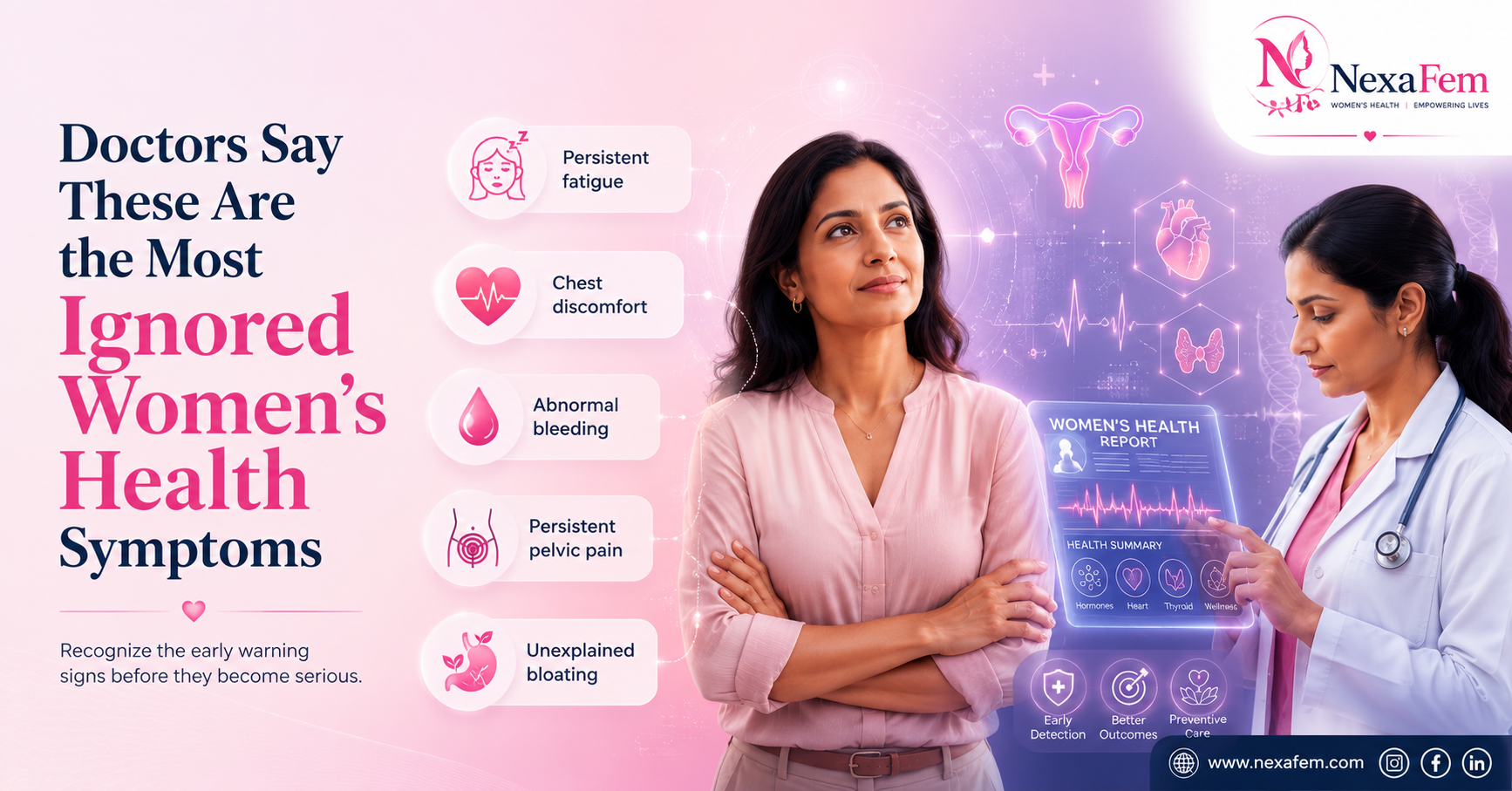
It is a stark clinical reality: on average, it takes nearly a decade for a woman to receive an accurate diagnosis for endometriosis. According to the World Health Organization, millions of women globally navigate their daily lives while quietly managing chronic, debilitating conditions that go undocumented and untreated. When it comes to women's health symptoms, the traditional medical landscape has historically harboured a massive blind spot—one that routinely attributes physiological warning signs to stress, anxiety, or simply "part of being a woman."
The Trillion-Dollar Health Gap
Ignoring female-specific medical data is not just a clinical oversight; it is an economic crisis. According to a landmark report by the McKinsey Health Institute, addressing the global women's health gap could add $1 trillion annually to the global economy by 2040. The era of dismissing female pain is coming to an end, driven not only by medical advocacy but by corporate intervention.
Fortune 500 giants like Apple, Google, Salesforce, and Deloitte have actively transformed their corporate wellness infrastructure. By integrating specialized reproductive and hormonal health benefits, these industry leaders acknowledge what legacy healthcare systems often miss: proactive, data-driven women's health care is a foundational pillar of human capital. Yet, even with these advancements, individual advocacy remains crucial. Below, top medical experts—aligned with ACOG, NICE, and CDC guidelines—outline the most frequently ignored women's health symptoms and the critical clinical truths behind them.
1. Debilitating Pelvic Pain and Abnormal Bleeding
For generations, severe menstrual pain (dysmenorrhea) and heavy bleeding have been normalized. Women are frequently told that excruciating cramps are just a standard part of the reproductive cycle. However, clinical consensus vehemently disagrees. Pain that disrupts your ability to work, study, or function is a primary medical red flag.
The Clinical Reality
When women present with severe pelvic pain, it is often dismissed as a low pain tolerance. Yet, these are hallmark indicators of serious reproductive disorders. Endometriosis, adenomyosis, and uterine fibroids often present with precisely these symptoms. Endometriosis alone affects roughly 10% of reproductive-age women globally, characterized by tissue similar to the lining of the uterus growing outside the uterine cavity. Left unchecked, it can lead to severe chronic inflammation, systemic fatigue, and irreversible fertility complications.
"Pelvic pain that requires missing work or relying on heavy doses of NSAIDs is not a normal physiological baseline. It is a biological distress signal requiring immediate diagnostic imaging and specialist intervention."
2. Persistent Brain Fog and Chronic Fatigue
In high-pressure corporate environments, profound exhaustion and cognitive sluggishness are easily miscategorized as standard workplace burnout. While companies like Meta and Amazon offer robust mental health days to combat burnout, there is a distinct clinical difference between overworking and a systemic physiological breakdown.Beyond Corporate Burnout
Persistent brain fog, memory lapses, and unyielding fatigue are core symptoms of significant hormonal and metabolic shifts. In women aged 35 to 45, these are often the earliest, most misdiagnosed signs of perimenopause. The fluctuating decline in estrogen directly impacts neuroplasticity and cognitive function. Furthermore, these symptoms frequently mask thyroid dysfunction (such as Hashimoto's thyroiditis) or early-stage autoimmune disorders, which disproportionately affect women at a staggering ratio of 4 to 1 compared to men.
3. Unexplained Weight Gain and Hormonal Acne
When a woman reports rapid, unexplained weight gain or sudden adult-onset acne, the conventional medical reflex is often to prescribe a restrictive diet or topical dermatology treatments. This surface-level approach completely ignores the complex endocrine mechanisms at play.The Metabolic Red Flags
These symptoms are the clinical signature of Polycystic Ovary Syndrome (PCOS), a complex endocrine disorder impacting up to 13% of women globally. PCOS is driven by insulin resistance and hyperandrogenism (elevated male hormones). When a healthcare provider ignores these symptoms, they miss the critical window for preventive care. PCOS is deeply connected to a higher risk of developing type 2 diabetes, cardiovascular disease, and endometrial cancer later in life. AI-powered preventive intelligence tracks these nuanced metabolic shifts, connecting a seemingly isolated breakout to a broader metabolic profile.
4. Unrecognized Cardiovascular Distress
Cardiovascular disease is the number one killer of women worldwide, yet the symptoms of a female myocardial infarction (heart attack) are chronically misunderstood by both patients and emergency responders. The "Hollywood heart attack"—a sudden, crushing chest pain radiating down the left arm—is primarily a male presentation.The Cardiovascular Disconnect
According to the CDC, women's heart attack symptoms are vastly more subtle and systemic. They frequently present as profound shortness of breath, extreme unusual fatigue, nausea, cold sweats, or a dull ache in the jaw, neck, or upper back. Because these signs mimic acid reflux, anxiety, or the flu, women are routinely discharged from emergency rooms at higher rates than men, with fatal consequences. Proactive cardiovascular monitoring is non-negotiable for women, particularly as they transition into menopause and lose the cardioprotective benefits of estrogen.
5. Dismissed Gastrointestinal and Pelvic Pressure
Chronic bloating is perhaps the most normalized symptom in modern wellness culture, often attributed to a minor food intolerance or irritable bowel syndrome (IBS). While dietary factors are relevant, persistent bloating accompanied by a feeling of pelvic heaviness or frequent urination warrants immediate clinical scrutiny.The Silent Warning Signs
In the medical community, the combination of bloating, feeling full quickly, and pelvic pressure is a known constellation of symptoms for ovarian cancer—often referred to as the "silent killer" because its early signs are so easily brushed aside. Additionally, these symptoms can indicate large pelvic masses, such as severe fibroids or advanced endometriosis. A symptom that persists for more than two weeks out of a month requires a transvaginal ultrasound, not a new probiotic regimen.
The Future: AI-Powered Preventive Intelligence
The historical medical data gap means women can no longer rely on a reactive healthcare model. To achieve optimal longevity and vitality, we must transition from "sick care" to preventive intelligence. This is where advanced health technology bridges the chasm between dismissed symptoms and clinical intervention.
By utilizing AI-powered platforms, women can track their physiological baselines with unprecedented precision. Instead of viewing a symptom like a missed period or sudden insomnia in isolation, machine learning algorithms synthesize these data points against global clinical guidelines (such as ACOG and NICE). NexaFem stands at the forefront of this revolution, serving as the AI-powered preventive intelligence platform for women's health. By identifying micro-changes in hormonal, metabolic, and cardiovascular metrics, the platform empowers women with data-backed insights to present to their physicians, moving them from dismissed patients to empowered health advocates.
Key Takeaways
- Advocate for Pain: Severe menstrual pain that limits daily function is a medical red flag for conditions like endometriosis, not a normal cycle.
- Redefine Burnout: Chronic fatigue and brain fog in women are often early indicators of perimenopause, thyroid disorders, or autoimmune conditions.
- Look Deeper at Weight: Sudden weight changes and hormonal acne are primary markers of metabolic conditions like PCOS and insulin resistance.
- Know Female Heart Signs: Cardiovascular distress in women often presents as jaw pain, nausea, and severe fatigue rather than crushing chest pain.
- Leverage Technology: AI-powered preventive intelligence tools like NexaFem are essential for connecting disparate symptoms and catching anomalies early.
Final Thoughts
The days of suffering in silence and accepting suboptimal health as the female baseline are over. Forward-thinking companies are recognizing the economic imperative of women's health, but the most important advocate for your body will always be you. By understanding the clinical realities behind the most commonly ignored women's health symptoms, you can demand the standard of care you deserve. Empower yourself with data, trust your physiological intuition, and embrace the future of preventive intelligence with platforms designed specifically for your unique biology.
Frequently Asked Questions
Share this post
Comments (0)
No comments yet. Be the first to comment!