
Ovulation Symptoms Explained Simply: Signs Your Body Is Fertile
Learn the most common ovulation symptoms, fertile window signs, ovulation discharge changes, and when to seek medical advice.
Many women wonder whether they are ovulating, especially when trying to conceive, avoiding pregnancy naturally, or simply wanting to understand their bodies better.
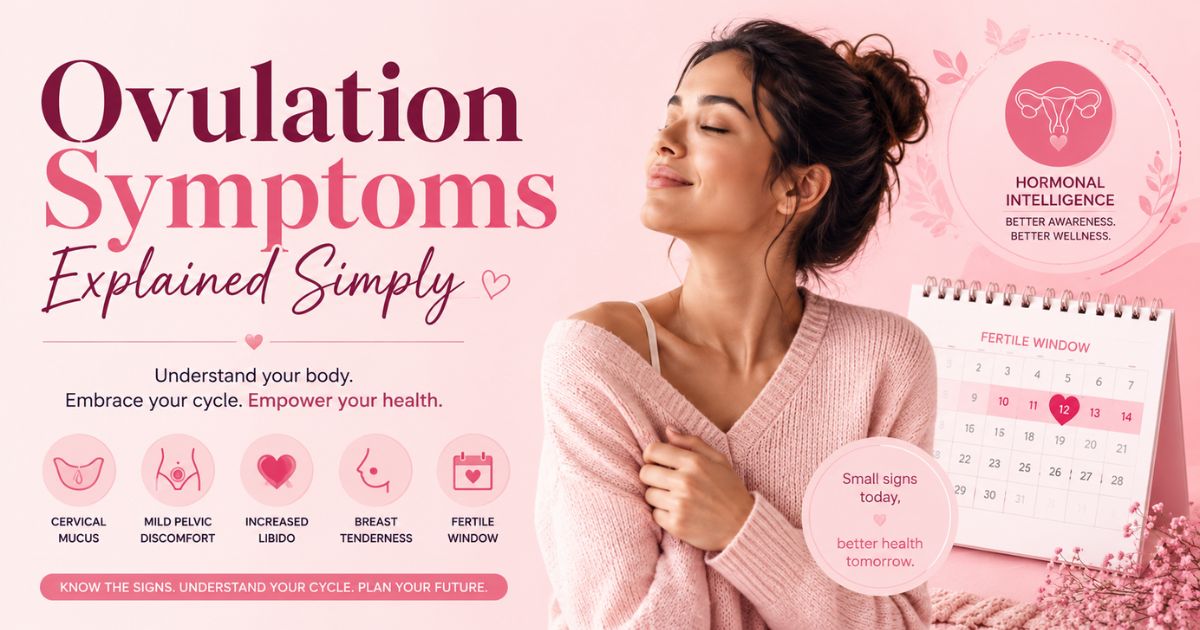
You may notice subtle changes such as clear stretchy discharge, mild pelvic discomfort, increased libido, or breast tenderness. These signs can feel confusing if no one has ever explained what they mean.
The good news is that your body often provides clues when ovulation is approaching. Learning to recognize these signals can help you better understand your menstrual cycle, fertility, and overall hormonal health.
At NexaFem, we believe that understanding your body's natural rhythms is a powerful form of preventive healthcare. Ovulation awareness is not only about fertility—it is also an important indicator of hormonal wellness.
Quick Summary (TL;DR)
Ovulation symptoms are physical and hormonal changes that occur when an ovary releases an egg.
Common signs include ovulation discharge, mild pelvic pain, breast tenderness, bloating, and increased sex drive.
The fertile window usually includes the five days before ovulation and the day ovulation occurs.
Clear, slippery, egg-white cervical mucus is often one of the strongest fertile window symptoms.
Severe pain, abnormal bleeding, or persistent cycle irregularities should be discussed with a healthcare professional.
What Is Ovulation?
Ovulation is the process in which a mature egg is released from one of the ovaries. The egg then travels through the fallopian tube, where fertilization can occur if sperm is present.
In a typical 28-day cycle, ovulation often occurs around day 14. However, many healthy women ovulate earlier or later depending on cycle length and hormonal fluctuations. According to guidance from the NHS and fertility awareness recommendations from ACOG, ovulation timing varies significantly between individuals. (NHS)
The egg survives for approximately 12–24 hours after release, while sperm can survive in the reproductive tract for up to five days. This creates the fertile window. (Cleveland Clinic)
What Are Ovulation Symptoms?
Ovulation symptoms are changes caused by shifts in estrogen, luteinizing hormone (LH), and progesterone during the middle of the menstrual cycle.
Not every woman experiences all symptoms. Some may notice several signs, while others experience very few.
Common Symptoms of Ovulation Day
The most frequently reported symptoms include:
Clear, stretchy cervical mucus
Mild pelvic pain or cramping
Increased sex drive
Breast tenderness
Mild bloating
Heightened sense of smell
Increased energy
Slight changes in mood
Subtle rise in basal body temperature after ovulation
These symptoms occur because hormone levels peak around ovulation. (The Fertility Foundation)
What Does Ovulation Discharge Look Like?
One of the easiest ovulation symptoms to observe is a change in cervical mucus.
Ovulation Discharge Characteristics
As ovulation approaches, discharge often becomes:
Clear
Slippery
Stretchy
Wet
Similar to raw egg whites
This type of mucus helps sperm move more easily toward the egg and is considered a sign of peak fertility. (Cleveland Clinic)
Before Ovulation
Discharge may appear:
Dry
Sticky
Thick
Creamy
During the Fertile Window
Discharge typically becomes:
Abundant
Watery
Elastic
Transparent
After Ovulation
Progesterone rises, causing mucus to become:
Thicker
Less noticeable
Sticky or dry
These changes are part of a normal menstrual cycle. (Cleveland Clinic)
What Are the Most Common Fertile Window Symptoms?
Many women search for fertile window symptoms because they want to know when pregnancy is most likely.
Common fertile window signs include:
Increased Cervical Mucus
The most reliable natural sign for many women is increased slippery discharge. Fertility awareness methods commonly use this change to identify fertile days. (ACOG)
Mild Ovulation Pain
Some women experience a brief ache or cramp on one side of the lower abdomen. This is known as "mittelschmerz."
The discomfort is usually mild and temporary.
Increased Libido
Research and clinical observations suggest that sexual desire may naturally increase around ovulation due to hormonal changes. (Health)
Breast Tenderness
Fluctuating estrogen and progesterone levels can make breasts feel more sensitive.
Bloating
Hormonal shifts may cause mild water retention and abdominal fullness.
People Also Ask: How Do I Know If I Am Ovulating?
There is no single symptom that confirms ovulation with complete certainty.
The best approach is to look for a combination of signs:
Egg-white cervical mucus
Ovulation predictor kit results
Cycle tracking
Basal body temperature tracking
Mid-cycle symptoms
Using multiple methods generally provides greater accuracy than relying on one symptom alone. (NHS)
Women looking for more personalized cycle insights may benefit from a menstrual cycle tracking tool or an ovulation prediction calculator that combines symptom data with cycle patterns.
What Causes Ovulation Symptoms?
Ovulation symptoms are primarily caused by hormonal changes.
Estrogen Rise
Before ovulation, estrogen levels increase.
This rise:
Stimulates fertile cervical mucus
Supports egg maturation
May increase energy levels
Luteinizing Hormone (LH) Surge
The LH surge triggers the release of the egg.
Ovulation predictor kits detect this hormonal surge.
Progesterone Increase
After ovulation, progesterone rises.
This hormone:
Increases basal body temperature
Changes cervical mucus
Prepares the uterus for potential pregnancy
Can You Have Ovulation Without Symptoms?
Yes.
Some women ovulate regularly without noticing obvious signs.
Others may experience symptoms only occasionally.
A lack of noticeable symptoms does not necessarily indicate a fertility problem.
However, if you consistently have irregular periods, absent periods, or concerns about ovulation, discussing this with a healthcare professional is important.
Risk Factors for Irregular Ovulation
Certain factors can affect ovulation and make symptoms less predictable.
These include:
Polycystic ovary syndrome (PCOS)
Thyroid disorders
Significant stress
Excessive exercise
Underweight or overweight status
Perimenopause
Certain medications
Women experiencing irregular cycles may benefit from learning about the early signs of PCOS women often miss and understanding how hormonal conditions affect fertility.
How Is Ovulation Diagnosed?
Healthcare providers may use:
Medical History
Reviewing:
Cycle length
Symptom patterns
Fertility goals
Ovulation Predictor Kits
These detect LH surges before ovulation.
Blood Tests
Hormone testing may assess:
LH
FSH
Progesterone
Thyroid hormones
Ultrasound
Ultrasound can help evaluate ovarian activity and follicle development when needed.
Hormonal Health and Mental Wellness
Hormones influence more than fertility.
They can affect:
Mood
Sleep
Energy
Concentration
Emotional well-being
Some women notice:
Increased confidence before ovulation
Mood shifts around hormonal transitions
Anxiety related to cycle unpredictability
Developing greater menstrual intelligence can help women understand these patterns and reduce uncertainty.
Tracking symptoms over time often reveals trends that feel less random and more manageable.
Nutrition and Lifestyle Support for Healthy Ovulation
While nutrition cannot guarantee ovulation, healthy habits support hormonal balance.
Focus on Nutrient-Dense Foods
Include:
Fruits and vegetables
Whole grains
Lean proteins
Healthy fats
Omega-3-rich foods
Support Blood Sugar Balance
Stable blood sugar may help support hormonal health, particularly for women with insulin resistance or PCOS.
Prioritize Sleep
Poor sleep can affect hormonal regulation and menstrual health.
Manage Stress
Chronic stress may contribute to cycle irregularities in some women.
Stay Physically Active
Moderate movement supports overall reproductive wellness.
Women interested in fertility optimization may also find value in learning about the best foods to support fertility naturally and the relationship between insulin resistance and women's hormones.
Common Mistakes Women Make
Many women misunderstand ovulation signs.
Common mistakes include:
Assuming Ovulation Happens on Day 14
Cycle length varies widely.
Relying on One Symptom Alone
Cervical mucus by itself does not always confirm ovulation.
Ignoring Cycle Changes
Sudden changes may indicate hormonal issues worth discussing with a clinician.
Assuming Irregular Periods Are Normal
Occasional variation is common, but persistent irregularity deserves evaluation.
When to See a Doctor
Consider medical advice if you experience:
No periods for several months
Consistently irregular cycles
Difficulty conceiving after appropriate attempts
Severe ovulation pain
Heavy abnormal bleeding
Symptoms suggestive of PCOS or thyroid disease
Early evaluation can help identify underlying issues before they become more significant concerns.
Red Flag Symptoms
Seek prompt medical attention if you experience:
Sudden severe pelvic pain
Fever with pelvic pain
Fainting
Heavy bleeding
Persistent abdominal swelling
Severe pain during intercourse
These symptoms may indicate conditions beyond normal ovulation.
Final Thoughts
Understanding ovulation symptoms can help you build a stronger connection with your body's natural rhythms.
Whether your goal is fertility awareness, pregnancy planning, or simply understanding your cycle, recognizing changes such as ovulation discharge, fertile window symptoms, and symptoms of ovulation day can provide valuable insight into your reproductive health.
At NexaFem, we believe that preventive healthcare begins with awareness. By combining symptom tracking, hormonal intelligence, and personalized wellness insights, women can make more informed decisions about their health long before problems arise.
The more you understand your cycle, the better equipped you are to recognize what is normal for your body—and when it may be time to seek support.
Sources & References
Disclaimer
This article is intended for informational and educational purposes only and should not be considered medical advice, diagnosis, or treatment. Health information can vary from person to person, and symptoms may have multiple causes. Always consult a qualified healthcare professional, gynecologist, or fertility specialist regarding any medical concerns, persistent symptoms, diagnosis, or treatment decisions related to your reproductive health. NexaFem does not replace professional medical care.
Frequently Asked Questions
Share this post
Comments (0)
No comments yet. Be the first to comment!