
Can Perimenopause Increase Heart Attack Risk? Understanding the SCAD Connection
Learn how perimenopause may affect heart health, increase cardiovascular risk, and what women should know about SCAD symptoms and prevention.
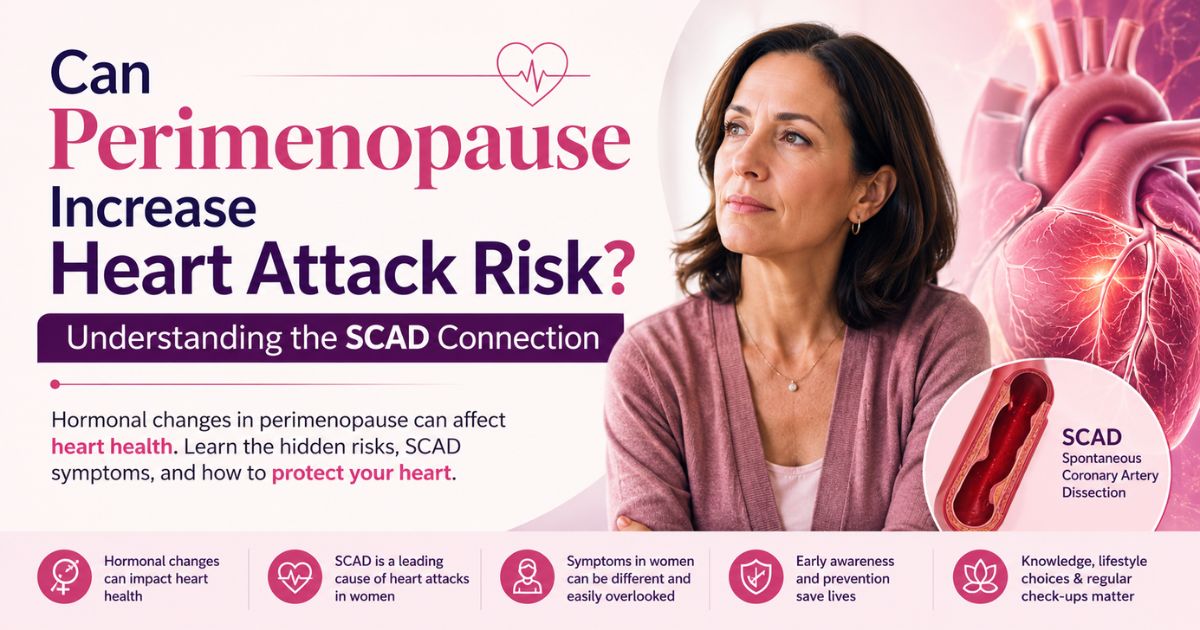
Many women enter perimenopause expecting hot flashes, irregular periods, mood changes, or sleep disturbances. What often comes as a surprise is that this hormonal transition may also affect heart health.
If you've recently experienced heart palpitations, unexplained fatigue, chest discomfort, anxiety-like symptoms, or changes in blood pressure during perimenopause, you may have wondered whether your hormones could be influencing your cardiovascular system.
The answer is more complex than a simple yes or no.
While perimenopause itself does not directly cause heart attacks, growing research suggests that hormonal shifts during this stage may contribute to changes in cardiovascular health. In some women, these changes may overlap with lesser-known heart conditions such as Spontaneous Coronary Artery Dissection (SCAD), an important cause of heart attacks in otherwise healthy women.
Understanding the connection between perimenopause and heart attack risk can help women recognize symptoms earlier, seek timely care, and take proactive steps to protect long-term health.
Quick Summary (TL;DR)
Perimenopause is associated with changes in estrogen levels that may affect cardiovascular health.
Estrogen decline can influence cholesterol, blood vessel function, blood pressure, and inflammation.
SCAD (Spontaneous Coronary Artery Dissection) is a rare but important cause of heart attacks in women.
Women may experience heart attack symptoms differently than men, making early recognition essential.
Lifestyle changes, preventive screenings, and symptom awareness can help support heart health during perimenopause.
What Is Perimenopause?
Perimenopause is the transitional stage leading up to menopause. It often begins in a woman's 40s, although some women notice changes earlier.
During this time, ovarian hormone production becomes less predictable. Estrogen and progesterone levels fluctuate significantly before eventually declining.
Common symptoms include:
Irregular menstrual cycles
Hot flashes
Night sweats
Sleep disturbances
Mood changes
Brain fog
Fatigue
Heart palpitations
These hormonal fluctuations affect far more than reproductive health. They also influence blood vessels, metabolism, inflammation, and cardiovascular function.
Can Perimenopause Increase Heart Attack Risk?
Short Answer
Yes, perimenopause may contribute to increased cardiovascular risk because hormonal changes affect multiple systems involved in heart health.
According to the CDC, women face a higher risk of coronary heart disease after menopause due in part to hormonal changes.
Recent cardiovascular research also suggests that heart health markers may begin worsening during perimenopause itself, before menopause is fully reached.
Why Does Risk Increase?
Several factors contribute:
Estrogen Decline and Heart Health
Estrogen helps support cardiovascular function by:
Promoting healthy blood vessel flexibility
Supporting favorable cholesterol levels
Helping regulate inflammation
Assisting blood sugar regulation
Supporting healthy blood flow
As estrogen levels fluctuate and decline, women may experience:
Rising LDL ("bad") cholesterol
Reduced HDL ("good") cholesterol
Increased blood pressure
Greater insulin resistance
Increased abdominal fat accumulation
These changes can gradually increase cardiovascular risk.
Changes in Blood Vessel Function
Healthy blood vessels expand and contract efficiently.
Hormonal changes may reduce this flexibility, making arteries more vulnerable to injury and dysfunction over time.
Increased Inflammation
Some researchers believe hormonal fluctuations can contribute to inflammatory processes that may affect cardiovascular health, particularly in women who already have underlying risk factors.
What Is SCAD?
Definition
Spontaneous Coronary Artery Dissection (SCAD) occurs when a tear develops within the wall of a coronary artery.
This tear can restrict blood flow to the heart muscle and trigger a heart attack. Unlike traditional heart attacks caused by cholesterol plaque buildup, SCAD involves a structural problem within the artery wall itself.
Why Is SCAD Important for Women?
SCAD affects women far more frequently than men.
The American Heart Association notes that the majority of SCAD patients are women, many of whom have few or no traditional heart disease risk factors.
Because these women often appear healthy and active, symptoms may be dismissed or mistaken for anxiety, stress, indigestion, or menopause-related discomfort.
Is There a Connection Between Perimenopause and SCAD?
Researchers are still studying the relationship between hormonal transitions and SCAD.
Although no direct cause-and-effect relationship has been definitively proven, hormonal influences are believed to play a role in arterial health.
Potential contributing factors include:
Hormonal fluctuations
Changes in blood vessel structure
Increased vascular stress
Underlying connective tissue conditions
Elevated blood pressure
Emotional or physical stress
Some SCAD cases have been reported in women during periods of significant hormonal change, including pregnancy, postpartum recovery, and menopause-related transitions.
More research is still needed to fully understand this relationship.
SCAD Symptoms in Women
SCAD symptoms can resemble those of a traditional heart attack.
Common symptoms include:
Chest pain or pressure
Shortness of breath
Pain in the jaw, neck, shoulder, or back
Nausea
Dizziness
Sweating
Extreme fatigue
Rapid heartbeat
Women may experience subtler symptoms than men, making recognition more difficult.
Female Heart Attack Risk Factors During Perimenopause
While hormonal changes are important, they are only one piece of the puzzle.
Additional risk factors include:
High blood pressure
Diabetes
High cholesterol
Smoking
Obesity
Physical inactivity
Chronic stress
Family history of cardiovascular disease
Autoimmune conditions
Pregnancy-related complications
Early menopause
The CDC identifies these factors as important contributors to heart disease risk.
How Is SCAD Diagnosed?
Diagnosis often requires emergency evaluation.
Healthcare professionals may use:
Electrocardiogram (ECG)
Blood tests
Coronary angiography
CT coronary imaging
Echocardiography
Because SCAD can mimic traditional heart attacks, specialized cardiovascular assessment is often necessary.
Treatment Overview
Treatment depends on the severity of the dissection and the patient's condition.
Possible approaches include:
Careful monitoring
Medications
Blood pressure management
Cardiac rehabilitation
Percutaneous coronary intervention (PCI) in selected cases
Surgery in severe situations
Treatment plans should always be individualized by a cardiology team.
Lifestyle Support for Heart Health During Perimenopause
While no lifestyle approach can completely prevent SCAD, healthy habits can support overall cardiovascular health.
Prioritize Heart-Healthy Nutrition
Focus on:
Fruits and vegetables
Whole grains
Beans and legumes
Nuts and seeds
Healthy fats
Lean protein sources
Limiting highly processed foods, excess sodium, and trans fats may also help support cardiovascular wellness.
Women interested in improving their nutritional habits may benefit from a personalized hormone-supportive nutrition assessment.
Stay Physically Active
Regular movement can help:
Improve circulation
Support blood pressure control
Improve insulin sensitivity
Reduce stress
Support weight management
Aim for at least 150 minutes of moderate activity weekly unless otherwise advised by your healthcare provider.
Manage Stress
Stress can influence both hormonal balance and cardiovascular health.
Helpful strategies include:
Mindfulness
Yoga
Walking
Breathing exercises
Therapy
Adequate sleep
Women experiencing persistent anxiety or mood changes may also find value in exploring the connection between perimenopause, stress, and emotional wellbeing.
Mental Wellness and Cardiovascular Health
The emotional effects of perimenopause are often underestimated.
Sleep disruption, anxiety, depression, caregiving responsibilities, and workplace stress can all influence cardiovascular health indirectly.
Supporting mental wellness is not separate from heart health—it is part of it.
Building sustainable routines, social support, and emotional resilience can be powerful components of preventive healthcare.
Common Mistakes Women Make
Many women unintentionally delay care because they:
Assume symptoms are "just hormones"
Ignore unusual fatigue
Attribute chest discomfort to stress
Delay cardiovascular screenings
Focus only on reproductive symptoms
Heart health deserves attention during every stage of hormonal transition.
Red Flag Symptoms
Seek immediate medical attention if you experience:
Sudden chest pain
Severe shortness of breath
Fainting
Pain spreading to the jaw, arm, neck, or back
Sudden dizziness
Unexplained sweating
Symptoms that feel significantly different from usual menopause symptoms
When to See a Doctor
Schedule a medical evaluation if you experience:
New heart palpitations
Elevated blood pressure
Frequent dizziness
Unusual fatigue
Persistent chest discomfort
Strong family history of heart disease
Multiple cardiovascular risk factors
Early evaluation may help identify concerns before they become serious.
Lifestyle Tips for Protecting Your Heart During Perimenopause
Know your blood pressure numbers.
Monitor cholesterol regularly.
Maintain a healthy weight.
Prioritize sleep quality.
Stop smoking if applicable.
Stay physically active.
Manage stress proactively.
Track symptoms using a hormone and health tracking tool.
Schedule preventive wellness checkups.
Discuss cardiovascular screening with your healthcare provider.
Final Thoughts
Perimenopause is often discussed as a reproductive transition, but it is also an important cardiovascular transition.
The connection between perimenopause and heart attack risk highlights the importance of looking beyond hot flashes and irregular periods. Hormonal changes influence the entire body, including the heart and blood vessels.
While SCAD remains relatively uncommon, it serves as a powerful reminder that heart disease does not always look the same in women.
Awareness, prevention, and early intervention matter.
At NexaFem, we believe women deserve personalized, preventive health intelligence that helps them understand their bodies before small concerns become larger problems. By combining symptom awareness, hormonal intelligence, and evidence-based education, women can make more informed decisions about their long-term health and wellbeing.
Sources & References
World Health Organization (WHO): https://www.who.int/news-room/fact-sheets/detail/cardiovascular-diseases-(cvds)
CDC – About Women and Heart Disease: https://www.cdc.gov/heart-disease/about/women-and-heart-disease.html
CDC – Heart Disease Risk Factors: https://www.cdc.gov/heart-disease/risk-factors/index.html
American Heart Association – Spontaneous Coronary Artery Dissection (SCAD): https://www.heart.org/en/health-topics/heart-attack/about-heart-attacks/coronary-artery-dissection-not-just-a-heart-attack
Disclaimer: This article is for informational and educational purposes only and is not intended as medical advice, diagnosis, or treatment. Always consult a qualified healthcare professional for personalized medical guidance. If you experience symptoms such as chest pain, shortness of breath, or other concerning symptoms, seek immediate medical attention.
Frequently Asked Questions
Share this post
Comments (0)
No comments yet. Be the first to comment!