
Period Education Myths: Facts Every Teen Girl Should Know About Menstrual Health
Discover the truth behind common period education myths, first period facts for teens, menstrual hygiene awareness, and teenage girls' menstrual health.
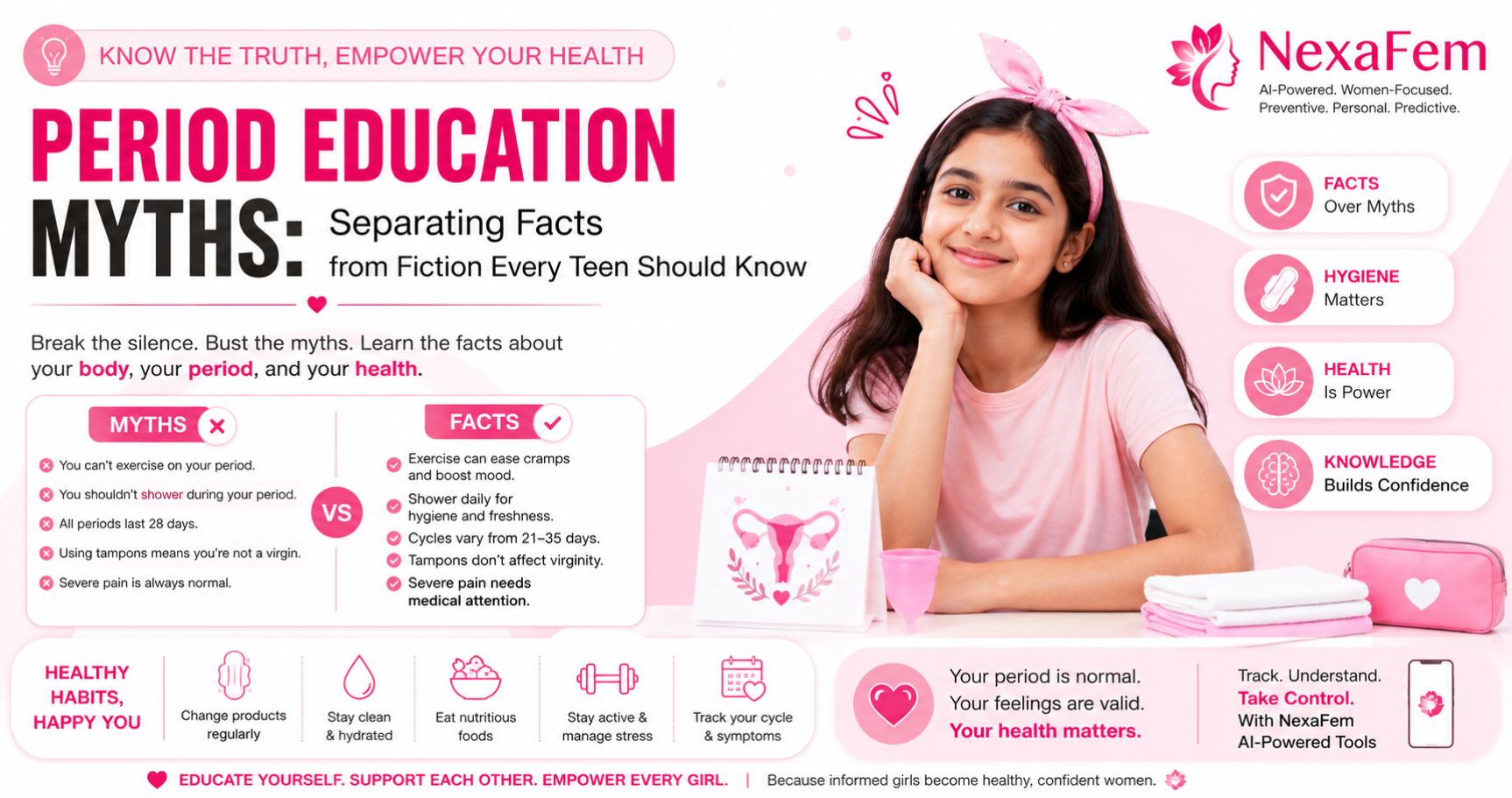
For many girls, getting a first period is a major milestone—but it can also bring confusion, anxiety, and countless questions. Unfortunately, myths about menstruation are still widespread. Friends, social media, cultural beliefs, and misinformation often make it difficult for teenagers to know what is true and what is not.
Believing these myths can affect confidence, delay proper menstrual care, and even prevent girls from seeking medical help when something doesn't seem right. The good news is that accurate period education empowers young people to understand their bodies, make informed health decisions, and feel more confident throughout adolescence.
Whether you're a teenager preparing for your first period or a parent looking for reliable information, understanding the facts behind menstruation is an important step toward lifelong reproductive health. At NexaFem, we believe that education is the foundation of preventive women's healthcare, and modern AI-powered health tools can help young women better understand their menstrual cycles, symptoms, and overall hormonal health.
According to guidance from the World Health Organization (WHO) and the Centers for Disease Control and Prevention (CDC), access to accurate menstrual health education plays an important role in improving health, well-being, and gender equality.
Quick Summary (TL;DR)
Many common beliefs about periods are myths rather than medical facts.
A first period can begin anywhere between ages 8 and 15, with the average age around 12.
Menstrual hygiene is essential for preventing irritation and maintaining comfort.
Irregular periods are common during the first few years after menstruation begins.
Severe pain, extremely heavy bleeding, or periods that stop unexpectedly should be discussed with a healthcare professional.
What Are Period Education Myths?
Period education myths are false or misleading beliefs about menstruation that are passed through families, communities, or social media instead of being based on medical evidence.
These misconceptions can lead to unnecessary fear, embarrassment, and poor menstrual health practices.
Learning the facts helps teenagers:
understand normal body changes
recognize when symptoms may need medical attention
build confidence during puberty
improve menstrual hygiene awareness
reduce stigma surrounding periods
Reliable information is one of the most effective ways to support healthy adolescence.
Why Does Period Education Matter?
Periods are a normal part of reproductive health. Yet many teenagers receive limited education before experiencing their first menstrual cycle.
Good period education helps girls:
know what to expect before their first period
understand why periods happen
learn healthy menstrual hygiene habits
identify symptoms that deserve medical attention
develop confidence rather than fear
Open conversations at home, in schools, and with healthcare professionals help replace myths with evidence-based knowledge.
Common Period Education Myths vs. Facts
Myth 1: You Shouldn't Exercise During Your Period
Fact: Moderate physical activity is generally safe during menstruation.
Walking, swimming, stretching, yoga, and other forms of exercise may actually help reduce menstrual cramps, improve mood, and increase energy levels. Exercise also supports overall hormonal health.
Myth 2: You Can't Shower During Your Period
Fact: Daily bathing is encouraged.
Maintaining good personal hygiene helps reduce body odor, keeps the skin clean, and supports overall comfort during menstruation. Warm showers may even help relax muscles and ease cramps.
Myth 3: Every Girl Has a 28-Day Cycle
Fact: Menstrual cycles vary.
While a 28-day cycle is often used as an example, healthy menstrual cycles commonly range from 21 to 35 days in adults. During the first few years after puberty, cycles are often less predictable because hormones are still maturing.
Myth 4: Using Tampons Means You've Lost Your Virginity
Fact: Virginity is a social and personal concept—not a medical one.
Using tampons or menstrual cups does not determine whether someone is sexually active. Choosing menstrual products should be based on comfort, personal preference, and proper usage instructions.
Myth 5: Severe Period Pain Is Always Normal
Fact: Mild cramping is common, but severe pain is not something to ignore.
Pain that regularly prevents school attendance, daily activities, or sleep deserves medical evaluation. Conditions such as endometriosis or other gynecological disorders may require assessment and treatment.
Myth 6: You Can't Get Pregnant Around Your First Period
Fact: Pregnancy is possible once ovulation begins.
Although uncommon, pregnancy can occur before or shortly after a first menstrual period if unprotected sexual activity takes place. Understanding reproductive health is an important part of comprehensive period education.
First Period Facts for Teens
One of the most searched questions is:
What is a first period like?
Every girl's experience is different.
Some notice:
light spotting
brown or dark red blood
mild cramps
breast tenderness
mood changes
bloating
acne
fatigue
These symptoms are usually caused by normal hormonal changes during puberty.
When does the first period usually happen?
Most girls begin menstruating between 8 and 15 years of age, with an average age of about 12, although healthy timing varies depending on genetics, nutrition, overall health, and puberty development.
Signs that a first period may be approaching include:
breast development
growth spurts
underarm and pubic hair
clear or white vaginal discharge several months beforehand
Knowing these signs can help teenagers feel more prepared and less anxious.
Is It Normal for Periods to Be Irregular at First?
Yes.
During the first two to three years after menstruation begins, hormone levels are still developing. As a result, menstrual cycles may vary in length, flow, and timing.
A period may arrive earlier one month and later the next without indicating a health problem.
However, it's important to seek medical advice if:
periods stop for more than three months after they have started
bleeding is extremely heavy
periods last longer than seven days consistently
severe pain interferes with daily life
symptoms suddenly become much worse
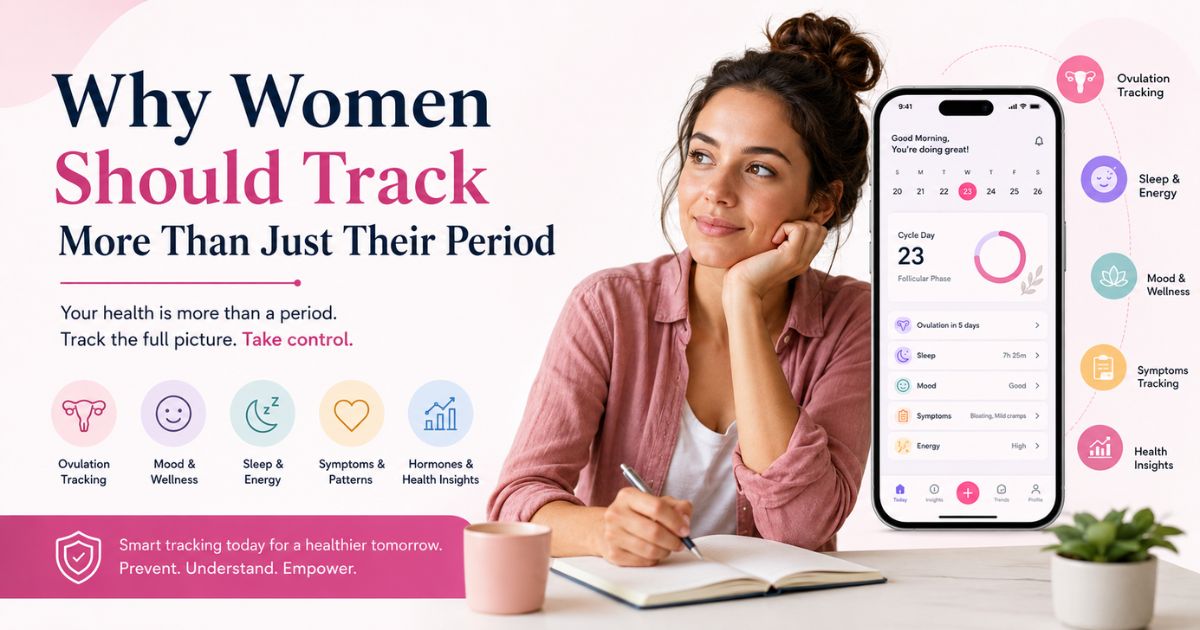
Tracking menstrual cycles using a Period Tracker or AI Cycle Insights Tool can help teenagers recognize patterns and know when to seek medical guidance.
Period education myths are false or misleading beliefs about menstruation that are passed through families, communities, or social media instead of being based on medical evidence.
These misconceptions can lead to unnecessary fear, embarrassment, and poor menstrual health practices.
Learning the facts helps teenagers:
understand normal body changes
recognize when symptoms may need medical attention
build confidence during puberty
improve menstrual hygiene awareness
reduce stigma surrounding periods
Reliable information is one of the most effective ways to support healthy adolescence.
Why Does Period Education Matter?
Periods are a normal part of reproductive health. Yet many teenagers receive limited education before experiencing their first menstrual cycle.
Good period education helps girls:
know what to expect before their first period
understand why periods happen
learn healthy menstrual hygiene habits
identify symptoms that deserve medical attention
develop confidence rather than fear
Open conversations at home, in schools, and with healthcare professionals help replace myths with evidence-based knowledge.
Common Period Education Myths vs. Facts
Myth 1: You Shouldn't Exercise During Your Period
Fact: Moderate physical activity is generally safe during menstruation.
Walking, swimming, stretching, yoga, and other forms of exercise may actually help reduce menstrual cramps, improve mood, and increase energy levels. Exercise also supports overall hormonal health.
Myth 2: You Can't Shower During Your Period
Fact: Daily bathing is encouraged.
Maintaining good personal hygiene helps reduce body odor, keeps the skin clean, and supports overall comfort during menstruation. Warm showers may even help relax muscles and ease cramps.
Myth 3: Every Girl Has a 28-Day Cycle
Fact: Menstrual cycles vary.
While a 28-day cycle is often used as an example, healthy menstrual cycles commonly range from 21 to 35 days in adults. During the first few years after puberty, cycles are often less predictable because hormones are still maturing.
Myth 4: Using Tampons Means You've Lost Your Virginity
Fact: Virginity is a social and personal concept—not a medical one.
Using tampons or menstrual cups does not determine whether someone is sexually active. Choosing menstrual products should be based on comfort, personal preference, and proper usage instructions.
Myth 5: Severe Period Pain Is Always Normal
Fact: Mild cramping is common, but severe pain is not something to ignore.
Pain that regularly prevents school attendance, daily activities, or sleep deserves medical evaluation. Conditions such as endometriosis or other gynecological disorders may require assessment and treatment.
Myth 6: You Can't Get Pregnant Around Your First Period
Fact: Pregnancy is possible once ovulation begins.
Although uncommon, pregnancy can occur before or shortly after a first menstrual period if unprotected sexual activity takes place. Understanding reproductive health is an important part of comprehensive period education.
First Period Facts for Teens
One of the most searched questions is:
What is a first period like?
Every girl's experience is different.
Some notice:
light spotting
brown or dark red blood
mild cramps
breast tenderness
mood changes
bloating
acne
fatigue
These symptoms are usually caused by normal hormonal changes during puberty.
When does the first period usually happen?
Most girls begin menstruating between 8 and 15 years of age, with an average age of about 12, although healthy timing varies depending on genetics, nutrition, overall health, and puberty development.
Signs that a first period may be approaching include:
breast development
growth spurts
underarm and pubic hair
clear or white vaginal discharge several months beforehand
Knowing these signs can help teenagers feel more prepared and less anxious.
Is It Normal for Periods to Be Irregular at First?
Yes.
During the first two to three years after menstruation begins, hormone levels are still developing. As a result, menstrual cycles may vary in length, flow, and timing.
A period may arrive earlier one month and later the next without indicating a health problem.
However, it's important to seek medical advice if:
periods stop for more than three months after they have started
bleeding is extremely heavy
periods last longer than seven days consistently
severe pain interferes with daily life
symptoms suddenly become much worse
Tracking menstrual cycles using a Period Tracker or AI Cycle Insights Tool can help teenagers recognize patterns and know when to seek medical guidance.
Menstrual Hygiene Awareness: Healthy Habits Every Teen Should Know
Good menstrual hygiene is about more than staying clean—it supports comfort, confidence, and overall reproductive health. Developing healthy habits early can help reduce skin irritation, unpleasant odors, and the risk of certain infections.
There is no single "best" menstrual product. Pads, tampons, menstrual cups, and period underwear are all safe options when used correctly. The right choice depends on personal comfort, lifestyle, and individual needs.
Healthy menstrual hygiene habits include:
Changing pads every 3–4 hours, or sooner if they become soaked.
Changing tampons every 4–8 hours according to the product instructions.
Emptying and cleaning menstrual cups as recommended by the manufacturer.
Washing the external genital area with warm water and avoiding harsh soaps, scented sprays, or vaginal douching.
Washing hands before and after changing menstrual products.
Wearing clean, breathable cotton underwear whenever possible.
Maintaining these habits supports menstrual hygiene awareness and encourages lifelong reproductive health.
If you are new to menstruation, reading a guide on choosing the right menstrual products for beginners can help you decide which option best suits your lifestyle.
Does Period Blood Need Special Cleaning?
No. Period blood is simply a mixture of blood, uterine lining, and vaginal fluids. It is not "dirty" or "toxic." Routine bathing and changing menstrual products regularly are all that is needed for good hygiene.
How Hormones Affect Your Period
The menstrual cycle is controlled by a carefully balanced interaction of hormones, including estrogen and progesterone. These hormones prepare the uterus for a possible pregnancy each month. If pregnancy does not occur, hormone levels fall, causing the uterine lining to shed as a menstrual period.
Because hormones fluctuate throughout the cycle, teenagers may notice changes such as:
Mild acne breakouts
Breast tenderness
Mood changes
Food cravings
Bloating
Fatigue
Headaches
These symptoms are often temporary and vary from one person to another.
Learning about hormonal changes can make periods feel more predictable and less overwhelming. NexaFem's Hormonal Health Assessment is designed to help women better understand symptom patterns and know when changes may require medical advice.
Nutrition During Your Period
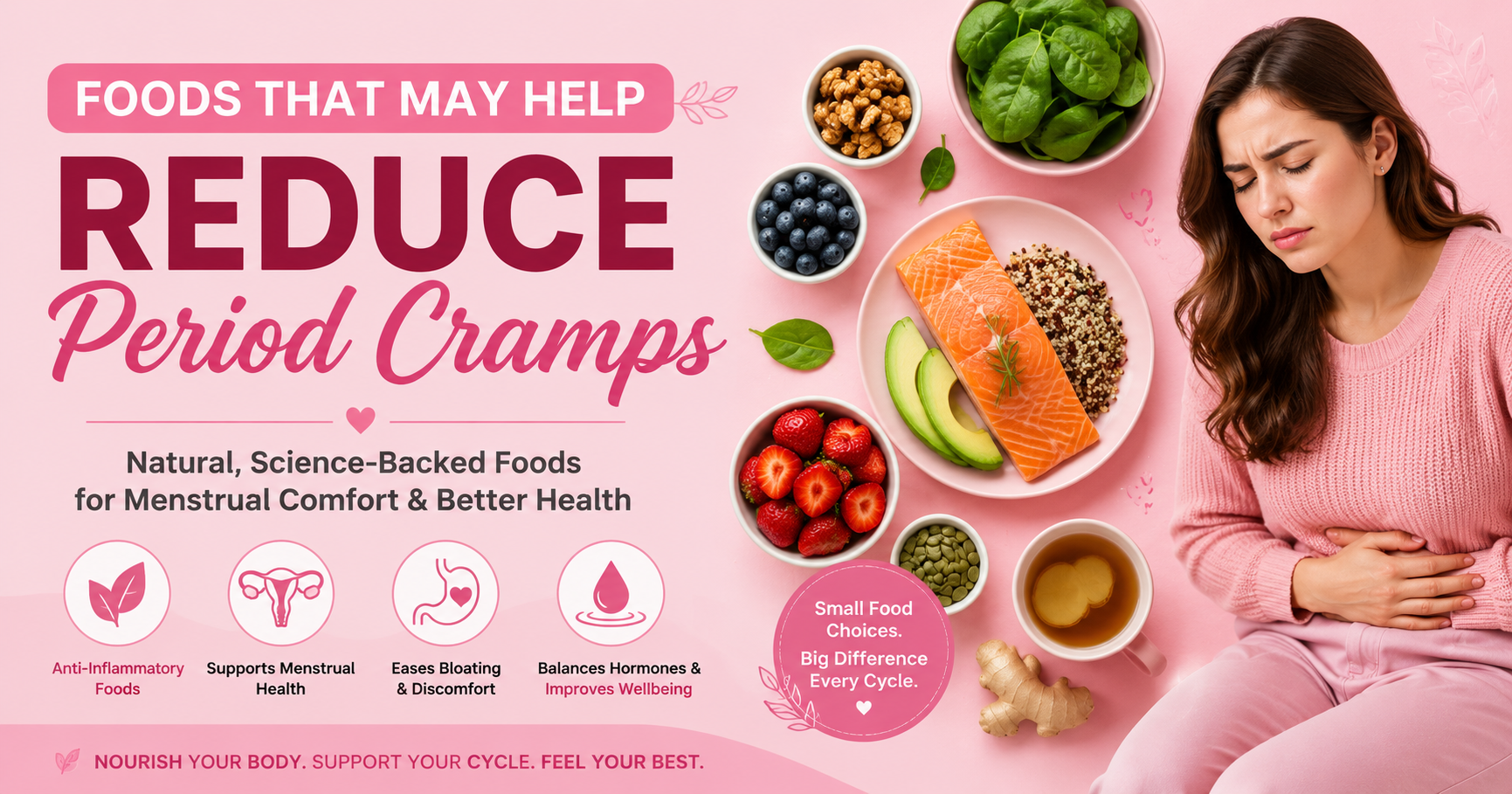
A healthy diet cannot "stop" periods or eliminate cramps entirely, but good nutrition supports overall health and may help improve energy levels and recovery during menstruation.
Iron-Rich Foods
Iron is important because menstrual bleeding causes a small loss of iron each month.
Good sources include:
Lean meat
Fish
Eggs
Lentils
Beans
Spinach
Fortified breakfast cereals
Pairing plant-based iron sources with foods rich in vitamin C—such as oranges, strawberries, or bell peppers—can improve iron absorption.
Stay Hydrated
Drinking enough water may help reduce bloating and support overall well-being.
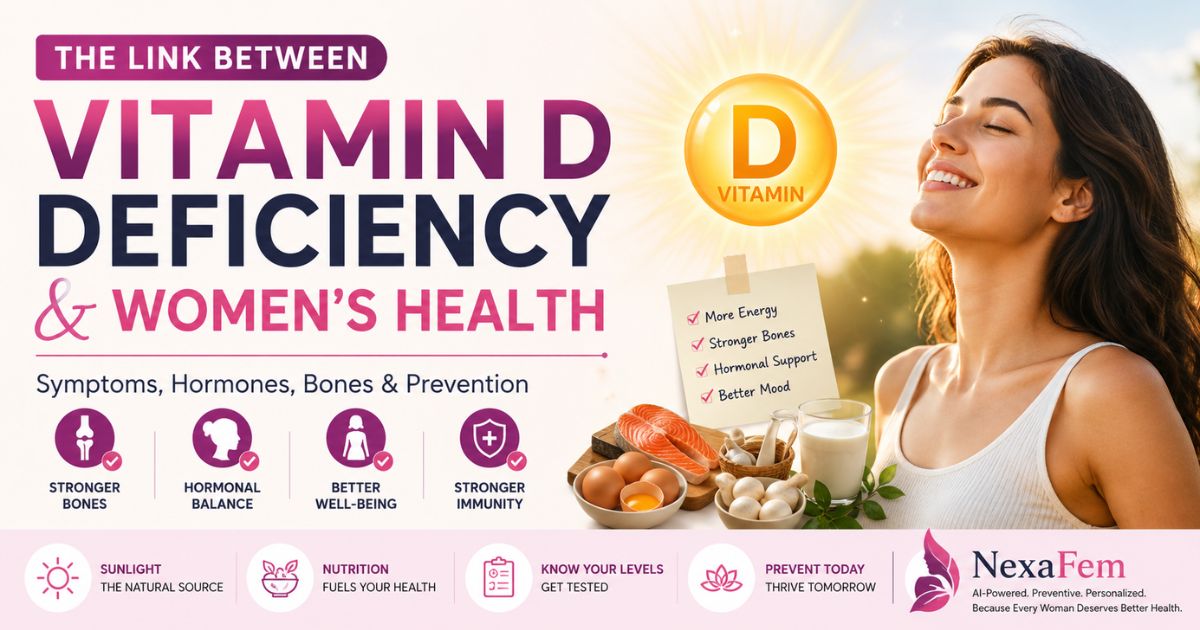
Calcium and Vitamin D
These nutrients are important for bone health during adolescence and may also support muscle function.
Good sources include dairy products, fortified plant-based drinks, yogurt, cheese, and safe sun exposure where appropriate.
Magnesium-Rich Foods
Some teenagers find that magnesium-rich foods, including nuts, seeds, whole grains, and leafy vegetables, support overall muscle function and healthy nutrition.
A balanced eating pattern is far more beneficial than restrictive diets or "period detoxes," which have no scientific evidence to support their use.
Emotional Well-Being and Mental Health
Periods affect more than the body—they can also influence emotions.
Hormonal fluctuations before and during menstruation may contribute to:
Irritability
Feeling emotional
Anxiety
Reduced concentration
Mood swings
Tiredness
These experiences are common and do not mean something is wrong.
However, if emotional symptoms become severe, occur every month, or significantly affect school, relationships, or daily activities, it is important to speak with a healthcare professional. Some individuals may experience conditions such as Premenstrual Syndrome (PMS) or the more severe Premenstrual Dysphoric Disorder (PMDD), which require proper assessment.
Practicing self-care can support emotional well-being:
Getting enough sleep
Staying physically active
Eating balanced meals
Talking openly with trusted adults
Managing stress through relaxation techniques
If you would like to better understand recurring emotional symptoms, a PMS Symptom Checker can help you track patterns to discuss with your healthcare provider.
Lifestyle Tips for a Healthy Menstrual Cycle
Supporting menstrual health involves caring for your whole body.
Healthy lifestyle habits include:
Exercise Regularly
Regular movement supports physical and emotional well-being. Activities such as walking, swimming, cycling, and yoga are generally safe during menstruation unless advised otherwise by a healthcare professional.
Prioritize Sleep
Teenagers typically need 8–10 hours of sleep each night. Adequate rest supports hormone regulation, learning, and overall health.
Manage Stress
Stress does not directly cause periods, but significant stress may temporarily affect the menstrual cycle in some individuals.
Healthy stress-management techniques include mindfulness, journaling, spending time outdoors, and maintaining supportive social connections.
Track Your Cycle
Recording your menstrual cycle helps identify patterns in timing, flow, cramps, and symptoms. This information can also be valuable during medical appointments.
Using an AI-powered Menstrual Cycle Tracker can make it easier to monitor changes over time and receive personalized educational insights.
Common Mistakes Teenagers Make About Periods
Many misconceptions continue because accurate information is not always available.
Common mistakes include:
Feeling embarrassed to ask questions.
Believing information shared on social media without checking reliable sources.
Waiting too long to seek medical advice for severe symptoms.
Wearing the same menstrual product for too many hours.
Thinking irregular periods always mean something is wrong.
Ignoring persistent heavy bleeding or severe pain.
Replacing myths with evidence-based knowledge helps teenagers make informed decisions about their health.
When Should You See a Doctor?
Most periods are a normal part of puberty. However, some symptoms deserve medical evaluation.
Speak with a healthcare professional if:
Periods have not started by age 15 or within about three years after breast development begins.
Bleeding lasts longer than seven days regularly.
Menstrual flow is extremely heavy or requires changing protection every one to two hours for several hours.
Severe cramps prevent normal daily activities.
Periods suddenly stop for more than three months (when not pregnant).
There is persistent pelvic pain, unusual discharge, fever, or symptoms that concern you.
Early assessment can help identify conditions such as hormonal disorders, thyroid conditions, bleeding disorders, or endometriosis.
Seeking help early is a positive step toward preventive healthcare—it is never something to feel embarrassed about.
Final Thoughts
Menstruation is a normal and healthy part of growing up—not something to fear or feel embarrassed about. Replacing period education myths with reliable, evidence-based information empowers teenagers to understand their bodies, build confidence, and make informed decisions about their health.
Parents, caregivers, teachers, and healthcare professionals all play an important role in creating supportive conversations around menstruation. Open communication helps reduce stigma and encourages young people to seek help when they need it.
At NexaFem, we believe that preventive healthcare starts with knowledge. Combining trusted medical guidance with AI-powered health insights can help girls and women better understand their menstrual cycles, recognize changes over time, and feel more confident about their reproductive health.
Remember, every menstrual cycle is unique. Comparing your experience with someone else's is rarely helpful. Learning what is normal for your own body—and knowing when to seek medical advice—is one of the most valuable steps you can take toward lifelong hormonal health.
Sources & References
The information in this article is based on guidance from internationally recognized health organizations.
World Health Organization (WHO): https://www.who.int/health-topics/menstrual-health
American College of Obstetricians and Gynecologists (ACOG): https://www.acog.org/womens-health
Centers for Disease Control and Prevention (CDC): https://www.cdc.gov/healthyyouth/
National Institute for Health and Care Excellence (NICE): https://www.nice.org.uk/
Disclaimer
This article is provided for informational and educational purposes only. It is not intended to replace professional medical advice, diagnosis, or treatment. Every person's health situation is unique. If you have concerns about your menstrual cycle, severe pain, heavy bleeding, delayed periods, or any other health issue, consult a qualified healthcare professional or licensed physician for personalized medical guidance.
Frequently Asked Questions
Share this post
Comments (0)
No comments yet. Be the first to comment!