Personalised Healthcare for Women: The Future of Preventive Wellness
Discover how personalized healthcare for women uses AI, health tracking, and preventive care to support better hormonal and long-term wellness.
For generations, women have often been told that symptoms such as fatigue, mood changes, irregular periods, painful menstrual cycles, brain fog, or unexplained weight fluctuations are simply "normal."
Yet many women know something feels off long before a diagnosis is made.
The challenge is that women’s health is deeply personal. Hormones change across life stages. Symptoms can look different from one woman to another. What works for one person may not work for someone else.
This is where personalized healthcare for women is transforming the future of wellness.
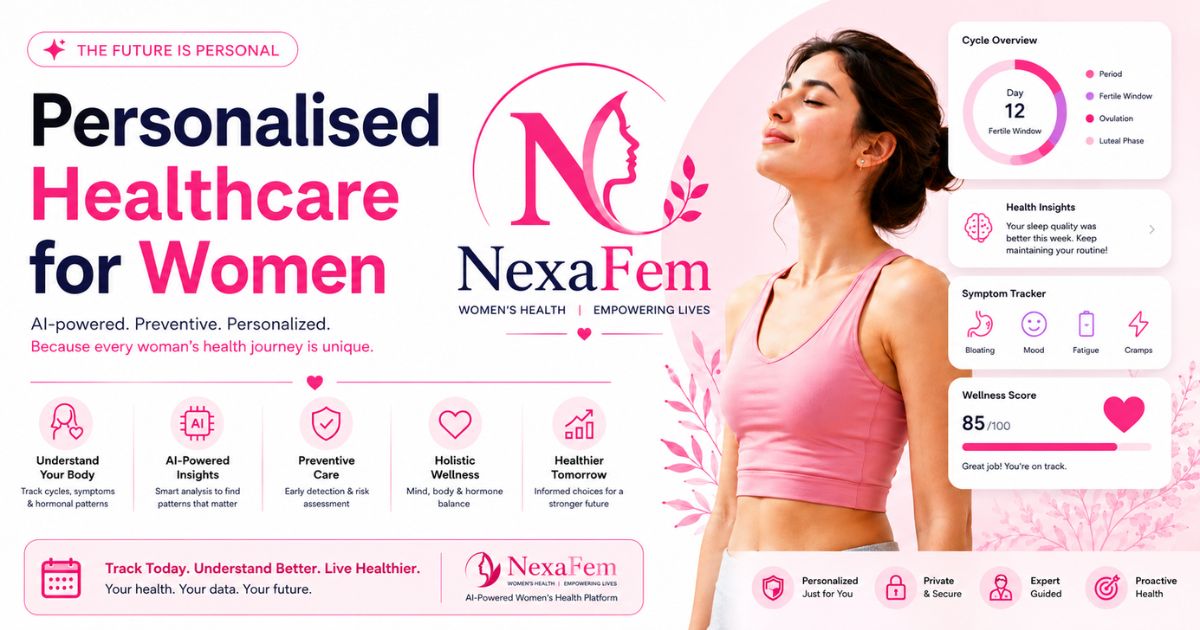
Instead of relying on a one-size-fits-all approach, personalized healthcare uses health data, symptom patterns, lifestyle factors, and emerging technologies such as AI-powered women's health platforms to provide more individualized insights and support.
As healthcare continues to evolve, women are gaining access to tools that help them better understand their bodies, identify health concerns earlier, and make informed decisions about preventive care.
At NexaFem, we believe the future of women's wellness is proactive, data-driven, and deeply personal.
Quick Summary (TL;DR)
Personalized healthcare for women focuses on individual health needs rather than generalized recommendations.
AI-powered women's health tools can help track symptoms, menstrual cycles, lifestyle factors, and wellness trends.
Personalized health tracking for women supports earlier identification of potential health concerns.
Preventive healthcare for women may improve long-term outcomes through early intervention and informed decision-making.
Personalized care can be beneficial across all life stages, from menstruation and fertility to perimenopause and beyond.
What Is Personalized Healthcare for Women?
Personalized healthcare for women is a healthcare approach that tailors prevention, monitoring, and treatment strategies to an individual's unique biological, hormonal, lifestyle, and environmental factors.
Rather than treating all patients the same way, personalized healthcare considers:
Age and life stage
Menstrual cycle patterns
Hormonal changes
Family health history
Lifestyle habits
Sleep quality
Nutrition
Mental health
Existing medical conditions
The goal is simple: deliver more relevant, timely, and effective healthcare support.
According to the World Health Organization, preventive care and early detection remain essential components of improving health outcomes globally. Personalized approaches can strengthen these efforts by helping individuals understand their unique risk factors earlier.
Why Traditional Healthcare Models Often Fall Short for Women
Historically, women have been underrepresented in certain areas of medical research. As awareness grows, healthcare professionals increasingly recognize that sex-specific differences can affect symptoms, diagnosis, treatment responses, and disease progression.
Women may experience:
Different heart disease symptoms than men
Unique hormonal fluctuations
Reproductive health concerns
Pregnancy-related health changes
Menopause-related challenges
These differences highlight the need for more individualized care pathways.
This growing understanding has fueled innovation in areas such as women's symptom awareness, hormonal intelligence, and preventive health monitoring.
How AI-Powered Women's Health Is Changing Care
Artificial intelligence is becoming a valuable tool in modern healthcare.
While AI cannot replace healthcare professionals, it can help women organize and interpret health information more effectively.
What Can AI-Powered Women's Health Tools Do?
Modern platforms may help users:
Track menstrual cycles
Monitor symptoms
Identify patterns over time
Support health journaling
Provide educational insights
Encourage preventive health screenings
Generate personalized wellness recommendations
For example, a woman experiencing recurring fatigue, headaches, and irregular periods may not immediately notice connections between these symptoms. Over time, symptom tracking and AI-supported analysis may reveal patterns worth discussing with a healthcare professional.
This approach promotes earlier awareness rather than delayed intervention.
What Is Personalized Health Tracking for Women?
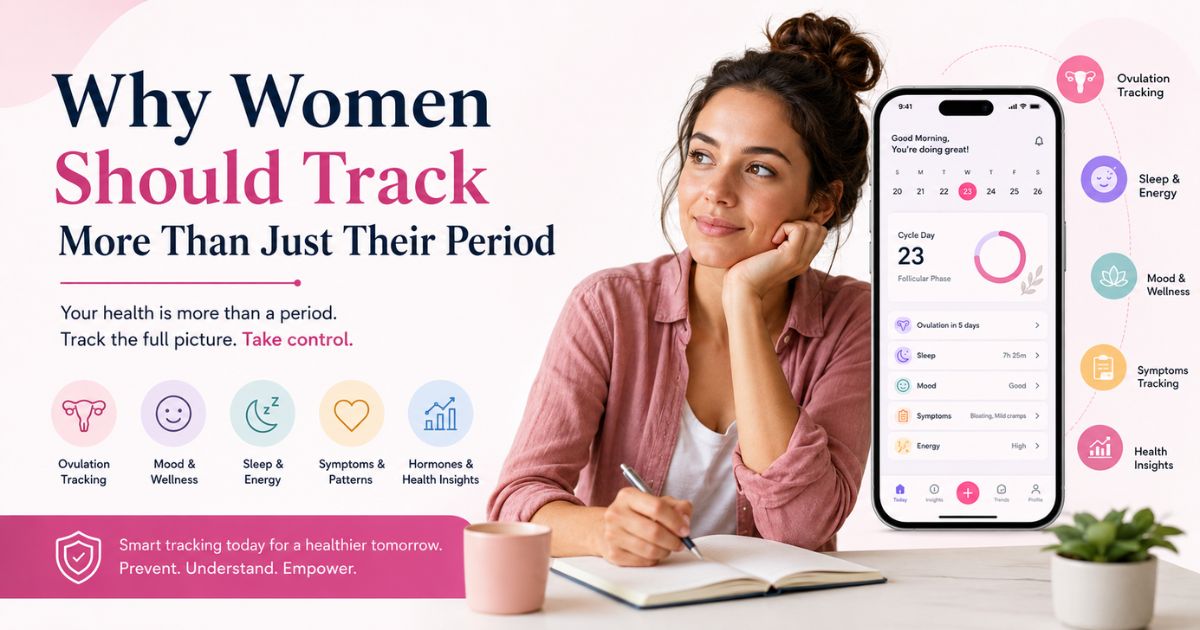
Personalized health tracking for women involves collecting health information consistently over time to better understand changes in the body.
Common areas tracked include:
Menstrual Health
Cycle length
Period symptoms
Flow patterns
Ovulation indicators
Hormonal Health
Mood changes
Energy levels
Sleep quality
Skin changes
Lifestyle Factors
Physical activity
Nutrition habits
Stress levels
Hydration
Preventive Health Indicators
Blood pressure
Weight changes
Health screening reminders
Family health history
Tracking creates a clearer picture of overall wellness and may help identify changes that deserve medical attention.
Women interested in understanding cycle-related symptoms may also benefit from resources on menstrual intelligence and hormone symptom tracking.
The Role of Preventive Healthcare for Women
Preventive healthcare focuses on reducing disease risk before health problems become more serious.
Rather than waiting for symptoms to worsen, preventive care encourages proactive action.
Examples of Preventive Healthcare for Women
Routine health screenings
Cervical cancer screening
Breast health monitoring
Blood pressure checks
Diabetes screening
Vaccinations
Mental health support
Lifestyle counseling
The Centers for Disease Control and Prevention emphasizes preventive screening as an important strategy for reducing long-term health risks.
Benefits of Early Intervention
Early awareness may help:
Improve treatment outcomes
Reduce complications
Support healthier aging
Improve quality of life
Reduce healthcare costs over time
How Personalized Healthcare Supports Different Life Stages
Ages 18–24
Common priorities include:
Menstrual health
PCOS awareness
Contraceptive counseling
Mental wellness
Healthy lifestyle habits
Ages 25–34
Focus areas often include:
Fertility awareness
Pregnancy planning
Stress management
Hormonal health optimization
Women exploring reproductive health may benefit from fertility health tracking and ovulation awareness resources.
Ages 35–45
Important considerations include:
Metabolic health
Hormonal changes
Chronic disease prevention
Cardiovascular risk awareness
Perimenopause and Menopause
Many women experience:
Hot flashes
Sleep disturbances
Mood changes
Irregular cycles
Brain fog
Personalized symptom tracking can help women recognize trends and communicate concerns more effectively with healthcare providers.
The Connection Between Hormones and Personalized Wellness
Hormones influence nearly every aspect of women's health.
They affect:
Energy
Mood
Sleep
Reproductive health
Metabolism
Bone health
Heart health
Because hormonal experiences vary significantly, personalized approaches are often more useful than generalized recommendations.
For example, two women experiencing fatigue may have entirely different underlying contributors, ranging from sleep issues to thyroid concerns, iron deficiency, stress, or hormonal changes.
Personalized tracking helps provide context rather than assumptions.
Mental Wellness and Personalized Healthcare
Mental health is an essential part of women's wellness.
Stress, anxiety, hormonal fluctuations, life transitions, and chronic health conditions can all influence emotional well-being.
Personalized healthcare supports mental wellness by helping women:
Recognize emotional patterns
Monitor stress levels
Track mood changes
Identify potential triggers
Seek support sooner
The NHS highlights the importance of early recognition and support for mental health concerns as part of overall health management.
Common Symptoms That Benefit From Personalized Tracking
Women often experience symptoms that seem unrelated at first.
These may include:
Fatigue
Brain fog
Mood swings
Sleep difficulties
Irregular periods
Bloating
Headaches
Weight fluctuations
Low energy
Reduced concentration
Tracking these symptoms over time may reveal valuable patterns and provide useful information for healthcare appointments.
How Is Personalized Healthcare Implemented?
Assessment
Healthcare providers review:
Medical history
Family history
Symptoms
Lifestyle factors
Monitoring
Data may come from:
Wearable devices
Health apps
Symptom journals
Screening tests
Individualized Planning
Recommendations may include:
Lifestyle changes
Nutrition guidance
Exercise plans
Mental health support
Medical treatment when appropriate
Ongoing Evaluation
Healthcare plans evolve as needs change throughout life stages.
Lifestyle Tips for Personalized Women's Wellness
Small daily habits often have a significant impact over time.
Consider:
Prioritizing quality sleep
Engaging in regular physical activity
Managing stress effectively
Eating a balanced, nutrient-rich diet
Staying hydrated
Scheduling preventive health screenings
Tracking menstrual and hormonal symptoms
Discussing unusual symptoms with a healthcare professional
Consistency is often more important than perfection.
Common Mistakes Women Make
Many women unintentionally delay care because they:
Ignore recurring symptoms
Assume symptoms are "normal"
Wait until symptoms become severe
Skip preventive screenings
Avoid discussing mental health concerns
Stop tracking symptoms after a few weeks
Awareness and early action can support better long-term health outcomes.
When to See a Doctor
Consult a healthcare professional if you experience:
Persistent fatigue
Significant menstrual changes
Severe pelvic pain
Unexplained weight changes
Ongoing sleep difficulties
Mood changes affecting daily life
Fertility concerns
New or worsening symptoms
Early evaluation can help identify underlying causes and appropriate treatment options.
Red Flag Symptoms
Seek prompt medical attention if you experience:
Chest pain
Sudden shortness of breath
Heavy uncontrolled bleeding
Severe abdominal pain
Fainting episodes
Sudden neurological symptoms
Thoughts of self-harm
These symptoms require immediate medical evaluation.
The future of women's wellness is moving beyond reactive healthcare.
Personalized healthcare for women represents a shift toward earlier awareness, individualized support, and more informed decision-making. By combining preventive healthcare, symptom awareness, health tracking, and emerging AI-powered women's health technologies, women can gain a clearer understanding of their unique health journeys.
No app, device, or algorithm can replace the expertise of qualified healthcare professionals. However, when used responsibly, personalized tools can empower women to ask better questions, recognize important patterns, and take proactive steps toward long-term wellness.
As healthcare continues to evolve, the most powerful approach may be one that combines medical expertise, human empathy, and personalized insights—helping every woman feel seen, understood, and supported.
Sources & References
World Health Organization (WHO)
https://www.who.int
National Health Service (NHS)
https://www.nhs.uk
American College of Obstetricians and Gynecologists (ACOG)
https://www.acog.org
National Institute for Health and Care Excellence (NICE)
https://www.nice.org.uk
Centers for Disease Control and Prevention (CDC)
https://www.cdc.gov
Disclaimer
This article is intended for informational and educational purposes only and should not be considered medical advice, diagnosis, or treatment. Health information is constantly evolving, and individual circumstances vary. Always consult a qualified healthcare professional, gynecologist, or licensed medical provider regarding any symptoms, health concerns, diagnosis, treatment decisions, or preventive healthcare recommendations specific to your situation.
Frequently Asked Questions
Share this post
Comments (0)
No comments yet. Be the first to comment!